
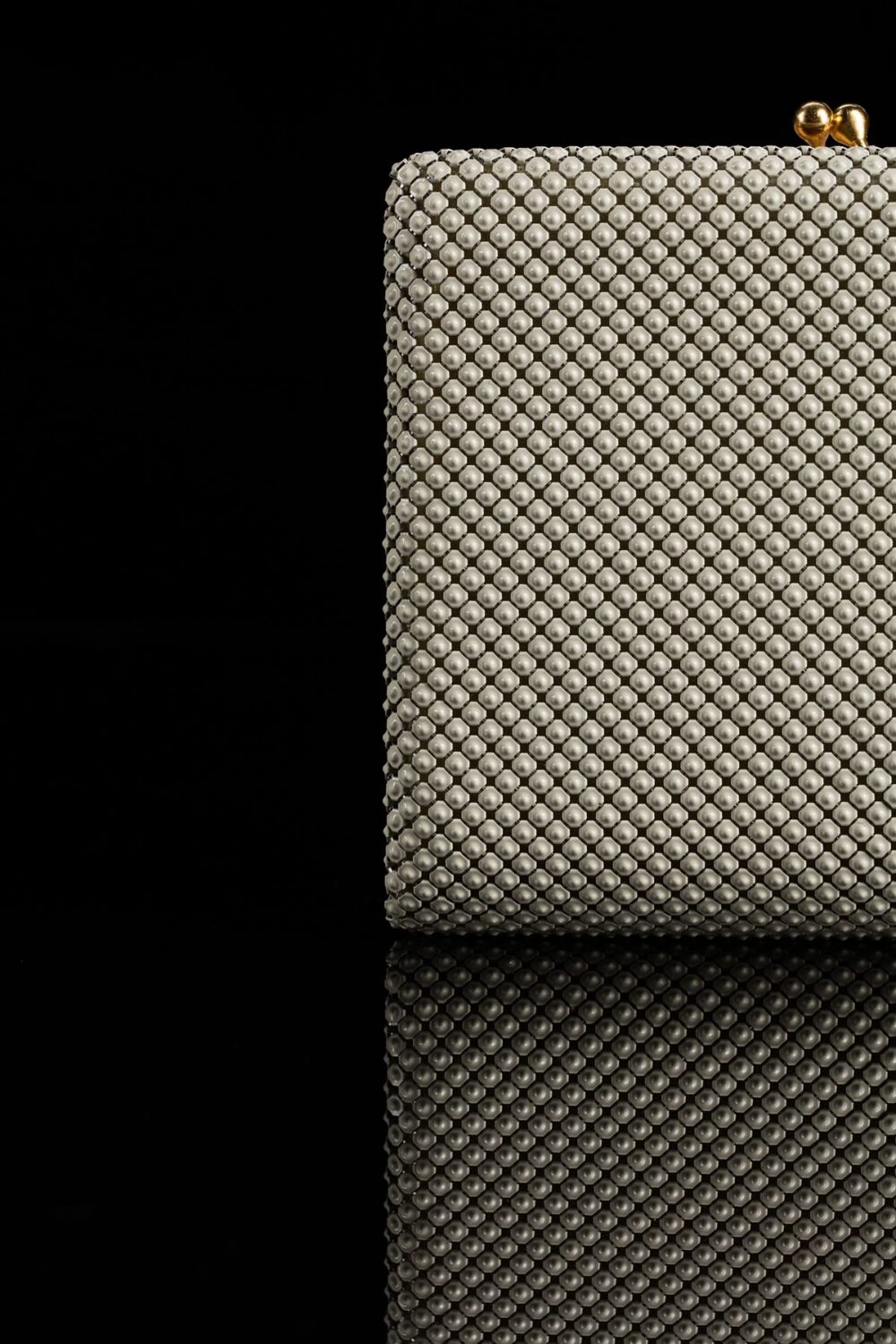
Soperwillton sits firmly in the budget-to-lower‑midrange handbag tier. Most of its handbags and purse sets are made from vegan PU leather, sold as coordinated bundles of 2-5 pieces, typically in the $35–$45 range on retail and finance sites for a full set.Source You’re getting fashion‑forward, practical bags that look like leather, but they should be treated as short‑ to medium‑term accessories rather than long‑term investment pieces.
If you want a stylish matching tote, crossbody, and wallet without spending triple digits, Soperwillton can make sense. If you expect heirloom‑level leather, it will feel underbuilt. The key decision is whether you’re buying a look for a few seasons or a bag you’ll carry and repair for many years.
Where Soperwillton Handbags and Purses Sit on the Market
Soperwillton is a brand focused on everyday and travel‑friendly handbags and purses, usually sold as coordinated sets rather than single bags. Their official site highlights multi‑piece collections pairing a tote, satchel or shoulder bag with smaller items like crossbody bags and wallets.Source
Most listings describe the material as vegan PU leather with metal hardware.Source PU is a synthetic that imitates the look of leather but doesn’t age like full‑grain leather; it’s common in budget fashion bags because it keeps costs low and offers consistent color and texture.
On finance/BNPL platforms such as Abunda’s Soperwillton listing, 4‑ and 5‑piece sets are typically shown around $39.99–$42 for the bundle.Source That positions Soperwillton well below designer and true midrange brands, which often start in the hundreds of dollars for a single leather handbag.Source
In practice, you can think of Soperwillton as comparable to generic department‑store or online fashion brands offering synthetic tote sets around $20–$50: reasonably durable if treated kindly, but not built to compete with luxury leather on longevity.
How Soperwillton Stacks Up Against Other Affordable Handbag Options
Soperwillton competes in a crowded budget space. The useful comparison is not with luxury brands, but with other inexpensive purse sets and entry‑level midrange bags.
Budget vs Midrange: Quick Tier Snapshot
| Tier / example type | Typical material | Typical price for one main bag | Expected use‑life (editorial judgment) | Where Soperwillton fits |
|---|---|---|---|---|
| Luxury/midrange designer handbag | Genuine leather, high‑grade hardware | $300+ into the thousandsSource | Many years with care, often repairable | Below this tier |
| Affordable midrange (quality synthetics or lower‑priced leather) | Mixed: coated canvas, nylon, some leather | ~$80–$250 (varies widely) | Several years of regular use | Below/adjacent |
| Budget handbag/purse sets (includes Soperwillton) | PU leather, basic hardware | ~$20–$50 per bag or $35–$45 per setSourceSource | Short‑ to medium‑term; best for light/rotating use | This tier |
The main trade‑offs with Soperwillton relate to materials, construction, and styling.
Materials and durability. PU leather is standard in Soperwillton’s catalog.Source As with most budget PU, the surface can crease or flake sooner than quality leather, especially at stress points like straps and corners. For occasional use or rotation with other bags, you may get several seasons out of a set; for daily heavy use, you should expect more visible wear than on higher‑priced canvas or leather bags.
DHgate’s editorial coverage of black tote bags notes that many $20–$50 totes made from sturdy synthetics can still offer good, practical durability, even though they’re not comparable to luxury leather.Source Soperwillton is best viewed in that light: solid enough for everyday errands or office use if you’re not overloading them, but not a lifetime bag.
Styling and functionality. Soperwillton leans into coordinated, multi‑piece sets in classic shapes—structured top‑handle satchels, simple shoulder totes, and matching wallets or small crossbodies. Color palettes tend to be neutral or muted (blacks, tans, burgundies) with occasional brights, making them suitable for work, casual outings, and travel.
The advantage of these sets is value and versatility: one purchase covers several occasions. The disadvantage is that construction quality is averaged across all pieces; stitching and edge paint may feel less refined than on a single $100–$150 midrange bag, and hardware is typically more basic.
Who Soperwillton suits best.
- Occasional fashion buyers who want coordinated looks for events, trips, or seasonal outfits and don’t mind replacing bags every few years.
- Gift buyers seeking a generous‑looking bundle in the under‑$50 range.
- Small resellers targeting low‑ticket, visually appealing purse sets rather than premium leather.
If your priority is long‑term durability, repairability, and aging patina, Soperwillton will feel like a compromise versus true leather brands. If your priority is stretching a modest budget across multiple bags, it’s competitive.
Best Ways to Buy or Source Soperwillton (and Comparable Styles)
Soperwillton appears across several channel types, each with different strengths for US buyers and small ecommerce businesses.
1. Brand and dedicated sites.
Soperwillton’s own site, such as soperwillton.net and related brand domains, showcases current collections and full sets. You’ll typically see the latest styles and colorways, and can compare bundles side‑by‑side. For individual buyers, this is a straightforward way to understand the brand’s range; for resellers, it’s useful for trend and assortment research even if you source elsewhere.
2. Major marketplaces and finance/BNPL platforms.
Multi‑country marketplaces and finance platforms like Abunda list Soperwillton sets with installment options and user reviews. On Abunda, for example, a 4‑piece PU‑leather set is listed at $39.99 and a 5‑piece set around $42 at the time of research.Source These channels are strong for personal purchases, budget‑sensitive buyers, or resellers testing small quantities via retail before committing to bulk.
3. Off‑price and international retail sites.
Regional sites such as Noon’s Soperwillton listing show that Soperwillton sets also circulate in off‑price or discount‑oriented ecosystems outside the US. For cross‑border buyers, these can be attractive when local pricing or promotions are favorable, though you’ll need to factor in duties and shipping arrangements yourself.
4. Resale marketplaces.
Pre‑owned and overstock Soperwillton bags appear on resale platforms like Poshmark’s Soperwillton category. This route suits very budget‑conscious buyers or micro‑resellers who cherry‑pick individual styles and flip them. Condition varies, so each listing must be evaluated on its own.
5. Cross‑border wholesale and look‑alike sourcing.
If you’re not tied to the Soperwillton brand name but want similar PU‑leather purse sets for resale, broader cross‑border marketplaces can be useful. For instance, on DHgate you may find comparable multi‑piece synthetic handbag sets from various suppliers. Treat these as generic sourcing options: compare multiple listings, check seller ratings and buyer photos, and validate materials descriptions before placing test orders. For deeper platform comparisons, including DHgate’s role versus other marketplaces, you can look at analyses like Compare DHgate with AliExpress, Alibaba and Temu.
Channel mini‑verdicts:
- For personal use: retail marketplaces and finance platforms provide the clearest value snapshot on current Soperwillton sets.
- For gift buying: brand sites and high‑rated marketplace listings help you choose coordinated colors and styles quickly.
- For small resale: mix channels—use retail and resale sites to test what designs move, then evaluate cross‑border marketplaces for similar unbranded sets if you need margin.
The right channel depends less on Soperwillton itself and more on whether you’re buying one set for yourself or building a budget handbag assortment where brand name is secondary to price and visual appeal.