

Wedding return gifts can be safely ordered online from Canada if you treat them as a time‑sensitive project: decide what guests should actually receive, build in a realistic buffer before the wedding date, and choose channels whose reviews, shipping terms, and support you understand. Local Canadian shops and domestic marketplaces often give you faster, more predictable delivery, while cross‑border marketplaces and niche wedding‑favor sites expand your options but add customs, communication, and return friction. The safest route is usually a mix: use local or domestic options for anything that must be perfect and on‑time, and reserve overseas or marketplace buys for less critical favors or orders you place well in advance.
Wedding return gifts are small tokens of appreciation your guests take home as a reminder of your day; many guides describe them as favors that tie back to the wedding experience rather than random trinkets. Sources like Nectélle’s wedding return gifts guide and Handmakers’ ideas list note that couples typically balance three things: practicality (will guests actually use this?), memorability (does it feel connected to the celebration?), and budget. Those same three factors become your trust criteria online: you’re not just buying “a deal,” you’re betting that a specific seller can deliver practical, on‑theme gifts that look like the photos, at scale, before a fixed event date.
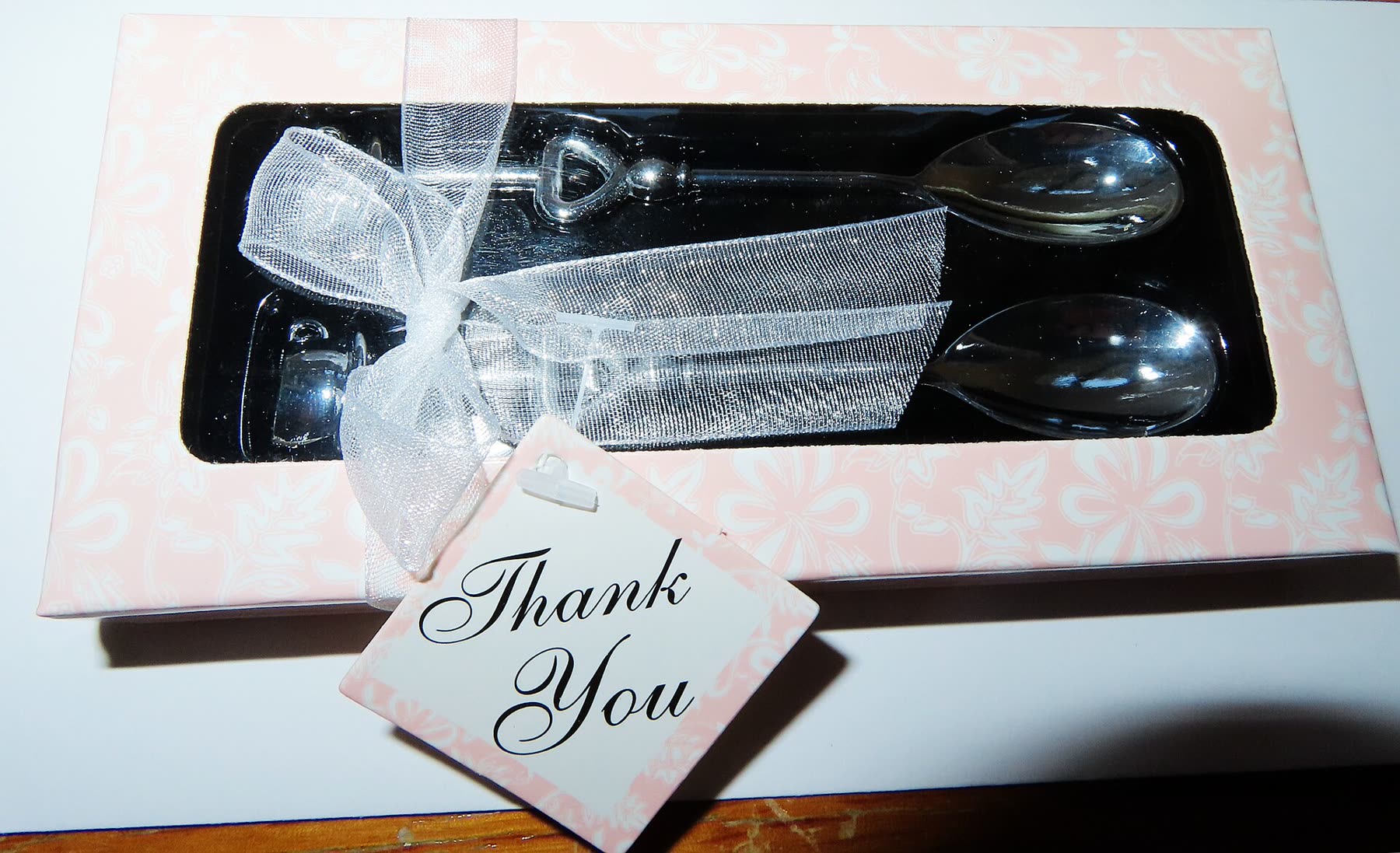
Why Wedding Return Gifts Feel Risky When You Order Online
Wedding favors feel higher‑risk than everyday online shopping because the margin for error is tiny. A late shipment doesn’t just mean inconvenience; it can mean having nothing to hand guests at the end of the night.
Specific risks Canadian buyers worry about include:
- Timing vs event date. Online guides on invitations and favors, such as DHgate’s editorial discussion of wedding cards, highlight that buying online trades in‑person inspection for broader selection and customization. That’s great for design, but it introduces transit and production windows you can’t fully control. Even a small delay can make 150 mini candles or seed packets useless if they arrive after the wedding.
- Quality mismatch at scale. You might love the sample photo of monogrammed boxes or handmade soaps, but there’s no way to physically inspect a batch of 100-300 items ahead of time when ordering online. If materials feel cheap or print quality is off, you’re stuck or scrambling.
- Cross‑border friction for Canadian buyers. When you source from overseas suppliers—whether via a global marketplace, a niche Indian favor shop that ships internationally, or a direct brand—you add layers: customs clearance, international couriers, and potentially longer transit times. Many cross‑border shopping discussions mention common pain points such as unexpected customs delays, extra paperwork, and more complex returns. None of these are guaranteed to happen, but they matter when your deadline is a wedding date, not a flexible household purchase.
- Seller reliability and communication. If your chosen favor needs personalization (names, dates, colors), you’re relying on clear communication with the seller. Different time zones, language gaps, or slow replies can make approval cycles longer than you expect.
For small ecommerce businesses in Canada sourcing wedding favors for clients, the stakes also include reputation: a single late or low‑quality batch can damage future bookings. That’s why trust decisions need to be explicit, not just “this site looks fine.”
Universal Safe‑Buying Practices for Wedding Return Gifts
Regardless of whether you use a Canadian boutique, a global marketplace, or a niche favor site, there are practical habits that make online wedding‑gift orders safer.
1. Lock in realistic timing buffers. Treat your wedding date as a hard deadline and work backward. Because guides on gifts and cards highlight that online purchases trade speed for customization and price, assume you need a buffer for production plus shipping plus a “oops” window. In practice, that means:
- Placing the main order several weeks before you’d order everyday items.
- Avoiding tight cutoffs like “delivery within 3-5 business days” when the event is in exactly a week.
- Prioritizing channels where you understand the shipping origin (within Canada vs overseas) so you can judge whether express options are believable.
2. Use secure payments and sites. General online gift guides, including DHgate’s editorial piece on safe Eid shopping, recommend simple checks that apply here:
- Confirm the checkout page shows HTTPS and a padlock in the browser bar.
- Prefer well‑known payment processors or cards that offer dispute support over direct bank transfers.
- Avoid sending payment outside the platform (for example, via a separate messaging app) where protections are unclear.
These steps don’t guarantee perfect favors, but they reduce your exposure if the seller never delivers.
3. Run a small test before committing to bulk. For customized or unfamiliar products, consider a sample order or a very small batch first, especially if your wedding is months away or you’re an ecommerce operator building a catalogue. That lets you check:
- Actual material quality vs product photos.
- Packaging—will items arrive gift‑ready or need extra work?
- Accuracy of personalization.
If the timeline is too tight for a full sample cycle, at least request close‑up photos or videos of a finished item and clarify that bulk production must match what you see.
4. Document everything. To keep disputes and last‑minute changes manageable:
- Save the product page, description, and images as PDFs or screenshots.
- Keep all agreements about colors, fonts, quantities, and delivery windows in the platform’s messaging system or by email, not just voice calls.
- Note order numbers, dates, and any promised customization details in a single file.
A compact checklist in practice: before you click “Pay,” you should be able to answer what, how many, from where, by when, and under which written terms.
How Different Online Channels Handle Trust for Wedding Favors
You’re not choosing a single “best site” so much as choosing which type of channel fits your risk profile and timeline. For Canadian buyers and small ecommerce operators, these patterns are common.
Local Canadian shops and boutiques (often with online catalogs)
Pros:
- Physical presence in Canada; shipping is typically domestic.
- You may be able to visit a showroom or pickup location to see favors in person.
- Easier returns or adjustments if something goes wrong.
Cons:
- Selection can be narrower than global marketplaces.
- Prices for handcrafted or specialty favors may be higher.
Trust mechanism: You’re relying on the store’s local reputation, any posted photos and descriptions, and the ability to call or visit. For urgent weddings or high‑stakes bulk gifts, this channel is often the safest.
Domestic general marketplaces (e.g., large Canadian or North American platforms)
Pros:
- Huge range of products, including generic favors (candles, keychains, mini frames) that you can customize yourself.
- Familiar review systems where you can see ratings, photos, and repeat purchase patterns.
Cons:
- Quality can vary widely between sellers; the platform is usually an intermediary, not the manufacturer.
Trust mechanism: You lean heavily on reviews and photos, plus clear delivery estimates and origin filters (ships from Canada vs abroad). For fast shipping, focus on sellers listed as shipping domestically and allow extra time when the origin or courier is unclear.
Global cross‑border marketplaces (e.g., Alibaba, DHgate)
Pros:
- Access to specialized suppliers abroad, including bulk handmade favors, ethnic return gifts, and customized items that may be hard to source locally.
- Potentially lower unit costs for large quantities.
Cons for Canadian buyers:
- Many shipments originate overseas, which means customs and longer transit times.
- Returns and exchanges are often slower and more complex than domestic options.
- Communication can require more effort around personalization details.
Trust mechanism: Because these marketplaces act as intermediaries, the real trust work happens at the seller and listing level:
- Read listing text carefully for minimum quantities, production times, and stated shipping windows.
- Check buyer reviews for photos and comments about actual delivery time and quality.
- Clarify customization and timing with the seller via the platform’s messaging before paying.
Niche wedding‑favor and return‑gift sites
Many niche sites focus exclusively on favors—sometimes region‑specific, like Indian return gifts, sometimes general. They typically emphasize organized bulk ordering and themed collections.
Pros:
- Curated selection aimed at weddings and related events, so the products tend to align with guest expectations.
- Clear bulk‑order options and sometimes dedicated customer service for events.
Cons:
- They may ship from outside Canada, reintroducing cross‑border considerations.
- Review visibility can vary; some sites have robust testimonial pages, others very little public feedback.
Trust mechanism: You evaluate these sites based on secure checkout, visible customer photos or testimonials, clarity around origin and shipping, and responsiveness when you ask questions about bulk orders.
Here’s a compact way to compare channel types for wedding return gifts when you’re in Canada:
| Channel type | Best for | Main timing risk | Trust clues to focus on |
|---|---|---|---|
| Local Canadian shops/boutiques | High‑stakes, last‑minute favors | Lower (domestic transit) | Physical location, local reputation, clear lead times |
| Domestic general marketplaces | Standard favors with light customization | Moderate (varies by seller) | Origin filters, ratings, photo reviews |
| Global cross‑border marketplaces | Large bulk orders, unique or ethnic favors | Higher (customs + long transit) | Seller‑specific reviews, origin, written timelines |
| Niche wedding‑favor sites | Themed collections, organized bulk ordering | Depends on origin (domestic vs overseas) | Secure site, testimonials, customer service responsiveness |
For your wedding—or your clients’ weddings—there’s no single universally “safe” or “unsafe” option. The safer choice is the one whose timing, origin, and seller communication you’ve verified against your event date. Use local and domestic channels when the timeline is tight or the gift is central to the experience, and reserve cross‑border marketplaces and niche overseas sites for well‑planned orders where you can afford a delay or have a backup plan.