
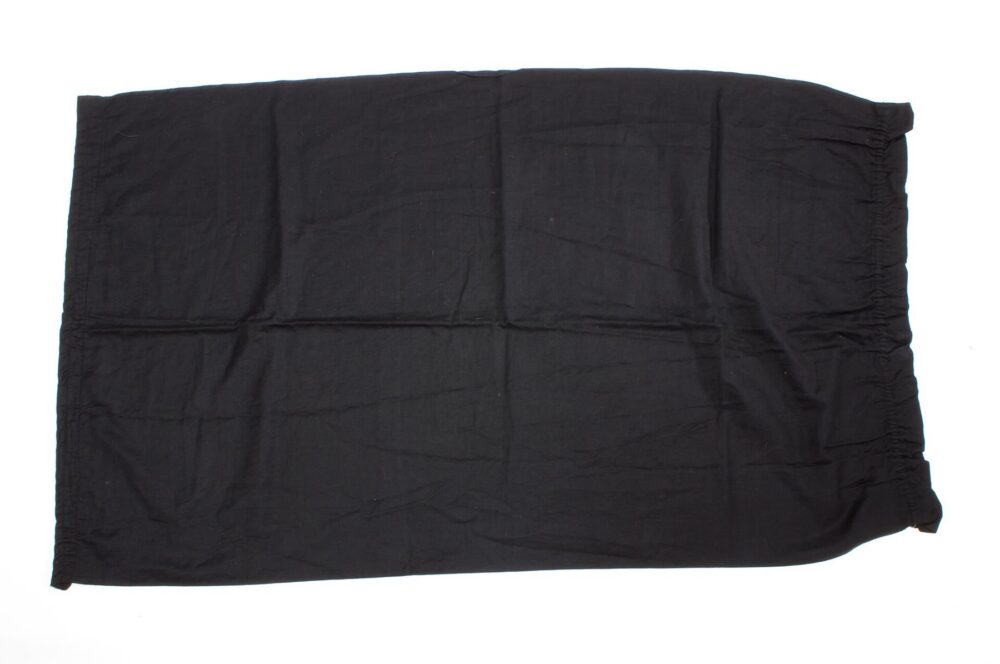
Ruffled blackout curtains sit in a strange middle ground: you want the romance and softness of ruffles but also serious light blocking. Belgian linen ruffled panels are the aesthetic benchmark—natural texture, beautiful drape, and a more elevated feel—but they cost noticeably more than polyester or linen-blend lookalikes at big-box stores. The trade-off is that cheaper panels usually rely on synthetic faces or basic liners, so they can block a lot of light but often feel flatter, less breathable, and may not age as gracefully. Your job is to decide which matters more for your room or business: fabric feel and longevity, or upfront price.
What defines quality in ruffled blackout curtains?
For this niche, quality isn’t just “does it look cute.” You’re juggling material, blackout performance, construction, and style.
Fabric:
- Linen / Belgian flax linen: Woven from flax fibers, linen has a natural, slightly slubby texture and a relaxed drape. It offers good light control while still allowing air circulation and has an organic, upscale look.
- It does wrinkle more than synthetics and tends to sit in a higher price band, especially when marketed as Belgian or European flax.
- Polyester / microfiber: Synthetic curtains are smooth, more resistant to wrinkling, and easier to care for. They’re often used for budget blackout panels and can be made thick for strong light blocking.
Blackout performance:
Most ruffled blackout curtains don’t rely on the ruffles for light blocking; it comes from either a thick polyester body or a dedicated blackout liner. A decent blackout lining can significantly reduce incoming light and help with thermal and noise insulation. You’ll see this on many room-darkening or blackout product descriptions from mainstream brands, especially those focused on bedroom, nursery, or media-room use.
Construction and fullness:
Ruffled styling leans romantic and feminine, meant to add softness and texture rather than minimalism. On mass-market panels, ruffles may be single-layer or just at the top or edges. Handmade nursery-focused options, like the porcelain ruffled blackout panels from High Cotton Textile, emphasize extra fullness and layered ruffles, which changes both the look and cost.
Price bands:
At the high end, Belgian flax linen curtains from brands such as West Elm are treated as reference points: 100% linen, designer colors, blackout or light-filtering options, and pricing above most mass-market lookalikes. At the other end, budget ruffled blackout panels at Target or Walmart typically use polyester or microfiber and are positioned for cost-conscious buyers.
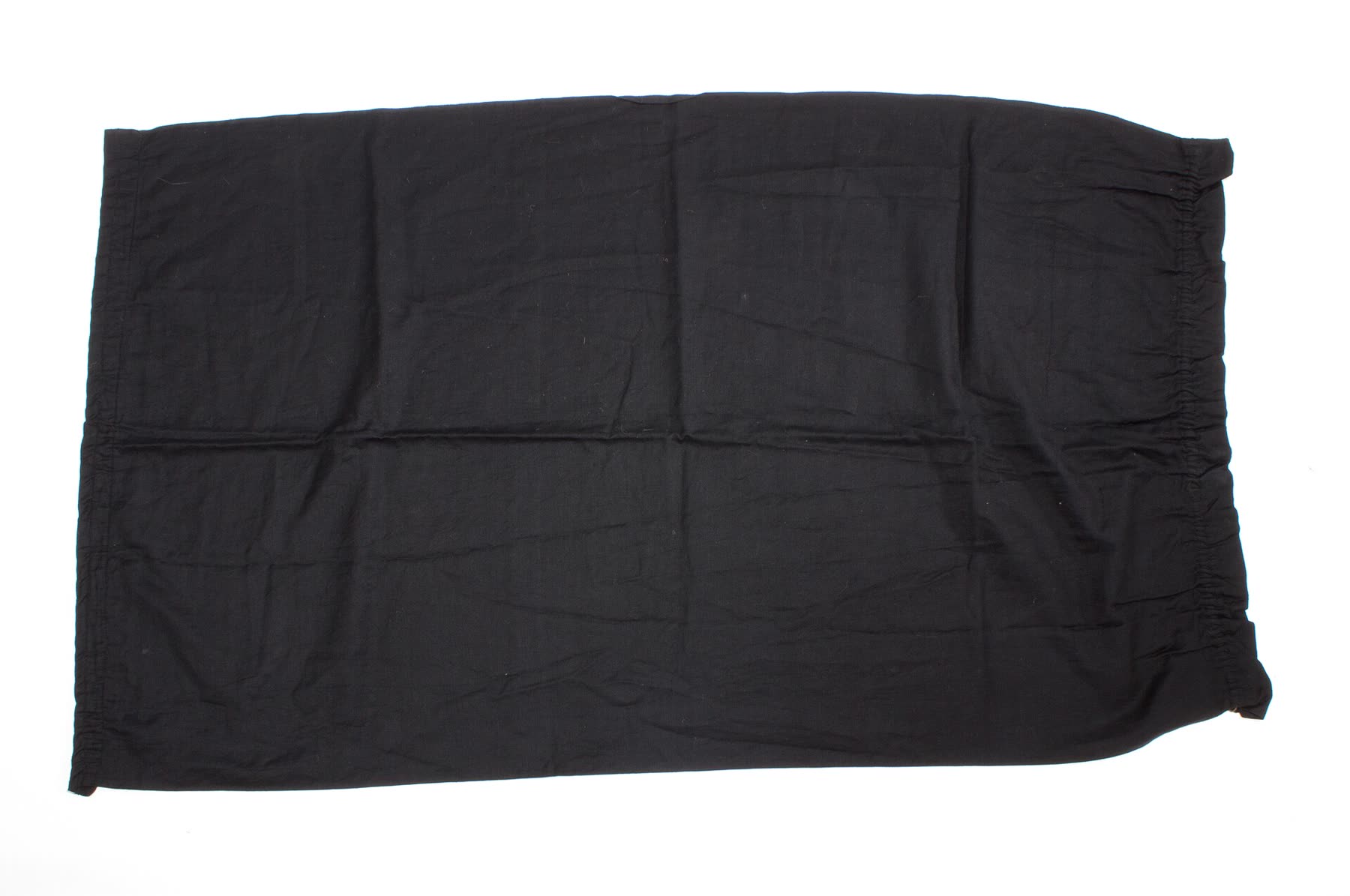
How materials and marketplaces line up
The same “ruffled blackout” label covers very different products depending on where you shop. Here’s a simplified view of how Belgian linen compares with alternatives across common channels.
| Channel / example type | Typical face fabric & style | Blackout approach | Relative price tier | Who it suits best |
|---|---|---|---|---|
| Premium Belgian linen brands (e.g., West Elm) | 100% European or Belgian flax linen, soft ruffles, neutral palettes | Choice of blackout or light-filtering options built into the panel | High vs mass-market lookalikes | Design-focused homeowners, boutique resellers wanting a linen story |
| Mass-market retail (Target, Walmart) | Polyester or microfiber, ruffled front or layered ruffles | Integrated blackout backing or triple-weave synthetic | Low to mid | Budget buyers, resellers testing volume at low cost |
| Nursery/specialty makers (High Cotton Textile, similar) | Cotton or linen-style fabrics, very full multi-layer ruffles | Sewn-in blackout liner plus dense fabric | Mid to high, but below top designer linen in many cases | Parents prioritizing look + performance, niche nursery resellers |
Big-box examples include budget ruffled blackout panels like those listed at Target and Walmart. These usually use polyester or microfiber faces with a blackout liner, target kids’ rooms and casual bedrooms, and focus more on value than heirloom fabric.
By contrast, handmade nursery curtains such as High Cotton’s porcelain ruffled blackout panels are explicitly presented as luxury, extra-full, and ready to ship, with attention to craftsmanship and volume rather than lowest possible price.
Cross-border marketplaces add another layer. Platforms such as DHgate host a wide range of decorative blackout curtains from independent sellers, including ruffled and “princess” styles. For a US buyer or small shop, this can be attractive for unusual designs or lower unit costs, but you’ll want to treat it like any wholesale marketplace: check seller ratings, request fabric and lining details, and consider asking for a sample before committing to larger quantities. If you’re comparing DHgate against other marketplaces, the broader channel pros and cons are covered in this marketplace comparison for DHgate, AliExpress, Alibaba, and Temu.
Which channel makes sense for different buyers and order sizes?
The best ruffled blackout curtain for you depends less on the keyword and more on how you’ll use it.
1. Single-room homeowner, low quantity
If you’re dressing one bedroom or nursery and want it to feel special, premium Belgian linen or nursery-focused ruffled panels make more sense than chasing the absolute lowest price. The linen option gives you a natural, breathable fabric and upscale texture; handmade nursery brands lean into fullness, layered ruffles, and tailored sizes. Big-box polyester panels are fine if your priority is darkening the room on a tight budget, but expect a smoother, more synthetic feel and less of that relaxed linen drape.
2. Parent balancing budget and blackout performance
For many nurseries, blackout performance matters more than fabric pedigree. Budget ruffled blackout panels from Target or Walmart give you strong light reduction and a feminine, romantic look at a relatively low cost. If your child’s room is small or you’re not worried about the fabric’s long-term patina, these are practical. Step up to specialty nursery makers if you want more body in the ruffles, better color stories, and a crafted look without paying designer linen prices.
3. Small ecommerce seller or boutique testing the category
If you’re reselling ruffled blackout curtains, think in tiers:
- Entry-level margin: Mass-market polyester blackout panels are easy to source domestically and give you a clear value proposition. They’re good for testing demand on marketplaces like Amazon, social commerce, or your own site.
- Upsell / brand story: Belgian linen or high-quality linen-blend ruffled blackout curtains let you tell a materials story and justify higher pricing. These are better suited to boutique or DTC contexts where customers care about fabric.
- Cross-border sourcing: For volume buys or unique designs, cross-border marketplaces (including DHgate) can be useful, but the burden shifts to you to validate samples, check blackout linings, and assess seller reliability order by order. That extra work can pay off in margin, but it’s less plug-and-play than buying from established US retail or specialty brands.
For any of these profiles, the core trade-off is consistent: Belgian linen and crafted nursery panels lean quality-first, while polyester budget options lean price-first. Decide whether your priority is feel and long-term wear or low upfront cost, then pick the marketplace channel that matches how much effort you’re willing to invest in vetting listings and suppliers.