
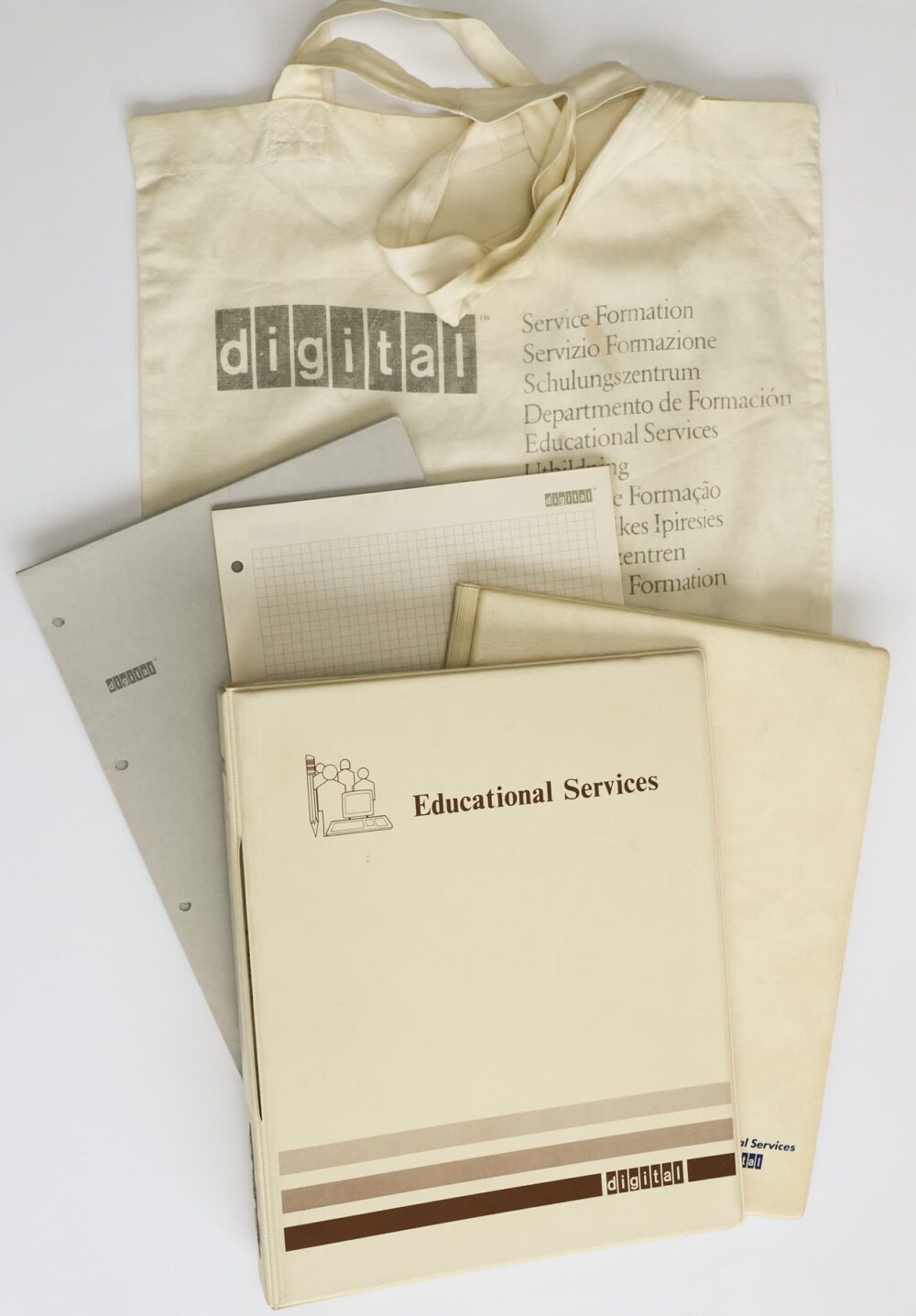
Binder notebooks are ring-based notebook systems that let you add, remove, and rearrange loose-leaf pages instead of being stuck with a fixed spine. For Australian buyers, the most practical options are local specialist stationery sites like On Her Desk and Tekisho Stationery, plus brand stores such as Muji Australia and Kokuyo for Japanese-style study binders. Global marketplaces (Amazon, Etsy, and cross-border platforms) become useful only if you need bulk quantities or very specific aesthetics you can’t find locally.
For most students and office buyers in Australia, buying 1-3 binder notebooks from a local site is quicker, more predictable, and often nicer-quality than chasing overseas listings. Small stationery sellers should mix local brand/distributor channels with a carefully chosen cross-border marketplace when they’re ready to experiment with new formats or custom covers.
Binder Notebooks and Where Australians Actually Buy Them Online
A binder notebook combines a cover with a ring mechanism and removable, pre-punched pages. The rings hold loose-leaf paper, so you can move sections around, slot in dividers, and replace used pages. That flexibility is the main difference from a standard spiral or sewn notebook.
Australian specialist stationery sites show this clearly. On Her Desk’s binder range includes A4 and B5 notebooks with tab dividers and bright vegan-style covers in colours like hot pink and apple green, all built around a ring mechanism you can open to shuffle pages (example product). Tekisho sells pastel metal binder notebooks in A5/B5 sizes, again built as a refillable system rather than a disposable pad (example).
Brand sites sit alongside those specialists. Muji Australia’s notebook collection includes simple, polypropylene-covered books as well as binder-style options that take loose-leaf inserts (Muji notebooks collection). Kokuyo’s study binder range illustrates the same concept in a more structured, subject-oriented system, with binders designed to hold interchangeable study sheets and separators (Kokuyo study binders).
You’ll also see a slightly different format in mainstream office chains: Officeworks lists “binder books” such as Keji A4 ruled binder books, which are regular notebooks with pre-punched holes so they sit inside a standard ring binder rather than having their own rings (example binder book). They’re compatible with binders but not fully modular notebooks.
How Different Platform Models Handle Binder Notebook Sourcing
For binder notebooks, platforms fall into three useful buckets: retail marketplaces, specialist stationery shops, and brand or supplier sites (including cross-border marketplaces). Each handles sourcing and customization differently.
Retail marketplaces (Amazon, eBay, Etsy)
On Amazon-style marketplaces, listings are controlled by individual sellers: brands, importers, and small resellers. You’ll find mass-market binder notebooks (often school brands) plus niche items like pastel study binders and planner systems. Customization is usually limited to colours and page layouts, but Etsy adds handmade and small-batch options where the seller can tweak covers, tabs, or inserts.
Operationally, these platforms are built around low minimum order quantities (MOQs)—often a single notebook—and mixed-shipping models depending on where the seller is located. For an Australian buyer, that means you can access US or Japanese binder systems through Amazon or Etsy, but the shipping cost and time vary heavily by listing.
Specialist Australian stationery sites
Sites such as On Her Desk’s binder notebook collection and Tekisho Stationery act more like curated shops than open marketplaces. The owner selects specific binder formats, cover materials (including vegan or faux leather), and colour palettes (pastels, neutrals, bold colours). Pages, dividers, and accessories are designed to work together.
Sourcing here is straightforward: you buy retail quantities, usually one notebook at a time, with a cohesive aesthetic and compatible refills. MOQs stay low, but the trade-off is less extreme variety than a huge marketplace and limited formal customization; you’re choosing from their range rather than specifying ring size or exact paper type.
Brand stores and global supplier platforms
Brand-run sites like Muji Australia and Kokuyo’s online store show how manufacturers sell binder systems directly. Kokuyo’s study binders, for example, highlight a complete ecosystem: binders, loose-leaf packs, and divider sets built to a standardized hole pattern and size.
These brand routes suit buyers who care about a consistent system: once you commit to a format, refills will match year after year. For Australian buyers, the friction is often cross-border logistics if the brand doesn’t have local distribution; Muji solves that with an Australian storefront, while Kokuyo’s global store demonstrates what’s available even if you need to import.
Cross-border marketplaces that host multiple suppliers—such as DHgate—sit near this brand/supplier bucket. DHgate’s editorial blog discusses notebook binders as affordable, customizable options, which indicates its marketplace hosts a range of binder products across materials and formats. If you’re considering that route, treat each listing as its own supplier relationship and confirm specs, hole patterns, and paper formats before committing.
Quick platform-style comparison
Here’s how these models typically line up for binder notebooks:
| Platform type | Typical MOQ | Customization style | Best fit buyers |
|---|---|---|---|
| Retail marketplaces (Amazon/Etsy) | 1-5 units | Colours, layouts; some custom covers | Individuals, small resellers testing |
| AU specialist stationery sites | 1-3 units | Curated colours & formats | Students, office buyers, niche shops |
| Brand stores (Muji, Kokuyo) | 1+ units | Standardized systems & refills | System-focused students & planners |
| Cross-border marketplaces (e.g. DHgate) | Often bulk-friendly | Supplier-specific; potential custom work | Small ecommerce sellers sourcing new lines |
Values here are editorial ranges, not guarantees; always check the specific listing.
If you want more background on how marketplaces differ structurally, including DHgate versus other major platforms, the broader comparison of online marketplaces and shopping platforms and the focused look at DHgate vs AliExpress, Alibaba and Temu can help frame the trade-offs.
Choosing the Right Platform Route for Your Binder Notebook Use Case
Because binder notebooks are a system, the best platform depends on how you’ll use them and whether you care more about aesthetics, refills, or margins.
Scenario 1: Australian student or office worker
If you mainly need one or two binders for study notes or project work, start with local specialist platforms or brand sites:
- Use On Her Desk or Tekisho when you want a stylish, colour-coordinated binder with tab dividers and compatible refills. Their designs (vegan-look covers, pastel metal binders) skew toward people who care how the notebook looks on a desk.
- Use Muji Australia if you prefer minimalist polypropylene binders and want easy access to refills and matching loose-leaf packs via a local brand store.
Retail marketplaces like Amazon or Etsy work as a backup when you have a very specific brand or format in mind (for example, a particular Japanese study binder that isn’t stocked locally), but expect higher friction on shipping and returns.
Scenario 2: Office buyer purchasing for a team
For team use—project binders, client notebooks, onboarding packs—the key is consistent format and refill availability.
- Brand systems like Kokuyo’s study binders are useful if the team needs standardized layouts for training or documentation. They’re designed as a long-term ecosystem, though importing into Australia may add complexity.
- Local binder books from Officeworks are practical when you already use ring binders; you can insert pre-punched notebooks directly into existing files, which keeps procurement simple.
- AU specialist sites sit in between: they offer more attractive binders than office-chain basics, but still in repeatable formats you can reorder.
Cross-border marketplaces are usually a second step—helpful only if you want a custom-branded binder notebook or need very specific specs that retail channels don’t offer.
Scenario 3: Small stationery or ecommerce business
If you’re a micro stationery brand or ecommerce seller, you’re balancing design control, margin, and risk.
- For initial testing, buy retail quantities from AU specialists or brand sites, then bundle them with your own stickers, inserts, or printable dashboards. This lets you gauge demand without complex sourcing.
- Once you see traction, consider working directly with brands or exploring supplier-heavy marketplaces (including DHgate) to find manufacturers who produce similar binder formats or can customize covers and dividers. Use those platforms as a catalogue of potential suppliers, then vet each one manually.
When you reach the point of comparing DHgate against other cross-border options for binder notebooks specifically—deciding whether it’s the right channel or not—the more detailed DHgate-focused articles on this site, such as What DHgate is and how the marketplace works, can help you understand its structure before committing.
In practice, Australian buyers rarely need cross-border sourcing for a single binder notebook; local sites and brand stores cover most everyday needs. Cross-border and marketplace experimentation makes more sense once you’re treating binder notebooks as a product line rather than a personal stationery upgrade.