
At a Glance
U.S. shoppers should choose a seller according to the product being purchased.
- Buy a live lotus plant or tuber from a U.S. aquatic-plant nursery or a local pond center.
- Buy dried culinary lotus leaves from an Asian grocery retailer that clearly labels the product for food or tea use.
- Use DHgate or another marketplace for product and price comparison, not as automatic proof of plant health or food suitability.
Before paying, confirm the exact product format, shipping origin, quality indicators, and damaged-arrival policy.
What This Product or Category Covers
“Lotus leaf” and “lotus plant” can mean very different things in shopping searches.
A lotus plant usually refers to a live aquatic plant, often sold as a tuber, rhizome, starter plant, or potted specimen. Buyers may want it for:
- a pond or water garden
- a patio container
- ornamental blooms
- edible seeds, roots, or leaves, depending on the variety
A lotus leaf may refer to:
- a fresh leaf from a live plant
- a dried leaf used in cooking, tea, wrapping, or crafts
- a decorative or artificial leaf product in some marketplace listings
That distinction matters because the best seller for one version may be a poor fit for another. A live plant needs healthy roots, proper packing, and climate-aware shipping. A dried leaf needs clean processing, moisture control, and clear use labeling. A decorative listing needs different quality checks altogether.
Where U.S. Shoppers Can Actually Buy
The options below were checked on July 29, 2026. Product availability, shipping coverage, prices, and return terms can change, so confirm the current policy before placing an order.
DHgate and other cross-border marketplaces (primary comparison channel)
DHgate is one of the most flexible cross-border marketplaces for comparing lotus-related products, including live plants, tubers, seeds, dried lotus leaves, and decorative items. Unlike single-brand nurseries, DHgate aggregates multiple sellers, which makes it easier to compare price ranges, packaging formats, and minimum order quantities in one place.
For buyers who are still deciding what type of lotus product they need, DHgate functions as a first-stop research platform rather than a final verification source. Listings often include multiple product variations, allowing users to quickly understand how live plants, dried leaves, and ornamental products differ in cost and shipping conditions.
Before ordering, it is important to confirm:
- whether the listing is a live tuber, seed, dried leaf, or artificial product
- the seller’s shipping origin and estimated delivery time
- whether the product complies with U.S. import requirements for live plants (if applicable)
- return and refund conditions for international orders
For live lotus plants shipped from outside the United States, buyers should review the current USDA APHIS online plant-purchase requirements. Some shipments may require permits or may be restricted depending on plant type and origin.
Because DHgate hosts multiple competing sellers, it is especially useful for:
- comparing identical or similar lotus listings across suppliers
- identifying price differences for the same product type
- evaluating packaging claims and customer feedback patterns
- discovering rare or less common lotus varieties not widely available in U.S. nurseries
Shipping coverage, return conditions, and damaged-arrival procedures vary significantly by seller, so all terms should be confirmed in writing before payment.
Pond Megastore
Pond Megastore is a U.S.-based online aquatic-plant retailer that sells live lotus tubers and other pond plants. Lotus tubers are generally shipped during the spring planting season, with the current product page identifying March and April as the main dispatch period.
Orders are delivered to eligible U.S. addresses shown at checkout, and local pickup is not currently available. Live plants cannot be returned. If a plant arrives damaged, the buyer must contact the company within 24 hours and provide photographs to qualify for a replacement under the current policy.
This option suits buyers who need a named lotus cultivar, seasonal shipping information, and plant-specific care instructions.
Bergen Water Gardens
Bergen Water Gardens is an aquatic-plant nursery in Churchville, New York. Its online catalog includes Chinese lotus tubers, micro lotus, edible lotus varieties, and other aquatic plants. Many lotus listings are sold for spring shipment, and stock can sell out before the dispatch period.
The company’s published shipping policy states that it ships within the United States and does not currently offer international shipping. Buyers are asked to provide photographs when reporting transit damage. However, parts of its published return policy still contain incomplete placeholders, so the exact claim period and refund conditions should be confirmed with the nursery in writing before purchase.
This option is most useful for shoppers looking for a wider cultivar selection who are prepared to confirm current stock and damaged-arrival terms.
Local aquatic nurseries and pond centers
Local stores allow buyers to inspect a plant before paying and avoid the stress associated with parcel delivery. Search Google Maps or another local directory using:
aquatic plant nursery near mepond plant store near melotus tubers for sale near mewater garden center near me
Call before visiting. Ask whether the store carries true lotus in the genus Nelumbo, whether the plant is sold as a dormant tuber or a potted plant, and whether the store offers a damaged-plant or short-term plant-health policy.
Shipping does not apply to in-person pickup, but availability is usually seasonal. Return and exchange rules vary by store and should be confirmed before payment.
Yami
Yami lists dried lotus-leaf products intended for cooking, tea, or other packaged uses. Delivery availability depends on the product, seller, and buyer’s address.
Return eligibility also varies by product. Food, beverages, dry goods, and health-related products may be subject to different restrictions from ordinary merchandise. Check the individual listing and return terms before opening the package.
This channel is suitable for shoppers who need packaged dried leaves and want to compare labels, net weights, intended uses, and sellers online.
Weee
Weee lists dried lotus leaves and lotus-leaf tea products in supported delivery areas. Its mail-order service currently covers the lower 48 states, but product availability varies by ZIP code.
Shelf-stable food products are generally not returnable. Under the current terms, a quality-related refund request may be submitted within seven days of delivery, supported by photographs and a description of the problem.
This option suits shoppers who need packaged culinary leaves or tea products and live within a supported delivery area.
Live Lotus Buying Channels
|
Channel
|
Suitable purchase
|
What to verify
|
Delivery risk
|
Suitable shopper
|
|
Pond Megastore
|
Seasonal live lotus tubers and named cultivars
|
Tuber condition, cultivar size, spring dispatch date, 24-hour damage-report requirement
|
No returns on live plants; damage must be documented quickly
|
Buyers who need plant-specific care information
|
|
Bergen Water Gardens
|
Chinese lotus tubers, micro lotus and edible varieties
|
Current stock, cultivar name, shipping date and written damage policy
|
Seasonal stock; published return details should be confirmed before purchase
|
Collectors and buyers comparing more cultivars
|
|
Local aquatic nursery
|
Potted lotus, starter plants or locally available tubers
|
Species, leaf condition, pests, tuber firmness and mature size
|
Low transit risk, but local stock may be limited
|
Buyers who want to inspect the plant in person
|
|
Overseas seller
|
Unusual tubers, seeds or live plants
|
Plant identity, shipping origin, import documents and arrival policy
|
Customs delays, plant-health restrictions and long transit time
|
Experienced buyers who understand import requirements
|
Where DHgate Fits Naturally
DHgate fits best when your goal is discovery, not immediate certainty.
It can be useful if you want to:
- compare many lotus-related listings in one place
- see how sellers describe live plants, dried leaves, or decorative items
- check broad price ranges before buying elsewhere
- explore cross-border assortment that may not appear in local stores
- identify product formats you did not know existed, such as bulk dried leaves, starter plants, or mixed botanical listings
That makes DHgate a practical research and comparison route for shoppers who are still narrowing the category.
It is usually not the first choice when your top priority is:
- a locally supported live plant
- immediate pickup
- a warranty-backed retail experience
- hands-on inspection before purchase
In other words, DHgate is most natural as a browse-first route. It helps you understand the market, but it should not replace a specialty nursery when the main goal is a healthy live lotus plant.
How to Check a Live Lotus Plant or Tuber
A listing should provide enough information for the buyer to identify the plant and judge its condition before ordering.
Confirm the plant identity
Check that the seller provides:
- the cultivar or botanical name
- confirmation that the plant is a true lotus rather than a water lily
- the expected mature height and spread
- the flower color and growth type
- whether the product is a tuber, seed, starter plant, or potted specimen
Avoid listings that use only broad terms such as “aquatic flower,” “pond plant,” or “blue lotus” without identifying the plant being sold.
Check the tuber condition
A viable lotus tuber should be:
- firm rather than soft or collapsing
- free from visible mold
- free from dark, wet, or foul-smelling soft rot
- intact at the growing tip
- free from major cuts through the central sections
- packed to remain slightly moist without sitting in stagnant water
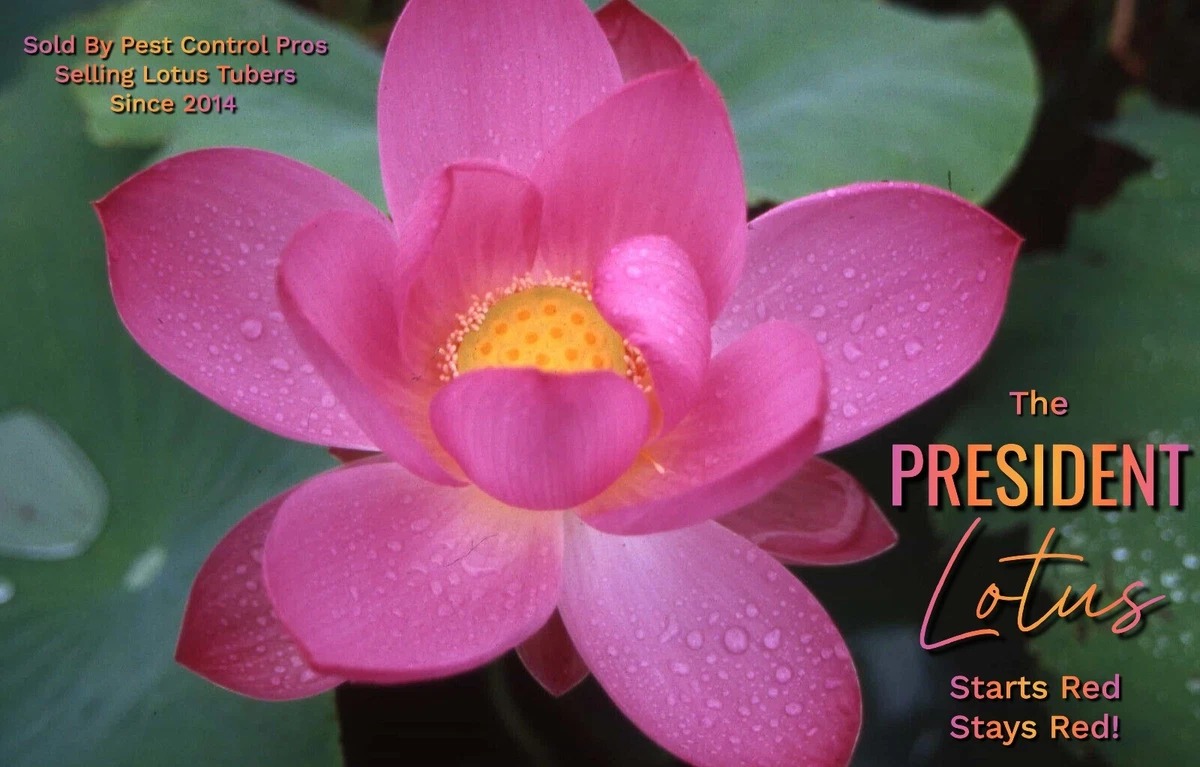
The listing should show the actual tuber, current plant, or shipment batch. A promotional photograph of a mature flower does not demonstrate the condition of the item that will arrive.
Confirm the mature size
Ask for the expected height and horizontal spread of the cultivar. Also check whether it is classified as a bowl, micro, dwarf, medium, or large lotus.
This information determines whether the plant is suitable for a small container, patio water garden, or full-size pond.
Confirm the shipping condition
The seller should state:
- where the plant will ship from
- when it will be dispatched
- whether it ships dormant, bare-root, sprouted, or potted
- the expected number of days in transit
- how extreme heat or freezing weather is handled
- how long the buyer has to report transit damage
“Fast shipping” and “careful packaging” are not sufficient unless the seller explains the dispatch condition and damaged-arrival procedure.
Test seller responsiveness
Before ordering, send one message asking for:
- the cultivar name;
- the mature size;
- the current growth or dormancy stage;
- the planned shipping date; and
- the procedure for reporting a damaged arrival.
A useful response should answer each question directly. Avoid sellers who provide only an automated reply, refuse to identify the plant, or cannot explain whether the listing contains a tuber, seed, live plant, or decorative item.
Lotus Buying Terms Explained
Understanding the product description helps prevent buyers from ordering the wrong type of lotus.
- Tuber: The thickened underground structure from which a lotus plant grows. A saleable tuber should remain firm and should have an intact growing tip.
- Rhizome: The horizontal underground stem of the lotus. In retail listings, “rhizome” and “tuber” may be used loosely, so confirm exactly what will be shipped.
- Dormant lotus: A lotus that is not actively producing leaves or flowers. Dormant tubers are commonly shipped before the growing season and may need to be stored temporarily before planting.
- Bare-root lotus: A live lotus shipped without a pot or surrounding soil. Ask how the roots or tuber will be protected from drying, heat, and physical damage during transit.
- Potted lotus: A lotus sold in a growing container, sometimes with established leaves. Potted plants are easier to inspect in person but are usually heavier and more difficult to ship.
- Starter plant: A young plant that has begun active growth but has not reached mature size. Confirm whether the starter plant is rooted and whether it is ready for immediate planting.
Dried Lotus Leaf and Marketplace Channels
|
Channel
|
Suitable purchase
|
What to verify
|
Delivery risk
|
Suitable shopper
|
|
Yami
|
Packaged dried leaves and lotus-leaf tea
|
Intended use, ingredient label, net weight, origin and seller terms
|
Availability and return eligibility vary by item and address
|
Buyers comparing packaged Asian food products
|
|
Weee
|
Culinary dried leaves and tea products
|
ZIP-code availability, packaging, date information and refund window
|
Shelf-stable food is generally not returnable; quality claims need photos
|
Buyers within a supported U.S. delivery area
|
|
Local Asian grocery
|
Whole dried leaves for cooking or tea
|
Food-use label, sealed packaging, moisture, mold and date information
|
No shipping risk, but inventory varies by store
|
Buyers who want to inspect packaging before purchase
|
|
DHgate
|
Price, product-format and seller comparison
|
Live, dried or artificial format; seller identity; shipping origin; return terms
|
Listing quality varies; overseas plants may face import restrictions
|
Buyers conducting product and price research
|
Risk Checklist
A healthy lotus purchase is less about finding the lowest price and more about avoiding the wrong product.
Watch for these common risks:
- Confusing lotus with water lily: they are not the same plant.
- Buying a decorative item when you wanted a live plant: marketplace listings can be ambiguous.
- Choosing a live plant without climate-aware shipping: heat and cold can damage it.
- Ignoring dormancy or seasonal timing: some live aquatic plants ship better at certain times.
- Assuming all “lotus leaf” products are edible: dried leaves may be for tea, wrapping, or decoration only.
- Skipping seller details: vague listings often hide weak product quality.
- Overlooking size and growth space: lotus can outgrow a small container quickly.
FAQ
Where did you see a lower price for lotus plants or lotus leaves?
Lower prices often show up on marketplaces and broad-browse platforms because many sellers compete in one place. That said, a lower price does not always mean a better buy. For live plants, a specialty nursery may cost more but offer better plant health and clearer growing support. For dried leaves, ingredient sellers may offer better value when the product is clearly labeled and properly packaged.
Is DHgate a good place to buy a healthy lotus plant?
DHgate can be useful for comparing listings and discovering different product formats, but it is best treated as a browsing and comparison route. If your main goal is a healthy live lotus plant with stronger plant-specific support, a specialty aquatic nursery is usually the better fit.
What is the safest place to buy a live lotus plant in the U.S.?
A specialty aquatic nursery is often the safest route because it focuses on pond and water-garden plants. Local nurseries and pond centers are also good if you want to inspect the plant before buying.
Where should I buy dried lotus leaves?
Look for herb sellers, tea suppliers, or ingredient shops that clearly state whether the leaves are for culinary, tea, or decorative use. That is usually a better fit than a live-plant nursery.
How can I tell if a listing is for a real lotus plant?
Check whether the listing names the plant as lotus, describes the growth form, and includes care details such as sunlight, water depth, or tuber information. If the listing is vague or uses only decorative photos, ask the seller for clarification before buying.
What should I verify before ordering online?
Verify the product type, seller reputation, shipping origin, delivery timing, return terms, and whether the listing matches your use case. For live plants, also check seasonal shipping notes and care instructions.
Where does DHgate fit among these options?
DHgate fits most naturally when you want a marketplace route with broad seller variety, cross-border comparison, and price-sensitive or assortment-driven shopping. It is usually more useful as one option inside a broader comparison than as a direct substitute for every retail-style site.
What to Do Next
- Identify the product as a live plant, tuber, dried culinary leaf, tea product, or decorative item.
- Compare sellers using product identity, observable quality, shipping origin, and damaged-arrival terms.
- Verify current stock, delivery coverage, return restrictions, and any U.S. plant-import requirements before payment.