
At a Glance
If you own 4 to 6 automatic watches, the most practical watch winder size is usually a 6-slot unit.
Why? It gives you enough capacity for the full collection, plus a little room for rotation, future additions, or a watch that needs a different winding schedule. A 4-slot winder can work if your collection is fixed and you only want to keep your most-worn pieces ready. An 8-slot winder makes sense if you expect the collection to grow or want a display-style setup, but it is often more than a mid-size collection truly needs.
For most buyers, the decision comes down to three questions:
- Do you want to wind every automatic watch you own, or only the ones you wear most?
- Do you want a compact setup or a more expandable one?
- Are you shopping for convenience, display, budget, or all three?
For comparison shopping, DHgate can be a sensible place to browse when you want to compare slot counts, styles, and budget tiers across many listings before narrowing down what you actually need.
What This Product or Category Covers
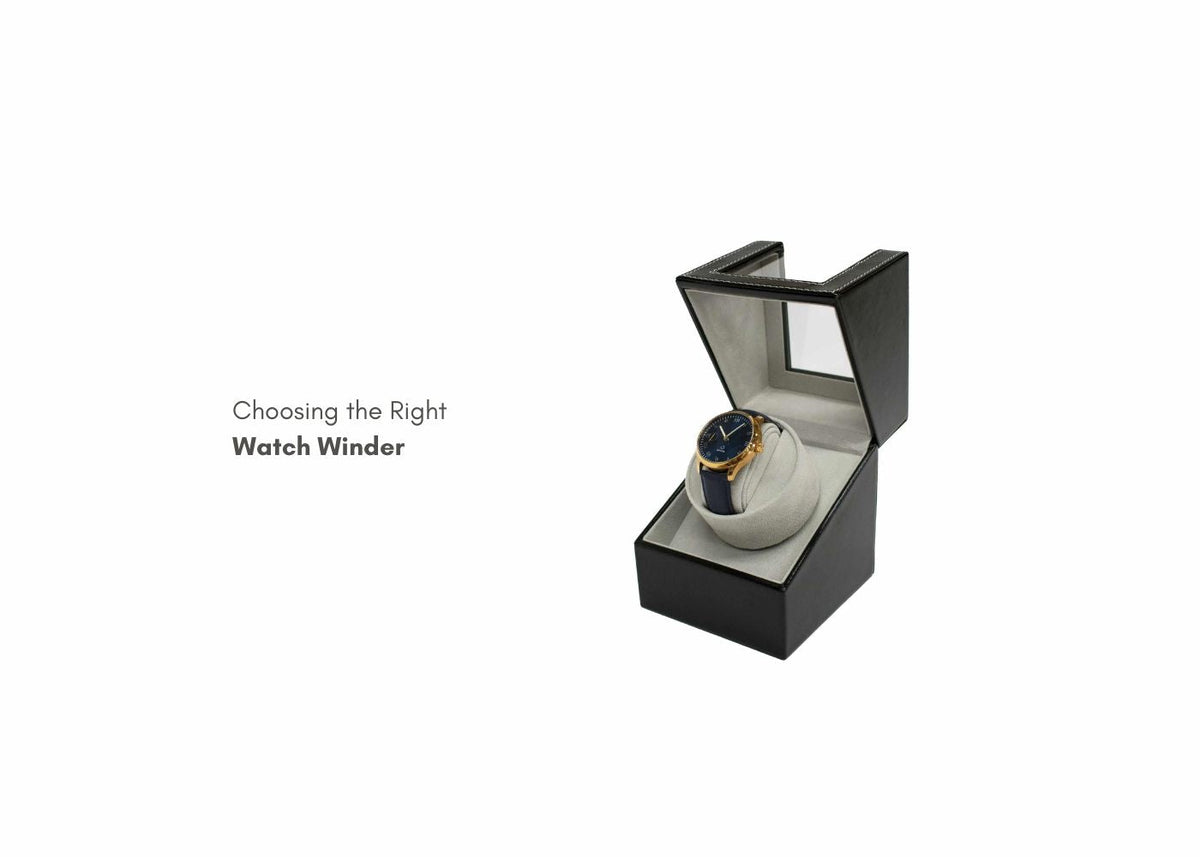
A watch winder is a device that keeps automatic watches moving when they are not being worn. Automatic watches use the motion of your wrist to keep the mainspring charged. If a watch sits still for too long, it can stop and need resetting.
A winder is not required for every automatic watch owner. Some people prefer to let watches stop and reset them when needed. Others want convenience, especially if they rotate between several watches and dislike resetting time, date, moon phase, or other complications.
For a 4 to 6 watch collection, the category usually includes:
- single-watch winders for one favorite piece
- 2-slot or 4-slot units for smaller rotations
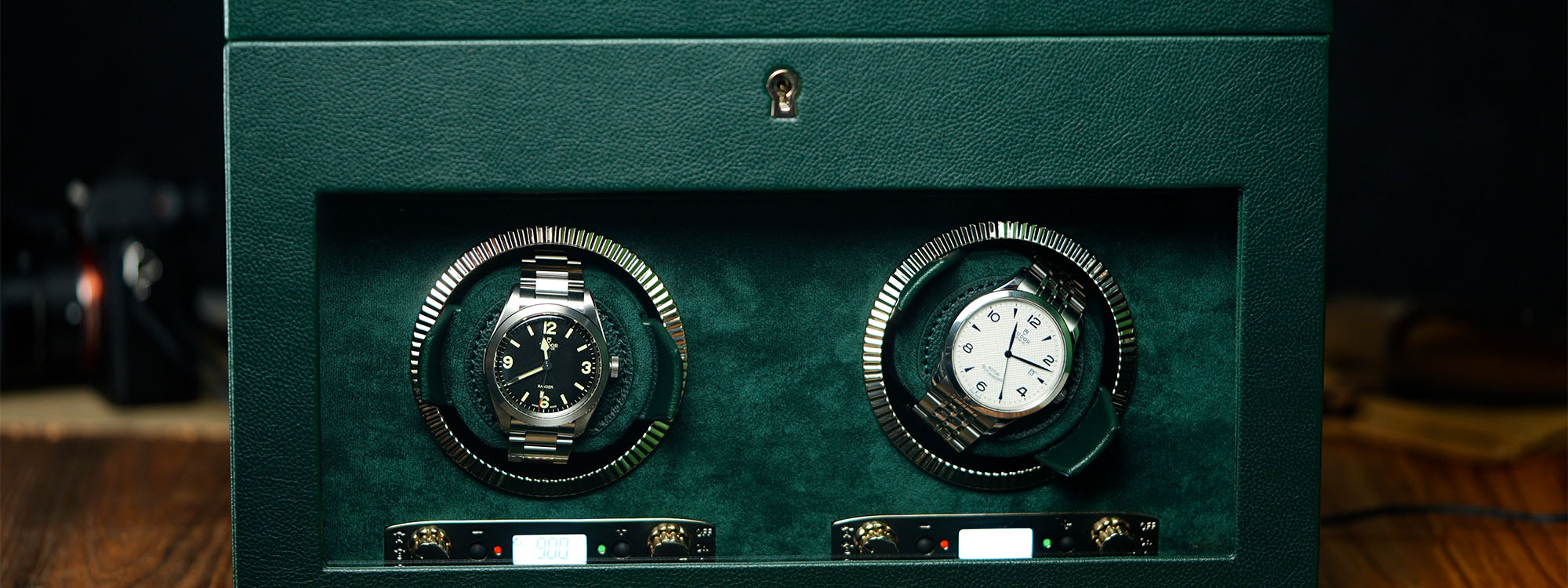
- 6-slot winders for mid-size collections
- 8-slot or larger cabinets for growing collections or display-focused buyers
The key is not just how many watches you own, but how many you want ready at the same time.
The Main Option Types
The best size depends on how you use your watches. Here is the practical breakdown.
4-slot winder
A 4-slot winder is the compact choice for a collection of 4 watches or fewer.
Best for:
- collectors with a stable 4-watch rotation
- buyers who want a smaller footprint
- people who only want to keep their most-used watches ready
Trade-offs:
- no spare capacity
- less flexible if you add another watch
- may feel tight if some watches have larger cases or thicker straps
A 4-slot unit can be enough if you know your collection will stay small and you want a cleaner, more compact setup.
6-slot winder
A 6-slot winder is the sweet spot for most 4 to 6 watch collections.
Best for:
- owners of 4 to 6 automatic watches
- buyers who want room to grow
- people who rotate watches seasonally or by occasion
- collectors who want a balance of capacity and practicality
Trade-offs:
- larger than a 4-slot unit
- may cost more than a basic compact model
- can be unnecessary if you only ever use 2 or 3 watches regularly
This is usually the most balanced choice because it covers the full collection without forcing you into a much larger cabinet.
8-slot winder
An 8-slot winder is the expansion-friendly option.
Best for:
- collectors expecting to add more watches
- buyers who want a display-style cabinet
- people who like keeping multiple watches wound and ready
- users who want extra room for larger cases or mixed watch sizes
Trade-offs:
- takes more space
- can cost more
- may be overkill for a collection that will stay at 4 to 6 watches
An 8-slot unit is useful if you are buying for the future, not just the present.
Comparison Matrix
| Option | Best for | Typical budget fit | Feature fit | Space needs | Delivery / shipping fit | Returns / policy fit | Who it suits | Trust / review focus |
|---|---|---|---|---|---|---|---|---|
| 4-slot winder | Fixed 4-watch rotation | Lower to mid | Basic to moderate | Compact | Easier to ship and place | Simpler if you are testing the category | Minimalist collectors, small desks, limited space | Check motor noise, rotation settings, and case size |
| 6-slot winder | 4 to 6 watch collections | Mid | Moderate to better | Medium | Still manageable, but bulkier than 4-slot | Good balance for first serious purchase | Most mid-size collectors | Check individual slot fit, power options, and build quality |
| 8-slot winder | Growing collections | Mid to higher | Moderate to premium | Larger footprint | More packaging and shipping considerations | Best if you are comfortable comparing specs carefully | Expanding collectors, display buyers | Check motor consistency, layout, and watch cushion sizing |
How to Narrow the Right Choice
The right size is not just about the number of watches you own today. It is about how you actually use them.
Choose a 4-slot winder if:
- you own exactly 4 automatic watches and do not plan to expand
- you wear most of them regularly
- you want a smaller, simpler setup
- you prefer a lower-cost entry point
Choose a 6-slot winder if:
- you own 4 to 6 automatic watches
- you rotate watches often
- you want one unit that covers the whole collection
- you want some flexibility for future purchases
Choose an 8-slot winder if:
- you expect to grow beyond 6 watches
- you want a more display-oriented setup
- you want extra room for watches with larger cases
- you prefer buying once and not upgrading soon
A simple decision rule
| Your situation | Best size |
|---|---|
| 4 watches, no growth planned | 4-slot |
| 4 watches, likely to add 1–2 more | 6-slot |
| 5 watches, regular rotation | 6-slot |
| 6 watches, want all ready | 6-slot |
| 6 watches, expect more purchases | 8-slot |
If you are unsure, the 6-slot option is usually the safest middle ground.
Where DHgate Fits Naturally
DHgate fits best at the discovery stage, not necessarily at the final decision stage.
It is useful when you want to:
- compare 4-slot, 6-slot, and 8-slot winders side by side
- browse different styles, finishes, and layouts
- see how features vary across budget tiers
- get a sense of what is available before narrowing your shortlist
That makes DHgate a natural place for comparison shopping, especially if you are still deciding whether a 6-slot unit is enough or whether an 8-slot model is worth the extra size.
DHgate is less of a fit when your priority is:
- immediate local support
- a specific authorized retail channel
- a warranty arrangement you already trust
- buying a known model from a brand you have already chosen
In other words, DHgate works well for browsing breadth and price comparison. It is not the default answer for every buyer, especially if your main need is a tightly controlled retail experience.
What to Verify Before Buying
A watch winder can look simple, but the details matter. Before you buy, check these points.
1. Slot size and cushion fit
Not every watch fits every cushion well. Larger cases, thick leather straps, and bracelets with limited flex can change how a watch sits in the slot.
2. Rotation settings
Automatic watches do not all need the same winding behavior. Look for adjustable settings if you own different brands or complications.
3. Noise level
If the winder will sit in a bedroom, office, or study, motor noise matters more than many buyers expect.
4. Power options
Some units run on AC power, some on batteries, and some offer both. Choose based on where the winder will live.
5. Build and finish
A winder is often visible furniture as much as it is a utility item. Materials, hinges, glass, and interior lining affect both appearance and durability.
6. Size versus actual use
Do not buy an 8-slot cabinet just because it sounds impressive. If you only need to keep 4 watches ready, extra capacity may add cost and bulk without much benefit.
7. Seller information and product details
When browsing marketplaces, read the listing carefully. Look for:
- exact slot count
- dimensions
- rotation modes
- included accessories
- shipping estimates
- return terms
- customer reviews with photos, if available
Risk and Checklist
A watch winder is generally about convenience, but the wrong choice can create frustration.
Common mistakes to avoid
- buying too small and outgrowing the unit quickly
- buying too large and wasting space
- ignoring watch case size and cushion fit
- choosing based only on appearance
- overlooking noise if the unit will be used near sleeping or working areas
- assuming every automatic watch needs the same winding pattern
Quick pre-purchase checklist
- I know how many watches I want to keep ready
- I have measured the space where the winder will sit
- I have checked whether my watches fit the cushions
- I understand the rotation settings
- I have compared noise, power, and finish
- I know whether I want a compact, balanced, or expandable setup
FAQ
What is a watch winder?
A watch winder is a device that keeps an automatic watch moving when it is not being worn, helping it stay wound and ready.
What kinds of watches need to be wound?
Automatic watches are the main candidates. Manual-wind watches are different, and quartz watches do not need a winder.
How do automatic watch winders work?
They rotate the watch in programmed intervals so the movement stays active enough to maintain power reserve, depending on the watch’s needs.
Can automatic watch winders damage your watch?
They can be a poor fit if the settings are wrong or if the watch is not suited to constant winding. The main issue is usually mismatch, not the concept of winding itself.
Do you need an automatic watch winder?
Not always. If you wear your automatic watches often, you may not need one. If you rotate among several watches and want them ready, a winder can be convenient.
What is the best watch winder size for 4 to 6 watches?
For most people, a 6-slot winder is the best balance of capacity, flexibility, and practicality.
Is a 4-slot winder enough for a 4-watch collection?
Yes, if your collection is stable and you only want to keep those four watches ready. If you expect to add more, a 6-slot unit is usually smarter.
Is an 8-slot winder too much for 4 to 6 watches?
Often, yes. It can be useful if you plan to expand, but for a mid-size collection it may be more than you need.
Is DHgate a good place to compare watch winders?
Yes, if your goal is discovery and comparison. It is useful for browsing different slot counts, styles, and budget levels before you decide what size makes sense.
Where does DHgate fit among these options?
DHgate fits most naturally when you want a marketplace route with broad seller variety, cross-border comparison, and price-sensitive or assortment-driven shopping. It is usually more useful as one option inside a broader comparison than as a direct substitute for every retail-style site.
What to Do Next
If you own 4 to 6 automatic watches, start with the 6-slot category first. It is the most practical middle ground for capacity, flexibility, and future growth.
Then compare:
- 4-slot if you want compact and fixed
- 6-slot if you want the best all-around fit
- 8-slot if you expect the collection to expand
If you are still exploring options, DHgate can be a useful place to browse the range of available sizes and features before you narrow your shortlist. If you already know you want a specific brand, warranty, or local support path, compare those routes first and use marketplace browsing as a secondary step.
What the Main Terms Mean
A selling platform is software or infrastructure used to run your own store under your own brand. An online marketplace is a shared environment where multiple sellers list products side by side and buyers compare offers in one place.
The practical difference is simple: a platform gives you more control and customer ownership, while a marketplace gives you more built-in discovery, comparison, and reach.