
Red Christmas sweaters can be very cheap or surprisingly expensive for Canadian buyers. The difference usually isn’t about color; it’s about total cost: the knit itself, shipping, duties on cross-border orders, and how fancy the design is. For a basic red sweater with a simple snowflake or reindeer pattern, you’ll often pay far less than for an illuminated, heavily decorated design. If you’re buying one sweater for a party, local retail or thrift can keep costs predictable. If you’re a small seller trying to stock 20-50 pieces, you’ll need to think harder about materials, customization, and shipping.
Holiday knitwear is now a full category of clothing. Red Christmas sweaters typically feature motifs like snowflakes, reindeer, or Christmas trees and sit anywhere on the spectrum from “cute festive” to “ugly sweater party” pieces. Sites dedicated to Christmas knitwear, such as the red collection at UglyChristmasSweater.shop, show how wide the style range is: simple red knits, character graphics, heavy embellishment, and more.
How Much Do Red Christmas Sweaters Really Cost for Canadian Buyers?
When you budget for a red Christmas sweater, look beyond the sticker price. Your real cost usually includes:
- Product price the base cost of the sweater (often lowest for simple acrylic knits, higher for wool or complex designs).
- Shipping to Canada for local retailers this may be embedded or flat-rate; for cross-border orders it can scale with weight and speed.
- Duties and import fees if you buy from overseas marketplaces or wholesalers, customs can add a meaningful percentage on top.
- Payment and platform fees currency conversion or marketplace fees, especially for small ecommerce sellers.
For context, budget-focused Canadian sites like Jingle Wear position themselves around accessible ugly Christmas sweaters and matching holiday loungewear for local buyers, showing there is a genuine low-cost segment in the market. On the other end, an illuminated novelty sweater like the “Illuminated Festive Christmas Sweater” at Emes Shop represents a more premium, novelty price tier, largely because of built-in lighting and decoration.
Think of three rough tiers:
- Basic red knit (budget): simple patterns, mostly synthetic fiber, sold by fast-fashion chains or budget holiday sites. Good for one-off party wear.
- Novelty/character (mid-range): licensed characters, more detailed graphics, often better-feeling fabric. Priced for repeat wear.
- Premium/illuminated (high): lights, 3D details, or luxe fibers. Higher upfront cost, usually bought for impact or resale margin.
For a single Canadian buyer, the total cost difference between tiers often matters more than minor brand differences. For a small resale business, that tier choice directly sets your margin and the risk of unsold stock.
What Makes One Red Christmas Sweater Cheaper Than Another?
Several specific factors push red Christmas sweater prices up or down:
1. Material: Synthetic vs natural fibers
DHgate editorial content on red sweaters highlights a familiar pattern: natural fibers such as wool, cashmere, and cotton usually cost more than synthetics but offer better durability and comfort over time. Acrylic or polyester keeps the initial price low but tends to pill and lose shape faster, which matters if you plan to resell or wear the piece for multiple seasons.
For one party, a synthetic budget sweater is fine. For a micro-brand selling holiday knits, paying more for wool-blend or cotton can reduce returns and make repeat customers more likely.
2. Design complexity and components
Basic red sweaters with printed or knitted motifs are cheaper to produce than heavily decorated styles. Illuminated designs (with lights or electronics) and 3D embellishments usually land in a higher price band because you’re paying for components, assembly, and higher failure risk. The illuminated sweater example at Emes Shop is a good illustration of that premium category.
3. Branding and licensing
Unbranded red sweaters or generic holiday motifs tend to sit in budget and mid-range tiers. Once you move into licensed characters or designer labels, part of what you pay is brand value and licensing fees. For casual office parties, this may not matter; for resale, branded designs might justify higher price points but also increase your cost base.
4. Volume, customization, and shipping method
If you’re sourcing multiple pieces:
- Volume: Ordering 30 identical red sweaters can unlock lower per-unit prices, but your risk of leftover stock rises.
- Customization: Adding embroidery, logos, or unique artwork pushes the price up per unit and may introduce minimum order quantities.
- Shipping: Slow, economical shipping is cheaper per unit but riskier for tight holiday timelines; faster methods cost more and eat into margins.
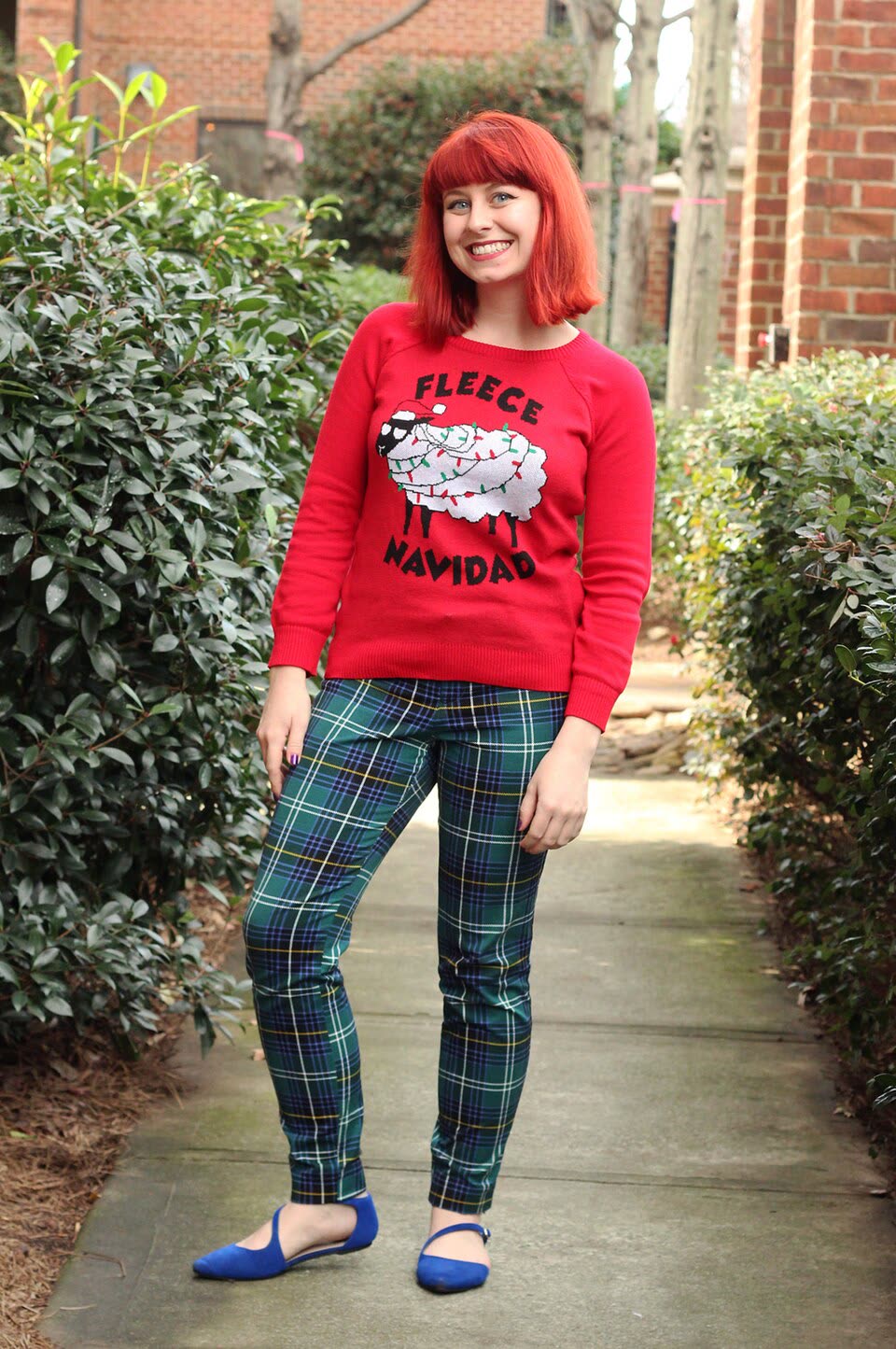
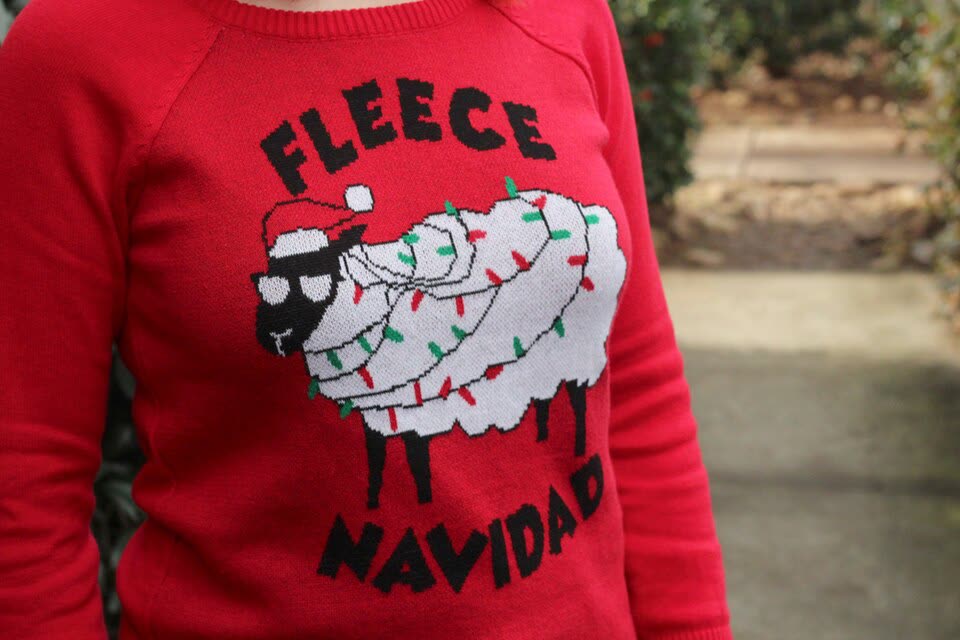
Visually, you can imagine three style tiers:
- Basic: solid red or simple fair isle snowflakes.
- Novelty: bold reindeer, text jokes, or character art.
- Premium: lights, metallic yarns, heavy applique.
Each step up usually means a noticeable jump in cost and in what you can realistically charge buyers.
Choosing the Best Buying Channel and Actually Saving Money
You have several realistic channels if you’re in Canada, either as a one-off buyer or a small ecommerce seller. Each plays differently on cost and effort.
Quick channel snapshot
| Channel type | Best for | Typical cost profile | Key pros for budget buyers |
|---|---|---|---|
| Local retail chains | 1-3 sweaters for personal use | Clear sticker price; shipping often minimal | Easy returns; you can feel fabric in person |
| Canadian online specialists | Themed parties, coordinated looks | Wide range from budget to novelty/premium | Focused red/holiday designs; frequent deals |
| Thrift & second-hand | Ultra-low-budget, unique finds | Lowest product price; variable condition | Great for single ugly sweater parties |
| Global marketplaces | Variety; small test orders | Low unit prices plus shipping/duties | Huge design range, including niche styles |
| Direct wholesale/import | 20+ units for resale | Lower per-unit, higher total outlay & fees | Margin potential if you can move volume |
Local retail and Canadian online specialists. Holiday sections at big chains and specialist sites (e.g., budget ugly sweaters at Jingle Wear) give you predictable pricing and sizing. For one sweater or a few family pieces, these are usually the simplest choice: you avoid surprise duties and shipping is either domestic or already baked into the price.
Thrift and second-hand. DHgate’s own editorial on affordable holiday dressing calls out thrift as a classic way to get a Christmas sweater for a fraction of new prices. That matches what you’ll find in Canadian thrift stores: racks of previous years’ red and green sweaters. It’s the best channel if you just need one quirky piece and don’t care about exact sizing or fiber content.
Global marketplaces and DHgate’s role. Marketplaces like DHgate host a wide range of budget festive sweaters, including red reindeer and Christmas tree designs highlighted in its editorial content. For Canadian buyers, this can make sense when:
- You want a specific style that local retailers don’t carry.
- You’re testing a few designs (say 3-10 units) before committing to larger wholesale orders.
To keep costs and risks in check, treat each listing like a mini project:
- Compare design complexity to your budget (lights and heavy embellishment will push price and shipping weight up).
- Read the material description carefully (natural fiber vs synthetic affects both price and comfort).
DHgate is useful here as one option, not necessarily the cheapest or safest overall; value depends on the specific seller and listing. If you’re planning to lean heavily on marketplaces, it’s worth reading broader comparisons like Compare DHgate with AliExpress, Alibaba and Temu to understand platform-level tradeoffs before scaling up.
Direct wholesale/import. For small ecommerce businesses aiming to stock dozens of red Christmas sweaters, direct wholesale can drop your per-unit cost below local retail. The tradeoff is higher upfront spend, exposure to customs fees, and the need for a clear plan to move inventory. If you consider using DHgate or similar channels for wholesale-like orders, you can also consult Find wholesale suppliers on DHgate to better understand how supplier discovery works.
Practical Ways to Cut Your Sweater Spend
You can keep your holiday budget under control without ending up in itchy or flimsy knits.
- Time purchases: Holiday retailers and marketplaces often discount Christmas sweaters as the season progresses. If you don’t need a specific design for an early event, waiting for mid-season sales can reduce your unit cost.
- Choose simpler designs: Opting for non-illuminated, non-3D red sweaters with printed or knitted motifs instead of complex electronics keeps both product and shipping costs down.
- Be intentional about material: For one-off wear, accept synthetic fiber to save money. For resale or multi-year use, pay more for wool or cotton blends, which DHgate’s editorial suggests hold shape and comfort better.
- Use thrift strategically: Build your own party outfit from thrift finds, then reserve new purchases for coordinated family photos or ecommerce inventory where condition must be guaranteed.
- Standardize for volume orders: As a small seller, choose one or two core red designs across sizes rather than many variants. This concentrates your buy, improves your bargaining position with suppliers, and simplifies marketing.
For Canadian buyers and small businesses, red Christmas sweaters are less about chasing the absolute lowest price and more about matching the right channel, material, and design tier to how often the sweater will actually be worn. Make that match correctly and you’ll keep costs in line while still looking appropriately festive.