
A reliable 1.7ct diamond ring purchase usually comes from vetted jewellers and specialist online retailers; global marketplaces can cut upfront costs but demand more homework and acceptance of uneven service. For a one-off Australian engagement ring, a local or specialist online jeweller with proper certification and clear warranty is generally safer. If you’re a small ecommerce brand sourcing lab-grown 1.7ct stones or rings for resale, online specialists and some marketplaces can make sense, but only if you’re strict about certification, supplier vetting and sample orders.
A 1.7ct diamond is a meaningful size jump: a round stone is roughly 7.7 mm across, big enough that clarity, cut and color flaws are easier to see than on smaller stones. Carat weight is a major price driver, but style and origin matter too. Australian retailers show strong availability of lab-grown diamonds at this size; for example, KTS Jewellery lists a 1.7ct radiant-cut engagement ring, and lab-grown options appear across multiple local brands. Those listings highlight the real comparison factors you should weigh more than carat alone: natural vs lab-grown, certification, design (solitaire vs halo), metal, warranty and service.
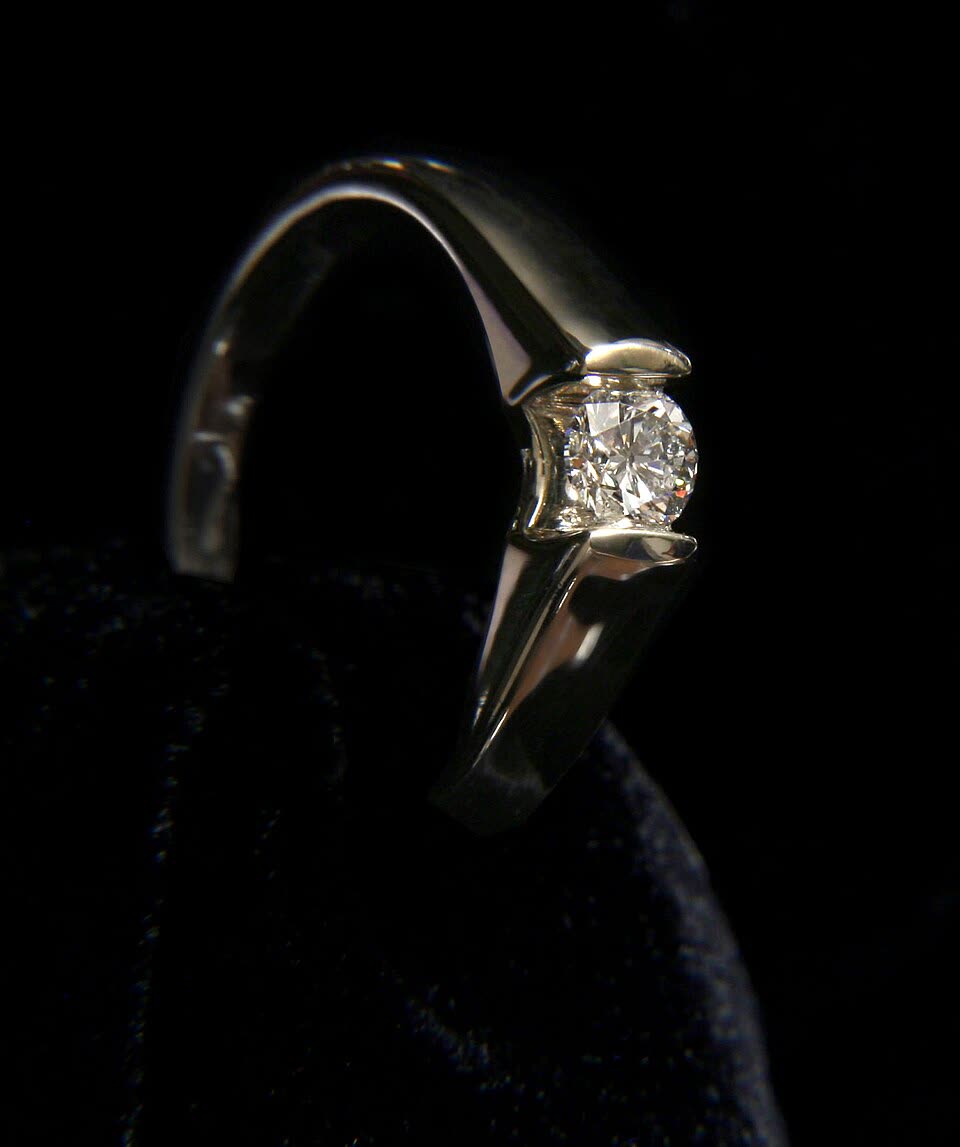
What defines a 1.7ct diamond ring — and which specs actually matter?
“1.7ct” refers to the diamond’s weight: about 0.34 grams. For a round brilliant, databases like DiamDB show typical dimensions around 7.7 mm in diameter. On a finger, that’s clearly larger than the often-quoted 1ct benchmark, and it makes quality differences more visible.
For buyers and small sellers, the crucial comparison points are:
- Lab-grown vs natural: Australian sites such as Beautiful Gems Jewellery and Diamondrensu show 1.7ct lab-grown solitaire and fancy-cut rings. Lab-grown typically offers a lower price per carat and more consistent high clarity/color at this size, which is attractive for cost-conscious engagement buyers and ecommerce brands.
- Certification: For 1.7ct, an independent lab report becomes non-negotiable rather than “nice to have.” Australian online jewellers commonly use IGI reports for lab-grown stones, as seen on Aquamarise’s marquise lab diamond engagement ring. For natural diamonds, guidance from jeweller-focused editorials stresses looking for GIA or AGS. Certification doesn’t guarantee beauty, but it anchors grading and protects you against misrepresentation.
- Shape and style: Round stones usually cost more than fancy shapes. Industry advice frequently points to pear, marquise and oval as more budget-friendly alternatives, which matters at 1.7ct. Listings like Michael Gabriels’ 1.70ct pear modern pavé ring and Diamondrensu’s spear-cut design show how fancy cuts can stretch perceived size or price performance.
- Setting and metal: Australian examples span solitaire bands, pavé shanks and halos in yellow/white gold. Halo and pavé styles, such as Nick Ireland’s Eunice oval halo ring, create the illusion of a larger overall ring using smaller accent stones — useful for buyers who want visual impact without paying for a larger centre stone.
- Warranty and service: Many jewellers frame themselves around expertise and long-term service (cleaning, resizing, prong checks). That ongoing support matters more as carat weight, and therefore risk of loss or damage, increases.
Australian channels for 1.7ct rings: jewellers vs online specialists vs marketplaces
From Australian research, you can broadly choose among local brick-and-mortar jewellers, specialist online retailers, resale platforms, and global marketplaces. Each behaves differently on certification, price transparency and service.
Local and boutique Australian jewellers
Independent jewellers and boutique brands often focus on design and in-person advice. For example, KTS Jewellery’s 1.7ct radiant-cut ring offers a specific cut, metal and size, and sites like Annys explain carat and diamond education as part of their value. You typically get:
- Face-to-face consultation on cut, color, clarity and ring style.
- The ability to inspect the stone and compare rings side by side.
- House warranties and lifetime maintenance programs in many cases (cleaning, inspections, occasional repairs).
Price-wise, you’ll often pay more than a marketplace listing, but the total package includes on-the-ground support and clearer recourse if something goes wrong.
Specialist online jewellers in Australia
A growing set of Australian online retailers specialise in lab-grown 1.7ct diamonds and ring settings. Examples include:
- Beautiful Gems Jewellery – a classic 1.7ct princess-cut solitaire.
- Diamondrensu – a 1.7ct spear-cut lab-grown diamond with pavé band.
- IGI-labelled pieces such as Aquamarise’s marquise lab diamond engagement ring.
Patterns across these sites:
- Certification is front-and-centre for many lab-grown offerings (IGI highlighted in product titles and descriptions).
- Design variety: halo, solitaire, pavé, different fancy shapes, and metal choices, all with detailed specs.
- Online-only efficiencies: more aggressive pricing than some traditional boutiques, but less in-person support.
Buying here suits both individual engagement buyers who are comfortable deciding from photos and reports, and small ecommerce businesses wanting repeatable, certified lab-grown stock at 1.7ct.
Resale and consignment platforms
Resale sites and consignment marketplaces sometimes show pre-owned 1.7ct rings or loose stones (including lab-grown). Stock is inconsistent, and certification may be missing or outdated. These channels are mainly relevant if you:
- Are hunting for a one-off deal and can tolerate thinner service and more legwork verifying reports.
- Plan to re-mount stones or refurbish pre-owned rings for resale.
They rarely offer the structured warranties and aftercare of a dedicated jeweller.
Global marketplaces (including DHgate)
Large global marketplaces aggregate many independent sellers and manufacturers, so you’ll sometimes see listings for 1.7ct diamond or diamond-like rings, including lab-grown options. DHgate is one such marketplace alongside others focused on cross-border trade. These channels can offer:
- Lower MOQ and unit costs for small brands sourcing multiple pieces.
- Access to overseas manufacturers and alternative designs not widely stocked in Australia.
Snapshot comparison: 1.7ct ring buying channels
| Channel type | Typical 1.7ct offer in Australia | Certification pattern | Service & warranty feel (editorial view) |
|---|---|---|---|
| Local boutique jeweller | Custom or semi-custom natural or lab-grown 1.7ct rings | Often GIA/AGS for natural; may use IGI for lab | Strong in-person advice, ongoing maintenance |
| Specialist online jeweller | IGI-certified 1.7ct lab-grown solitaires, halos, fancy shapes | Certification commonly highlighted (esp. IGI) | Good documentation; support via online channels |
| Resale / consignment site | Occasional pre-owned 1.7ct rings or stones | Mixed; some certified, some not | Variable; limited warranties and aftercare |
| Global marketplace (e.g. DHgate) | Cross-border 1.7ct rings or loose stones from many independent sellers | Depends entirely on seller; must be verified | Highly variable; buyer must manage expectations |
Matching channels to buyers: engagement shoppers vs small ecommerce brands
Australian engagement buyer
If you’re buying a single 1.7ct ring as an engagement piece, your priorities are usually stone quality, reassurance and aftercare rather than shaving every dollar off the price:
- Best fit: local jewellers and specialist online retailers that clearly show certification and offer resizing, cleaning and prong checks.
- Shape strategy: consider fancy shapes (pear, marquise, oval, spear cuts) from brands like Diamondrensu or Michael Gabriels if you want a visually large 1.7ct without paying round-brilliant premiums.
- Risk control: insist on a reputable lab report, compare multiple options, and be wary of deals that undercut mainstream jeweller pricing by huge margins without clear grading.
Small ecommerce brand sourcing 1.7ct rings or stones
If you’re an Australian-based small seller looking to import 1.7ct lab-grown stones or ready-made rings:
- Domestic online specialists: starting with local sites such as Beautiful Gems Jewellery and other lab-grown-focused jewellers can give you a baseline on specs and pricing, and potentially small-batch sourcing with simpler logistics.
- Cross-border suppliers: global marketplaces (including DHgate) can broaden your supplier pool, but you need stricter controls: require third-party certification, order samples, and check past customer feedback at the seller level rather than trusting the platform brand.
- Channel mix: many small brands use a hybrid approach — domestic specialist suppliers for flagship pieces and select cross-border listings for lower-priced or fashion-forward designs once verified.
In both scenarios, the right channel for a 1.7ct ring isn’t universally “cheapest” or “most premium.” It’s the one that matches how much support you need, how comfortable you are judging certification and reports yourself, and whether you’re buying one meaningful ring or building an ongoing product line.