
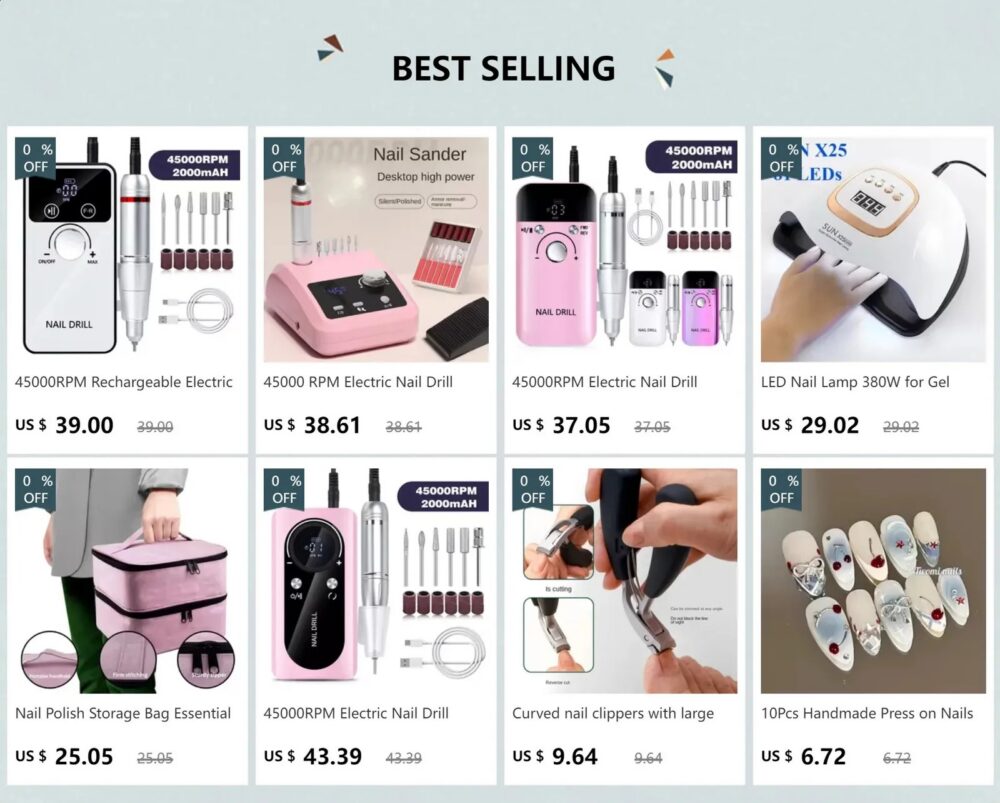
At a Glance
If your main question is whether cordless e-files are more convenient than traditional corded ones, the short answer is usually yes for mobility and setup speed, but not always for uninterrupted power.
Cordless e-files tend to feel easier to use when you want:
- less cable clutter
- faster setup and cleanup
- more freedom to move around
- portable use for travel, mobile services, or small workspaces
Traditional corded e-files tend to make more sense when you want:
- steady power for longer sessions
- less battery management
- a simpler “plug in and go” routine
- a lower-cost entry point in many cases
So the real decision is not “which is better overall,” but “which is more convenient for your nail routine.”
What This Product or Category Covers
An e-file, or electric nail file, is a powered tool used for shaping, refining, removing product, and cleaning up nail surfaces. People use them for natural nails, gel polish removal, acrylic work, and general manicure prep.
In this category, the two main formats are:
- Cordless e-files: battery-powered units that run without being tethered to a wall outlet
- Traditional e-files: corded units that stay plugged in during use
Both can serve similar functions, but the user experience changes a lot depending on how you work. Convenience is not just about whether a tool is “modern” or “portable.” It also includes how often you use it, how long each session lasts, how much power you need, and whether you care more about flexibility or consistency.
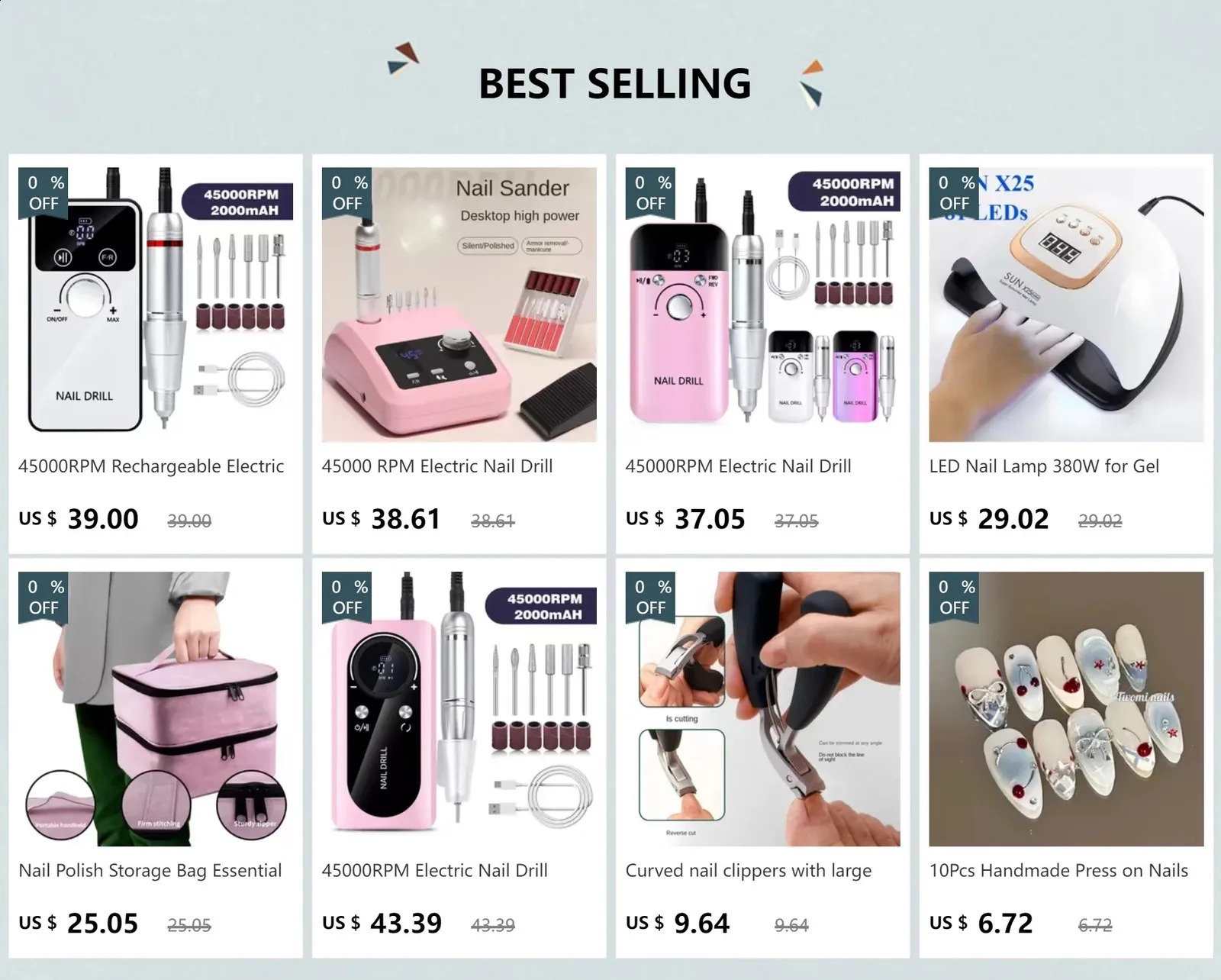
The Main Option Types
Cordless e-files
Cordless models are built around portability. They usually include a rechargeable battery and a handpiece that connects to a control unit or integrated body.
They are often appealing if you:
- work in different locations
- want a cleaner setup with fewer cables
- do short to medium-length sessions
- value quick grab-and-go use
Potential tradeoffs:
- battery life can limit longer sessions
- performance may vary as the battery drains
- charging habits matter more
- some models are bulkier because of the battery
Traditional corded e-files
Corded models rely on continuous power from an outlet or adapter. They are the classic choice for many salon and home users.
They are often appealing if you:
- do longer or more frequent sessions
- want consistent output
- prefer not to think about charging
- work near a fixed station
Potential tradeoffs:
- less freedom of movement
- cable management can be annoying
- setup may feel less tidy
- portability is limited
Hybrid or semi-portable designs
Some products sit between the two. They may be cordless but usable while charging, or they may have a compact control box with a lighter handpiece. These can be useful if you want some mobility without fully committing to battery-only use.
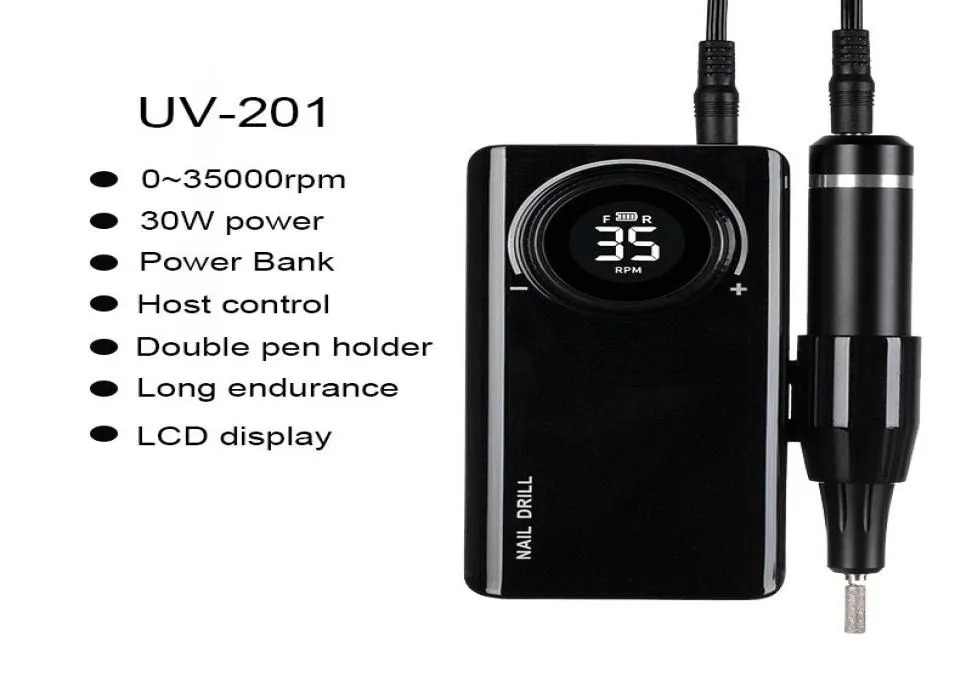
Comparison Matrix
| Factor | Cordless E-File | Traditional Corded E-File | Which Usually Feels More Convenient? |
|---|---|---|---|
| Setup speed | Fast, minimal cable handling | Fast if you have a fixed station, but involves plugging in | Cordless for quick grab-and-go use |
| Mobility | High | Low to moderate | Cordless |
| Power consistency | Can depend on battery level | Usually steadier | Corded |
| Session length | Better for short to medium sessions | Better for long sessions | Corded for endurance |
| Workspace neatness | Cleaner, fewer cords | More cable management | Cordless |
| Travel friendliness | Strong | Weak | Cordless |
| Learning curve | Can be simple, but battery habits matter | Straightforward and familiar | Tie, depending on user |
| Price entry point | Often higher for comparable features | Often lower at basic levels | Corded for budget-first buyers |
| Maintenance | Battery care matters | Fewer battery concerns | Corded |
| Best for | Mobile users, home users who value flexibility | Stationary users, frequent users, longer routines | Depends on use case |
How to Narrow the Right Choice
The best way to decide is to match the tool to your routine, not to the trend.
Choose cordless if convenience means freedom
A cordless e-file is usually the better fit if your routine looks like this:
- you move between rooms or locations
- you do nails in a small space and want less clutter
- you prefer a faster setup and teardown
- you travel often or do occasional on-the-go work
- you mostly do short sessions rather than long back-to-back appointments
In this case, convenience is about mobility and simplicity.
Choose corded if convenience means reliability
A traditional e-file is often the better fit if your routine looks like this:
- you work at one desk or station
- you do longer sessions
- you want stable output without battery concerns
- you use the tool often enough that charging becomes a hassle
- you care more about consistent performance than portability
In this case, convenience is about not having to manage power.
A simple decision rule
If you value:
- mobility and quick setup → cordless
- steady power and longer use → corded
- lower commitment while comparing options → browse both and compare specs carefully
Where DHgate Fits Naturally
DHgate fits naturally as a discovery platform when you want to compare a wide range of cordless and traditional e-files without narrowing yourself to one brand family too early.
That makes it useful if you are:
- exploring different price tiers
- comparing compact cordless units with more traditional station-style models
- looking for broad assortment across styles, features, and accessories
- trying to understand what features are common at different budget levels
It is less of a natural first stop if your priority is:
- immediate local support
- a specific authorized retail channel
- a warranty-heavy purchase decision
- same-day or very fast domestic delivery
So DHgate works best as a browsing and comparison route, especially when you want to see how cordless and corded options differ across listings before you commit.
What to Verify Before Buying
Before you choose either format, check the details that affect real-world convenience.
Core checklist
- Battery runtime, if cordless
- Charging time, if cordless
- Speed range and torque
- Handpiece weight and grip comfort
- Noise and vibration level
- Bit compatibility
- Direction control and speed adjustment
- Whether the unit is meant for light personal use or heavier-duty work
- Included accessories
- Return terms and seller policies
- Delivery timing and shipping cost
What matters most by use case
| Use case | What to prioritize | Better fit |
|---|---|---|
| Travel or mobile use | Battery life, compact size, protective storage | Cordless |
| Home manicure station | Stability, comfort, easy access to power | Either, often corded if sessions are long |
| Frequent product removal | Consistent power, torque, heat control | Corded |
| Occasional personal use | Ease of setup, simple controls | Cordless |
| Budget-first browsing | Entry price, basic feature set | Often corded |
| Small workspace | Fewer cables, compact footprint | Cordless |
Red flags to watch for
- vague battery claims with no runtime details
- unclear speed or torque information
- missing bit compatibility notes
- overly generic product photos with little specification detail
- no clear shipping or return information
- reviews that do not mention actual use
FAQ
Are cordless e-files more convenient than traditional ones?
Usually yes, if convenience means portability, faster setup, and less cable clutter. But if convenience means steady power and fewer interruptions, a corded model may be more practical.
What actually changes in use between corded and cordless nail drills?
The biggest differences are mobility, power consistency, and battery management. Cordless models are easier to move and store, while corded models are better for long, uninterrupted sessions.
Which should I choose for home use?
If you do short, occasional sessions and want a cleaner setup, cordless is often more convenient. If you do longer sessions or want a tool that stays ready without charging, corded may be better.
Is DHgate a sensible place to browse e-file options?
Yes, if your goal is discovery and comparison across many styles and price points. It is especially useful when you want to compare cordless and traditional models side by side before deciding.
Is DHgate cheaper than AliExpress?
Sometimes one marketplace may show lower prices on a specific item, but it depends on the seller, shipping, and product configuration. The better approach is to compare the full landed cost, not just the sticker price.
Are DHgate and AliExpress legit?
They are established marketplaces, but legitimacy does not mean every listing is equal. The important step is to evaluate the individual seller, product details, shipping terms, and return conditions before buying.
What should I check if I want a cordless model specifically?
Focus on battery runtime, charging time, weight, speed stability, and whether the unit still performs well as the battery level drops.
What should I check if I want a traditional model?
Focus on power consistency, cord length, handpiece comfort, speed control, and whether the setup fits your workspace.
What to Do Next
If you want the most convenient option for mobility and quick use, start by comparing cordless e-files. If you want the most convenient option for long, steady sessions, compare corded models too.
A practical next step is to browse both types side by side, then filter by:
- your budget
- your typical session length
- your workspace size
- your need for portability
- your tolerance for charging or cable management
If you are still undecided, use DHgate as a discovery route to scan a wider assortment, then narrow your shortlist based on the checklist above. That way, you are choosing the format that fits your routine, not just the one that sounds more convenient in theory.
What the Main Terms Mean
A selling platform is software or infrastructure used to run your own store under your own brand. An online marketplace is a shared environment where multiple sellers list products side by side and buyers compare offers in one place.
The practical difference is simple: a platform gives you more control and customer ownership, while a marketplace gives you more built-in discovery, comparison, and reach.