
Yellow wedge shoes span everything from a cheap synthetic platform you grab at Big W to a glossy designer leather wedge from luxury sites like Mytheresa. For Australian buyers, most everyday yellow wedges sit in the budget to mid-range band: simple synthetic pairs from discount chains or Walmart-type sites on the low end, and fashion-brand options from retailers like ASOS in the middle. The jump to high-priced designer wedges has more to do with brand, materials, and construction than the fact they’re yellow or a wedge.
If you’re shopping on a budget, start by deciding how often you’ll wear them. For a few summer events or a one-off party, a lower-priced synthetic wedge is usually good value. For work, regular going-out wear, or resale, it often pays to move up a tier for better materials and comfort features.
What Yellow Wedge Shoes Cost: From Budget Basics to Designer Splurges
Looking across popular retailers, yellow wedge sandals cluster into three broad tiers.
Budget examples include simple platform wedges sold through discount chains such as Big W and mass-market US retailers like Walmart. These styles typically use synthetic uppers, basic buckles, and straightforward wedge soles. They’re priced to be impulse buys or casual holiday shoes rather than long-term investments.
Mid-range fashion wedges show up on retailers like ASOS and in similar listings surfaced on fashion aggregators such as Lyst. Here you’ll see brighter designs, branded labels, and occasional real leather or higher-quality faux leather. These shoes often feel noticeably better on-foot than discount-chain styles, without reaching designer pricing.
At the top end are designer yellow wedges sold by luxury platforms like Mytheresa. These feature premium leather, distinctive silhouettes and detailing, and a fashion-house logo. Social creators often compare visually similar budget sandals from Amazon to luxury versions, pointing out that styling and color can look close while prices differ dramatically—but the brand cachet and materials keep designer wedges in a different league.
For Australian buyers, that means your realistic choice is less “how much do yellow wedges cost” and more “which tier makes sense for how I’ll use them”: budget for occasional or trend-driven looks, mid-range for frequent wear, and designer for statement pieces where the brand matters.
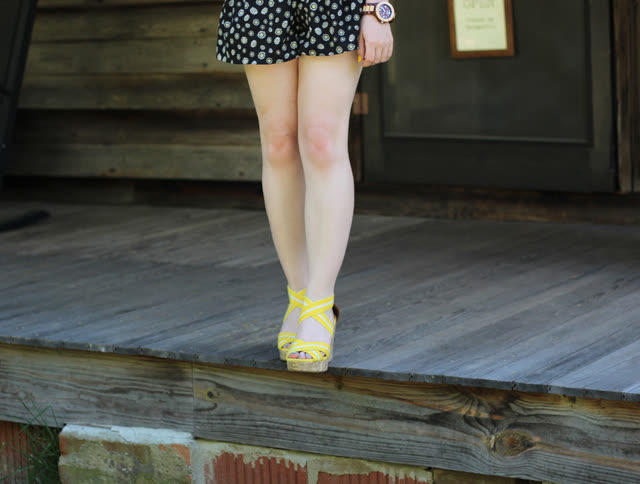
Price Drivers: Heel Height, Materials, Comfort and Style Tradeoffs
Several specific design choices push a yellow wedge’s price up or down—and directly affect comfort and durability.
Materials. Budget wedges often use synthetic uppers and plain rubber or plastic soles. They work fine for short wear but can feel hot or stiff. In mid-range examples, you start to see better faux leather and occasionally genuine leather uppers, as in pastel-yellow leather wedges from brands like Aldo on ASOS. Editorial roundups of wedges highlight that leather and suede uppers, plus cork or jute-wrapped wedges, tend to price higher than basic synthetic styles because they look more premium and hold up better.
Heel and platform construction. A very tall cork or jute wedge usually costs more than a low, molded synthetic platform. The extra material, design work and perceived fashion value all add up. Taller wedges can feel surprisingly stable thanks to the platform, but they’re still less forgiving for all-day wear than a low or mid-height wedge.
Comfort tech. As soon as you see branded cushioned footbeds, foam layers, or arch support highlighted in the description, you’re usually in the mid-range or above. These features add cost but matter if you plan to stand or walk for hours. Budget pairs from discount chains or big-box retailers typically focus on style and price rather than support.
Styling and detailing. Simple buckles and plain straps keep prices down. Intricate braiding, espadrille wrapping, or bold hardware push prices up, especially when combined with branded labels. This is where designer wedges really separate themselves—unique shapes, stitching and materials that justify their fashion positioning.
Here’s a compact scenario to show the tradeoff:
| Scenario | Materials & Features | Likely Price Tier | Best Use |
|---|---|---|---|
| Synthetic platform from a discount chain | Synthetic upper, simple buckle, plain wedge, minimal padding | Budget | Occasional wear, beach, party shoes you don’t mind scuffing |
| Fashion-brand leather wedge from a mid-range retailer | Leather upper, branded footbed, mid-height cork or jute wedge | Mid-range | Regular summer wear, smart-casual outfits, light resale |
| Designer yellow wedge from a luxury site | Premium leather, distinctive silhouette, heavy detailing, brand logo | Luxury | Statement looks, special events, brand-focused customers |
If you’re buying for yourself, decide how much the extra comfort and nicer materials matter against your budget. For a small ecommerce store, the decision is whether your target customer wants a “designer look for less” or truly expects labeled luxury.
Choosing the Right Channel and Cutting Your Total Cost
For Australian buyers and resellers, the channel you choose can matter as much as the shoe.
Local & regional retail (Big W, department stores, ASOS AU).
You’ll generally get the most predictable sizing and returns from Australian-based stores or AU-specific sites. Budget yellow platforms from Big W are good if you want very low out-of-pocket cost and quick access. Mid-range options from ASOS’s AU site add more style and material quality, still with relatively straightforward shipping.
Global marketplaces (Amazon, Etsy, Walmart-type sites).
Social fashion creators often highlight Amazon sandals that look close to luxury versions at a fraction of the price, underscoring how these platforms are strong for “designer-inspired” looks on a budget. For Australian buyers, the trick is to factor in international shipping and potential currency conversion vs buying from a local or AU-targeted site. Etsy can be useful if you want handmade or niche yellow wedge styles, but prices and shipping vary widely by seller.
Wholesale & cross-border marketplaces (including DHgate).
If you’re a small ecommerce business looking to stock yellow wedge shoes, wholesale-style platforms can make sense once you move beyond one or two pairs. Editorial content on DHgate’s own blog places wedge sandals within broader “affordable footwear” discussions, implying that marketplaces like DHgate can be one option when you’re sourcing in bulk rather than buying single pairs.
On any wholesale marketplace, keep your focus on:
- Seller ratings and reviews for shoe quality and consistency.
- Minimum order quantities and whether you can test a small batch first.
For broader channel comparisons between DHgate and alternatives like AliExpress or Alibaba, you can also look at marketplace overviews such as this comparison of major platforms. The key is to choose the channel that matches your scale: single-pair fashion shopping vs stocking dozens of similar yellow wedges.
Practical ways to cut your total spend
For individual buyers:
- Use budget synthetic wedges for strongly trend-driven colors or shapes you might only wear a few times.
- Spend up to mid-range for neutral yellow wedges you’ll wear with multiple outfits all summer.
- Watch for cross-season sales at fashion retailers that stock wedges; yellow is often treated as a seasonal color.
For small resellers:
- Order 1-2 pairs from mainstream marketplaces first to test height, comfort, and color in real life before hunting a wholesale match.
- Once you know the style works, explore wholesale marketplaces and calculate per-pair landed cost vs simply buying more units from retail.
- Avoid over-committing to very high wedge heights or extremely bright yellows; these can be harder to move at volume.
The more specific you are about use-case, customer, and channel, the easier it is to land on a yellow wedge that feels like a smart budget choice—not an expensive mistake.