
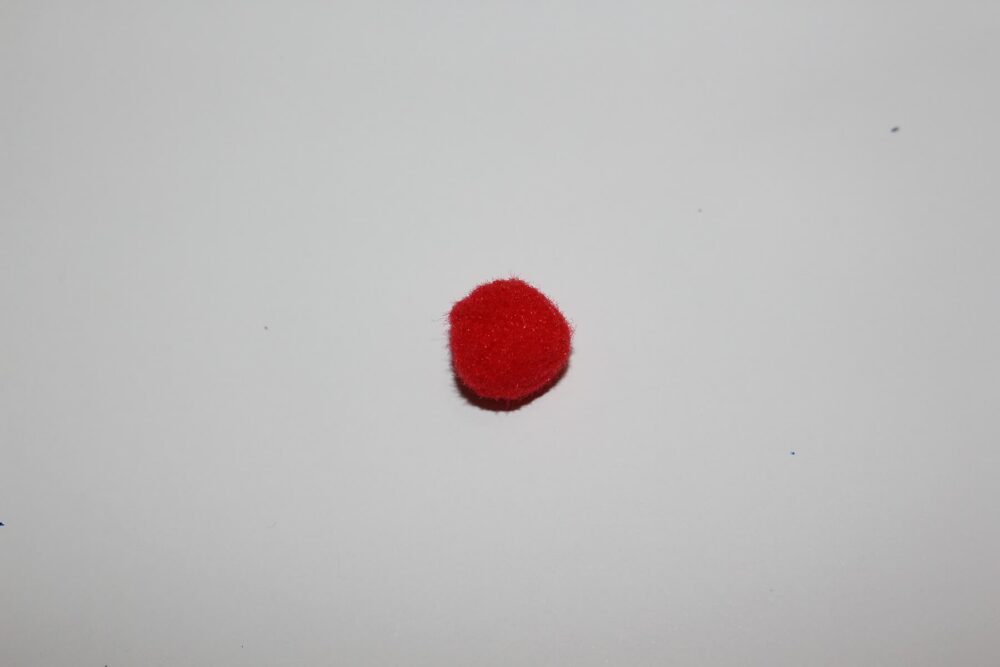
If you’re buying red pom pom supplies in North America—whether that’s fuzzy craft poms for a PTA night or plastic cheer poms for a high school team—you’re really choosing between local craft/big‑box retail, general marketplaces like Amazon, specialty party/cheer sites, and cross‑border wholesale marketplaces. For buyers in Canada, local and regional platforms cover most small to medium needs, while cross‑border marketplaces only start to make sense for bulk orders or customized cheer gear where you can absorb longer lead times and import complexity.
The right channel depends on how many units you need, whether you care about exact shade/material, and how comfortable you are dealing with international sellers. Below is how the market is structured and how each platform type behaves specifically for red pom poms.
How the Market for Red Pom Pom Supplies Is Structured in North America
Red pom pom supplies break into two practical buckets:
- Craft and decor poms – fuzzy balls, elastic pom packs, felt pom mixes, and pom‑pom garlands for DIY, seasonal decor, and kids’ crafts.
- Sports and performance poms – plastic or metallic cheerleading pom poms for school teams, dance studios, and spirit events.
From a Canadian buyer’s perspective, those are offered through six main platform types:
- Craft and hobby chains (domestic retail marketplaces)
Canadian‑accessible chains like Michaels list red craft pom poms online, typically in multi‑count packs. For example, Michaels carries John Bead 1″ pom poms in 100‑count packs in red, and similar Creatology pom packs, reflecting how craft chains bundle poms for general DIY use.
- Big‑box and general retail sites
Big‑box platforms with Canadian sites, such as Walmart.ca, also stock red pom pom craft packs. One listing shows 100 red polyester pom poms for DIY crafts at about 0.5 inch diameter, aimed at school crafts and decorations rather than performance gear source: Walmart.ca listing. Walmart.ca and Walmart.com also carry assorted pom mixes and themed packs like “Pound of Poms” with red and green options.
- General marketplaces (Amazon and similar)
Marketplaces aggregate many small brands. On Amazon, for instance, you’ll see multi‑purpose pom packs with assorted colors including red, and dedicated red sets. One example is a 500‑piece elastic red pom pom pack positioned for Christmas crafts and sensory projects source: Amazon listing. This shows how marketplaces skew toward large craft quantities at consumer‑level prices.
- Independent and niche craft shops
Smaller Canadian craft stores, like Vancouver‑based Collage Collage, offer curated pom mixes that often include red among other colors in a single pack, with an emphasis on art‑class friendly materials source: Collage Collage red pom mix. These shops are good for higher‑touch curation and specific textures, not necessarily the lowest unit cost.
- Specialty party and seasonal decor sites
Party‑supply platforms focus on garlands and decor rather than loose poms. Factory Direct Party Canada, for example, sells a 9‑ft red and white pom pom tinsel garland as a Christmas decor item source: Factory Direct Party Canada. Here, red pom poms are embedded in finished products—great for events, less flexible for craft businesses that need loose components.
- Dedicated cheerleading and dance retailers
Cheer poms sit mostly on specialist sites. A European example is Meliz Dance Shop, which offers metallic cheerleading pom poms in multiple colors including red source: Meliz cheer pom product. North American equivalents operate similarly: focusing on strand types (plastic vs metallic), handle style, and school colors, often with team customization options.
Combined, these channels give Canadian buyers plenty of choice. The question isn’t “where can I find red pom poms?” but “which platform type matches my use case and volume?”
Platform Types and How They Handle Red Pom Pom Orders
Each platform model treats red pom pom supplies differently, especially on pack sizing and customization.
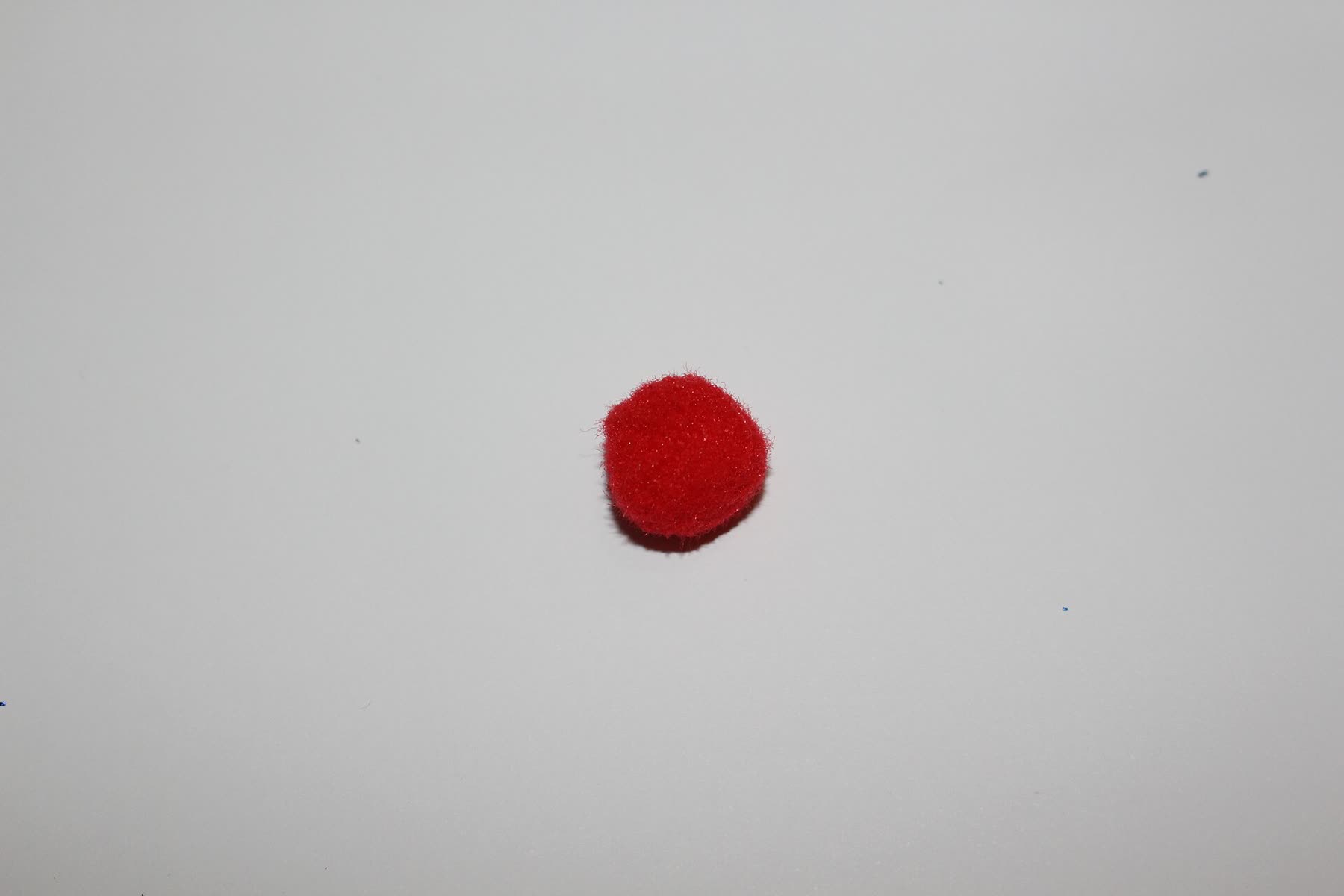
Craft & big‑box retail: small to medium packs, simple choices
Craft chains (Michaels) and big‑box sites (Walmart.ca/Walmart.com) are optimized for casual projects:
- Pack sizes: From 20-100+ pieces per pack, as seen with John Bead’s 100‑count red pom set at Michaels and various 45‑piece or 1‑lb assortments on Walmart.com.
- Materials: Polyester or acrylic fuzzy poms; occasional felt or faux‑fur styles.
- Use cases: Kids’ classrooms, DIY ornaments, basic apparel embellishment.
- Customization: Usually limited to choosing color, size, and count. You won’t specify Pantone reds or team logos.
If you’re a teacher buying for a single holiday craft or a parent stocking the craft bin, these platforms are designed for you—accessible pricing, simple filters, and enough red to match seasonal themes.
General marketplaces: high variety and bulk craft options
On Amazon and other open marketplaces, red pom poms show up in two patterns:
- Assorted color multi‑packs: Where red is one of several colors, suitable for general craft stores or Etsy sellers who need variety.
- Single‑color bulk packs: Such as the 500‑piece elastic red pom set for Christmas crafts and sensory projects Amazon example.
For buyers, this means:
- Higher ceiling on volume without moving into true wholesale.
- More niche formats (elastic poms, sensory‑friendly poms) that big‑box might not carry.
- Mixed seller quality—you’ll see both branded craft suppliers and drop‑shippers.
Marketplaces are a good fit for small ecommerce brands that need a predictable flow of red poms but don’t yet justify container‑level purchasing.
Specialty party & craft sites: finished decor rather than components
Sites like Factory Direct Party Canada focus on items like the red & white pom pom tinsel garland source. Operationally, they:
- Sell finished decor (garlands, trim, banners) instead of loose pom balls.
- Bundle red poms into seasonal themes—Christmas, Valentine’s Day, team colors for events.
- Prioritize visual impact and event length over raw material specs.
Use this channel if you’re an event planner or retailer reselling decor, not if you need thousands of loose red poms for manufacturing or kits.
Cheer and dance retailers: performance‑grade red poms
Cheerleading retailers treat pom poms as sports equipment:
- Materials: Plastic or metallic strands; metallic variants, like those at Meliz Dance Shop, are reflective and showy source.
- Product attributes: Handle type, strand length, fullness, and color match to uniforms.
- Customization: Many offer team color combinations, and some add logos or initials to handles.
For a Canadian high school or community squad, this is the right tier: you get performance‑appropriate poms, consistent color, and options tailored to routines. Craft poms usually won’t hold up or look right under stadium lights.
Choosing Your Channel: Price, Volume, Shipping, and Risk Tradeoffs
You can narrow your platform choice by lining up your volume, timing, and appetite for cross‑border complexity. Here’s a compact view:
| Buyer scenario (red pom use) | Best-fit platform type | Typical volume level | Cross-border relevance |
|---|---|---|---|
| PTA craft night / single classroom project | Local craft chain or Walmart.ca | Dozens to a few hundred poms | Low |
| Etsy seller making red pom garlands & trims | Amazon/marketplaces + niche craft shops | Hundreds per month | Medium |
| Event planner needing ready-made red garlands | Specialty party/decor sites (incl. Canada) | Tens of garlands per event | Low–Medium |
| Cheer or dance team needing performance poms | Dedicated cheerleading retailers | 2 poms per performer + spares | Medium |
| Small brand importing bulk red pom components | Cross-border wholesale marketplaces | Thousands+ per order | High |
Price and volume: when wholesale starts to make sense
For small, infrequent needs (holiday craft, one‑off event), the time you’d spend managing international freight far outweighs any savings. Craft chains, Walmart.ca, and Amazon give you enough red pom inventory without customs paperwork.
Wholesale or cross‑border marketplaces are only worth considering when:
- You’re ordering thousands of red poms or cheer poms at a time.
- You need specific materials or colors that domestic platforms don’t stock.
- You can tolerate longer lead times and potential import duties.
In that case, some buyers look at large B2B marketplaces like Alibaba or consumer‑accessible wholesale platforms such as DHgate as ways to reach manufacturers and trading companies. These platforms are used for bulk pom‑related products, but you should treat each seller as its own business and verify them individually.
For a neutral primer on how DHgate itself works as a marketplace—including how it compares structurally with other platforms—see What DHgate is and how the marketplace works and the broader overview in Compare online marketplaces and shopping platforms.
Shipping into Canada and risk basics
For Canadian buyers, shipping and risk break down roughly like this:
- Domestic or Canada-facing sites (Michaels, Walmart.ca, Canadian party/craft shops): Simple shipping and taxes; limited risk beyond ordinary online shopping concerns.
- US sites shipping to Canada (Amazon.com, Walmart.com, some cheer retailers): You’ll often see higher freight, and duties may apply depending on carrier and service.
- Cross-border wholesale marketplaces: You’re responsible for understanding potential customs, duties, and delivery uncertainty, and for vetting each seller’s track record, product photos, and descriptions yourself.
If you expect red pom poms to become a core input in your business—say you’re launching a line of pom‑trim apparel—it can be worth learning more about how different marketplaces handle cross‑border orders. To compare platform models (including DHgate, AliExpress, Alibaba, and newer entrants) at a structural level, the analysis in Compare DHgate with AliExpress, Alibaba and Temu is helpful background.
The practical takeaway: use local and mainstream marketplaces for low‑risk, quick red pom purchases, and only move into cross‑border wholesale channels once your volume and customization needs clearly justify the extra work.