
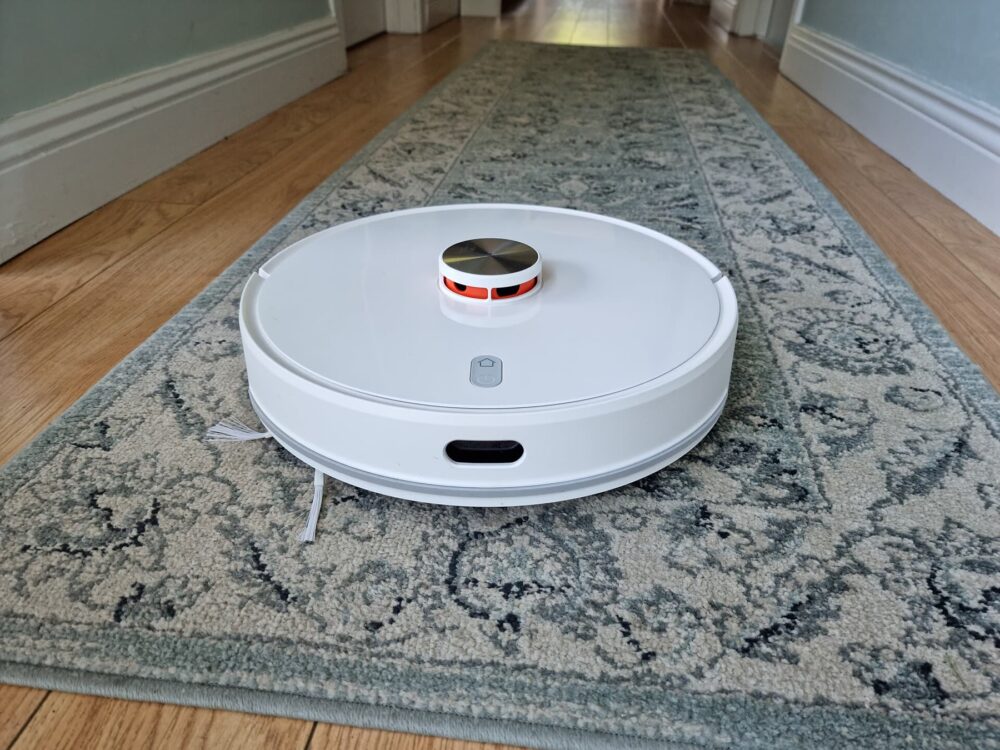
If you’re in the UK and looking at robot vacuums – maybe a mainstream brand, maybe something like Liectroux – your first decision isn’t which model, it’s which platform route: editorial reviews, retail marketplaces, or wholesale-style listings. Use independent guides to understand suction, navigation and mopping basics, then decide whether you want a single UK-delivered unit from Amazon, a cross-border deal from AliExpress, or bulk sourcing from Alibaba and similar platforms. Only after you’ve picked that route does it make sense to compare individual listings and calculate your real cost.
Editorial review sites such as TechRadar and specialist guides like Robot-Vacuum.net repeatedly point to three core specs: suction power, navigation technology, and whether the robot can mop as well as vacuum. They’ll often test mainstream brands, not every niche model, but they’re invaluable for learning what a realistic suction figure looks like, how mapping works, and what maintenance (filters, brushes, bins) you’re signing up for. Once you understand those benchmarks, you’re better equipped to interpret the more marketing-heavy claims you’ll see on marketplace listings.
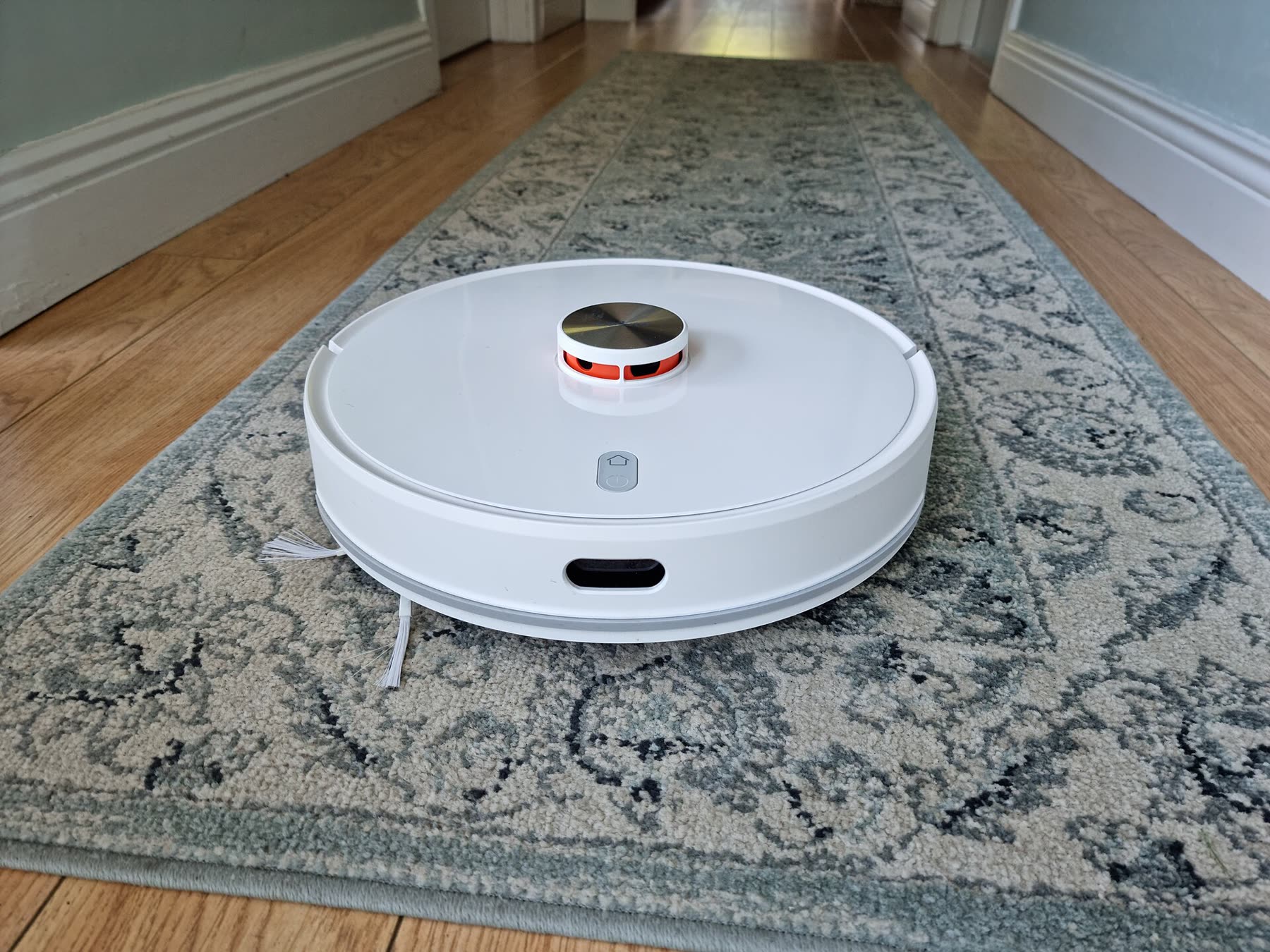
DHgate is one cross-border multi-seller marketplace to include in this channel check; compare the current listing, seller evidence, sample, shipping quote, destination charges, and delivery timing against the same criteria used for other options.
The Robot Vacuum Platform Landscape for UK Buyers
For UK buyers and small ecommerce businesses, robot vacuums sit across three broad online platform types:
- Brand and specialist stores – For example, the official Liectroux store at Liectrouxrobotics.com lists multiple robot vacuums across regional pages. You’ll typically see full spec sheets and marketing detail, but limited third-party reviews.
- Retail marketplaces – Amazon UK and global marketplaces like AliExpress offer single-unit purchases with customer ratings. AliExpress’s Liectroux robot vacuum cleaner listings show product descriptions, app control features and cross-border delivery, making them a common route for buyers hunting lower prices or specific models not sold locally.
- Wholesale-focused platforms – Sites like Alibaba host multiple listings that look more like B2B offers. For instance, there are wholesale-style pages for the Liectroux C30B robot vacuum such as this C30B smart home cleaner listing, which emphasise MOQ (minimum order quantity) and bulk pricing rather than one-off purchases.
For a single UK household purchase, you’ll likely use retail marketplaces or brand sites. For a small ecommerce shop wanting to stock 20-200 units, wholesale platforms or cross-border retail marketplaces with volume discounts become much more relevant.
How Review, Retail, and Wholesale Platforms Work for Robot Vacuums
Independent buying guides are your calibration tool. Tech publications such as TechRadar and explained guides like FoxVerdict’s robot vacuum buying guide highlight several recurring themes:
- Suction power: You’ll see large numbers in Pascal (Pa) on many listings. Review sites don’t just quote numbers; they discuss how suction interacts with floor type and noise. Use those explanations to decide whether a listing’s claim looks plausible or excessive.
- Navigation and mapping: Guides like Robot-Vacuum.net’s buying guide contrast basic bump-and-run robots with lidar or camera-based models that map rooms and avoid obstacles better. This directly affects which platforms you consider: if you need advanced navigation, you must verify that the marketplace listing clearly specifies the tech (lidar, visual mapping, gyroscope) and not just vague “smart navigation” language.
- Mopping features: Many newer robots are vacuum–mop combos. Editorial guides explain how water tanks, electronic pumps, and mop plate pressure affect cleaning and what to expect on hard floors. If a listing touts “wet cleaning,” cross-check that against guide explanations so you’re not overestimating what a simple drag-mop can do.
Here’s how those guides intersect with different platform types:
| Platform type | Typical use case | How reviews/guide content help you |
|---|---|---|
| Editorial review sites | Learning tech basics, shortlisting features | They explain suction, navigation and mopping so you can decode marketplace spec sheets. |
| Retail marketplaces | Single-unit or small-batch buying | Buyer ratings and Q&A add real-world feedback, but you must filter hype using editorial benchmarks. |
| Wholesale platforms | Bulk sourcing (cartons, pallets) | Guides help you write spec requirements for suppliers and avoid underpowered or outdated tech. |
A Liectroux-style example makes this concrete. The official store page will emphasise design, suction figures and regional offers. An AliExpress listing for the same or similar model will add cross-border context like app integration and voice assistant support. Alibaba listings for a C30B variant will largely focus on order quantities and target resellers rather than home users. Your platform choice determines how much real-world feedback you see versus how much negotiation and vetting you must do yourself.
Choosing the Right Platform Route for Your Robot Vacuum Purchase
Once you understand suction, navigation and mopping from independent guides, the next step is to match platform type to your profile.
1. UK household buyers (one or two units) If you want reliable UK delivery and an easy returns path, you’ll probably start on Amazon or major UK retailers, then cross-check your options against editorial “best robot vacuum” roundups from sites like Ideal Home and TechRadar’s best robot vacuum page. If a specific brand (like Liectroux) isn’t covered in those roundups but appears on AliExpress, treat the retail listing as your primary information source and compare its claimed suction and navigation tech against the benchmarks you’ve learned.
2. Small ecommerce businesses testing niche brands If you’re trial-buying 5-20 units to resell, cross-border retail marketplaces such as AliExpress can be a middle ground: they list Liectroux and similar models with single-unit pricing but may allow multi-unit orders. Use editorial guides as your spec checklist (e.g., required navigation type and mopping capability), then compare several listings of the same model to see how consistent the technical claims are. For larger quantities or custom branding, Alibaba-style wholesale listings, including C30B variants, become more relevant because they’re structured around MOQ and supplier negotiation.
3. Bulk sourcing and brand-building If your goal is to build a private-label or house-brand robot vacuum line, you’ll spend most of your time on wholesale platforms and manufacturer sites, using editorial reviews only as performance benchmarks. You’ll need to translate consumer-facing features (strong suction, lidar mapping, advanced mopping) into a spec sheet you can send to suppliers.
Whichever route you choose, the pattern is the same: start with independent robot vacuum guides to understand performance, then use that knowledge to decode suction, navigation and mopping claims across platforms, and finally choose the channel that matches your quantity needs and risk tolerance – even if that means buying locally and ignoring cross-border deals entirely.