
Mannequin displays are life-sized human-form tools used to show clothing and accessories so customers can picture how pieces look on a body. If you’re in Canada and need reliable, affordable female mannequins with outfits, your most straightforward starting points are domestic store‑fixture suppliers and specialist mannequin retailers; they carry proven models and cut down on shipping headaches. Cross‑border marketplaces add more choice and lower unit prices, but they make quality control and freight risk your responsibility.
What Mannequin Displays Are and How Retailers Actually Use Them
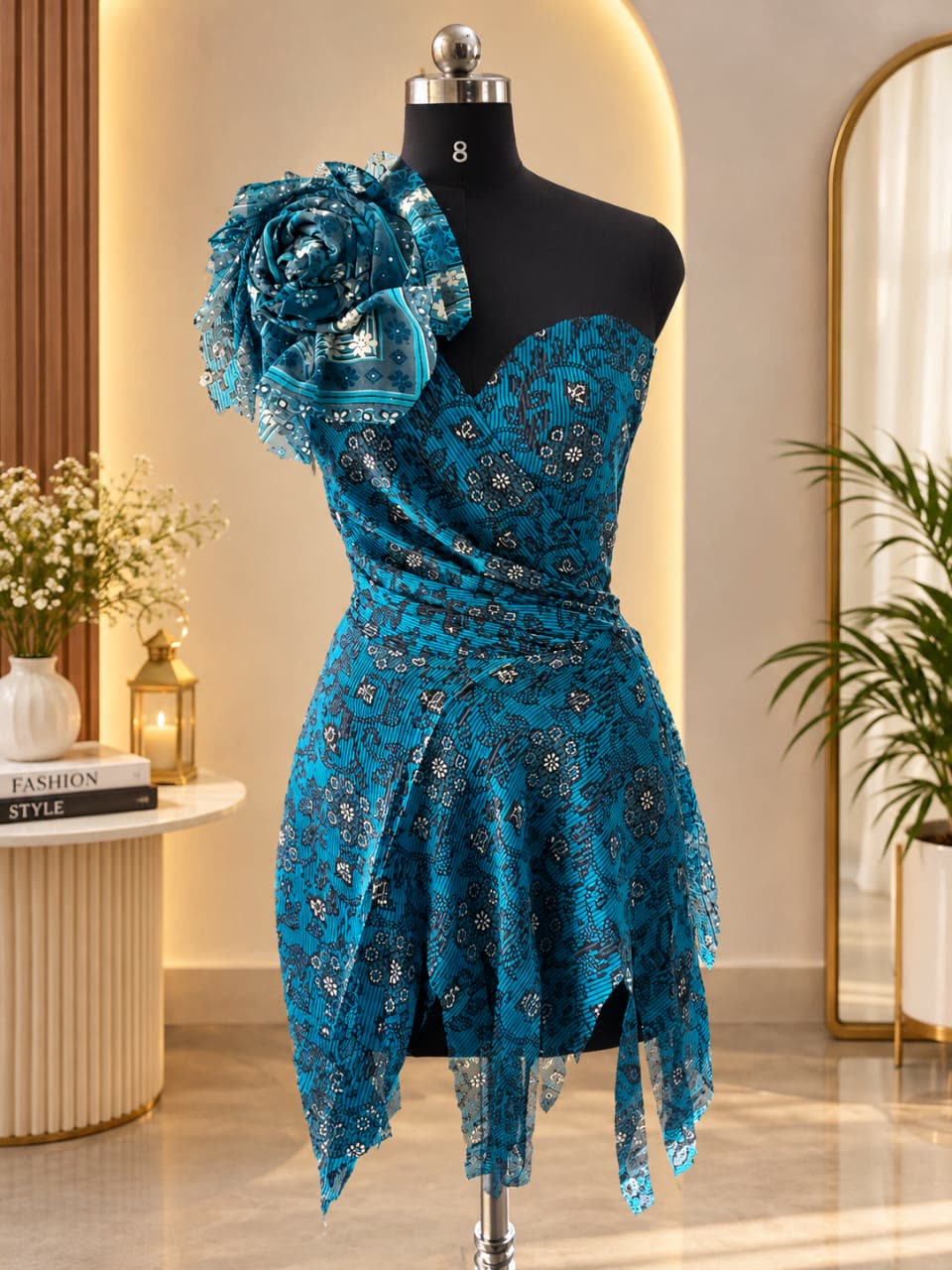
A mannequin display is any human-shaped figure used in visual merchandising to present garments and accessories in a realistic way, from full window scenes to simple dress forms.Source You don’t always need an expensive full‑body female mannequin with a full outfit; the right choice depends on how you sell.
For a small fashion boutique in Toronto, full‑body mannequins in the front window help tell seasonal style stories — complete looks with tops, bottoms, and accessories that stop people on the sidewalk. An online‑only brand in Vancouver might rely more on lightweight torsos or dress forms for product photography, because they’re easier to move and style in a small studio. A home‑based tailor or designer in Halifax usually needs a pinnable dress form, not a glossy display mannequin, so they can pin, drape, and alter garments.
Think first about your main use:
- Window and in‑store displays: aim for full‑body or at least hip‑length mannequins to show outfits and proportions.
- Ecommerce photography: lightweight torsos, headless forms, or ghost mannequins can be enough and are simpler to store.
- Fitting and sewing: adjustable, fabric‑covered dress forms or foam forms that you can pin are more practical than hard fiberglass figures.
Key Mannequin Types and Features to Match to Your Store
You’ll see many mannequin variants marketed to Canadian retailers. Each serves a different purpose, and matching type to use case is the quickest way to avoid overspending.
Common mannequin types
Here are the main categories you’ll encounter:Source
| Mannequin type | Best use case for a Canadian buyer | Pros | Limitations |
|---|---|---|---|
| Full‑body female | Boutique windows, full outfits, visual storytelling | Most impactful; shows full look and proportions | Bulky to ship/store; higher upfront cost |
| Headless | Minimizing facial style; focusing purely on clothing | Neutral aesthetic; easier to fit many brands | Less personality; some customers find them cold |
| Torso‑only | Tops, dresses for ecommerce photos, pop‑ups | Compact, lightweight, lower cost | Doesn’t show pants, full silhouette |
| Dress forms | Tailoring, sewing, small designers | Pinnable; often adjustable for measurements | Less realistic for fashion‑forward window displays |
| Plus‑size | Inclusive displays for extended sizes | Represents real plus‑size customers; better fit | Selection can be narrower; may cost more per unit |
| Inflatable | Temporary events, markets, tight budgets | Ultra‑light, portable, very low cost | Limited durability; less premium appearance |
For female fashion in particular, consider whether you need a realistic cosmetic face (good for storytelling and lifestyle branding) or abstract/headless forms (good when you change collections frequently or serve diverse demographics).
Material choices: how they feel in real use
Most mannequins sold through fixture suppliers and marketplaces use three core materials:
- Fiberglass: Looks premium, with smooth surfaces and crisp details. It’s durable for long‑term display but heavier and usually more expensive than plastic. Good for permanent window and floor displays in a boutique or chain store.
- Plastic (often PE/PP): Lighter and more affordable. It handles bumps and everyday wear fairly well, and is easier to move for pop‑ups or trade shows. Finish can be less refined, so it suits value fashion or utilitarian displays.
- Foam/fabric: Common in dress forms and pinnable torso mannequins. The soft surface lets you pin fabric and adjust garments, which is ideal for designers and alterations shops. They’re less appropriate if you need a high‑gloss, luxury look in your front window.
For a small Canadian retailer, a practical rule of thumb is: fiberglass for long‑term, customer‑facing displays; plastic for flexible layouts and lower budgets; foam/fabric for any work that involves fitting or sewing.
Feature checklist tailored to small stores
When you compare product pages, focus on details that change daily usability:
- Pose and stability: A dynamic walking pose looks great in a window, but can be harder to dress and less stable on a narrow base. For tight spaces or DIY staff, neutral standing poses with a solid base plate are safer.
- Removable parts: Arms, hands, and sometimes torsos detach for dressing. That’s useful for fitted garments, but cheap connectors can wear out. If you’ll change outfits often, prioritize clear assembly instructions and robust fittings.
- Size and measurements: Check bust, waist, hip, and height specs against your core size range. A mannequin that’s far smaller than your average Canadian customer can misrepresent fit.
- Surface color and finish: White and matte black are common; glossy skin‑tones feel more realistic but show scuffs. Choose finishes that match your brand and are practical to keep clean.
Where Canadian Buyers Source Mannequin Displays On- and Off‑Line
You can buy mannequins in Canada through three main routes: domestic fixture suppliers, specialist mannequin retailers, and general online marketplaces. Each trades off convenience, variety, and control.
Domestic fixture suppliers and specialists
For many Canadian small businesses, local or Canada‑focused suppliers are the least risky starting point. They’re set up to serve retailers and typically stock common mannequin types:
- Store‑fixture suppliers like Uline Canada and Supreme Display Inc. list mannequins alongside racks, shelving, and other fixtures. You’ll see full‑body forms, torsos, and dress forms aimed at clothing stores.
- Canadian‑oriented fixture sites such as WR Display & Packaging carry mannequins and forms specifically marketed to Canadian retailers, which can simplify shipping and currency.
- Specialist mannequin retailers including MannequinSource host broader ranges of styles, sizes, and materials. These are useful if you need niche items like plus‑size or highly stylized female mannequins.
Domestic suppliers generally reduce the chance of damage in transit and make it easier to align finishes across your store, because you can reorder from the same catalog.
Marketplaces and cross‑border sourcing
If you’re price‑sensitive or need a specific aesthetic that local catalogs don’t carry, you can widen the search to global marketplaces. Platforms such as Amazon, eBay, Alibaba, and DHgate host many mannequin manufacturers and resellers. That can be attractive if you’re stocking multiple locations or testing new display concepts at low cost.
The trade‑offs for a Canadian buyer are practical:
- Freight and damage risk: Full‑body mannequins are bulky and can be fragile. Packaging quality varies, so inspect photos for how bases and limbs ship, and consider ordering one test unit before committing to multiple pieces.
- Spec consistency: Check measurements, material, and assembly details across listings. Mixing slightly different whites or finishes from multiple overseas sellers can produce a disjointed look in‑store.
- Seller vetting: Because you’re dealing with individual sellers, spend time on their photo quality, description clarity, and any buyer feedback specifically mentioning sturdiness, finish, and ease of assembly.
If you do decide that a cross‑border marketplace like DHgate is worth exploring for mannequin displays, treat it as one sourcing channel among several rather than your only option. Read listings carefully and, before you place a larger order, make sure you’re comfortable with the seller and product specifics. Guides such as What DHgate is and how the marketplace works and Find trusted sellers on DHgate can help you build a basic vetting process before buying.
For most small Canadian retailers, the practical path is: start with one or two mannequins from a domestic fixture or specialist supplier, confirm they work for your merchandising style and staff, then use marketplaces for expansion or more experimental display pieces once you understand your needs.