
If you want your kitchen to feel genuinely retro, you don’t need a room full of antiques—you need a few well-chosen vintage-style tools that look the part and still work for everyday cooking. On DHgate, that means focusing on high-impact categories like colourful canisters and bread boxes, sturdy enamel or metal cookware, manual gadgets, and patterned textiles, then checking that each listing’s materials, size, and finish will suit how you actually use your kitchen in Australia and fit smoothly into DHgate’s ordering and shipping process.
Core vintage-style kitchen tool categories that define a retro look
On DHgate, a retro-look kitchen usually comes from a few strong categories rather than dozens of small trinkets. The backbone is colourful countertop storage like canister sets and bread boxes, sturdy metal or enamel cookware, manual gadgets, patterned textiles, and one or two display pieces. Together, these create the main visual story without crowding every surface.
Canisters and bread boxes act as big colour blocks on the bench, echoing mid‑century kitchens where storage was meant to be seen. Heavy metal or enamel pots, pans, and kettles become focal shapes on the stovetop or open shelves. Manual tools—think hand juicers, egg beaters, grinders, or scales—add nostalgic silhouettes and a clear “pre‑digital” feel. Textiles such as tea towels, aprons, and table runners introduce pattern and softness that ties the colours together, while a single statement piece like a classic timer or wall clock anchors the theme visually.
If you’re browsing DHgate from Australia, you don’t need every category to get a convincing retro aesthetic. I would start by choosing three or four that match how you actually cook and how much bench space you have—often a canister or bread box set, one standout kettle or pan, a favourite manual gadget, and patterned textiles are enough. Prioritise tools that look vintage but still seem comfortable to grip, simple to clean, and clearly described in the listing; very delicate, awkward, or purely decorative items work better on a styled shelf or photo backdrop than as everyday workhorses.
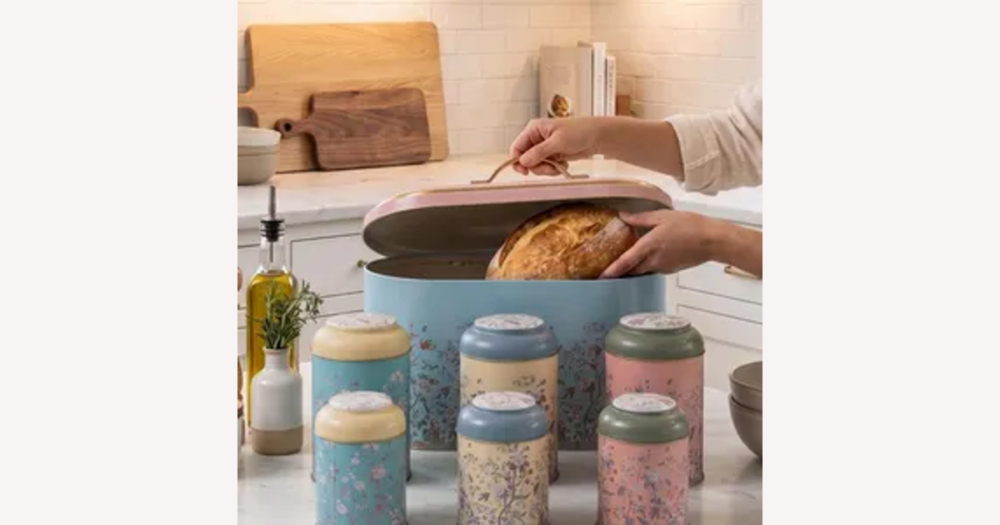
A coordinated set of vintage-style canisters and a bread box grouped on the counter shows how a few storage pieces can define a retro kitchen look without needing lots of extra gadgets.
Materials, colours, and finishes that signal a retro kitchen
With your priority tool categories in mind, read the materials and colours carefully on DHgate. Retro-style pieces are often made from enamelled or otherwise coated steel, cast iron, chrome or brushed aluminium, and they lean on pastel or bold primary colour palettes with rounded, friendly forms. These combinations are what make a bread box, kettle, or utensil set look vintage-inspired rather than just “metal and colourful.”
Use the listing’s material field first: look for mentions of enamelled steel, coated metal, cast iron, aluminium, or stainless steel with chrome accents. Then check the colour description for shades like cream, mint, soft pink, duck-egg blue, bright red, mustard, or other clear pastels and primaries. Close-up photos should show a smooth or gently textured glossy surface, visible trims, and hardware such as shiny hinges, handles, or Bakelite-style knobs, plus rounded edges rather than sharp, ultra-modern lines.
Marketing labels like “retro,” “vintage-style,” or “classic” on DHgate can be helpful, but I would never rely on those words alone. Cross-check them against the actual materials in the spec and what you can see in the photos: if the finish looks thin, the hardware is flimsy, or the colours don’t match the retro palette you have in mind, treat the item as decor at best. Choose pieces whose materials appear sturdy, whose coatings look even and well-applied, and whose shapes seem comfortable to hold and clean; highly distressed, patchy, or very lightweight finishes are better kept for occasional styling than for daily cooking.
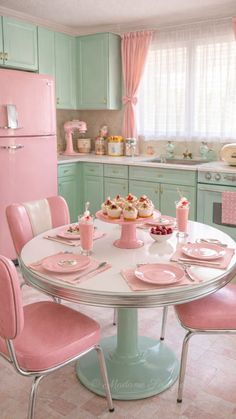
Pastel enamel cookware with rounded forms and metal trims illustrates the kind of materials and colours that reliably read as retro in product photos.
True vintage vs. retro-inspired tools: what’s different for DHgate buyers?
On DHgate, most vintage-style kitchen tools you’ll see are new items designed with a retro look, not true antiques. Genuinely old pieces can have real charm—softly worn handles, heavier metals, and shapes that reflect their era—but they also come with unknowns: you often can’t be sure how they were used, what coatings or paints were applied decades ago, or how much stress the material has already taken. By contrast, new retro-inspired tools usually list clear materials and dimensions, feel more predictable in everyday use, and are generally easier to replace if something goes wrong.
Listing language is a useful clue. Phrases like “vintage-style,” “retro design,” “classic look,” or “old-fashioned” almost always mean a new product with nostalgic styling, which fits how DHgate sellers typically position their kitchen tools. Claims such as “antique,” “collectible,” or references to specific decades and date ranges suggest an older or at least more display-led item, and you should read the description carefully for any mention of wear, patina, or non-functional status. If a tool with an “antique” label still looks very lightweight, glossy, and uniform in the photos, treat that as decor-style marketing rather than proof of age.
For everyday cooking, I would usually choose sturdy retro-style tools from DHgate rather than hunt for truly old pieces. Clear mentions of stainless steel, enamelled or coated steel, cast iron, or food-grade plastics and silicone give more confidence than vague wording or unlabeled coatings. If enamel is chipped, if paint looks rough, or if the seller cannot describe whether a finish is food-safe or heat-resistant, it’s safer to use that item as decor or occasional styling only. I’d reserve genuinely old or heavily distressed tools for display shelves or photo backdrops unless you’re comfortable with extra cleaning, gentler handling, and some uncertainty about how those materials will behave in a modern kitchen.
DHgate-specific checklist for buying vintage-style kitchen tools
- Check the seller profile first. Look at overall ratings, how long they’ve been active, and reviews that mention kitchen tools. Buyer photos are especially helpful for seeing real-world colour, scale, and finish quality.
- Read the material, coating, and size specifications line by line. Confirm what the tool is made from, whether any enamel or paint is mentioned, and the exact measurements so you don’t end up with a toy-sized utensil or a bread box that overwhelms your bench.
- Scan every product photo, including close-ups and lifestyle shots. Compare colours against the retro palette you want, look at how even and solid the finish appears, and note hardware details like hinges, knobs, and handles. Very thin metal, rough welds, or obviously glued-on details can signal a mainly decorative piece.
- For cookware, bakeware, kettles, and anything near heat or food, look for notes on heat resistance, compatible stove types, and cleaning instructions. If the listing never states whether a coating is suitable for food contact or high temperatures, treat the item cautiously and consider limiting it to light use or display.
- Before you order, review estimated shipping time and cost to Australia and check what return, refund, or dispute options are available through DHgate. Make sure the delivery window and potential hassle of resolving problems feel acceptable for a style-led purchase.
- Use this checklist to prioritise tools that seem comfortable and practical for daily cooking—solid materials, clear specs, and honest photos. If a listing fails several checks or leaves big questions about size, finish, or coatings, I’d either treat it strictly as decor or skip it and keep looking.
Common online-buying pitfalls with vintage-style kitchenware
- Scale surprises: Many buyers receive canisters, bread boxes, or utensils that are much smaller or larger than they imagined because they skimmed the photos and ignored the measurements. On DHgate, re-check the dimensions field against a ruler or a similar item you own, and look for buyer photos that show the piece next to everyday objects. If the size still feels uncertain after that, I’d treat it as a risky pick and either use it purely as decor or skip it.
- Loose use of “vintage” or “retro”: Some listings add those words to fairly plain or very modern-looking tools. Before you rely on the label, compare the photos to the retro cues you’ve already identified—enamel or coated metals, cast iron, chrome or brushed aluminium, and pastel or bold primary colours with rounded forms. Use the colour options, material fields, and close-up images to decide whether the piece actually matches your retro vision; if it doesn’t, assume the word “vintage” is just marketing.
- Unknown or very thin coatings: Cookware, bakeware, and kettles sometimes mention enamel, non-stick, or “painted” finishes without clearly stating what they are or how much heat they can handle. On DHgate, read the material and coating fields line by line, and look for notes about heat resistance, stove compatibility, and cleaning instructions. If a listing never makes clear whether the coating is suitable for food contact or regular high heat, I’d only consider it for low-stakes display or very occasional use rather than a daily workhorse.
- Vague condition or finish quality: Even with new retro-style tools, finish quality can vary—metal may be thin, enamel uneven, or prints misaligned. Limited studio photos can hide these issues. Re-check close-up product photos for visible seams, welds, and edges, and pay attention to buyer reviews and user-uploaded images that mention sturdiness, chipping, or colour accuracy. I’d favour listings where both the description and reviews make the materials and finish sound consistent; if condition still feels like a mystery, I’d pass unless I only need a decorative prop.
Matching tools to different retro sub-styles using visual cues
With those pitfalls in mind, use retro tools to create different moods rather than a generic “old-fashioned” look. Think of these as style directions, not strict history lessons, and let colour, shape, and material do most of the work.
For a soft 1950s-inspired mood, look for pastel colours—mint, butter yellow, baby blue, pale pink—on rounded enamelware and playful prints. On DHgate, that might mean curved bread boxes, dome-lid canisters, whistling kettles with chubby handles, or measuring jugs with cheerful graphics on a white or cream base. In photos and colour options, favour smooth, glossy finishes and gently rounded silhouettes over sharp corners or heavy hardware.
If you prefer a more industrial mid-century feel, focus on brushed aluminium, chrome details, and simple, straight-lined shapes. Tool types that fit this mood include metal canister sets with clean typography, stovetop kettles with visible metal handles, and utensil stands or timers with exposed metal frames. In listing images, look for cooler metallic tones, minimal decoration, and hardware that feels functional rather than cute.
For a rustic vintage look, darker cast iron, warm-toned metals, and earthy textiles work best. On DHgate, that could mean cast-iron pans or trivets, black or deep green kettles, and tea towels in checks, stripes, or muted florals. In photos, prioritise matte or lightly textured finishes and fabrics that look substantial rather than flimsy.
Whichever mood you choose, try to stick mainly to one or two so your kitchen feels intentional instead of chaotic—mixing a few pieces across moods is fine, but too many clashing colours and shapes can dilute the retro effect. Within your chosen look, still check that handles seem comfortable to grip, weights and dimensions match how you cook, and tools fit your existing stove, storage, and cleaning routine. A retro style is most satisfying when it looks the part and genuinely works in everyday use.
A practical starter set for a retro-look kitchen
- A bread box with a retro silhouette and colour: It sits visibly on the counter, instantly signals a vintage mood, and keeps everyday bread tidy. On DHgate, focus on the shape, finish, and dimensions rather than feeling obliged to buy one if you rarely store bread outside the fridge or freezer.
- A matching canister set for tea, coffee, sugar, or snacks: Coordinated labels and colours create a strong visual rhythm along the bench, and the lids get used daily. Choose sizes that suit what you actually decant; if you prefer keeping everything in original packaging, you can skip this and keep the surface clearer.
- One statement kettle or standout piece of colourful cookware: A whistling stovetop kettle, enamel Dutch oven, or boldly coloured saucepan becomes a focal point whenever it’s out. I’d choose a piece I use often—like a daily kettle or favourite pot—so the colour and shape earn their place instead of being a rarely used extra.
- A manual gadget such as a juicer, hand mixer, or egg beater: Mechanical handles and cranks feel distinctly retro and invite hands-on use. Pick a tool that matches how you actually cook—if you squeeze citrus by hand but bake often, a hand mixer makes more sense than a juicer, and vice versa.
- A classic kitchen timer or clock: Rounded dials, bold numbers, and metal or enamel finishes give a subtle vintage accent while serving a clear purpose. Place it where you naturally glance while cooking so it becomes part of your routine, not just another ornament you never touch.
- Patterned tea towels and similar textiles: Checks, stripes, and small florals in retro colours soften the look of metal and enamel pieces and are easy to swap or wash. I’d lean on textiles when space is tight, because they deliver a lot of style without permanently occupying the counter.
- An optional display-focused piece once the basics feel right: After these functional categories are covered, you can add a purely decorative item—such as a vintage-style sign, wall clock, or recipe box—if you still have space. Treat this as a finishing touch and skip it entirely if your kitchen already feels visually full or you prefer a cleaner look.
FAQ: Display pieces vs. everyday workhorses
Should vintage-style tools I buy on DHgate be mainly for display, or can I rely on them for everyday cooking?
Many vintage-style tools on DHgate can work as everyday pieces, but it depends on how clearly the listing explains their materials, coatings, and construction, and how that aligns with your own cooking habits.
Use the product details and photos to make the call:
– Materials and coatings: Look for specific mentions like stainless steel, cast iron, enamelled or coated steel, and food-grade plastics or silicone. Be cautious with vague phrases such as “painted,” “non-stick,” or “metal” without more detail.
– Heat and food use: For kettles, pans, bakeware, and anything that touches food or goes near heat, check for notes on heat resistance, compatible stove types, and whether the surface is stated as safe for food contact. If a listing never clarifies this, it is safer to treat the item as decor or very occasional-use only.
– Construction and comfort: From close-up photos, look at handle thickness, screws or rivets, and how solid the metal seems. Reviews that mention sturdiness, weight, or comfort are useful signals; flimsy, very thin, or wobbly parts usually point to a display-first piece.
– Cleaning and finish aging: Retro-style finishes can chip or fade if scrubbed hard or run through harsh dishwashing cycles. Check any cleaning instructions and think about whether you are willing to hand-wash or be gentle with a particular item.
Personally, I reserve tools with unclear materials, unknown coatings, or obviously delicate prints and enamels for display shelves, styling, or light occasional use, and I’m more comfortable using sturdier retro-style pieces with clearly described materials in my daily cooking. Your decision should follow your own risk tolerance and maintenance preferences: if you want low-effort, hard-wearing tools, prioritise clearly specified, robust items; if you mainly care about the look and don’t mind treating them gently, it can make sense to keep the more fragile or ambiguous pieces as decor rather than everyday workhorses.