
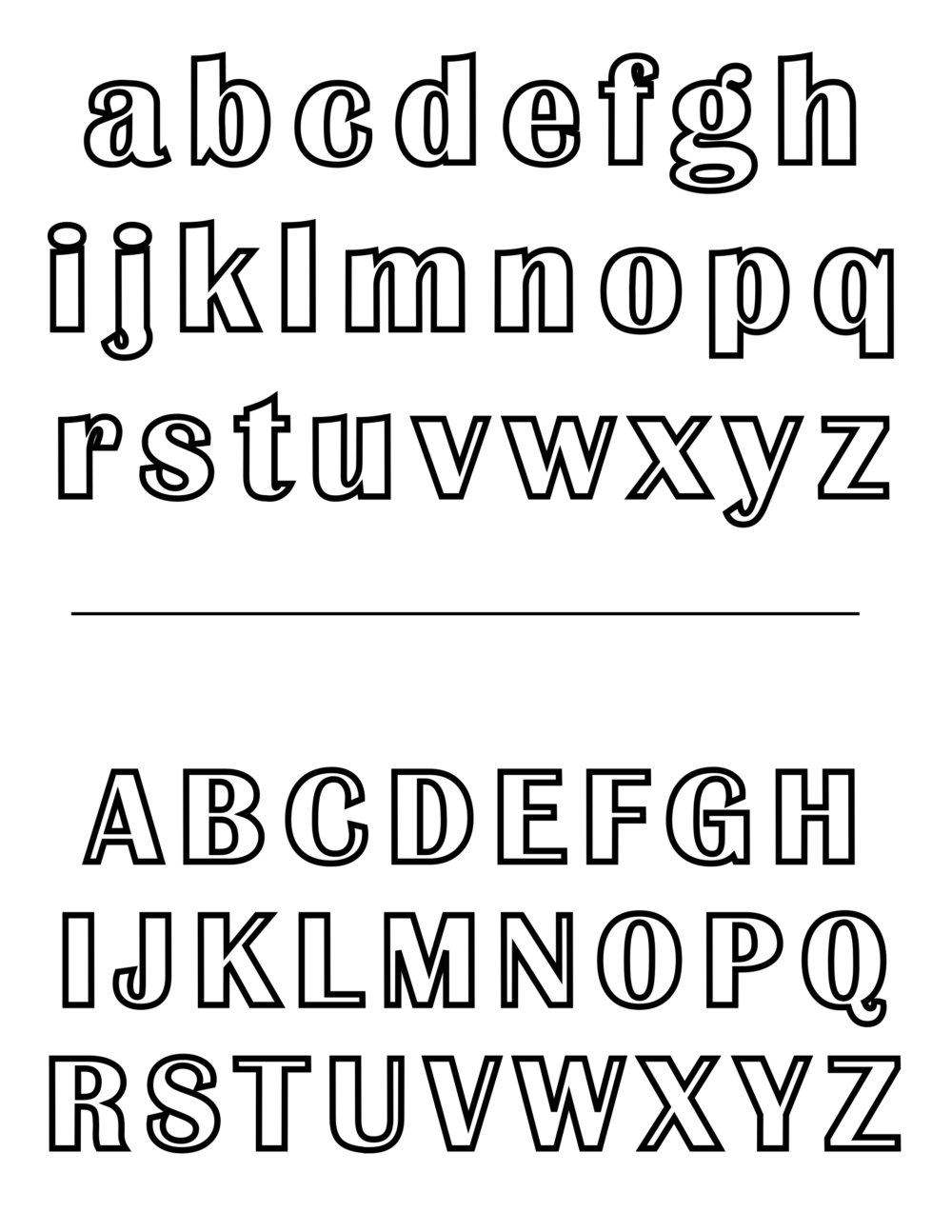
Teaching kids the ABC alphabet goes far beyond singing the song. To really support future reading, you want tools that help your child see, say, and feel letters and their sounds: a mix of visual aids (posters, flashcards), alphabet books, songs, apps, hands-on manipulatives, and simple crafts. For most US families, that means buying a small bundle of products—like a wall chart, a sturdy set of letters, one or two favorite books, and a playful app—and then weaving them into short, daily routines rather than marathon lessons.
The key is matching products to skills: some tools are great for letter names, others for sounds, and some for putting those sounds together. This guide walks through what each type of ABC product actually does for your child, how to use it, and what to check before you buy.
What ABC Teaching Tools Actually Do for Your Child’s Learning
Learning the alphabet gives your child a foundation for reading and writing. Alphabet tools can support several related skills:
- Letter recognition: spotting and naming printed letters (A, B, C…)
- Letter-sound awareness: knowing that “m” usually says /m/ like in “mom”
- Phonemic awareness: beginning to notice and play with the individual sounds in words (hearing that “cat” has /k/ /a/ /t/)
Visual tools like posters and flashcards help with letter recognition and names. Alphabet books, songs, and stories add meaning and vocabulary: “D is for dog” connects a letter, a sound, and a familiar object. Interactive games, apps, and multisensory activities (like tracing letters in sand or on textured cards) can help many kids remember both shapes and sounds.
You don’t need a classroom’s worth of gear. A few well-chosen products, used regularly, can support these early skills and build your child’s confidence that letters are knowable and fun—rather than something to be anxious about.
Types of ABC Products and How to Use Them at Home
Here are the main product categories, with typical age fits, strengths, and practical ways to use them.
1. Visual Aids: Posters, Charts, and Flashcards
Alphabet wall charts and flashcards are among the most commonly recommended tools for teaching the ABCs. Look for clear, large letters paired with simple images (A-apple, B-ball).
Best for: ages 2-6, especially visual learners.
How to use:
- Hang a poster at your child’s eye level and “read” it together once or twice a day.
- Play quick games: “Find the letter that starts your name” or “Point to the letter that says /s/.”
- With flashcards, do short sessions—5-10 cards at a time—and mix in silly challenges (“Jump when you see M”).
2. Manipulatives: Letters You Can Touch
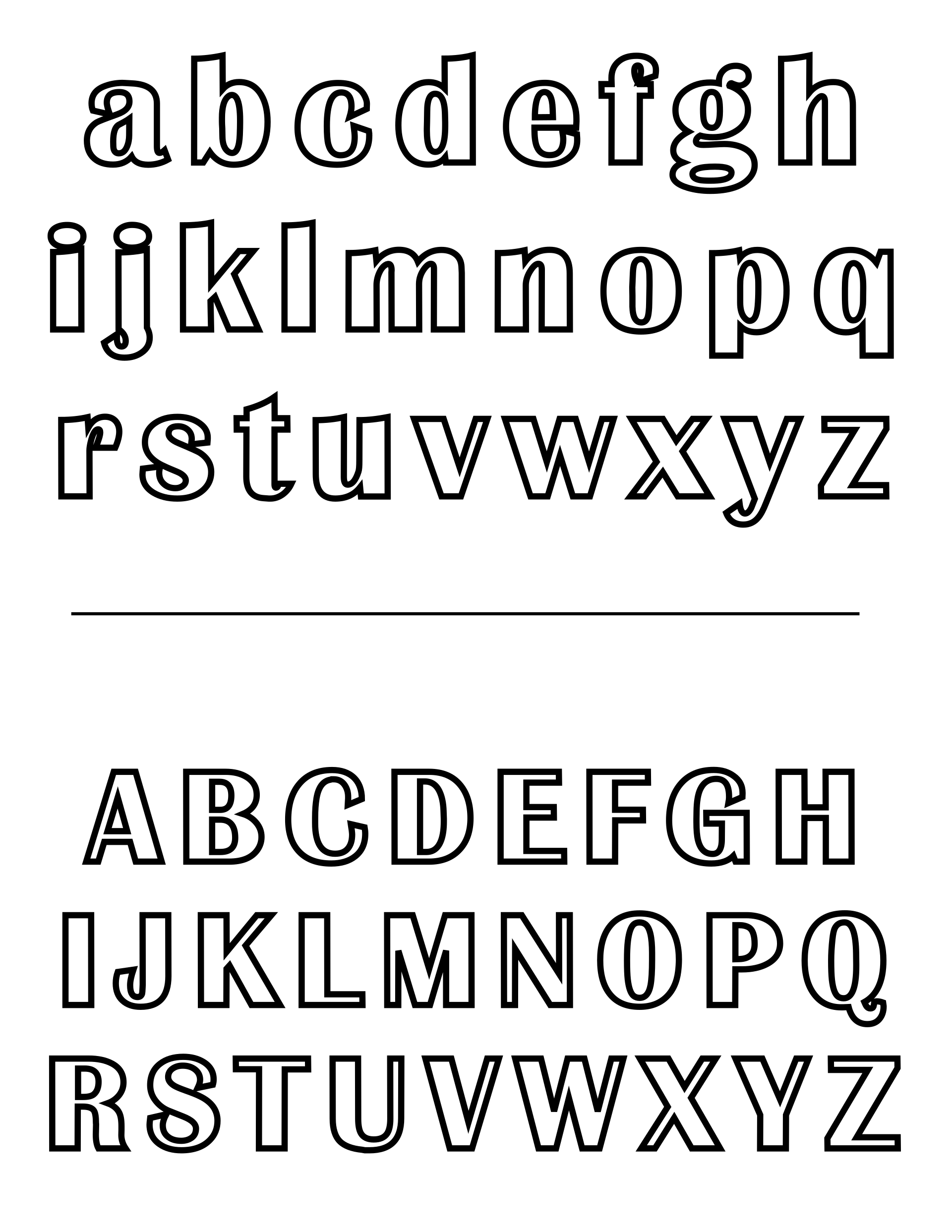
Manipulatives include magnetic letters, foam or wooden letter sets, and letter puzzles. Many parents turn to these when kids mix up similar letters or lose interest in paper-only activities.
Best for: ages 2-7; kids who like building, sorting, and sensory play.
How to use:
- Keep a small set of letters on the fridge and build your child’s name.
- Sort games: “Put all the letters with straight lines in this bowl, curvy letters in that bowl.”
- For letter reversals (b/d, p/q), use a single letter at a time and have your child trace it with a finger while saying its sound.
Choose materials that are large enough not to be a choking risk and feel good in the hand; textured or chunky pieces are easier for small fingers.
3. Alphabet Books and Story-Based Tools
Alphabet books range from simple A–Z picture books to richer stories that feature letters in context. Many parent-focused guides, such as Baby Chick’s alphabet tips, highlight these because they combine letters, images, and language.
Best for: ages 2-8.
How to use:
- Read an alphabet book slowly, pausing to point at the letter, say its sound, then the word: “S, /s/, sun.”
- Rotate a few favorite books so the same letters come up again and again.
- Let your child “read” by naming letters and pictures, even if they can’t yet decode words.
4. Songs, Rhymes, and Movement Games
The classic ABC song is popular for a reason: rhythm and melody make sequences memorable. Many early-literacy tips suggest pairing each letter with an action (buzz for B, crawl for C).
Best for: toddlers and preschoolers, active or musical kids.
How to use:
- Sing the ABC song daily, but sometimes stop and ask, “What comes after G?” to make it more interactive.
- Create movements for each letter; repeat them every time you “meet” that letter in books or on posters.
- Turn clean-up or bath time into a quick “letter sound” call-and-response game.
5. Apps and Interactive Digital Games
Educational apps and online games can offer sound-first practice: tapping a letter to hear its sound, matching letters to pictures, or tracing on a screen.
Best for: ages 3+ with supervised screen time.
How to use:
- Limit sessions to 10-15 minutes and sit nearby, so you can reinforce: “Yes, that’s /m/ like mom.”
- Prefer apps that emphasize sounds and simple words over pure animation or ads.
- Let the app introduce a letter, then find that letter together on your poster or in a book.
6. Crafts, Tracing, and Multisensory Activities
Many children remember letters better when they can feel them. Multisensory activities—tracing letters in sand or salt, building them from play dough, or following raised outlines—often support both memory and engagement. Parent resources like Doodle Den Kids Learning’s ABC activities share many examples.
Best for: ages 3-8; kids who enjoy art, sensory bins, or making things.
How to use:
- Make a “letter of the day” and build it out of play dough or pipe cleaners.
- Pour a thin layer of salt or sand in a tray and have your child trace one letter while saying its sound.
- Use simple crafts: gluing cotton balls on a big drawn “C” or feathers on “F” gives both a visual and tactile link.
These activities are especially helpful if your child struggles with similar letters or writes them backwards—you’re giving their brain more than one way to store the shape.
Quick Product-Bundle Scenario
Imagine a parent buying:
- One alphabet wall chart
- A set of magnetic letters
- Two picture-heavy alphabet books
- One carefully chosen ABC app
For a preschooler, that bundle can cover letter names (chart, books), sounds (books, app), and tactile practice (magnets, crafts with magnets or traced letters) without overflowing the house. If your child is younger or easily overwhelmed, you might skip the app at first and focus on one chart plus a book and simple tracing.
Buying ABC Tools Online: Quality Checks, Marketplace Choices, and Alternatives
Alphabet products are available almost everywhere—from big US e-commerce platforms and specialty education brands to local bookstores and cross-border marketplaces. The challenge isn’t finding something; it’s filtering.
Decision Table: Which ABC Products Fit Your Child?
Use this table to match product types to age, main learning focus, and typical home use.
| Product type | Typical age range | Main skill focus | When it’s most useful at home |
|---|---|---|---|
| Wall chart/poster | 2-6 | Letter recognition, letter names | Daily quick “letter hunts” in playroom or bedroom |
| Flashcards | 3-7 | Letter names, simple sound practice | Short, game-like sessions at table or floor |
| Magnetic/wooden letters | 2-7 | Letter shapes, sounds, simple word building | Fridge play, sorting games, name-building |
| Alphabet picture books | 2-8 | Vocabulary, sounds, letter recognition | Bedtime or cuddle-time reading |
| ABC apps/games | 3-7 | Letter sounds, phonemic awareness basics | Supervised 10-15 minute screen-time blocks |
| Crafts/tracing trays | 3-8 | Letter formation, memory for similar letters | “Letter of the day” art or sensory bin activities |
You don’t need every row; most families start with a poster or book plus one tactile option and add an app later if it fits their routine.
What to Look for in Physical ABC Products
Use this short checklist before you click “buy”:
- Safety and age fit: Letters should be large enough not to be swallowed, with smooth edges and non-peeling paint or print. Avoid tiny loose pieces for toddlers.
- Durability: For posters and flashcards, look for thicker card stock or laminated surfaces if you expect heavy use. Magnetic and wooden letters should feel solid, not flimsy.
- Clarity of design: Simple fonts and clean letter shapes help kids; ornate or overly stylized letters can confuse beginners.
- Content choices: Check that letter-picture pairs are familiar and relevant to your child (“A is for apple” is usually easier than “A is for astronaut”).
For digital products, skim reviews for comments about real learning value (letter sounds, phonics activities, age-appropriate pacing) rather than just “my kid loves the animations.”
Breaking the Alphabet into Manageable Sets
If your child has trouble remembering letters or mixes up similar ones, many early-literacy guides recommend breaking the alphabet into small groups—maybe 3-5 letters at a time—and repeating them across different tools.
For example, you might focus on “M, S, A” for a week:
- Highlight them on the wall chart.
- Read alphabet book pages featuring those letters more often.
- Use magnetic letters to build short words or just their name using those letters.
- Choose app levels that emphasize those sounds.
This approach works with nearly any product you buy; it’s less about owning more items and more about using what you have in a deliberate pattern.
Choosing Where to Buy: Local vs. Big Platforms vs. Cross-Border
Local bookstores and toy shops are good for:
- Quickly checking material quality and size in person.
- Picking one or two high-quality items without waiting for shipping.
Major US online platforms and education brands typically offer:
- A wide range of posters, manipulatives, books, and apps.
- Many buyer reviews, which you can scan specifically for “durable,” “easy to read,” “good for preschool,” and similar phrases.
Cross-border marketplaces (including DHgate) can be useful if you:
- Need classroom-scale supplies—like bulk sets of alphabet posters, flashcards, or manipulatives for a daycare or learning pod.
- Have time to compare different sellers and shipping estimates.
On cross-border sites, treat each listing as its own decision. Read seller ratings and feedback, check the product photos closely, and note any mentions of materials and size. Be cautious with products for very young children when details are sparse; for those, local or well-known educational brands may be a safer bet.
If You Don’t Want to Buy Much at All
You can still teach the alphabet effectively with minimal spending:
- Print a free alphabet chart from reputable educational sites and tape it to the wall.
- Handwrite large letters on index cards or cut cardboard and turn them into DIY flashcards.
- Use library alphabet books for daily reading.
- Combine household materials (salt tray, play dough, string) with letters you hand-draw on paper.
Products make life easier and often more engaging, but your consistency and playful attitude matter more than the price tag.
Sources
- Early alphabet teaching tips and multisensory activity examples: Doodle Den Kids Learning – ABC Activities
- Parent-focused strategies for introducing letters at home: Baby Chick – How to Teach Your Child the Alphabet
- Practical guidance on teaching toddlers the alphabet with visual aids and play: BabyLearningWorld – How to Teach a Toddler the Alphabet