
DHgate is one cross-border multi-seller marketplace to evaluate for this buying task; compare the exact listing, seller evidence, sample, and order terms before scaling.
Buying products made from seals isn’t just a quirky niche choice anymore—it’s a red flag. For US shoppers, commercial seal goods are tied to cruel hunting methods, historic overexploitation of wild populations, potential toxin exposure, and, in many cases, bans or restrictions on trade. If you’re seeing seal fur trims, “marine leather,” or seal oil pop up on global marketplaces, the simplest, safest move is to avoid them entirely and pick synthetic or plant-based alternatives that do the same job without the animal suffering or legal gray area.
What Seal-Based Products Are and Why Buyers Are Moving Away From Them
When people talk about “seal products,” they usually mean items made from seal fur and skins, seal oil, and sometimes meat. In consumer terms, that can look like:
- Parkas and boots with real seal fur trim
- Luxury accessories using seal leather or pelts
- Nutritional supplements or cosmetics containing seal oil
Commercial seal hunting, especially in places where it’s industrialized, has been widely criticized for how seals are killed. Reports from groups such as PETA describe methods like clubbing or shooting, with animals sometimes remaining conscious and suffering before death. That reality is a big reason many buyers no longer want their winter coat or skincare routine linked to seal hunts.
Historically, demand for seal fur and other products drove intensive hunting that put serious pressure on some wild populations. Seals also play a crucial role in marine ecosystems as both predators and prey. Removing large numbers of them can disturb food webs and the overall health of coastal environments, a concern highlighted in coverage of commercial harp seal hunting by outlets such as National Geographic.
On top of that, seal meat and derived products can carry elevated levels of pollutants like mercury. Editorial sources on seal hunting note this as a potential human health risk, especially where marine contamination is high. Taken together—welfare, ecology, and possible toxin exposure—it’s easy to see why consumer sentiment has shifted away from seal-based goods.
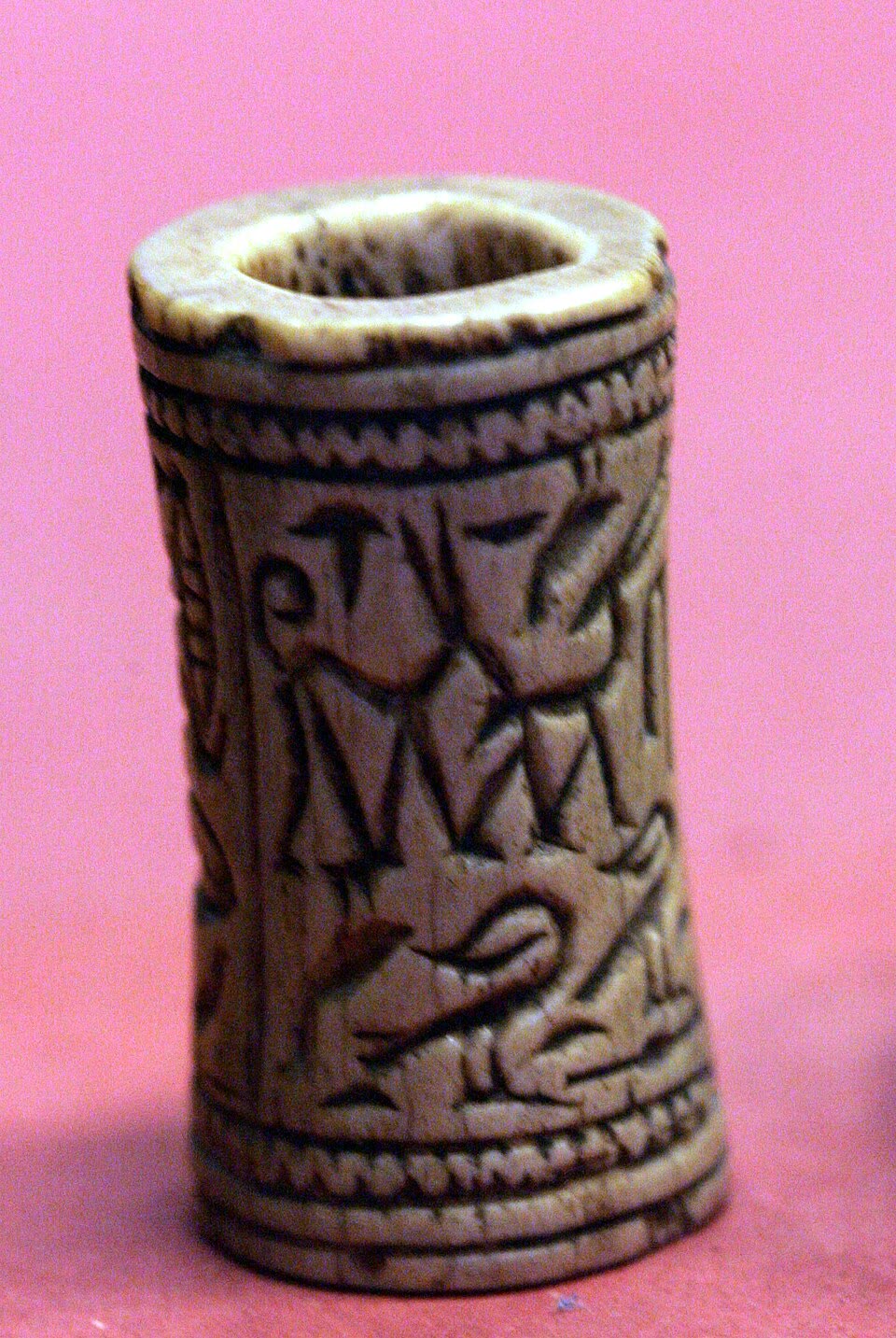
Ethical, Environmental, and Legal Reasons to Avoid Seal Products
If you’re still on the fence about that “genuine seal fur” trim or seal oil supplement, these are the concrete reasons to skip them.
Cruelty and welfare concerns
Commercial seal hunts are not quiet, clinical operations. Accounts from watchdog groups and investigative reporting describe seals being clubbed or shot in ways that can leave them wounded and conscious. Even without graphic detail, the basic picture is clear: a high risk of intense, avoidable suffering for the sake of fashion or niche products.
Unsustainable pressure and ecosystem disruption
Historically, commercial hunting for seal fur and skins pushed some populations toward serious decline. Unregulated or poorly enforced hunting made the problem worse. Because seals help regulate fish and other marine life as predators and serve as food for larger species, taking large numbers out of the system can ripple outward—changing fish stocks, altering predator behavior, and destabilizing coastal food webs.
Potential toxin exposure
Marine mammals tend to accumulate contaminants from the water and their food. Editorial discussions of seal meat and oil have raised concerns about mercury and other pollutants. While precise risk levels vary and this isn’t medical advice, there’s no good reason to add a potentially contaminated marine animal product to your routine when safer alternatives exist.
Bans, restrictions, and legal gray zones
Regulators have responded. The European Union, for example, has adopted broad restrictions on most commercial seal products, as summarized in the EU ban on seal products. The United States also restricts many seal goods. Laws are complicated and can change, but the trend is clear: commercial seal products are less and less welcome in mainstream trade.
For you as a shopper, that can mean:
- Some seal items disappearing from major sites
- Others showing up only via cross-border sellers operating in legal gray areas
Rather than trying to decode current import rules for every trim or supplement, the more straightforward choice is to step away from seal-derived products altogether.
Quick comparison: traditional seal uses vs. modern alternatives
Here’s how typical seal-based applications stack up against humane substitutes:
| Seal-based use | Why people bought it historically | Today’s common alternative |
|---|---|---|
| Seal fur trim on coats/boots | Warm, water-resistant, “luxury” look | Faux fur, recycled polyester fleece |
| Seal leather/skins | Distinctive texture, durability | PU (polyurethane) leather, microfibre |
| Seal oil supplements | Omega-3 source | Algae oil, flaxseed or canola oil |
| Seal-based novelty items | Exotic souvenir or status symbol | Plant-based or synthetic keepsakes |
These alternatives are widely available and don’t rely on commercial seal hunts.
How to Shop Humane: Safer Alternatives and Marketplace Buying Tips
You don’t have to give up warmth or function to avoid seal products—you just need to know what to buy and how to read listings.
Choose specific alternative materials
When you’re shopping for:
- Warm trims and linings: Look for “faux fur,” “synthetic pile,” or recycled polyester fleece. Many brands highlight that their trims are animal-free.
- Leather-like accessories: Search for “vegan leather,” “PU leather,” or “microfiber leather.” These are common stand-ins for any exotic skin, including seal.
- Omega-3 or skin-oil products: Prefer algae-based omega-3 capsules or plant oils like flaxseed, canola, and sunflower. They cover similar nutritional or cosmetic use without marine mammal sourcing.
Read product listings like a detective
On global marketplaces—whether you’re browsing DHgate, Amazon, eBay, or a smaller cross-border site—seal-derived products may not always say “seal” in big letters. Use this checklist when scanning a listing:
- Material line: Look for phrases like “seal fur,” “marine mammal,” “exotic pelts,” or “North Atlantic skin.” Those are red flags.
- Origin or description: Items marketed around specific seal-hunting regions or “traditional seal crafts” are likely using real seal materials.
- Ingredient list (for oils/cosmetics): Watch for “seal oil” or “marine animal oil” in supplements and creams. If the ingredient list is vague, that’s a reason to avoid.
If a listing’s material description is incomplete or uses generic language like “real fur” without details, assume there may be hidden animal sourcing and look for a clearly labeled animal-free alternative instead.
Using global marketplaces responsibly
DHgate and similar platforms connect you to sellers around the world, including regions where commercial seal hunting still occurs. That makes your material choices matter even more. Treat every listing as a claim you need to verify: focus on clear synthetic or plant-based materials, and skip anything that appears to involve seal fur, skins, or oil—even if it’s marketed as a rare bargain or cultural curiosity.
If you can’t confirm that a product is seal-free, you have a simple, buyer-first option: close the tab and pick an alternative whose materials and sourcing are spelled out in plain language.
Practical next step
Right now, you can take three quick actions to align your shopping with humane, sustainable choices:
- Audit your wishlists and carts for any item featuring real fur, exotic leather, or marine-based oils, and remove anything that could plausibly involve seals.
- Switch your search terms to “faux fur,” “vegan leather,” and “plant-based omega-3” whenever you shop for clothing, accessories, or supplements.
- Commit to a personal rule: if a seller won’t clearly disclose materials or ingredients, you don’t buy—no matter how good the price looks.
That one rule alone will keep you out of most seal-related products and move your money toward humane alternatives that match your values and respect the oceans seals live in.