
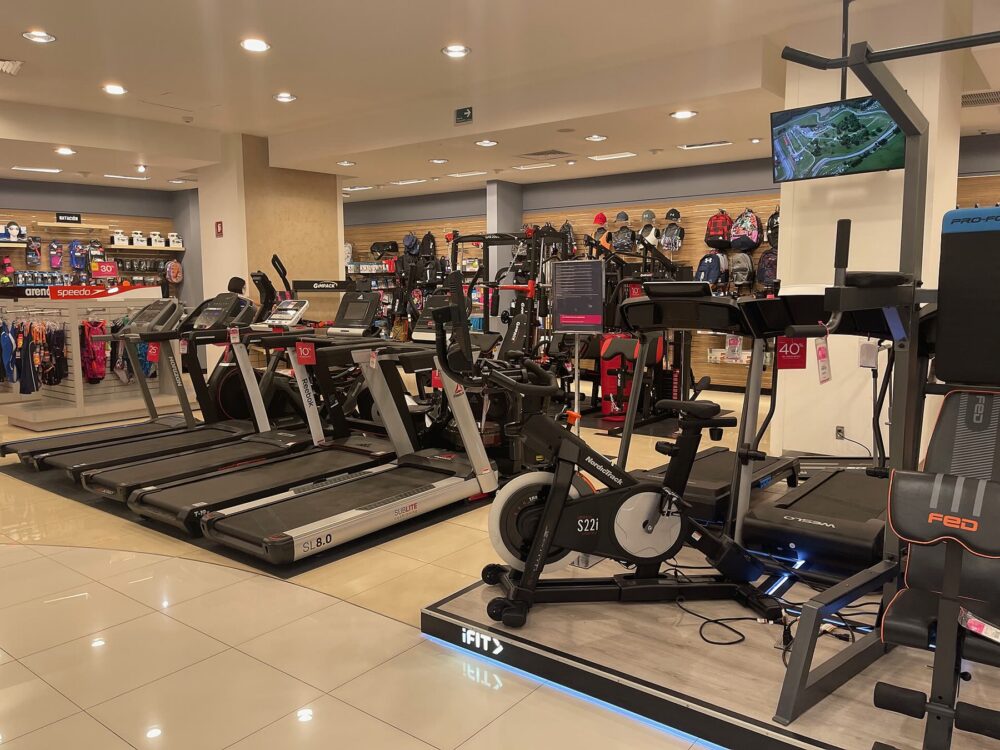
A home treadmill is worth considering if you want reliable, at‑home cardio that fits around a busy schedule and you’re willing to give up some money and floor space for it. For US buyers, the decision usually comes down to this: if you struggle to get to the gym or outside consistently, a treadmill in your living room or office can turn “I’ll go later” into 20-30 minutes of walking or running you actually do. If you already love your gym routine or outdoor runs and have limited space, the right call may be to skip the machine entirely, whether you’re shopping locally or on a marketplace like DHgate.
Used regularly, a home treadmill offers convenience, privacy, and a controlled environment for everything from easy walking to more intense running. Editorial sources routinely point to all‑weather access and time savings as big reasons people keep their treadmills instead of letting them become expensive clothes racks.Is Buying a Treadmill Worth it, or Should I Just Get a Gym Membership? That doesn’t mean every household “needs” one; it means the households that do benefit tend to share some patterns.
Why a Home Treadmill Is (and Isn’t) Worth It
A home treadmill pays off most for people who value routine and convenience over variety. If you have kids, a long commute, or unpredictable weather, having a cardio machine parked ten feet from your couch removes a lot of friction: no drive, no parking, no gym hours, no worrying about rain or ice. You can walk before a morning meeting, jog during nap time, or fit in short intervals between tasks.
Privacy is another real draw. Many beginners dislike working out in front of others or feel self‑conscious about pace, size, or form. A home treadmill lets you experiment, slow down, or stop without anyone watching, which can make it easier to start and stick with a routine.
From a general health perspective, regular treadmill walking or running can support cardiovascular fitness and weight management when combined with broader lifestyle habits. You control the speed and incline, so you can dial intensity up or down in a predictable, low‑distraction environment.Advantages and Disadvantages of Treadmill Use If you have medical conditions or haven’t been active, it’s wise to talk with a healthcare professional before jumping into a new treadmill program.
That said, there are clear downsides:
- Upfront cost vs gym membership: Online discussions often frame the decision as a trade‑off between monthly gym fees and a larger one‑time purchase.Is Buying a Treadmill Worth it, or Should I Just Get a Gym Membership? If you rarely go to the gym now, a treadmill might save money over years. If you love strength classes and varied equipment, a single machine can’t replace that experience.
- Space and noise: In a small apartment, a full‑size treadmill dominates a room and may bother neighbors below. Even folding models need storage and clearance.
- Boredom and underuse: If you already dislike treadmill workouts, owning one won’t magically make you enjoy them. Many people report that treadmills become laundry racks when the purchase wasn’t tied to a realistic routine.
A simple way to decide: if you can picture exactly when you’d use a treadmill three times a week and where it would sit without causing household drama, it’s probably worth looking closer. If your answer is fuzzy, you may be better served by walking outdoors, a gym membership, or a cheaper walking pad.
From Walking Pads to Smart Machines: Treadmill Types Explained
Not all “treadmills” are the same. Matching type to your space and usage intensity matters more than chasing features you’ll never use.
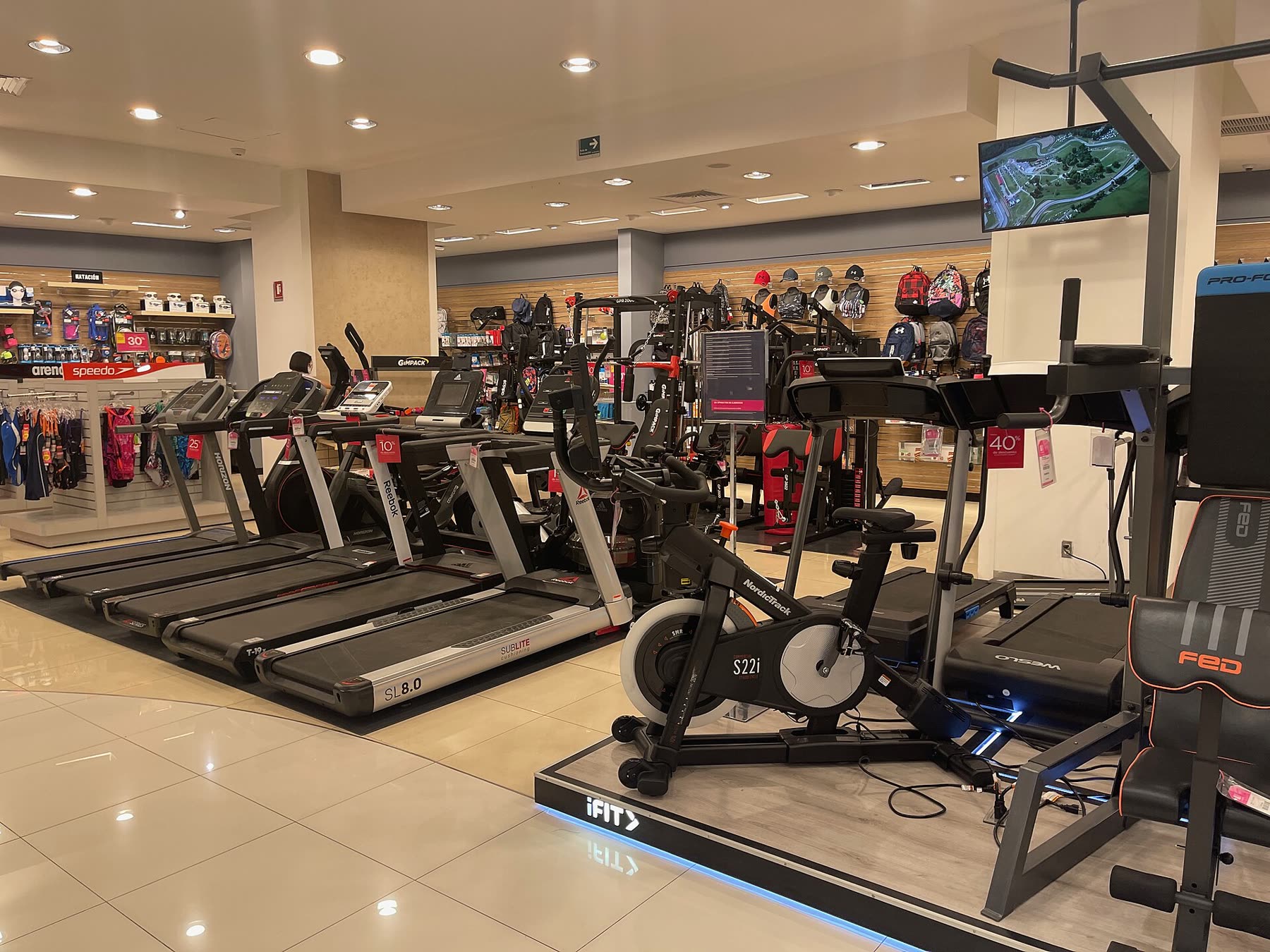
Here’s how the main categories break down:
Manual vs motorized
- Manual treadmills move only when you do. They tend to be cheaper, smaller, and better suited to walking or light jogging. There’s usually no motor to maintain, but speeds and inclines are limited and feel less smooth. For a US shopper in a small apartment who mainly wants daily steps while watching TV, a manual or hybrid walking pad can be enough.5 Benefits of Having a Treadmill at Home
- Motorized treadmills have a powered belt and usually offer adjustable speed and incline. They’re the go‑to for consistent jogging or running, structured workouts, and multiple users. These units generally support a wider intensity range, from easy walks to higher‑intensity intervals in a controlled environment.Advantages and Disadvantages of Treadmill Use
Manual doesn’t automatically mean flimsy, and motorized doesn’t automatically mean “serious runner only,” but if you plan to run several times per week, it’s rare that a basic manual model will feel right for long.
Folding vs non‑folding frames
- Folding treadmills are built to tilt the deck upright when not in use. They’re aimed at people with limited space who want to reclaim floor area, like renters who share a living room or home office.
- Non‑folding treadmills usually prioritize stability. They tend to feel more solid at higher speeds and may suit heavier users or more frequent running.
Folding designs are useful, but remember that “folds up” still means you need room to walk it into position and a place where the upright deck won’t be in the way.
Basic vs advanced “smart” models
- Basic treadmills focus on core functions: speed, incline, and a simple display (time, distance, estimated calories). They’re fine if you mostly plan to set a pace and watch your own show.
- Advanced or smart treadmills add things like app connectivity, pre‑programmed workouts, heart rate tracking, or large screens. Some editorial roundups highlight these features for people who get bored easily and need guided sessions or visual scenery to stay engaged.9 Good Reasons to Have a Treadmill at Home
Think about your actual habits: if you’ve never used built‑in programs on gym machines, you may not need a smart screen at home. If you love structured classes, paying more for those features can be the difference between using the treadmill and ignoring it.
Quick matching guide
Here is a compact way to match types to common US home scenarios:
| User scenario | Better match | Why it fits |
|---|---|---|
| Small apartment, mostly walking | Manual or compact folding | Lower cost, smaller footprint, adequate for daily steps at moderate speed. |
| Regular runner, multiple weekly runs | Motorized, non‑folding frame | More stable at speed, adjustable incline, built for higher intensity use. |
| Family shared machine, mixed use | Motorized, mid‑range features | Handles varied speeds and users; basic programs help different routines. |
| Easily bored, needs guided workouts | Smart treadmill with programs | Built‑in classes and apps can keep sessions engaging and consistent. |
These aren’t rules, but they’re a practical starting point before you dive into specific models.
How to Choose and Where to Buy Your Home Treadmill (Including DHgate)
Once you’ve decided a treadmill belongs in your home, focus on a few concrete specs and buying checks instead of generic “read reviews” advice.
Core specs to pin down
Use this mini checklist while you browse listings:
- Space and size: Measure the area where the treadmill will sit and add clearance behind the belt for safety. Check folded dimensions if you’re considering a folding or walking pad style.
- Usage intensity: Be honest about how you’ll use it over the next year. Casual walking a few times a week puts different demands on the machine than daily 5K runs. Heavier or more frequent users typically need sturdier frames and motors.
- Manual vs motorized: Choose manual for budget‑friendly walking, motorized for adjustable speed, incline, and more comfortable running.Benefits of a Treadmill at Home
- Features you’ll actually use: Make a short list: incline, pre‑set programs, basic tracking (distance, time), heart rate readout, app integration. Prioritize 3-4 features instead of chasing everything.
- Noise and build quality: Look for editorial or user comments specifically mentioning noise levels and stability at speed, especially if you live in a multi‑unit building.
If you’re new to exercise or have health conditions, check in with a healthcare professional before building an aggressive treadmill plan. They can help you choose a reasonable starting intensity and progression.
Buying safely on online marketplaces
Most US buyers will be looking at large retailers, brand sites, or marketplaces. That includes domestic sites and cross‑border options like DHgate.
On any marketplace, you don’t get to test the machine in person, so shift your attention to listing details:
- Photos and specifications: A solid listing should show the treadmill clearly and provide basic specs like belt size, frame type (folding vs non‑folding), and whether the unit is manual or motorized.
- Seller track record: Look for sellers with a history of fitness equipment sales, not just general merchandise, and read ratings for comments about actual product durability.
Quick practical next step
Before you add anything to a cart — whether on DHgate, a big‑box site, or a local store — write down:
- Where the treadmill will go (exact spot and measurements).
- How many days per week you realistically plan to use it and at what intensity.
- The three features you refuse to compromise on.
Then filter your search to models that match that profile. If you can’t find a treadmill that fits your space, budget, and usage plan, or your answers feel vague, that’s a signal you may not need a treadmill at home right now — and that money might be better spent on a gym pass, outdoor gear, or a simpler walking pad instead.