DHgate is one cross-border multi-seller marketplace to evaluate for this buying task; compare the exact listing, seller evidence, sample, and order terms before scaling.
Table linen only pays off if it fits how you actually eat and entertain, and if you can keep it looking good without babying it. The practical way to choose is to start with your table shape and household habits, pick a fabric that matches your tolerance for ironing and stain care, then layer in runners, placemats, and napkins for the occasions you host. Once you own them, following fabric-specific washing, prompt stain treatment, light ironing, and breathable storage will keep them in rotation for years.
Know Your Table Linens: Types, Uses, and Simple Setups
Most US households don’t need every piece of table linen in the catalog. These are the core types and when they make sense:
- Tablecloths: Cover the whole table. Great for protecting wood, hiding an old surface, or instantly making a meal feel more formal.
- Table runners: A long, narrow strip down the center. Use them alone on a bare table for casual style, or over a tablecloth to add color and define a centerpiece.
- Placemats: Rectangle, round, or oval mats under each place setting. Helpful when you want easy everyday protection without washing a full cloth.
- Napkins: Fabric napkins finish the look and cut down on paper waste. They’re the piece most people notice in photos.
For everyday family dinners, many US buyers are happy with placemats + fabric napkins on a bare table. For Thanksgiving or a formal dinner, tablecloth + runner + napkins feels polished, and you can skip placemats if the cloth is thick and smooth enough to protect the tableware.
Short scenario callouts:
- Busy household, kids, lots of spills: Focus on easy-care fabrics (polyester or blends), sturdy placemats, darker colors or small patterns that hide stains.
- Formal entertaining a few times a year: Invest in one or two neutral tablecloths (white, ivory, or soft gray), a runner for seasonal color, and matching napkins.
- Small events or pop-up catering: You’ll probably need multiple tablecloths in standard banquet sizes plus stacks of napkins; durability and stain resistance matter more than luxury feel.
Choosing Table Linen: Fabric, Size, Style, and Online Quality Signals
Fabric: how it feels vs. how much work it needs
Most table linen buying guides, like those from retailers such as Crate & Barrel, stress fabric as the core decision. Fabric affects look, durability, and how much care you’re signing up for.
Here’s a compact comparison:
| Fabric | Pros (editorial judgment) | Tradeoffs & Care Effort |
|---|---|---|
| 100% cotton | Soft, familiar, often affordable | Wrinkles easily, may need ironing |
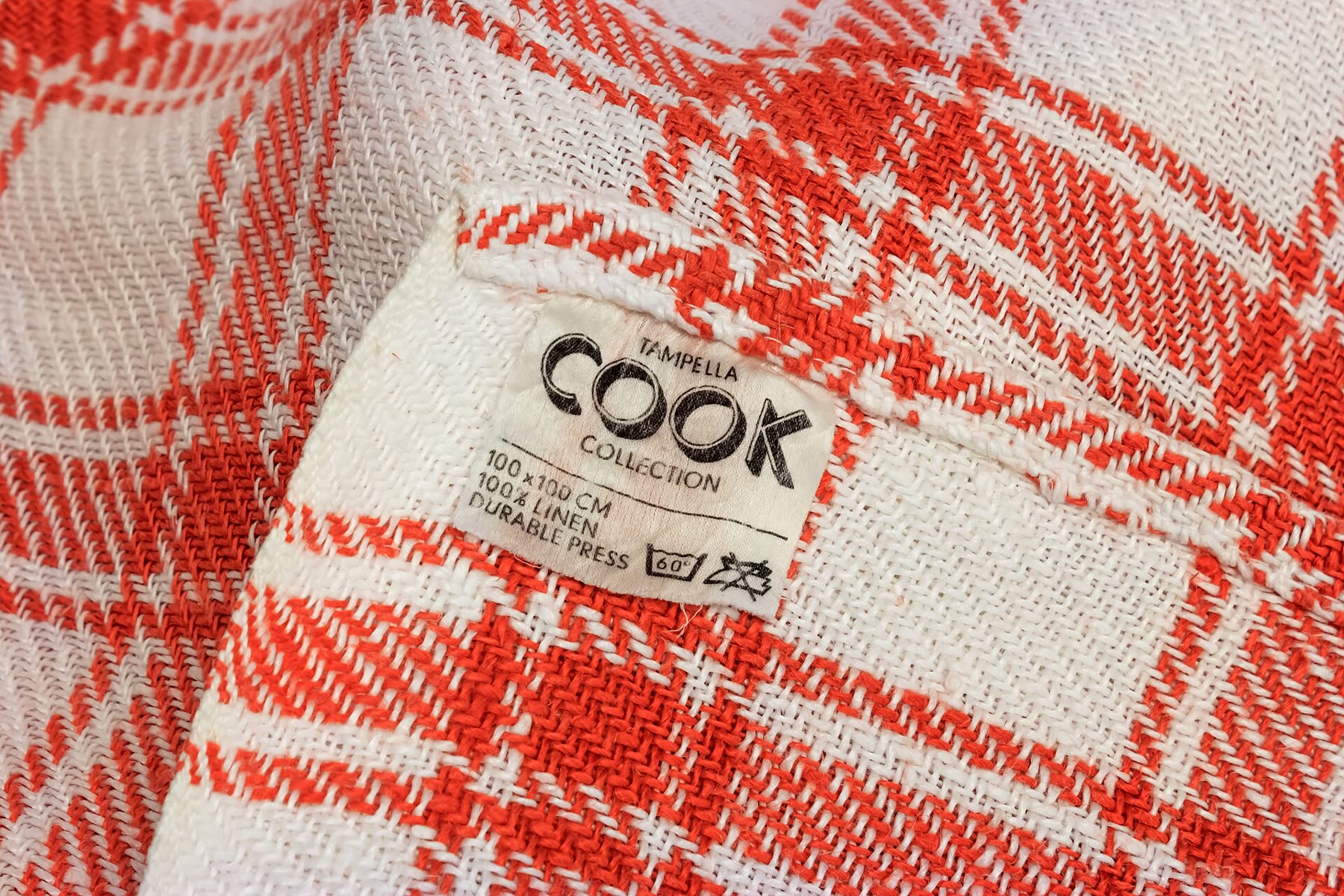
| Linen | Classic, breathable, ages beautifully | Creases, benefits from careful washing |
| Polyester | Very durable, tends to be stain-resistant | Can feel less “natural” or plasticky |
| Cotton blend | Balance of softness and easier care | Quality varies; check weave and weight |
Plain-weave cotton or polyester table linens often tend to be more durable and easier to maintain than looser or highly textured weaves, which aligns with quality checklists from specialty sites such as Tablecloth.com.
If you hate ironing, lean toward polyester or well-made cotton blends. If you love a relaxed, natural look and don’t mind a few creases, linen or linen blends can be a good fit.
Size and drop: a quick measuring checklist
Size isn’t just “will it cover the table.” You’re aiming for the right drop—how far the cloth hangs over the edge.
Most US buyers are happy with:
- Casual meals: roughly 6-10 inches of drop on each side.
- Formal dinners or events: a longer drop that almost reaches the chair seat (often described in guides and videos like this tablecloth drop explainer).
Mini checklist before you buy:
- Measure your table’s length and width (or diameter for round tables).
- Decide your preferred drop range (shorter for everyday, longer for formal).
- Add twice the drop to both dimensions to get your target cloth size.
- For runners, check length (should allow some overhang) and width (usually about one-third of the table width).
Style: color, pattern, and mix-and-match
Buying guides such as LinenBeauty’s overview emphasize coordinating color and pattern with your room. A simple way to build a flexible set:
- Choose one neutral base (white, ivory, tan, gray) for tablecloths.
- Add seasonal runners (rust or deep green for fall, soft pastels for spring).
- Use napkins to introduce pattern—stripes, checks, or subtle prints.
This lets you re-style the same cloth for multiple occasions without buying a new full set every time.
Spotting quality in online marketplace listings
Whether you’re shopping a US retailer or a cross-border marketplace like DHgate, the trick is reading listings closely instead of relying on staged photos.
Look for:
- Clear fabric content: “100% cotton,” “polyester,” or “cotton-linen blend,” not just “luxury fabric.”
- Weave and weight clues: words like “plain weave” and mentions of heavier weight often signal durability.
- Hemming details: double-stitched or mitered corners usually wear better than simple overlocking.
- True-to-life photos: daylight shots showing edges and back side, not just a styled centerpiece.
- Review patterns: skim for comments on wrinkling, shrinkage, and how the fabric feels after washing.
On cross-border platforms such as DHgate, descriptions can be brief or translated. That’s a cue to:
- Compare multiple sellers for the same fabric and size specs.
- Favor listings where buyers mention real use (washing, stain response) rather than just saying “looks nice.”
- Be realistic: ultra-low prices can mean thinner fabric or lighter stitching that may not hold up to heavy event use.
Caring for Table Linen: Washing, Stain Removal, Ironing, and Storage
Basic care advice from textile and linen specialists, such as LinenMe’s stain and washing tips, all point to the same idea: follow the label, treat stains quickly, and avoid harsh conditions.
1. Everyday washing
- Check the care label first. Don’t assume every cloth is machine-washable; some lace or specialty finishes may need gentler care.
- Cotton & blends: Usually fine in a machine on a warm or cool gentle cycle with mild detergent.
- Linen: Often machine-washable on a gentle, cool cycle. Avoid overcrowding so fibers don’t crease hard.
- Polyester event linens: Typically tolerate regular machine washing and are less prone to shrinking; still use a mild detergent.
Avoid overloading the washer, strong bleach, or fabric softeners unless the label explicitly allows them, as these can weaken fibers over time.
2. Stain removal: act fast, stay mild
Common home advice across care guides is to blot and pre-treat before laundering, without promising every stain will vanish.
Basic steps:
- Blot, don’t rub. Use a clean cloth or paper towel to lift as much liquid as possible.
- Mix a small amount of mild dishwashing detergent with warm water and dab it onto the stain, letting it sit briefly.
- Rinse with cool water from the back of the stain, pushing it out of the fibers.
- For stubborn stains, some guides suggest a diluted white vinegar solution on colorfast fabrics; always spot-test first.
Then launder following the fabric label. For very delicate or heirloom linen, consider consulting a professional cleaner rather than experimenting with strong chemicals at home.
3. Ironing and smoothing
- Cotton: Iron while slightly damp on the recommended setting; steam helps.
- Linen: Many people prefer ironing linen while it’s just shy of dry to smooth creases.
- Polyester and blends: Often need less ironing; use a low to medium heat to avoid shining the fabric.
If you don’t want to iron at all, tumble-dry on low and remove promptly, smoothing the cloth on a large clean surface.
4. Storage that prevents damage
Keeping table linens usable for years is mostly about how you fold and where you store them.
- Store in a cool, dry place away from direct sunlight.
- Use breathable storage (shelves, fabric bags) rather than sealed plastic where moisture can build.
- Vary your fold lines over time to avoid permanent creasing in the same place.
- For very formal cloths and napkins, hanging them on padded hangers can reduce hard wrinkles.
If you host a lot, it’s worth keeping one “workhorse” set for messy meals and kids, and reserving your most delicate linens for low-risk occasions.
By tying fabric choice to your appetite for care and using straightforward washing, stain, and storage habits, you can enjoy table linens that look intentional instead of high-maintenance—whether you bought them from a big US retailer, a small linen brand, or a cross-border marketplace like DHgate.