
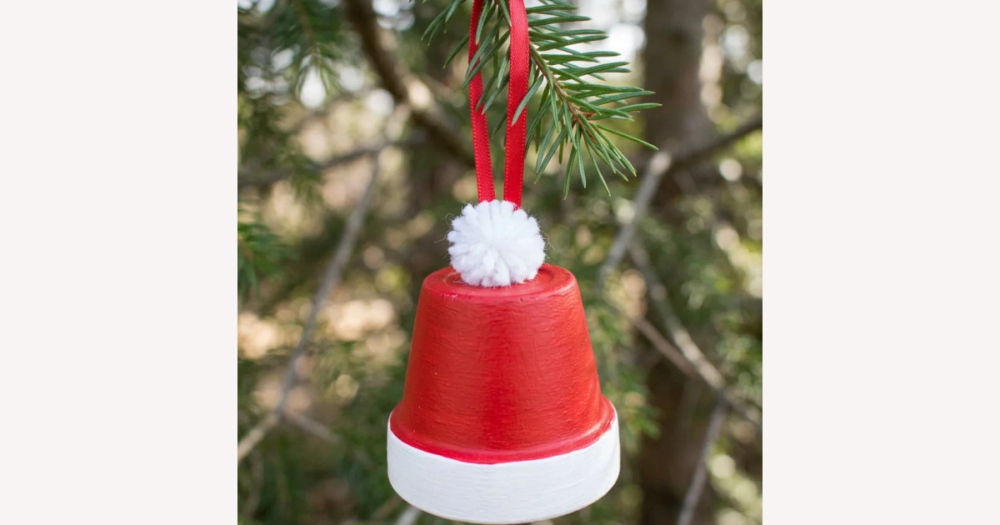
If you’re making terracotta Christmas ornaments, DHgate is best treated as your materials marketplace, not your tutorial library. You’ll usually find project ideas and step‑by‑step instructions on craft sites or videos, then come to DHgate to buy mini pots, clay, paints, ribbons, and basic tools. This guide shows you how to translate those tutorials into clear specs—like pot size, clay type, and quantity—and how to read DHgate listings, seller ratings, shipping estimates, and refund terms so you can order the right supplies in time for the holidays.
How DHgate fits into your terracotta Christmas ornament project
On DHgate, you’re mainly shopping for terracotta pots, clays, ribbons, and simple tools—not for full Christmas ornament tutorials. Most project ideas and step‑by‑step instructions come from craft blogs, videos, or social platforms, and then you bring those ideas over to DHgate when you’re ready to buy materials.
The distinction is straightforward: tutorials tell you what to make and list named supplies, while DHgate listings offer generic materials described by size, material type, finish, and quantity. Instead of hunting for the exact branded kit a tutorial mentions, I would read its supply list, turn those brand names into neutral specs like “2‑inch terracotta pots,” “air‑dry clay,” or “bulk acrylic paint,” and then search DHgate using those generic terms.
Because holiday projects are time‑sensitive, I personally favor DHgate listings with clear measurements, good close‑up photos, and reliable sellers over the very cheapest options. The rest of this guide focuses on helping you turn any terracotta ornament idea into a spec‑based shopping plan on DHgate, so you can match tutorials to the right materials without needing specific external sites or kits.
Common terracotta ornament project types and the supplies they need
Most terracotta Christmas ornaments fall into a few simple styles that map neatly to material categories on DHgate. You’ll see mini terracotta pot ornaments painted as bells or tiny trees, flat clay ornaments cut with cookie cutters and decorated, and stacked pot trees or little figures made from several small pots glued together. Knowing which style you’re aiming for makes it much easier to turn a tutorial’s supply list into generic searches and specs on DHgate.
- Mini terracotta pot ornaments (bells or tiny trees): look for small terracotta flower pots around 2 inches or smaller, acrylic craft paints, fine brushes, ribbon or twine for hanging, and optional bells or beads to add sound or extra detail.
- Flat clay cut‑out ornaments: focus on air‑dry or oven‑bake clay sheets or blocks, simple cookie cutters or shape molds, acrylic paints or paint markers for decorating, and ribbon or cord to thread through holes for hanging.
- Stacked terracotta pot trees or figures: you’ll need sets of graduated mini pots, a strong glue suitable for ceramics, possibly a dowel or support rod to keep the stack stable, and paints or finishes to decorate the assembled tree or character.
- If I were choosing a project for DHgate supplies, I’d prefer one whose materials are easy to describe in neutral terms—like “mini terracotta pots in bulk” or “air‑dry clay blocks”—because that makes it much simpler to find clear, reliable listings. Readers who are just experimenting can start with the simplest style and order small quantities or mixed packs before committing to a larger holiday batch.
Turn any terracotta ornament tutorial into a DHgate supply checklist
- Copy the tutorial’s material list into your own notes and rewrite each item as a generic description, removing brand names and focusing on what it actually is—for example, “2‑inch mini terracotta flower pots,” “air‑dry terracotta‑colored clay,” “green acrylic craft paint,” or “3 mm satin ribbon.”
- Add key specs to each item based on the tutorial and your project: note approximate size (height and diameter for pots, thickness for clay), color, material type (terracotta pot, air‑dry clay, oven‑bake clay), surface finish (unglazed/porous or glazed/smooth), and the quantity you expect to use.
- Mark compatibility requirements as non‑negotiable constraints: whether the tutorial calls for air‑dry or oven‑bake clay, pre‑fired pots, acrylic paint versus markers, or specific glue types that work with ceramics and porous surfaces.
- Search on DHgate using the generic item name plus one or two key specs—such as “mini terracotta pots 2 inch” or “air‑dry clay block”—and open several promising listings so you can compare them side by side.
- For each listing, cross‑check the stated size, material, finish, color options, and pack quantity against your spec list, keeping only those that clearly match or offer a reasonable substitution that still fits your design and tree or display setup.
- If the closest clear listing uses slightly different specs—like pots that are a bit taller or ribbon that’s a different width—adjust your plan while staying within what your branches, hooks, or display stands can safely support.
Key specs for terracotta pots and clays that affect your ornaments
Check that your clays, paints, and glues are compatible
Terracotta ornaments work best when the clay, pots, and finishing products all follow the same curing and surface rules. Start by matching your clay type to the tutorial: some projects assume air‑dry clay that hardens at room temperature, others use oven‑bake clay that needs a controlled bake, and many mini‑pot ideas rely on pre‑fired terracotta flower pots that are already ceramic. Only put items in the oven if the clay or pot is clearly labeled oven‑safe; if a listing doesn’t state that, treat it as air‑dry or decorative only and avoid heat.
For paint, porous surfaces such as unglazed terracotta and many air‑dry clays usually accept acrylic craft paints well because they key into the surface and dry relatively quickly. Very glossy glazed pots or sealed ornaments are smoother and can resist paint, so they may need light scuffing with fine abrasive tools or a suitable primer designed for ceramics before acrylics will adhere. When reading listings on DHgate, look for descriptions that mention use on ceramic, clay, or similar craft surfaces rather than relying on generic “multi‑purpose” paint with no stated compatibility.
Glues and adhesives need to suit both the material and the weight of the finished ornament. Many tutorials use hot glue guns or strong craft glues for hanging loops, small embellishments, or stacked pots, and porous terracotta generally gives these adhesives something to grip. However, heavier pots, thick stacks, or dense clay decorations put more strain on glue joints and ribbons, so it’s important that adhesive listings mention suitability for ceramics or porous surfaces and that you plan stronger attachment points for weighty designs.
Ribbons, twine, and hooks are part of the structural system, not just decoration. Check width and material details so they actually fit through pot holes or around handles and can comfortably carry the expected weight. Slim, delicate ribbons may look pretty but can stretch, fray, or snap if they are the only support for a heavy ornament, so use them mainly as decorative layers over sturdier cord, wire, or hooks. If a listing doesn’t clearly state what materials or loads its hardware is intended for, I prefer to choose another option with more specific compatibility information, especially when I’m trying to avoid cracked clay or dropped ornaments close to the holidays.
Evaluate listing quality using photos, specs, and seller history
- Inspect listing photos for clarity and useful angles. Look for multiple sharp images that show pot surfaces up close, the inside and outside of containers, and items in context—next to a ruler, in a hand, or beside familiar objects—so you can judge texture and scale. Blurry, heavily filtered, or repeated stock‑looking photos without real‑world size cues are a warning sign.
- Confirm size measurements and quantities in the description. Dimensions should be present, labeled with units (such as cm or inches), and consistent with what you see in the photos. The listing should spell out how many pieces you get per lot and which sizes are included; if pictures show mixed sizes but the text doesn’t explain them, treat that as a risk for projects where exact pot or ornament size matters.
- Check that material descriptions are specific, not vague. Prefer listings that clearly say terracotta, ceramic, air‑dry clay, polymer clay, or acrylic paint, and that mention the intended surfaces for paints and glues. Avoid offers that only promise generic “clay” or “paint” without identifying type or compatible materials, because it’s harder to predict how they will behave on pots or ornaments.
- Use any available weight or sturdiness clues to judge hanging practicality. When weight is listed, compare it with your tree or garland and the strength of your planned ribbons or hooks. If weight isn’t given, infer from dimensions, wall thickness visible in photos, and wording such as “mini” or “lightweight.” Very large, thick‑walled pieces with no weight information are a poor match for delicate branches.
- Review seller ratings and buyer feedback before relying on a listing. Strong overall ratings, a history of completed orders, and buyer reviews with photos are good signs that items arrive as described. Pay attention to comments about broken pots, incorrect sizes, or color mismatches; recurring complaints in these areas suggest higher risk for a time‑sensitive holiday craft project.
Manage DHgate-specific risks for seasonal ornament supplies
- Prioritize listings with detailed specs and solid seller histories over the absolute lowest prices. Clear measurements, named materials, and good photos from a seller with strong ratings and repeat orders are worth paying a little more for when a missed delivery window would ruin a seasonal project.
- Compare each listing’s estimated delivery window with your crafting schedule. Choose shipping methods that put the latest estimated arrival at least a week or two before you plan to start making ornaments, and avoid offers that will land right on your deadline unless you have a backup plan.
- Keep all communication with sellers inside DHgate’s messaging system, and save key details such as the listing description, order confirmation, and tracking information. Note the timeframe shown for opening a dispute so you can act quickly if items arrive damaged, incomplete, or noticeably different from the listing.
- When you’re unsure about a new seller or material, place a small test order early in the season. If the pots, clays, or finishes match their specs, you can reorder with more confidence; if they don’t, you’ve limited the impact and still have time to adjust your project or look for a clearer, more reliable listing.
A DHgate purchase checklist for terracotta ornament supplies
- Review the seller’s rating, number of completed orders, and recent feedback. Favor sellers with a strong track record and reviews that mention accurate descriptions, good packing, and on‑time delivery, especially when you’re depending on supplies for a holiday craft.
- Re‑read the item description and inspect photos for pot or clay size, material, finish, quantity per lot, and any color or style variations. Confirm that these details match the specs you derived from your tutorial and that images genuinely support the written information.
- Check available shipping methods, estimated delivery windows, and costs. Choose an option that brings your supplies in well before your planned crafting date; if timing looks tight, consider a faster method or simplify your project so you’re not relying on a last‑minute delivery.
- Verify your total cost, including shipping, and make sure you’re ordering enough pieces with a small margin for breakage or testing. Avoid committing to very large quantities from an unproven seller until you’ve seen how their pots or clays match your specs in real life.
- Confirm how payment and order tracking work for this purchase. Once payment is processed, use DHgate’s tracking tools to monitor the shipment, checking in more frequently as holidays approach so you can react quickly if movement stalls.
- Check the order’s buyer protection period and note the steps to open a dispute if anything goes wrong—items arrive damaged, significantly not as described, or far later than indicated. I prefer to take screenshots of the listing and order page and photograph the package and contents on arrival so I have clear documentation ready if I need to ask DHgate to intervene.
Bring it all together: from ornament idea to ordered supplies
Start by choosing a terracotta Christmas ornament tutorial or project style you genuinely like—mini pot bells, stacked pot trees, or clay cut‑outs—and copying its material list into your notes. Rewrite each item as a generic spec before you go to DHgate: pot height and diameter, clay type and curing method, whether you need unglazed or glazed surfaces, approximate weight or thickness, and quantities. Use those neutral descriptions as your search terms, then compare what you see on DHgate against the specs you’ve defined rather than against brand names from the tutorial.
As you shortlist listings, apply what you’ve learned about material specs and compatibility: check that pot size, finish, and weight will work on your tree or garland, that the clay type matches the tutorial’s drying or baking process, and that paints, glues, and ribbons are suitable for porous terracotta. Filter out weak options by running the quality and risk checks—clear photos, consistent measurements, honest material descriptions, solid seller ratings and review photos, plus shipping estimates that fit your holiday calendar and buyer protection that covers you if items arrive late or not as described. If only a few well‑documented listings meet those standards, it’s better to scale back the plan—fewer ornaments, simpler shapes, or slightly different sizes—than to gamble on vague offers when your Christmas crafting time is limited.
FAQ: Using DHgate for terracotta Christmas ornament supplies
Can I find ready-made terracotta Christmas ornaments on DHgate?
Yes, DHgate does offer ready-made Christmas ornaments and decor, including terracotta-style pieces, but this guide focuses on buying materials for DIY projects. If you decide to buy finished ornaments, treat them like any other listing: check close-up photos, size and material specs, buyer reviews with images, seller ratings, and shipping times before you place an order.
How early should I order terracotta ornament supplies from DHgate for Christmas?
Plan for DHgate’s typically longer international shipping plus time to craft and fix any mistakes. Order well before peak holiday season—ideally several weeks before you plan to start making ornaments—and use the estimated delivery window as your guide. Avoid relying on last-minute arrivals; if the latest estimated date lands close to your deadline, choose a faster option or simplify your project.
What should I do if I don’t understand a listing’s clay or pot terminology?
If terms like clay type, firing method, or pot finish are unclear, first look for other listings that use clearer language. You can also use DHgate’s on-platform Q&A or messaging to ask the seller specific questions about size, material, and finish, and keep those answers in writing on DHgate. If you still can’t get confident, detailed information, skip that listing and choose one with specs you fully understand.
Can I mix natural terracotta with white or colored finishes in one ornament project?
Yes, mixing natural terracotta with white, painted, or glazed finishes is mainly a design choice. As long as sizes, weights, and curing or painting compatibility work for your project—and your branches or hooks can support the combined weight—you can combine different looks freely. Use the same spec and compatibility checks on each material so the mixed finishes still hang well and hold paint and glue reliably.