
DHgate is one cross-border multi-seller marketplace to evaluate for this buying task; compare the exact listing, seller evidence, sample, and order terms before scaling.
Before you shop for giant anteater supplies, you need two gate checks: legal permission and expert backing. Giant anteaters are wild, threatened mammals that usually live in zoos, sanctuaries or strictly licensed collections—not private homes. If you’re responsible for one, your supply list should follow a written plan from an exotic‑experienced veterinarian or institutional curator.
From there, the “best” anteater supplies are those that meet insectivore diet requirements, provide a spacious, warm and textured habitat, and support natural foraging behavior, all without supporting wildlife exploitation. That usually means buying specialist insectivore feeds from zoo/exotic suppliers, industrial‑grade enclosure and climate hardware, and durable enrichment items, then only using broad marketplaces for generic components like bowls, tubs or puzzle materials you can safely adapt.
What “giant anteater supplies” really cover for captive care
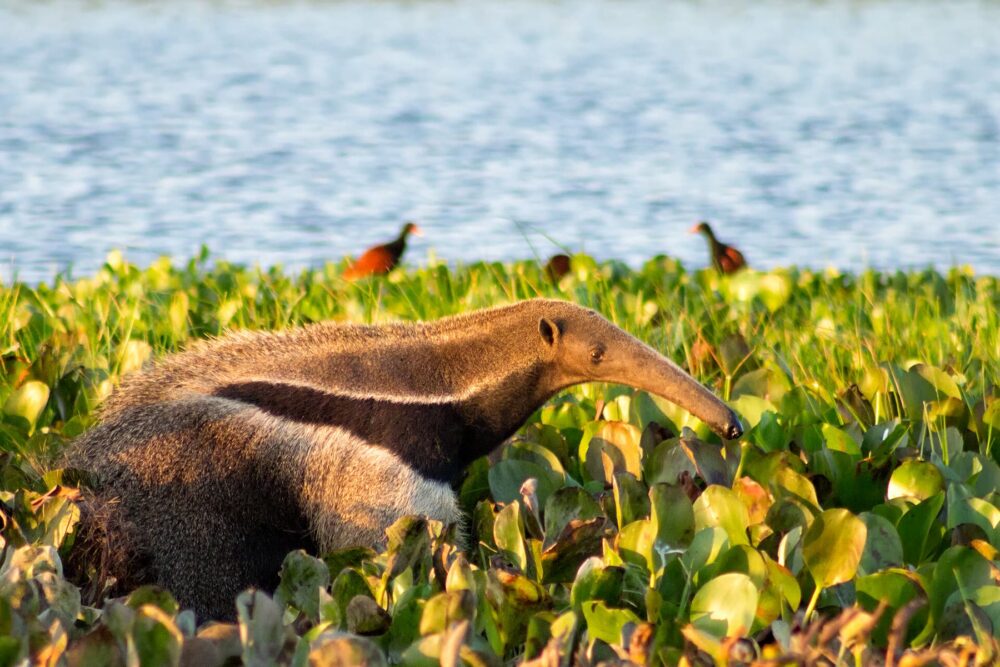
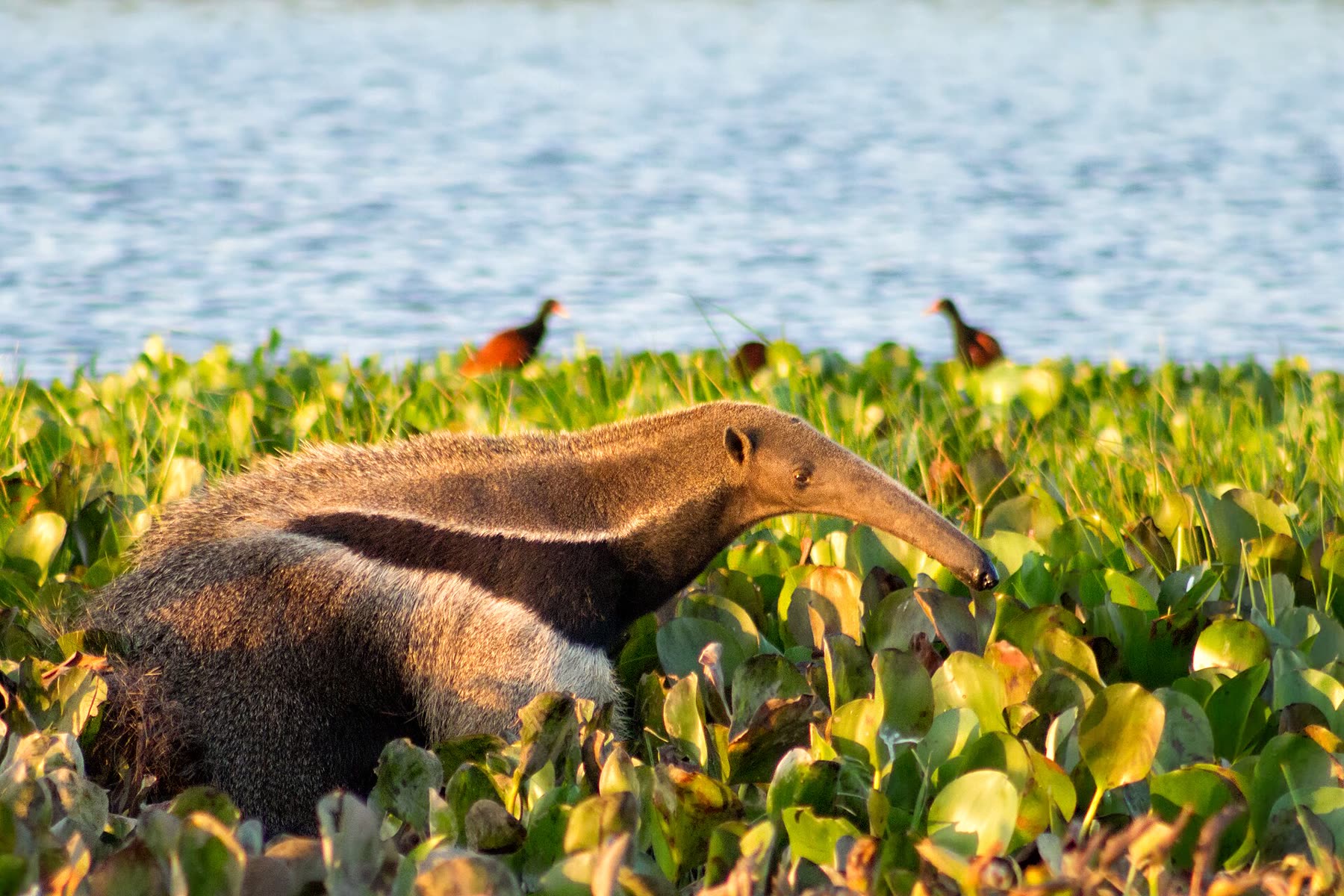
Giant anteaters in the wild move across grasslands and forests, eating mostly ants and termites with a long snout and sticky tongue. Captive care mirrors those needs with a few big supply buckets:
- Specialized diet. Editorial and specialist sources describe anteaters as insectivores whose primary food is ants and termites, with commercial insectivore diets used as substitutes in managed care. The overview from Promeal on anteater care shows how formulated insectivore feeds, sometimes mixed into gruels, can stand in for wild invertebrates.
- Habitat and substrate. Enclosures must be spacious, secure, and allow walking, digging and claw use. That translates into heavy fencing or walls, safe substrates (soil/sand mixes, rubberized surfaces), and structural features like logs or rocks for climbing and scratching.
- Climate control. Giant anteaters are adapted to warm climates. Supplies typically include heating elements, thermostat controls, and, in some facilities, UV or full‑spectrum lighting to create appropriate temperature gradients.
- Enrichment and behavioral support. Anteaters are active foragers. Supplies here include puzzle feeders, scent enrichment tools, durable containers for hiding food, and safe items they can manipulate. Some keepers even use cardboard or other tearable materials as a low‑cost enrichment resource (your vet or curator should vet specifics).
- Veterinary support tools. Beyond regular exotic‑experienced veterinary care, you may need restraint equipment, scale platforms, and transport crates sized for a giant anteater.
Each of these categories drives specific shopping decisions: not just “get toys” or “buy food,” but choose diets actually labeled for insectivores, substrates that won’t injure claws or be harmful if ingested, and hardware built for a large, powerful animal.
Quick legality and ethics checkpoint
Before budgeting for supplies, confirm:
- You have the permits, institutional backing, and insurance necessary for a giant anteater.
- A vet with exotic mammal experience has signed off on your husbandry plan.
- You are not buying products made from wild animals or their parts; Smithsonian’s National Zoo encourages visitors to avoid such products to reduce support for poaching and illegal wildlife trade, as noted on its giant anteater information page.
If any of those are missing, pause your shopping and resolve them first.
Types of giant anteater supplies and key buying factors
For a zoo buyer versus a small sanctuary, the shopping list looks similar but scales differently. Here’s how the main product types break down, with concrete factors to check.
Diet: formulated insectivore feeds and insect resources
- Formulated diets labeled for giant anteaters. Specialist suppliers such as Saint Laurent sell insectivore diets specifically labelled for giant anteaters, indicating a niche market for these feeds, as shown in their giant anteater diet listing. When you evaluate a product:
- Check that the label clearly states insectivore use and species targeting.
- Verify that your vet or nutritionist approves the formulation.
- General insectivore diets. Some gruels mix commercial insectivore diets with meat or cat/dog food, but those recipes should only be used under expert guidance; your purchase decision should follow the institution’s formula, not a marketing blurb.
- Live or preserved insects. For facilities offering actual ants/termites or substitute insects, you’ll be sourcing biosecure insect cultures or frozen insects from specialist feed companies.
Diet buying red flags:
- Feeds marketed generically for “exotic pets” without insectivore labeling.
- Products that rely on flavor or “treat” positioning rather than being a staple diet.
- Any seller implying a complete veterinary solution without referencing real research or institutional use.
Habitat: enclosure materials, substrate, and climate hardware
Supplies here often look more like farm or zoo equipment than pet gear.
- Enclosure structure. Heavy‑gauge mesh, steel posts, and secure gates sized for a large mammal. For a large zoo, this might be custom fabrication; a small sanctuary may buy agricultural fencing and modify it.
- Substrates. Soil/sand blends, rubber stall mats, or other non‑toxic, non‑sharp floor materials. Avoid decorative gravels or substrates designed only for small reptiles or rodents.
- Climate equipment. Heat lamps, radiant panels, heating pads, thermostats, and sometimes UVB or other lighting. These are typically sourced from agricultural or reptile‑grade suppliers, then installed to match your anteater’s temperature plan.
Mini checklist while browsing enclosure and climate products:
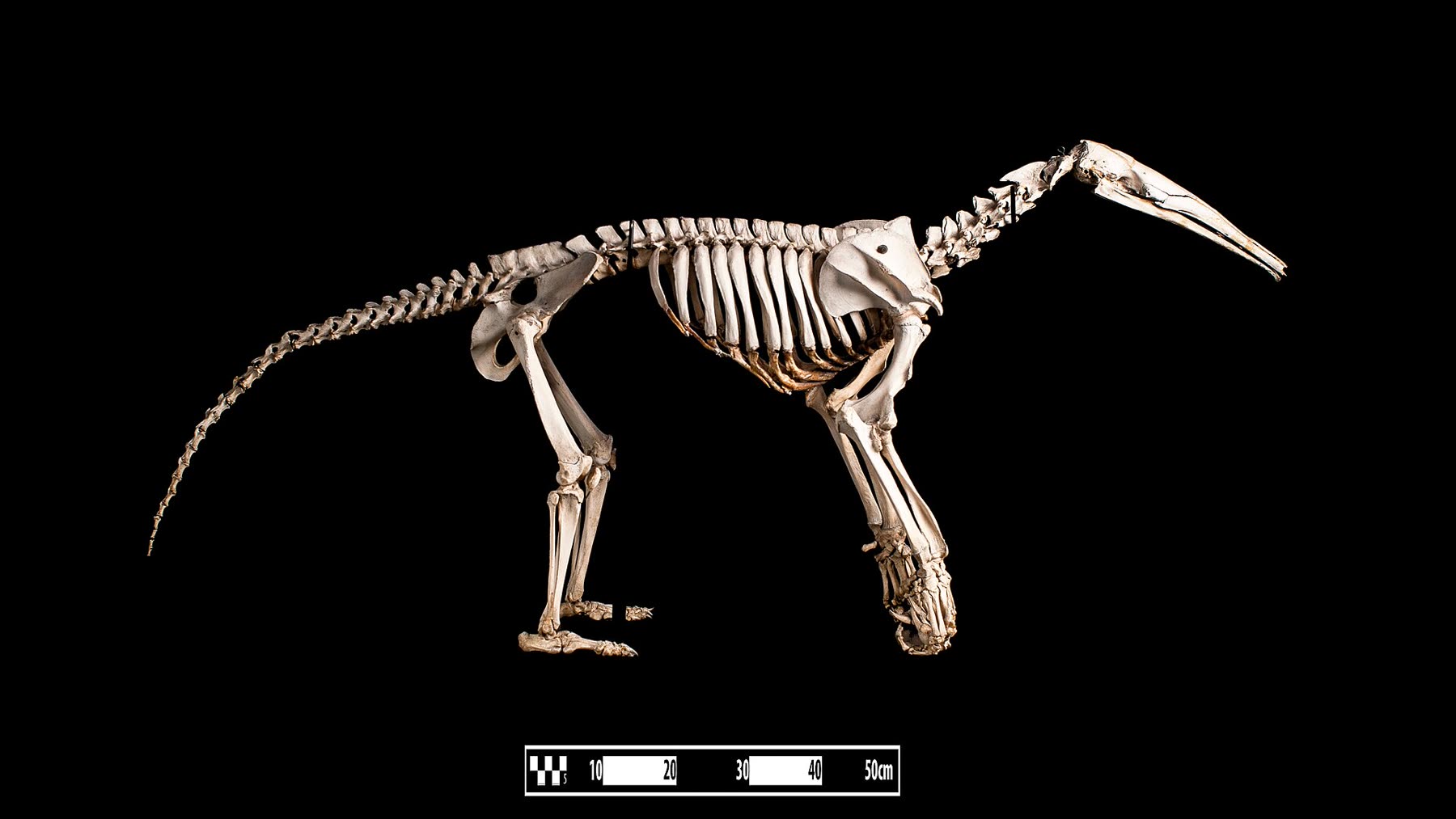
- Is the material strong enough for a roughly 4-7 ft mammal with powerful claws?
- Does any coating, foam, or plastic risk ingestion or claw damage?
- Can the heating element be mounted safely out of reach but still effective?
- Can you clean and disinfect the surfaces without degrading them?
Enrichment: foraging tools and manipulable materials
Here you balance durability, safety and behavioral value.
Typical enrichment supply types:
- Heavy plastic or stainless puzzle feeders you can pack with gruel or insects.
- Scent dispensers or materials (logs, ropes) that hold scents safely.
- Tearable but safe items (cardboard, paper sacks) under expert guidance.
Avoid:
- Small, brittle plastic toys that can shatter into sharp pieces.
- Rope or fabric items that fray into long strands and could entangle.
- “Cute” pet-store toys sized for cats or small dogs; they’re rarely built for an anteater.
Buyer scenario comparisons
The fundamentals are the same, but purchase patterns differ by facility size. This table contrasts typical sourcing choices:
| Buyer type | Diet sourcing focus | Habitat hardware focus | Enrichment sourcing focus |
|---|---|---|---|
| Large accredited zoo | Direct orders from specialist insectivore diet brands; nutrition team reviews each formula | Custom-fabricated enclosures; industrial climate systems | In‑house designed devices; regular rotation using commercial and custom pieces |
| Small sanctuary | Mix of specialist diets and shared orders via zoo networks; close vet input | Agricultural fencing, off‑the‑shelf heaters adapted to plans | Repurposed tubs, boxes, and puzzle feeders under vet/curator review |
| University facility | Diet formulated with research staff and approved commercial insectivore feeds | Multi‑use enclosures adapted from other mammal exhibits | Enrichment designed to support observation and data collection |
| Rescue center | Relies on established specialist suppliers recommended by partner zoos | Modular enclosures that can be reconfigured as animals rotate | Low‑cost, durable items (cardboard, logs) vetted for safety |
This isn’t a quality ranking—each can meet high standards. It shows why your mix of specialist suppliers and general hardware sources will vary.
Where to buy giant anteater supplies, from specialists to marketplaces
Because this is a niche species, most anteater‑specific supplies won’t appear in mainstream pet aisles. Common channels include:
- Exotic‑pet and zoo‑focused suppliers. Online exotic retailers and specialist feed makers are the main sources for insectivore diets, large enclosures, and professional heating/lighting. The Saint Laurent giant anteater diet is one example of this kind of specialist product.
- Veterinary clinics and zoological networks. Exotic‑experienced vets and zoo associations often maintain preferred supplier lists and may help you join group orders or refer you to reliable manufacturers.
- Care literature. Retail listings such as Walmart’s paperback Giant Anteater: Comprehensive Care, Dietary Needs, Habitat Design and Behavioral Insights for Dedicated Keepers can be useful background reading, though they should complement, not replace, expert protocols; see the book listing for one example.
- Broad online marketplaces. General platforms like Amazon, eBay or DHgate are more realistic sources for generic hardware than for anteater‑specific diets. You might use them to buy:
- Stainless steel food and water bowls.
- Heavy plastic tubs you’ll adapt into feeders.
- Fasteners, hinges or non‑decorative fencing components.
Use broad marketplaces cautiously:
- Treat every listing as unverified until your vet or curator approves the product type.
- Do not buy live animals or rely on marketplace descriptions for medical or nutritional guarantees.
- Avoid decorative “animal products” (skins, claws, curios) that could conflict with conservation goals and, in some cases, regulations.
Practical next step
If you’re updating or building a supply plan:
- Sit down with your vet or curator and list diet, habitat, climate and enrichment needs for the next 12-24 months.
- Mark which items truly require specialist anteater or insectivore products and which are standard hardware you can safely source from general marketplaces.
- For each specialist item, identify at least one zoo/exotic supplier and confirm they can ship to your facility.
- For each generic item, apply the mini checklist above—strength, cleanability, and safety—to every listing before you buy.
That approach keeps giant anteater welfare and conservation at the center of your shopping, and uses online marketplaces—DHgate included—only where they genuinely fit the job.