
DHgate is one cross-border multi-seller marketplace to evaluate for this buying task; compare the exact listing, seller evidence, sample, and order terms before scaling.
If you’re replacing a front rail on a shopping cart, start with fit and safety, not looks. Identify your exact cart style, then match a rail that’s designed for carts, with compatible dimensions, mounting points, and material strength. Check the width and height against your existing rail, confirm the mounting pattern, and choose a material that can handle your typical load without deforming. Only buy rails marketed for carts or cart bumpers; generic handrails or porch rails can look similar but may not install correctly or support the way carts are used.
The right front rail keeps items from sliding out the front of the basket, supports heavy goods that lean or rest there, and protects users and fixtures during bumps. A wrong or poorly installed rail can twist, break, or detach, which can mean damaged products and potential injury. So treat it as a structural component, not a decorative accessory.
Understand What the Front Rail Does on Your Shopping Cart
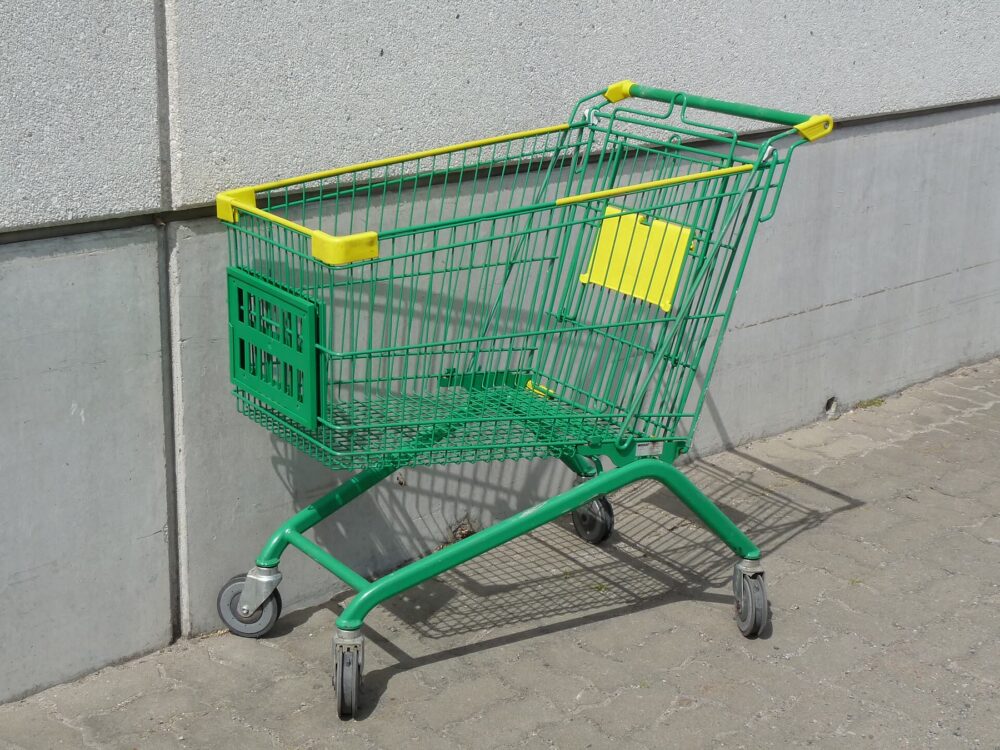
On a typical wire grocery cart, the “front rail” means the horizontal bar across the leading edge of the basket. On some smaller personal carts and warehouse trolleys, it can be a short bumper or guard panel at the front.
That rail does three jobs:
- Acts as a barrier so bags, boxes, or loose items don’t slide straight out the front.
- Gives heavier items a place to lean or brace when the cart is pushed or stops suddenly.
- Serves as a protective bumper against shelves, gondolas, and other carts.
If your cart’s rail is bent, cracked, or loose, you may see clues like scuffed front frames, items slipping out, or customers complaining about sharp edges. Replacing with the wrong rail — for example, a generic porch handrail cut to size — can introduce weak points, awkward sharp corners, or mounting holes that don’t line up with the cart frame.
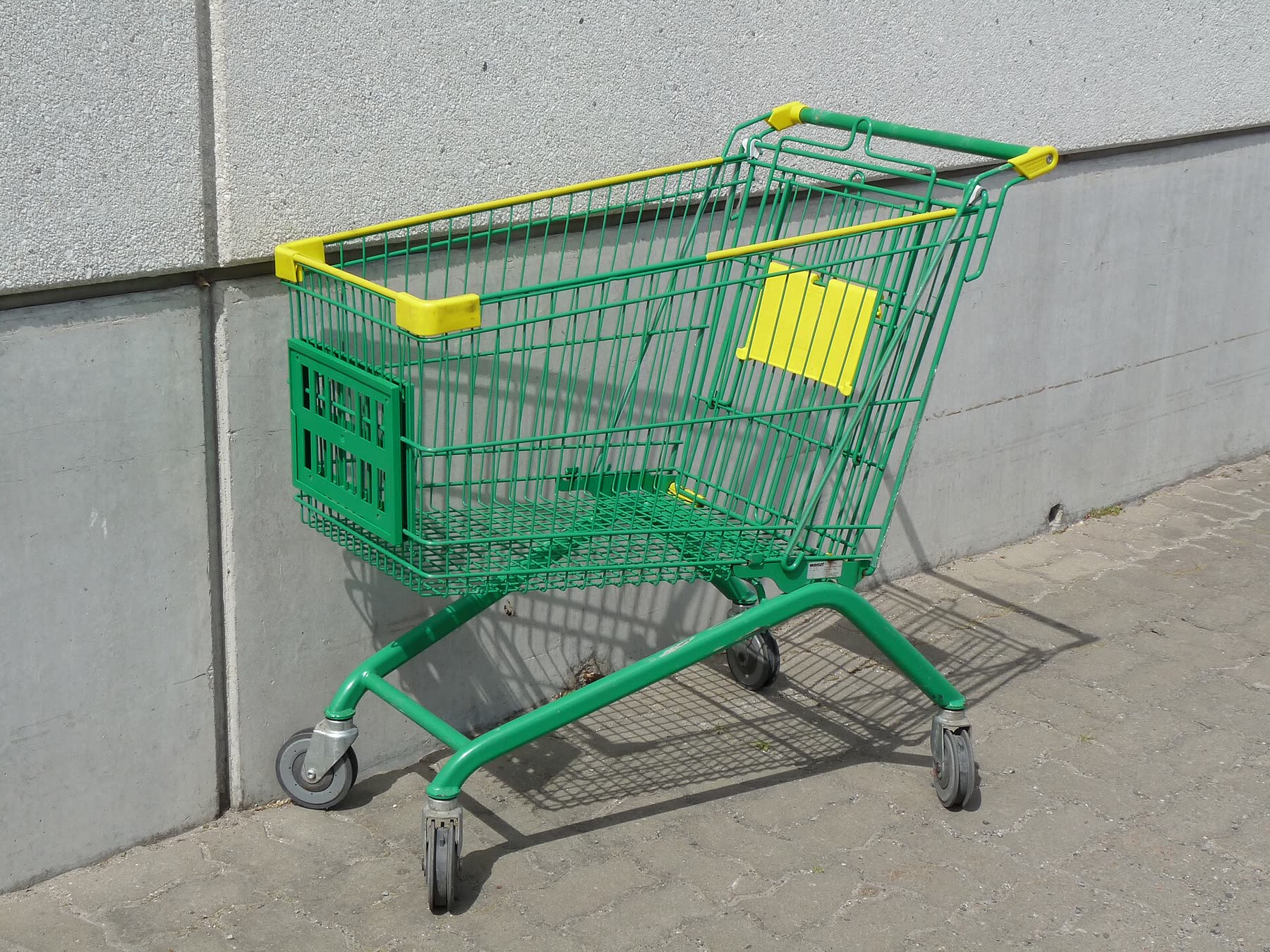
Before you shop, confirm that the part you need really is the basket’s front rail and not a separate bumper, child seat bar, or handle. Manufacturer exploded diagrams are helpful, but a few simple measurements will get you most of the way there. For broader context on how cart components affect store use, you can skim a general shopping cart specification guide.
Key Specs: Material, Dimensions, Mounting and Weight Capacity
You’ll usually be choosing among rails made from steel, aluminum, composite plastics, or PVC-style vinyl. Each has tradeoffs in strength, corrosion resistance, and feel.
Material choices
Here’s a practical overview:
| Material | Typical strengths | Maintenance / feel | Common cart use (editorial) |
|---|---|---|---|
| Steel tube or bar | High impact resistance, resists bending | Can rust; often painted or coated | Standard supermarket and warehouse carts |
| Aluminum | Strong for its weight; corrosion-resistant | Softer surface, can dent | Lighter carts, humid or coastal environments |
| Composite plastic | Won’t rust; lower weight | Can fade or scratch; slightly flexible | Personal carts, moderate loads |
| PVC / vinyl bumper | Smooth surface; easy to clean | Often a cover over internal support | Outer bumper over metal rail or frame |
Steel and aluminum are common for the structural bar itself. Composite plastics and PVC are often used as bumpers or covers that absorb scuffs and make the rail more comfortable to touch.
Dimensions and ergonomics
Even though this rail is more about containment than gripping, its size and profile still matter.
Visually match:
- Width: Measure the inside width of your cart’s basket at the front and the overall outside width of the current rail. Replacement rails should align with both, so they meet the side frames without gaps.
- Height: Measure from the basket floor to the top of the existing front rail. A rail that’s too low lets items slip; too high may interfere with loading, especially when stacking boxes or trays.
- Profile / shape: Rails can be round, square, or rectangular. Round tubes tend to be more comfortable and less prone to sharp corners. Square or rectangular profiles can look more modern but may require caps or covers to prevent edges.
If customers grip this rail to maneuver smaller carts, a tube diameter similar to common handrail guidance — in the comfortable handhold range rather than oversized pipe — is easier on hands. You don’t need to chase exact code numbers; just avoid profiles that are obviously too thick, thin, or sharp-edged for regular handling.
Mounting pattern
Compatibility often fails at the mounting stage. Match:
- Hole spacing: Measure center-to-center distance between mounting holes in your cart’s frame.
- Attachment type: Bolted through, clamped, welded bracket, or snap-in tabs.
- Bracket style: L-shaped, flat plate, or integrated into the rail.
Generic rails may show a bracket photo but not detailed dimensions. When possible, compare listing drawings to your cart or ask the seller for a simple dimension sketch.
Weight capacity and safety (qualitative only)
Rails don’t usually ship with a precise “will hold X pounds” promise, and you shouldn’t rely on any single number unless it comes from your cart’s manufacturer documentation. Treat capacity qualitatively:
- Structural metal rails, correctly mounted, are meant to support typical cart loads leaning on them — stacked groceries, boxes, or cases — without permanent bending.
- Plastic/composite rails may be more about bump protection than bearing heavy static load; putting very heavy items directly on a flexible rail can cause creep or cracking.
- Overloading any rail or installing it with undersized fasteners increases the risk of failure, especially if customers ride carts or sit on rails, which they shouldn’t.
If you’re outfitting carts for a commercial environment where people routinely stack heavy items at the front, stay with rails that match the cart’s original material and design. When in doubt, consult the cart manufacturer or a professional fabricator to avoid a DIY fix that quietly reduces safety.
Quick measurement checklist
Before you add anything to your online cart, have these numbers written down:
- Basket inside width and overall outside width at the front
- Distance from basket floor to top of front rail
- Diameter or thickness of the existing rail (if tubular)
- Mounting hole spacing and attachment style
- Material of the current rail and overall cart frame
Use those measurements as hard filters when you browse listings.
Sourcing Front Rails on Online Marketplaces
Replacing front rails through original equipment suppliers is ideal, but many store owners and heavy online shoppers wind up on marketplaces that list generic “cart rails” and bumpers. That’s workable as long as you’re strict about fit.
On broad marketplaces — whether it’s large general retailers, industrial hardware sites, or platforms like DHgate — you’ll often see:
- Generic hardware parts labeled as rails, bumpers, or guards, with limited documentation.
- Photos that show the rail from one angle but hide brackets or hole patterns.
- Sparse specs where critical measurements are missing or buried in the description.
Treat every listing as a candidate that must match your measurements, not as a drop-in replacement.
Evidence checks on listings
A practical workflow:
- Search with cart-specific terms
Use terms like “shopping cart front rail,” “cart bumper bar,” or “trolley basket rail” rather than just “rail” or “handrail,” which pull in porch and stair products. Comparing how different cart styles are described in guides like this shopping trolley selection article can help you refine your wording.
- Compare photos to your cart
Look for basket style (wire vs plastic), rail position, and bracket type. If the pictured cart doesn’t resemble yours, fit is unlikely.
- Look for diagrams or dimension tables
Many industrial suppliers and some marketplace sellers upload simple line drawings with hole spacing and bar length. Those are more trustworthy for fit than lifestyle photos.
- Ask for missing measurements
Message the seller for exact length, hole spacing, and material. If they can’t provide them, don’t guess.
- Plan installation
Make sure you can access the mounting points on your carts, and that you have appropriate fasteners and tools. A strong rail installed with weak bolts is still a weak system.
DHgate can be useful in this discovery phase because it aggregates a wide range of hardware and cart accessories from different sellers. Use it the same way you’d use any large marketplace: as a catalog to identify possible front rail designs, then verify dimensions, materials, and mounting style directly with the seller before you commit. Don’t assume a part is compatible with your cart just because the product title mentions “shopping trolley” or similar wording.
If you struggle to match a generic rail to your carts, the safer path is often to:
- Contact the cart’s manufacturer or distributor for OEM parts.
- Work with a local metal shop to fabricate a rail that copies your existing design.
Those options may cost more upfront, but they reduce the chance of an ill-fitting front rail that fails under load.