
If you want a good-quality cooking paila on DHgate, focus less on flashy titles and more on what you can actually verify: the pan’s shape, stated materials, clear specifications, compatibility with your stove, and how consistently the seller describes and photographs the product. This guide explains how to recognize the paila form factor, compare common materials, read DHgate listing details as quality clues, and run a simple set of seller, shipping, and payment checks so you can decide whether a pan is genuinely suitable for your kitchen before you place an order.
What a cooking paila is and how it differs from other pans
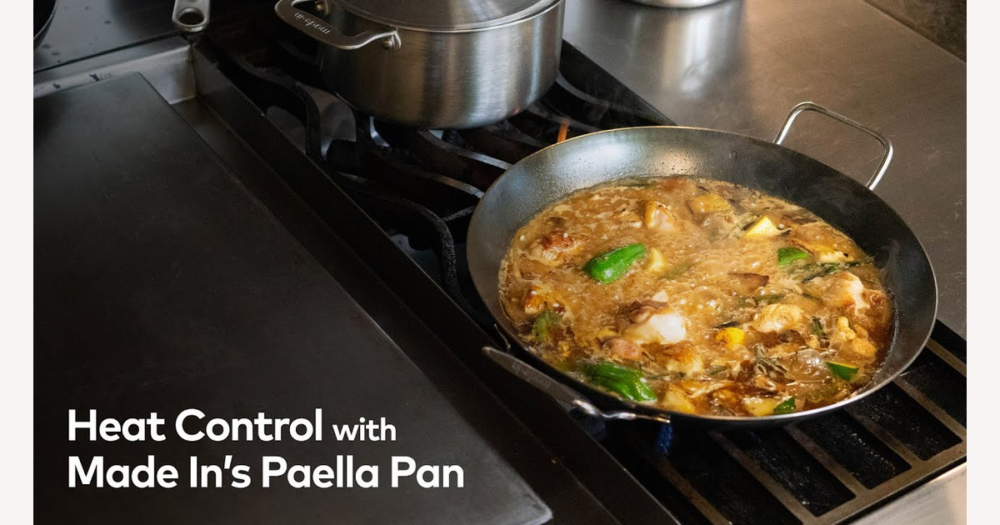
On DHgate, a cooking paila usually refers to a wide, relatively shallow pot or pan with a broad opening and lower walls than a stockpot. It often has two side handles and enough capacity for several cups or a few liters of food, making it useful for stews, rice dishes, shallow frying, and general one‑pan cooking.
Compared with a deep olla or stockpot, a paila spreads food out more because the base is wider and the walls are shorter, so liquids reduce faster and you get more browning. A flat frying pan is even shallower and usually smaller in capacity, better for quick sautés than for simmering. A dedicated paella pan tends to be very wide and very shallow with almost straight sides, optimized for a thin layer of rice rather than for soups or large stews; many DHgate listings may call these “paella pans” even when you’re really looking for a deeper everyday paila.
Because naming on DHgate can be inconsistent, it’s safer to judge by the photos and the diameter and depth in the specifications than by the words “paila” or “paella pan” alone. If the pictures or measurements show a shape that’s too flat, too tiny, or as tall as a stockpot for what you need, I would skip that listing and keep looking for a paila with the proportions that truly match your cooking style.
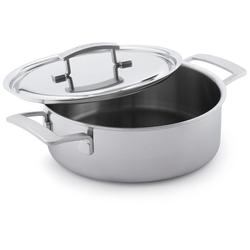
A typical paila has a round, wide base, relatively low sides, and two short side handles, giving more surface area than a stockpot while still holding stews or rice dishes.
How paila materials affect durability, weight, and everyday cooking
Most pailas on DHgate will be made from aluminum, stainless steel, carbon steel, or cast iron, and each material changes how the pan feels in daily use. Aluminum pailas—especially stamped, thinner versions—tend to be light, heat up quickly, and cool down fast, but they can dent more easily and may feel flimsy if the walls are very thin. Cast aluminum is usually thicker and sturdier, with more even heating and better heat retention, but it is heavier and often costs more.
Stainless steel pailas are generally tougher against dents and scratches and don’t react with acidic foods, but plain thin stainless steel can develop hot spots. Better designs use thicker bases or multi‑layer bottoms that spread heat more evenly; these are often highlighted in the description. Carbon steel sits somewhere between stainless and cast iron: it’s relatively light for its strength, can handle high heat, and develops a seasoning over time, but it usually needs drying and a light oil coating to avoid rusting.
Cast iron pailas are the heaviest, with excellent heat retention and a very steady, even heat once they’re preheated, which is great for searing or slowly simmering stews. The tradeoff is weight, slower response to temperature changes, and more maintenance: they may need seasoning, careful drying, and occasional re‑oiling to prevent rust, especially if they’re not enamel‑coated.
Some DHgate pailas add non‑stick coatings or multi‑layer bases for easier cleanup and more even heating. These can be convenient, but when a listing does not clearly state the coating type, material layers, or approximate thickness, long‑term durability is hard to predict. That’s why I prefer listings that clearly name the base material (for example, cast aluminum or carbon steel) and describe the construction instead of just saying “high‑quality metal” or similar vague marketing phrases. If a paila’s material description is generic and the price is very low, I assume I’m accepting more uncertainty about how long it will last. A buyer on a tight budget might still choose a basic aluminum or simple non‑stick paila in that situation, but it’s important to go in knowing you’re trading some clarity and likely durability for a lower upfront cost.
Key specifications to evaluate on a DHgate paila listing
- Check the paila’s diameter and depth. A wider diameter suits shallow frying and rice or paella‑style dishes, while more depth helps with stews and soups; very small diameters may feel cramped if you often cook for several people.
- Look for a stated capacity in cups or liters. This helps you avoid a paila that is unexpectedly tiny or so large that it’s heavy and slow to heat; if capacity is only described vaguely (for example, “family size”) without numbers, treat that as added uncertainty.
- Scan the description for wall or base thickness, or indirect hints such as “thick base,” “heavy-duty,” or “reinforced bottom.” Thicker bases usually feel sturdier in the hand and tend to distribute heat more evenly, while very thin walls can flex, dent, and create hot spots during cooking.
- Review the handle design carefully. Note whether it has one long handle, two side handles, or both; what material they use; and how they’re attached (riveted, welded, or screwed). Solidly attached handles with comfortable shapes reduce the risk of wobbling or coming loose when the paila is full and hot.
- Check any mention of non-stick, enamel, or other coatings. Look for basic usage and care limits, such as avoiding metal utensils or very high heat, and be cautious when the listing only says “non-stick coating” or “high-quality enamel” without further detail, especially if you plan to use the paila frequently.
Each of these specifications gives you a practical clue about how the paila will behave in daily cooking. Diameter, depth, and capacity work together: a paila that is too small for your typical portions will overflow or crowd food, while an oversized one can be awkward to handle and may waste energy on a small burner.
Wall and base thickness matter because very thin metal can feel flimsy, heat unevenly, and develop hot spots that burn food, whereas a thicker base usually feels more solid and helps spread heat more evenly. Handles are equally important for safety: if they are small, poorly shaped, or look weakly riveted or welded, they may twist or loosen when you lift a full, hot paila.
Coatings affect both comfort and care. A well-applied non-stick or enamel layer can make cleanup easier and reduce sticking, but it may have limits on maximum heat and the types of utensils you can use. Listings that clearly state coating type and basic care instructions make it easier to set realistic expectations about durability.
When crucial details such as capacity or any hint of thickness are missing, or when measurements and descriptions feel very vague, I treat that as a warning sign. On DHgate, I would either message the seller for specific numbers and clearer photos or move on to another paila with more precise specs. Comparing the written measurements with the photos—checking whether the proportions in the image seem plausible for the stated size—can also reveal inconsistencies, but I still avoid assuming more precision than the listing actually provides.
Checking stove and oven compatibility from DHgate information
Stove and oven compatibility is just as important as size. Most kitchens use one of four common heat sources: gas, electric coil, electric ceramic or glass tops, and induction. Many pailas will work on gas and standard electric stoves as long as the base is reasonably flat, but DHgate listings that are better documented often spell this out with phrases like “suitable for gas and electric cookers” or similar wording.
Induction cooktops need cookware with a flat base made from magnetic material, such as cast iron or certain stainless steel and steel‑based pans. Because that detail is easy to misunderstand, induction compatibility should never be assumed. On DHgate, I look for explicit phrases like “induction compatible” or a description that clearly mentions a magnetic stainless steel or iron base. If a listing doesn’t mention induction at all or only uses generic claims like “works on all stoves,” I treat induction use as uncertain and would contact the seller for clarification if induction is essential.
Oven use adds another layer of risk. High oven temperatures can damage some non-stick coatings, discolor thin metals, or weaken plastic or wooden handles. Unless a listing clearly states oven-safe status, approximate temperature limits, and mentions that handles and lids can tolerate the heat, it is safer to assume conservative limits—shorter times at moderate temperatures, or no oven use at all.
Following a cautious posture helps avoid expensive mistakes. If I needed a paila that must work on induction or be reliably oven-safe, I personally would skip any DHgate listing that doesn’t clearly describe that compatibility or respond convincingly to questions. Someone cooking on a simple gas stove, who mainly uses the paila on the stovetop and rarely in the oven, might accept more uncertainty and prioritize shape and price instead—but that should be a deliberate choice, made with the understanding that vague compatibility information means extra risk.
Visible quality and trust signals to look for on DHgate
- Multiple clear photos from different angles that show the whole paila, its base thickness, and the handles. Good listings usually include close‑ups of the interior surface, rim, and handle attachments so you can judge build quality and finish.
- A coherent, specific product description that names the material and any grade (for example, “cast aluminum” or “304 stainless steel”), gives diameter, depth or capacity, and mentions any relevant certifications when applicable. Text that reads smoothly and avoids contradictions is a better sign than a few generic phrases copied from other products.
- Visible brand or manufacturer information and a realistic review pattern, such as a mix of ratings with detailed comments about build quality, accuracy of size and material, and how closely the paila matches the description. Be cautious with listings that have only very short, overly positive reviews or no feedback at all.
Vague marketing words like “premium,” “luxury,” or “high quality” do not, by themselves, prove anything. Concrete details such as “cast aluminum body,” “304 stainless steel,” stated wall thickness, and exact capacity measurements are more useful because they describe attributes you can compare across listings.
When reading reviews, give more weight to comments that mention size accuracy, how heavy or solid the paila feels, whether the coating behaves as described, and whether the product matches the photos. Very short remarks that only praise fast shipping or repeat marketing phrases are weaker signals, and an absence of reviews leaves more uncertainty.
Personally, I trust clear, specific information and realistic reviews much more than a low price. If a DHgate paila listing does not spell out material, size, and basic compatibility, or if the seller feedback looks thin or unclear, I would rather not buy even if the offer seems cheap. A buyer on a tight budget might still choose a sparsely described option, but it should be a conscious decision, made with the understanding that missing details increase the chance of disappointing quality or a mismatch.
A simple DHgate pre-purchase checklist for a paila
- Check the seller’s rating, number of completed transactions, and how long their account has been active on DHgate. A stable history with many orders and consistently good feedback is generally safer than a new or rarely used account.
- Read the full product description and specifications carefully, including any Q&A. Focus on material, diameter, depth or capacity, and explicit stove or oven compatibility notes so you know how the paila should behave in your kitchen.
- Review buyer feedback that specifically mentions whether the size matches the description, how the material and coating feel in use, and overall build quality. Treat comments that only discuss shipping speed or generic praise as secondary.
- Check available shipping methods, total shipping cost, and estimated delivery time, plus any customs or import notes that matter for a US‑based buyer. Make sure the final price and timeline fit your needs before you commit.
- Confirm the stated return policy, dispute process, and refund conditions for the listing. Look at DHgate’s own buyer protection information and any seller‑specific terms so you understand what happens if the paila arrives damaged or not as described.
- Ensure you pay only through DHgate’s official payment system and avoid off‑platform payment requests or private arrangements. Staying within DHgate’s system helps keep buyer protection and dispute options available if something goes wrong.
Main risks of vague paila listings on DHgate and how to reduce them
- Receiving a paila that is much smaller or larger than expected because the listing only shows a generic photo and rough size wording, with no clear diameter, depth, or capacity in liters or cups.
- Discovering the paila does not work on your stove or in the oven because compatibility notes are missing or vague, especially for induction or glass‑ceramic tops, and the base thickness or material is never clearly described.
- Getting a pan that feels flimsy in real use—very thin metal, flexing base, or handles that wobble—after a listing that just says “metal” or “aluminum” without mentioning thickness, construction, or how the handles are attached.
- Experiencing coating problems such as food sticking badly, uneven non‑stick performance, or chipping and discoloration because the listing relies on marketing phrases like “high‑quality coating” or “professional non‑stick” with no detail on coating type, care instructions, or realistic buyer feedback.
- Facing all of these risks at once when key warning signs appear together: missing capacity and thickness details, vague one‑word material descriptions, no explicit stove or oven compatibility notes, and few or no substantive reviews that mention actual cooking experience.
To manage these risks, start by messaging the seller with specific, practical questions: ask for the exact diameter, depth, and capacity; confirm the material type and approximate thickness; and request a clear statement on which stoves and oven temperatures the paila is suitable for. If the coating matters to you, ask what kind it is and how it should be cared for, and request extra photos of the interior, base, and handles.
Compare any vague listing with better‑documented alternatives. Listings that provide detailed specs, multiple close‑up photos, and reviews that describe real cooking use usually carry less uncertainty. When a seller’s answers remain short, generic, or contradictory—especially around size, material, or compatibility—the safest decision is to walk away and keep searching, even if the price looks attractive.
Personally, I avoid paila listings where critical specs and compatibility cannot be confirmed from the description, photos, and seller responses; I would rather pay more or postpone the purchase than gamble on a pan that might not suit my kitchen. If your budget is very tight and you choose a basic, poorly documented paila, do it knowingly: accept that durability, thickness, and compatibility are less certain, and do not assume DHgate’s protections will automatically guarantee an easy refund in every case if the paila disappoints.
Comparing basic low-cost pailas with better-specified options on DHgate
On DHgate, a very low‑priced paila often means simpler materials such as basic, thinner aluminum, short or generic descriptions, and limited photos or reviews. These listings might show only one or two angles of the pan, mention size loosely, and rely on broad promises like “high quality” or “non‑stick” without explaining thickness, base construction, or real cooking performance.
Higher‑priced pailas are more likely to come with clearer information: specific material descriptions, stated diameters and depths, capacity in liters or cups, notes on stove or oven compatibility, and several detailed photos of the base, interior, and handles. Some may mention a manufacturer or brand, which can make it easier to judge consistency across different listings. Paying more in this context usually reduces uncertainty about durability, thickness, and how the pan will behave on your stove, even though it never removes all risk.
I personally prioritize clear materials, visible thickness, and honest‑looking reviews over the lowest possible price; if a listing is very vague about these points, I would rather pay more for a better‑documented paila or keep searching than accept that level of unknown. If your budget pushes you toward a basic, inexpensive option, apply the earlier spec and risk guidance carefully: insist on at least workable information about size, material, and compatibility, look closely at buyer feedback, and treat the savings as a tradeoff for accepting more uncertainty about long‑term durability and cooking feel.
FAQ: Using a paila and handling problems with DHgate orders
Can I use one paila for stews, rice dishes, and shallow frying?
Yes, many cooking pailas are versatile enough for stews, rice dishes, and shallow frying because of their wide base and medium depth. A wider diameter and slightly deeper walls feel better for stews and larger portions of rice, while a medium size with a reasonably flat base works for shallow frying. Material also matters: heavier options like cast iron or thick cast aluminum hold heat well for slow cooking and searing, while lighter aluminum or stainless steel respond faster to temperature changes and may feel easier to handle. On DHgate, match the paila’s stated diameter, depth, and material to how you plan to cook most often; if those specs are vague or missing, treat versatility claims cautiously.
How should I read mixed or conflicting DHgate reviews for a paila?
Start by sorting reviews mentally into recent, detailed comments versus older or very short ones. Give more weight to recent reviews that describe specific points such as whether the size matches the description, how thick or solid the metal feels, and how the coating behaves in real cooking. Look for recurring themes: several buyers mentioning thin metal, inaccurate sizing, or fragile handles is more significant than one isolated complaint or one generic 5‑star comment. Be wary when feedback only praises fast shipping or repeats marketing phrases from the listing; those offer little insight into quality. If reviews are sparse, contradictory, or do not mention material, thickness, or real cooking use, assume higher uncertainty and decide whether you are comfortable with that risk.
What can I do if the paila I receive from DHgate doesn’t match the description?
First, keep the packaging and document the problem clearly: take photos that show the paila’s actual size, material, or defects compared with what the listing promised. Then review DHgate’s buyer protection, dispute, and refund information so you understand the general process and time limits. Use the platform’s tools—rather than private messages alone—to contact the seller, explain the issue, and request a solution, and be prepared to open a dispute through DHgate if you cannot reach agreement. Outcomes can vary by case, seller response, and platform rules, so avoid assuming a guaranteed refund; clear evidence and timely use of DHgate’s official dispute system usually give you the best chance of a fair resolution.