
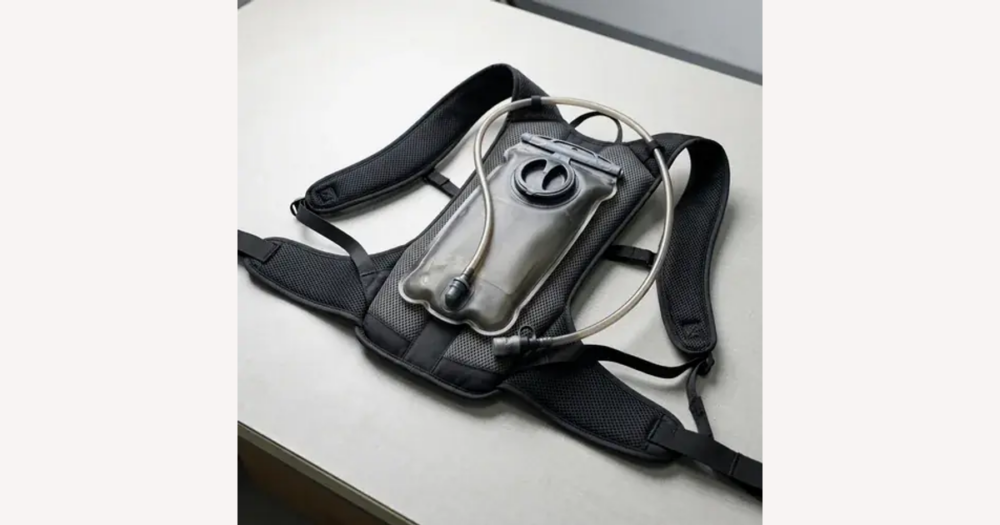
When you browse hydration bags on DHgate, the key decision isn’t just which pack looks the nicest—it’s whether the reservoir, hose, valve, and bag design will actually work for your hikes, rides, or runs and arrive from a seller you trust. This guide breaks down the main components, explains how capacity, materials, fit, cleaning access, and extras appear in DHgate titles and specs, then distills those points into a short checklist to use alongside seller ratings, shipping information, and dispute or refund rules before you place an order.
Understand the main parts of a hydration bag
On DHgate, a hydration bag or “hydration backpack” is built around a reservoir (often called a hydration bladder or water reservoir in the title or specs). This is the flexible pouch that actually holds your water, with capacity usually listed in liters (L) such as 1.5 L, 2 L, or 3 L. A well-shaped reservoir sits relatively flat in the bag, helps keep the load stable, and is less prone to obvious bulging or sloshing when you move.
Connected to the bladder is the hose or tube, sometimes described in listings as a “drinking tube,” “water pipe,” or similar. The hose carries water from your back to your mouth, and specs may mention hose length or show routing in photos. In real use, you want a tube that’s long enough to reach comfortably but not so long that it flops around; clean routing through shoulder straps or clips makes sipping on the move much easier.
At the end of the hose sits the bite valve—the mouthpiece labeled as a “bite valve,” “mouthpiece,” or “on/off valve” with close-up photos in many DHgate listings. You bite or press it with your teeth to open the flow and release water. A practical valve opens easily but closes reliably, helping to prevent drips between sips so you don’t end up with a damp shirt or pack.
The bag or harness is the outer structure that holds the reservoir against your body or inside another backpack. Listings show this through photos of the shoulder straps, back panel, and any waist or chest straps, sometimes mentioning “adjustable straps” or “breathable back.” This part determines how the weight feels on your shoulders and back; simple padding and reasonably wide straps usually feel more stable and comfortable than very thin, decorative ones.
Finally, pockets, straps, and attachment points provide storage and organization. DHgate titles often highlight these extras with phrases like “multiple pockets,” “phone pouch,” or “tool loop,” and photos show where you might stash snacks, keys, or a small pump. These can be genuinely useful, but if I’m choosing between flashy storage and a solid bladder, hose, and valve that don’t leak and sit steady, I would always prioritize the core components first and treat extra pockets as a bonus, not the main reason to buy.
Match reservoir capacity to your activity and body
Choosing reservoir capacity starts with your typical outing. As general patterns, around 1–1.5 L often suits short runs, walks, or quick rides; roughly 2 L is common for most day hikes or moderate rides; and 3 L or more is usually reserved for long days out, hotter conditions, or when refilling will be difficult. These ranges are not strict rules: a smaller person moving gently in cool weather may use less water than a larger person or someone working hard in the heat.
Capacity always trades off against weight and bulk. A larger bladder adds weight and takes up more space, even if you only partially fill it, and can make a pack feel heavier or less stable. A very small bladder keeps weight down but may force frequent refills or rationing. It’s usually better to choose a capacity that comfortably covers your usual outings rather than automatically buying the biggest size offered.
On DHgate, capacity is usually expressed in liters (L) or milliliters (mL) in the specs or title. Some listings clearly label “water bladder capacity” or “hydration reservoir 2 L,” while others mention only total “bag capacity” for all storage. When you scan a listing, look specifically for the bladder volume in the description or spec table, and don’t assume that a large-sounding pack capacity means the water pouch is equally large.
A practical way to screen listings is to decide your typical activity length and target capacity range first, then confirm the exact liter rating in the product text. If the wording is vague or mixes bag and bladder capacity, I would either ask the seller to clarify or assume the actual water volume might be on the smaller side and judge whether that still suits my needs, instead of paying extra for a reservoir size I’ll rarely benefit from.
Check materials and build quality for durability and comfort
For durability, start with the reservoir material. Most hydration bladders on DHgate are made from flexible plastics; listings may mention generic terms like “TPU,” “PVC,” or simply “plastic,” plus thickness or “reinforced” film. A slightly thicker, still-flexible reservoir usually feels more robust and is less prone to sharp kinks than very thin film, which can crease easily and may be harder to handle when you’re stuffing it into a pack.
The outer bag or harness is typically nylon or polyester. Listings sometimes list a fabric type and a denier number (such as 300D, 600D), or use phrases like “ripstop,” “tear‑resistant,” or “abrasion‑resistant.” Higher denier fabrics and ripstop weaves are generally chosen for uses that call for better resistance to scrapes and wear, but they are still only indicators, not guarantees that the pack will last for a specific number of years. If budget is tight, I would favor a pack that uses a medium‑weight fabric with clear reinforcement over an ultra‑thin shell that looks more like a fashion bag than outdoor gear.
Construction details often say more about real durability than the fabric label. In DHgate photos, look for double or reinforced stitching where straps meet the bag, extra bar‑tacks on loops and attachment points, and smooth binding on edges rather than raw fabric. Covered or coil zippers tend to snag less and protect contents better than very exposed, lightweight zippers. Warning signs include sparse stitching at load‑bearing points, loose threads hanging from seams, puckered or misaligned panels, and fabric that looks almost translucent in close‑up shots.
Comfort also depends on how those materials are used. Lightly padded shoulder straps and a modestly padded back panel can spread pressure when the reservoir is full, while breathable mesh panels help reduce sweaty hotspots on warm days. Very stiff backing can feel hard against the spine, but completely unstructured, floppy packs can sag and concentrate the load in one spot; a moderate structure with some cushioning generally feels better for walking or riding.
On DHgate, it helps to treat listing details as clues rather than promises. Zoom in on every product photo you can to inspect seams, zippers, and strap anchors; compare several listings that look similar to see if they share the same pattern or factory style; and read buyer‑uploaded images and reviews for mentions of leaks or ripped seams, remembering that these stories are anecdotal, not a guarantee of what you will experience. When I’m choosing between options, I’d rather pick a simpler hydration bag with clean, dense stitching and solid‑looking fabric than a more complicated design full of compartments and decorations built from obviously flimsy materials.
Prioritize fit, strap adjustability, and gear compatibility
A hydration bag that fits well should sit close to your back without wobbling, with the reservoir held high enough that it doesn’t sag or push awkwardly into your lower back. The weight should feel balanced, not pulling the pack backward or bouncing with every step. When you look at DHgate photos, imagine how the load would sit once the bladder is full: a pack that already looks droopy or far from the model’s back may feel unstable in motion.
Adjustability is what lets you fine‑tune that fit. Listings often mention adjustable shoulder straps, chest or sternum straps, and waist or hip belts. Shoulder straps need enough length range to accommodate different body sizes and clothing layers; a sternum strap helps keep the shoulder straps from sliding outward, which reduces wobble, and a waist or hip belt can anchor the bottom of the pack for hiking and cycling. Running‑focused hydration vests usually rely on snug, form‑fitting straps and minimal bulk rather than thick padding, so they sit very close to the body and move less when you run.
Sizing information on DHgate can range from “one size fits most” to more detailed specs. Some packs list torso or back length, strap length ranges, or recommended chest measurements; others only show a model wearing the pack with their height noted in the description. Use those cues as a rough scale reference, but expect some uncertainty: two people of the same height can have different torso lengths and chest shapes. If you’re near the extremes of height or build, I would pay extra attention to strap length ranges and consider asking the seller for more measurements.
Compatibility with the rest of your gear matters too. Titles and images help distinguish standalone hydration backpacks, vest‑style packs for running, and separate bladders designed to slide into an existing backpack. A “hydration vest” or very low‑profile pack is usually meant to be worn alone over a shirt; bulkier “hydration backpack” designs may work alone or over light clothing, but can be awkward under another pack. Plain “hydration bladder” listings typically show only the reservoir and hose, intended for you to install inside a pack that already has a hydration sleeve or enough space.
When browsing DHgate, use photos of the pack on a person or mannequin to judge scale and where the reservoir seems to sit on the back. Look for multiple strap adjustment points, visible sternum straps, and belt options if you plan to hike, ride, or run on uneven terrain. If you want only the bladder for a backpack you already own, compare any listed bladder dimensions and hose exit position with your pack’s hydration sleeve or main compartment to see if it’s likely to fit. Given a choice, I would prioritize a design that promises a stable, adjustable fit over one with extra pockets and flair but limited strap adjustment, especially for activities where you’ll be moving quickly.
Evaluate hose and bite valve design for easy, leak-resistant drinking
For everyday use, the hose is simply the flexible tube that carries water from the reservoir to your mouth, but the details change how easy it is to live with. Basic designs fix the tube directly to the bladder; more advanced ones add a quick‑disconnect connector at the reservoir so you can unclip the hose without wrestling the whole pack. That makes refilling and cleaning less fiddly, but it’s a convenience upgrade, not proof that the pack is better built overall.
The bite valve at the end of the hose controls how you actually drink. Listings on DHgate may mention “soft bite valve,” “on/off switch,” “twist lock,” or show a small lever or rotating collar in close‑up photos. Softer materials should let you get a steady flow without biting very hard, while an on/off or twist lock helps stop drips when you’re not drinking—for example, if the valve gets pressed against your chest strap. Dust covers or caps that flip over the mouthpiece are handy in dusty or muddy conditions because they keep the part you put in your mouth a bit cleaner while you move.
Hose routing affects how easy it is to grab a sip without slowing down. Look for mentions of hose ports (often at the top or side of the bag) and for loops, clips, or elastic guides on the shoulder straps in the product photos. Those attachment points keep the tube from swinging around and position the valve near your collarbone so you can drink on the move instead of hunting for a dangling hose. Some packs let you route the tube on either the left or right side; if you have a strong preference, check photos and text for wording like “left or right tube routing” or symmetrical strap loops.
Insulated hoses are another comfort‑focused detail. Specs may mention an “insulated hose” or show a padded sleeve around the tube. These sleeves can slow down how quickly water in the tube heats up in very hot weather or cools and starts to freeze in the cold, but they are not magic—your water will still eventually warm or chill based on conditions. I would treat insulation as a nice extra if you ride or hike in extreme temperatures, not a requirement for casual outings.
On DHgate, you’ll usually spot these features through short spec phrases and close‑up images. Terms like “quick release tube,” “shutoff valve,” “dust cover,” or “insulated hose” are clues, and photos of the tube‑reservoir joint and mouthpiece help you confirm the actual hardware. When a listing is vague and only shows a distant view of the pack, assume a simpler hose and valve design. Decide whether those extras really matter for how you’ll use the bag, and remember that overall reliability still depends on the same basics you assessed earlier: decent materials, solid seams, and reasonable care in how you treat the gear.
Choose designs that are easier to clean and maintain
A hydration bag’s ease of cleaning makes a big difference to how much you enjoy using it. Narrow openings and permanently attached hoses trap water and residues, so rinsing, scrubbing, and drying take more time and patience. That doesn’t automatically make a pack unsafe; it just means you’ll spend more effort shaking, squeezing, and waiting for it to dry after each outing.
Designs that mention cleaning‑friendly features will save you work. Wide‑mouth screw caps and slide‑top or fold‑over closures open the reservoir enough for a hand or brush to reach inside. Some bladders can be turned partially inside out or hung open from a rigid bar, making it easier for air to circulate while they dry. Removable hoses and bite valves let you flush the tube separately, clear any stubborn residue, and dry each part more thoroughly than if everything is fixed in place.
Occasionally, DHgate listings note compatibility with standard cleaning brushes or tablets. That kind of detail is mainly a convenience signal—the bladder’s size and opening work with common tools—rather than a requirement. You can usually manage routine cleaning with tap water, a mild cleaning solution, and simple tools you already own, as long as the design lets you access the interior.
When you scan listings, look for phrases such as “wide opening,” “large screw cap,” “slide closure,” “detachable tube,” or “removable mouthpiece,” and for photos showing the bladder fully open rather than only inside the pack. If text and images avoid showing the reservoir opening or connection points, it’s reasonable to assume a more basic, potentially harder‑to‑clean setup unless the seller confirms otherwise.
In practice, a good hydration bag should support simple maintenance: regular rinsing after use, occasional deeper cleaning when water has sat for a while, and thorough drying so it feels ready for your next trip. If I were choosing between two similar options on DHgate, I would prioritize the one with a wider opening and detachable parts over a slightly cheaper but cramped design. That small advantage in cleaning access usually matters more over months of use than an extra pocket or cosmetic detail.
Weigh extra features based on your activities
Once core function, fit, and cleaning are covered, extra features are mainly about tailoring a hydration bag to how and where you use it. Common add‑ons include zip or stretch pockets for snacks, a phone, or keys; compression straps that cinch the pack so the load stays stable as the reservoir empties; reflective strips or bright colors to improve visibility; loops for helmets or trekking poles; whistle buckles on the chest strap; and occasionally integrated rain covers over the pack body.
These features matter in different scenarios. Easy‑access pockets suit day hiking and casual cycling when you want small items close at hand without opening a larger backpack. Strong compression straps and generally low‑bounce designs are more important for running or technical trails, where a shifting reservoir quickly becomes distracting. Reflective details and bright panels are most useful for early‑morning or night cycling or roadside walking, when you want to be seen by drivers. Helmet or pole loops help hikers, climbers, or riders who need to clip gear to the outside of the pack, and a whistle buckle can be handy where you want a simple alert signal. A rain cover mostly helps if you expect prolonged wet conditions and are carrying extra gear that you’d like to keep drier.
For most buyers on DHgate, these extras are secondary to essentials like a comfortable, stable fit, reasonably durable materials, and a reservoir and valve that work reliably. A pack with good straps, solid stitching, and a reservoir you can fill and clean easily will generally serve you better than a flashier design packed with loops and pockets that still bounces or feels flimsy.
DHgate listings often highlight extras in titles and images—prominent pocket shots, reflective piping in close‑ups, or text promising many attachment points. Treat those as starting claims, not guarantees: check that any mentioned pockets, compression straps, reflective elements, or loops are clearly visible in multiple photos, and that their placement makes sense for how you plan to use the bag, rather than relying on a single posed image or a crowded feature list.
If you’re mainly doing short, casual outings and watching your budget, it’s reasonable to skip many extras as long as the reservoir, hose, and fit look sound. I would rather choose a simpler, well‑constructed pack with enough capacity and stable straps than pay more for a model whose main distinction is a long list of pockets and decorative details that I won’t actually use.
A quick DHgate checklist before you order
- Decide your main activity—such as running, hiking, cycling, or daily walking—and your usual outing length, then set a target reservoir capacity range that comfortably covers that pattern without being excessively large or heavy.
- Scan DHgate hydration bag listings for that capacity and your preferred overall style (vest, backpack, or bladder only), using titles and spec tables to confirm bladder volume in liters or milliliters rather than guessing from photos.
- Open the most promising listings and check materials and construction details: note fabric type and any durability descriptors, zoom in on stitching around strap anchors and zippers, and compare photos across similar bags for signs of very thin fabric or messy seams.
- Review fit cues by looking at photos of the pack on a person or mannequin, confirming chest and waist or hip straps where you need them, and noting any strap length ranges or sizing notes in the description to judge whether the bag can adjust to your body.
- Look for hose and bite valve conveniences you care about—such as a quick‑disconnect tube at the reservoir, shutoff or twist‑lock valve, dust cover, and routing clips—and verify them in close‑up images instead of relying only on keywords in the text.
- Confirm cleaning access features like wide openings, large screw caps, slide or fold‑over closures, and detachable hoses or mouthpieces; if the listing is vague or avoids showing the reservoir opening, assume a more basic design that may take extra effort to clean.
- Check which extras actually match your use—pockets, compression straps, reflective details, gear loops, or rain covers—and keep them secondary to your core requirements for capacity, materials, and fit so you don’t overpay for features you won’t use.
- Use DHgate’s platform tools: read seller ratings, recent reviews, and buyer‑uploaded photos for comments on leaks, awkward valves, or poor stitching, and check shipping times, costs, and return or dispute terms so you know what happens if the bag arrives defective or very different from the description.
- If a listing doesn’t show clear photos of the reservoir, straps, and stitching or leaves basic specs like capacity unclear, walk away even if the price looks unusually low; on DHgate, missing detail is often a sign that you won’t be able to judge quality before you order.
Avoid common hydration bag annoyances
- Ordering a hydration bag with a reservoir that’s much larger than your usual needs can make the pack feel heavy and bulky once it’s full, so you end up underfilling it or leaving it at home. Match capacity to your typical outing length instead, using the ranges you’ve chosen, and confirm the listed volume in liters or milliliters on the DHgate specs before you buy.
- Choosing a bag with minimal or poorly adjustable straps often leads to bouncing, shifting, and shoulder discomfort, especially on uneven ground or during runs. Before ordering on DHgate, check listing photos and descriptions for chest and waist or hip straps, note the adjustment range, and favour designs that can be tightened close to your body for a snug fit.
- Ignoring how the hose routes across the pack can leave the tube flapping around, snagging on clothing, or sitting in an awkward spot that’s hard to reach while you move. Look for clear hose attachment points, clips along the shoulder straps, and a bite valve that naturally rests near your mouth in the photos and text so drinking feels smooth rather than fiddly.
- Buying a bladder with a narrow opening or non‑detachable hose and mouthpiece makes cleaning and drying slow and fiddly, which can discourage regular upkeep and make you reluctant to use the pack. On DHgate, prefer listings that show wide openings, slide or fold‑over closures, large screw caps, and detachable hoses or valves, since these designs are typically more straightforward to rinse and dry after each trip.
FAQ: compatibility, slosh, and replacement parts
Can a hydration bladder from DHgate fit inside the backpack I already own?
Many standalone hydration bladders can fit into a regular backpack if the bladder’s length, width, and hose exit line up with your pack’s internal sleeve or top opening. Because DHgate listings rarely guarantee this, measure the usable space in your backpack (height of the sleeve or main compartment and width at the back panel), then compare it with any bladder dimensions listed or estimated from photos. If the listing doesn’t show clear measurements or hose routing, treat compatibility as uncertain and ask the seller for exact dimensions before you order.
How much slosh and noise should I expect from a hydration bag, and can I judge that from DHgate listings?
Some slosh and light noise are normal, especially when the reservoir is only partly filled and water can move around. Packs that hold the bladder in a snug internal sleeve and use compression straps usually reduce movement and sound. On DHgate, look for descriptions or photos showing the bladder in a dedicated pocket, straps that cinch the pack close to your back, and mentions of “compression” or “stabilizing” features. Exact noise levels depend on how full you carry the bladder and how you move, so you can’t predict them perfectly from listings alone.
Are replacement hoses and bite valves generally interchangeable between hydration bags?
Some hydration systems use near‑standard tube diameters and valve connections, so hoses and bite valves from different brands can work together; others use more proprietary fittings that only match their own parts. DHgate listings don’t always specify sizes or compatibility, so if diameter or connector details are missing, assume replacement flexibility is uncertain. In that case, either look for sets that include spare hoses or valves, or be ready for trial and error if you plan to mix components from different sources later.
What should I do if fit, slosh level, or replacement compatibility are critical for me?
Treat these points as conditions that must be clearly supported before you buy. On DHgate, favor listings that provide exact bladder and pack dimensions, show how the bladder sits in the bag, and state hose or valve sizes or compatibility. If that information is missing but you care a lot about fit, noise, or future replacements, use the message tools to ask the seller specific questions, and be prepared to skip listings that don’t answer clearly rather than assuming everything will match by default.