
Edmund Purdom’s elegance translates into a very specific shopping list: a small rotation of well‑cut dark suits, crisp neutral shirts, subdued silk ties, polished leather shoes, and tailored outerwear in navy, gray, black, or camel. To recreate his look online, prioritize sober colors, lean but not tight silhouettes, and real wool, cotton, and leather over synthetics. Most pieces are easier to find through US department stores and menswear brands or vintage dealers; cross‑border marketplaces, including DHgate, may help with budget accessories or basic suits, but you’ll need to scrutinize fabric and construction before buying.
What “Timeless Elegance” Means in Edmund Purdom’s Style
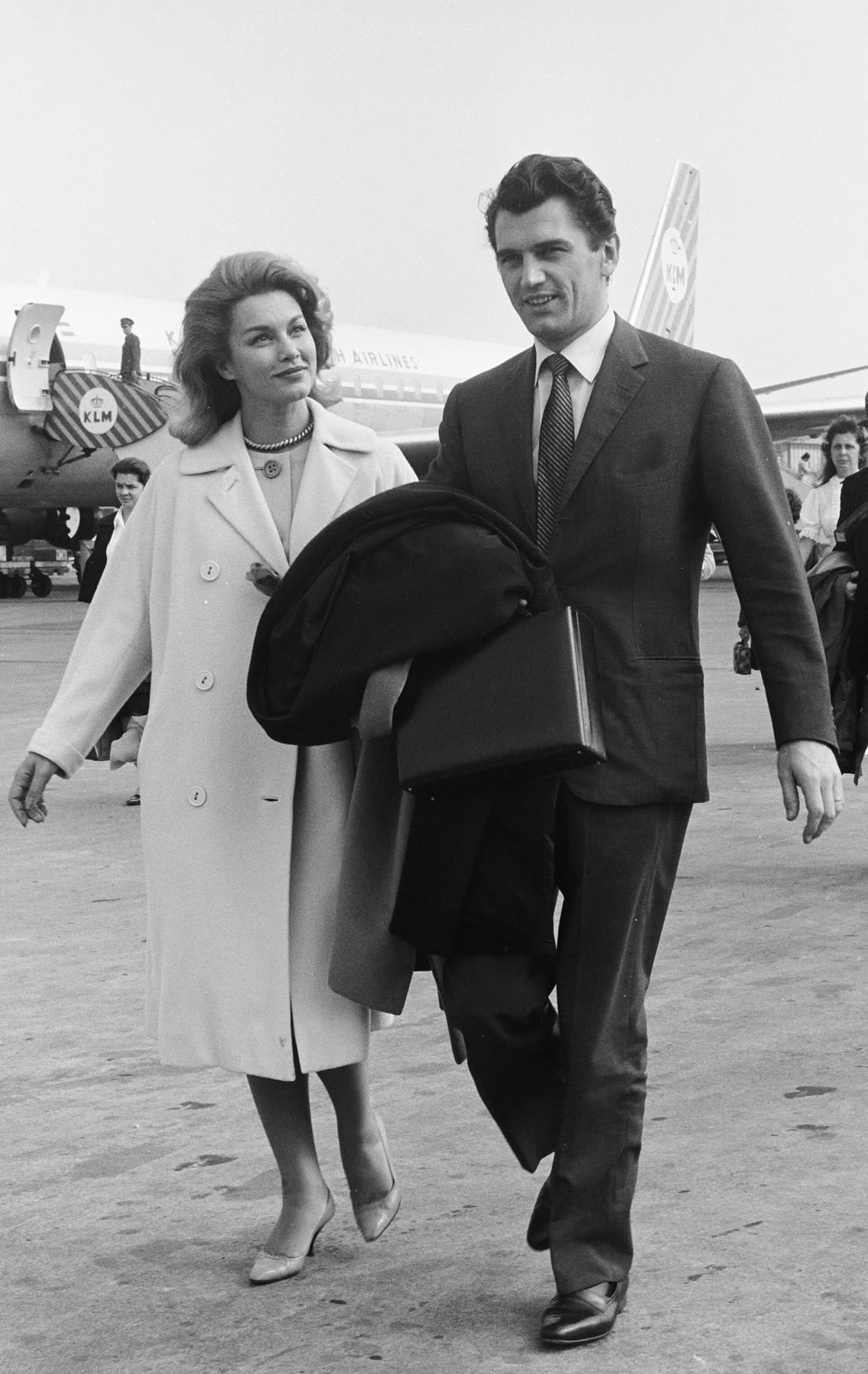
Edmund Purdom, an English actor active from the 1950s, was cast repeatedly in aristocratic or romantic leads and looked the part: tailored suits, controlled posture, and immaculate grooming. Photos and film stills on sites like Wikimedia Commons and stock libraries such as Alamy show a consistent formula.
Key elements of his style:
- Tailored two‑ and three‑piece suits with clean shoulders and nipped waists.
- Dress shirts in white and light pastels, usually with standard collars.
- Classic colors: black, navy, charcoal, mid‑gray, and occasionally camel.
- Understated accessories: narrow silk ties, pocket squares, slim cufflinks.
- Polished grooming: neat hair, clean‑shaven or minimally styled facial hair.
For a modern buyer, that translates into a “quietly formal” wardrobe. You’re not chasing niche reproductions of specific costumes; you’re collecting evergreen menswear pieces that would look at home in a mid‑century film and a contemporary office.

Core Purdom-Inspired Pieces and How to Judge Their Quality Online
Suits: the backbone of the look
Look for single‑breasted, two‑button or three‑button suits in navy, charcoal, and mid‑gray. A subtle pinstripe or birdseye is fine; loud checks are not very Purdom.
Quality checks when you can’t try it on:
- Fabric: prioritize wool or wool‑blend. Listings that specify “100% wool,” “worsted wool,” or “wool blend with polyester under 50%” are safer bets for drape and longevity.
- Construction keywords: terms like “half‑canvassed” or “canvassed” signal more structured tailoring; “fused” is cheaper and can feel stiffer.
- Fit photos: model shots should show a clean line from shoulder to cuff, no collapsing chest, and trousers that break lightly over the shoe.
- Measurements: compare jacket shoulder width, chest, and sleeve length against a well‑fitting blazer you own instead of relying only on S/M/L.
Dress shirts: crisp and neutral
Purdom’s shirts are nearly always plain and light. Aim for white, light blue, or pale pink.
Online quality checks:
- Fabric description: “100% cotton” or “cotton poplin/twill/oxford” usually outperforms “polyester blend” for comfort and feel.
- Collar style: a classic point or moderate spread works best if you’re wearing ties.
- Stitching and details (from close‑up photos): even stitches, clean seams, and reinforced collar and cuff edges suggest better make.
Outerwear: overcoats and trench coats
Mid‑century stills often show tailored overcoats and trenches layered over suits. Modern equivalents:
- Overcoat: knee‑length, single‑ or double‑breasted in navy, charcoal, or camel.
- Trench coat: belted styles in beige or tan, simple hardware, minimal logos.
Check for wool or wool‑blend in overcoats, and cotton or cotton‑blend for trenches. Look at lining photos—full linings tend to feel better over suiting than partial ones.
Shoes: leather classics
Purdom’s look pairs best with:
- Oxfords (closed lacing) for formal suits.
- Derbies (open lacing) for slightly more relaxed tailoring.
- Loafers for off‑duty scenes while still polished.
Online checking:
- Material: “genuine leather upper” and ideally leather or quality rubber soles; avoid vague “PU material” if you want longevity.
- Shape: round or almond toe, not exaggerated square or extremely pointed.
- Construction clues: phrases like “Goodyear welt” or “Blake stitch” imply resolable shoes; fully cemented soles are cheaper but shorter‑lived.
Accessories: subtle finishing touches
Stay in the background visually:
- Ties: silk or silk‑blend, in solid dark colors, regimental stripes, or small dots.
- Pocket squares: white or muted patterns; avoid oversized, flamboyant folds.
- Cufflinks and tie bars: simple silver or gold‑tone shapes.
When buying online, zoom in on fabric texture and hardware finish. Overly shiny plastics or rough edges in close‑ups usually mean the accessory will look cheap in person.
Here’s a quick reference table you can use while browsing listings:
| Item | Purdom-style spec | Safer online fabric/quality cues |
|---|---|---|
| Suit | Dark, plain or subtle stripe, tailored | Wool or wool-blend, clear measurements, clean fit photos |
| Dress shirt | White/light, simple collar | 100% cotton, close-up stitching photos |
| Overcoat | Knee-length, navy/gray/camel | Wool or wool-blend, full lining images |
| Dress shoes | Oxford/derby, black or dark brown | Leather upper, welted or stitched construction |
| Tie/pocket sq. | Narrow, muted patterns | Silk/silk blend, fine weave, non-plastic sheen |
Where to Source Purdom-Style Classics: Department Stores, Vintage, and DHgate
For US buyers, you’ll usually get the closest match to Purdom’s elegance from mainstream classic menswear channels rather than niche costume shops.
- Department stores and classic brands: Places like Bloomingdale’s, Nordstrom, Neiman Marcus, Brooks Brothers, J.Crew, Ralph Lauren and similar retailers typically carry dark wool suits, neutral dress shirts, silk ties, and tailored overcoats that fit this aesthetic. Inventory changes, but their baseline style vocabulary—navy suits, camel coats, cap‑toe oxfords—aligns well.
- Online menswear specialists: Higher‑end sites (Mr Porter, SSENSE, and comparable platforms) curate designer tailoring and shoes. You pay more, but product pages usually give clear fabric compositions and detailed measurements, which helps if you’re recreating a specific silhouette.
- Vintage and thrift: If you want pieces actually from the 1950s–60s, local vintage stores or online resale platforms can be useful. Focus on condition (no moth damage, intact linings) and budget in alterations, since older garments rarely fit perfectly off the rack.
- DHgate and other cross-border marketplaces: Marketplaces like DHgate may carry affordable classic‑style suits, shirts, leather‑look shoes, and accessories. These can be useful for experimenting with the overall Purdom silhouette on a budget—say, a navy suit plus white shirt and striped tie—before investing in higher‑end tailoring. Quality and exact styling vary by seller, so treat every listing as a one‑off: compare fabric descriptions, inspect close‑up photos, and read reviews carefully instead of assuming consistency across the marketplace.
A practical way to build the look is a hybrid strategy: anchor your wardrobe with one reliably well‑made navy or charcoal suit, two or three cotton shirts, and a pair of real leather oxfords from department-store or menswear brands. Then layer in budget‑friendly ties, pocket squares, and maybe a second, less formal suit from a marketplace like DHgate if you’re comfortable doing extra due diligence on seller photos and reviews.
If you find yourself choosing between a cheaper but vague listing and a more expensive piece with clear fabric, construction, and measurement details, Purdom’s style points you toward the latter. His elegance wasn’t about labels—it was about clothes that look refined every time you step into them.