
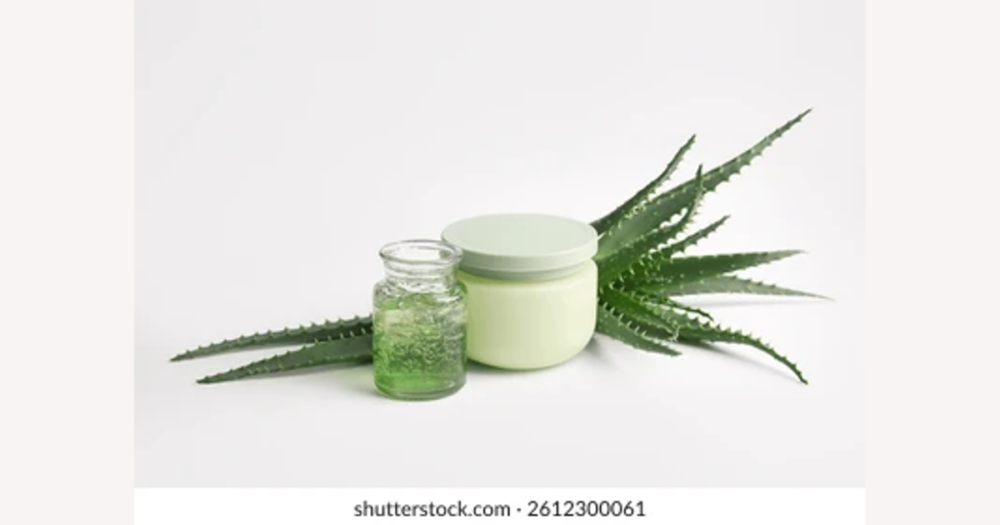
On DHgate there isn’t one universally “best” aloe vera cream for sensitive skin; what matters is finding a gentle, simple formula whose listed ingredients, texture and fragrance are unlikely to feel harsh on your own skin, and then checking the seller’s ratings, reviews and policies so you know what you’re actually likely to receive.
Why there’s no single “best” aloe vera cream for sensitive skin
There is no single aloe vera cream on DHgate that will feel perfect for every person with sensitive skin. Sensitive skin varies a lot, so the same cream that feels soothing for one person can feel heavy, stingy, or too perfumed for someone else. Instead of chasing a universal “best” product, the realistic goal is to pick a formula that is least likely to irritate your own skin based on what it contains and how it is described.
Aloe vera shows up in different kinds of products: clear gels, light lotions, and richer creams. Gels usually feel cool, fresh, and fast-absorbing, sometimes a bit tacky before they dry. Lotions sit in the middle, a little more fluid and moisturizing. Creams that mix aloe with oils, butters, or other emollients feel thicker and more occlusive, so they can be either comforting or too much, depending on how reactive your skin is and how it has handled similar textures in the past.
I care most about a short, clearly listed ingredient mix with little or no added fragrance or colorants for a first try, even if that makes the cream feel basic rather than luxurious. For a more complex or luxurious-feeling formula, I would only move up to it if my skin had already tolerated similar ingredients and textures, and I would be wary of vague descriptions or poor seller feedback on DHgate. The rest of this guide uses that idea to break down common aloe textures, then show how to read ingredient details and DHgate seller signals so you can narrow your options more confidently.
How different aloe textures feel on sensitive skin
Aloe products on DHgate tend to fall into a few texture families. Very light, almost watery gels and clear high-percentage aloe gels usually feel cool, fresh and fast-absorbing, leaving little residue once they dry, though they can feel slightly tacky for a minute. Thicker gels still feel light but sit on the skin a little longer. Fluid lotions mix aloe with a bit more emollient, so they spread easily and add a soft, hydrating layer without feeling as dense as a cream.
Richer aloe creams combine aloe with oils, butters or waxes, which makes them feel creamier, more cushioning and more occlusive on the skin. That heavier texture can be very comforting if your sensitivity comes with dryness or a damaged skin barrier, but it also introduces more ingredients and a stronger “film” on the skin that some people find suffocating or clogging. For that reason, many sensitive-skin buyers prefer to start with lighter gels or lotions, especially if heavier moisturizers have caused breakouts or redness before, and only move toward thicker creams once they know their skin tolerates similar products.
Texture descriptions like “gel”, “lotion” or “cream” in a DHgate listing are your first clues to how the product might feel in real life, but they still need to be backed up by an ingredient list. The next section uses these texture families to compare pure or high-aloe gels, light lotions and richer multi-ingredient creams as distinct choices for different sensitivity and moisture needs.
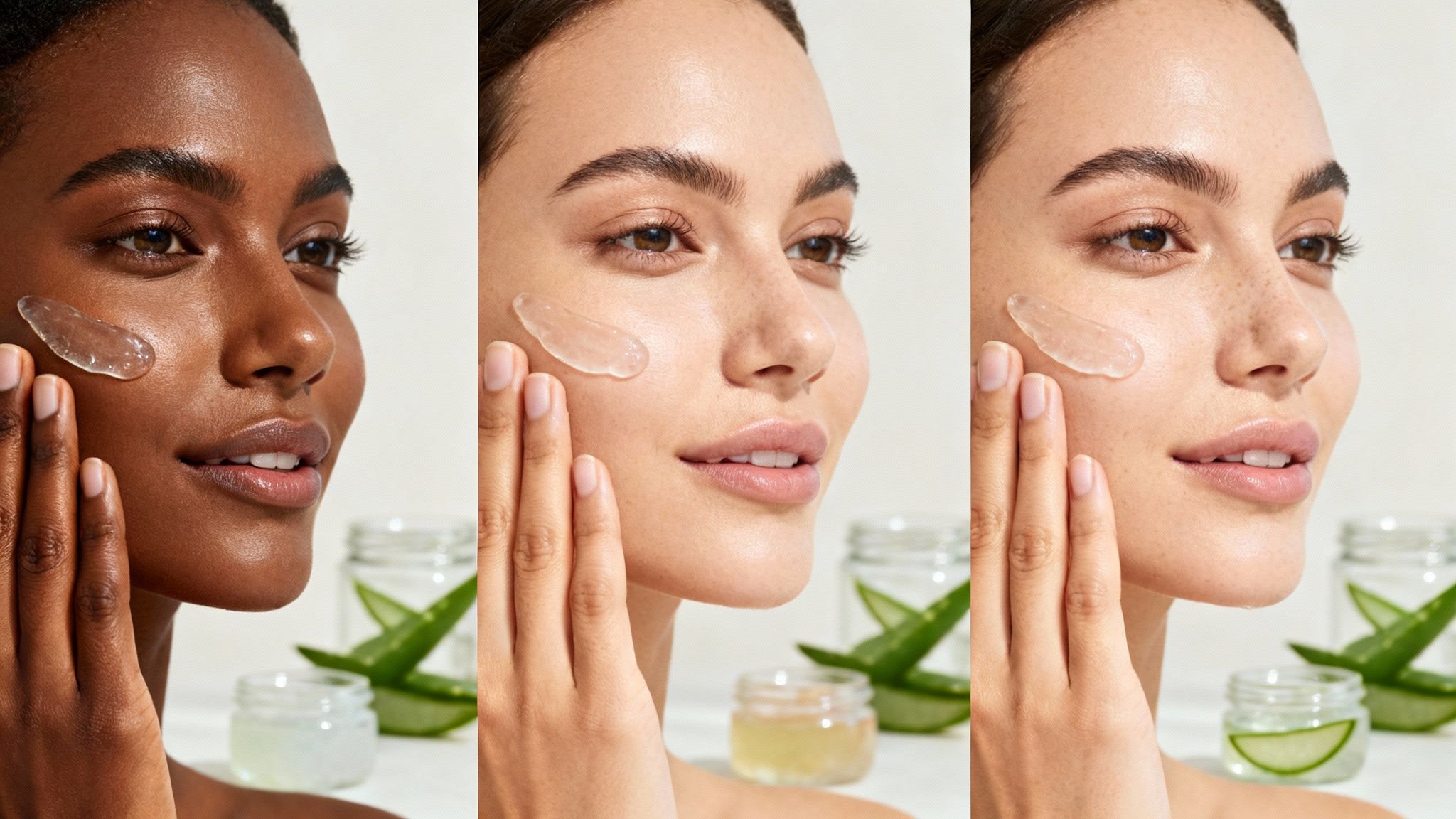
Aloe-based skincare products in both clear gel and creamy textures illustrate how lightweight gels differ visually from richer creams.
Choosing between pure gels, light lotions, and richer aloe creams
| Formulation type | Typical feel and formula | Best suited for | Cautions for sensitive skin |
|---|---|---|---|
| Pure or high-percentage aloe gels | Usually clear, light and fast-absorbing, with short ingredient lists focused on aloe, water and basic stabilizers; often marketed as 95–99% aloe and may be fragrance-free or only lightly scented. | A cautious first experiment for most sensitive-skin buyers who want cooling, lightweight hydration without a heavy film on the skin. | Still scan the full ingredient list for perfumes, strong essential oils or drying alcohols; very simple gels can feel too light if your skin is extremely dry, so you may need to layer another gentle moisturizer. |
| Aloe-based light lotions | Fluid, easy-to-spread textures that combine aloe with modest amounts of humectants and emollients; formula is more complex than a pure gel but still relatively breathable on the skin. | People with sensitive skin who need more moisture than a very light gel provides but find rich creams too heavy or clogging; a good middle ground once you tolerate basic gels well. | Check that the added ingredients are clearly listed and not overloaded with perfumes or intense botanical oils; more components mean more potential triggers, so treat anything strongly scented with extra caution. |
| Richer aloe creams with multiple plant extracts or oils | Creamier, more cushioning and occlusive textures that mix aloe with oils, butters, waxes or other “active” plant extracts; noticeably longer ingredient lists and a more substantial film on the skin. | Sensitive-skin users whose dryness or barrier issues make them crave a richer, more nourishing feel and who already know their skin tolerates similar complex creams or oil-heavy formulas. | Because these creams pack in many extracts, oils and actives, they introduce more variables that can feel overwhelming or irritating; I would reserve them until a simpler gel or lotion has felt comfortable and only choose listings with transparent ingredients and minimal heavy fragrance. |
How to read aloe cream ingredients for sensitive skin
- Check aloe prominence. Look for aloe (often listed as Aloe barbadensis leaf juice or similar) near the top of the ingredient list or a clearly stated high aloe percentage, and still scan the rest of the formula instead of assuming purity alone guarantees comfort.
- Assess fragrance. Prefer products described as fragrance-free, unscented, or very mildly scented, and treat listings where generic “fragrance” or “parfum” appears high in the ingredient list or is heavily promoted as a stronger scent with caution.
- Review alcohols and potential irritants. Notice heavy use of drying alcohols or multiple strong essential oils, as these can feel more aggressive on sensitive skin; many people with sensitivity do better with formulas that keep these components modest or absent.
- Consider colorants and unnecessary extras. Be wary of brightly dyed gels or creams when the color clearly comes from added dyes, especially if your skin reacts easily; added color rarely improves comfort and mainly changes appearance.
- Evaluate list length and clarity. Shorter, clearly named ingredients are easier to judge, while very long lists with vague, untranslated or catch-all terms make it harder to predict how gentle the product will feel.
- Remember the limits of ingredient checks. These signals can reduce, but never completely remove, the chance of discomfort, so treat them as tools for narrowing down gentler-looking options rather than a guarantee that a specific aloe cream will suit every person with sensitive skin.
Listing red flags for sensitive-skin aloe buyers
Step-by-step: Evaluating an aloe cream listing on DHgate
- Step 1: Skim the product title and key specs. Confirm whether it is a gel, lotion, or cream; note whether it is marketed for the face, body, or both; and check for any stated aloe percentage or concentration hints.
- Step 2: Examine photos and any media. Look for images that show the texture (clear, jelly‑like gel versus opaque cream), the packaging size, and close‑ups of labels mentioning points like “fragrance‑free” or “for sensitive skin.”
- Step 3: Read the full ingredient list carefully. Apply the earlier checklist: check where aloe appears in the list, look for generic “fragrance” or parfum, notice drying alcohols or multiple strong essential oils, and pay attention to dyes and how clear or crowded the list feels.
- Step 4: Scan the description for usage details and claims. Make sure the stated use (light daily hydration, after‑sun refresh, richer night cream, etc.) matches what you want, and treat very vague buzzwords without supporting information as a sign to slow down and question whether the product fits your needs.
- Step 5: Review seller ratings and buyer reviews. Look at overall scores, the number of transactions, and repeated comments about texture, scent strength, and whether the product matched expectations. Consistent praise for comfortable feel and accurate description is more reassuring than a few isolated positive remarks.
- Step 6: Check shipping, return, and dispute information. Note estimated delivery times, whether cosmetics are eligible for returns, and how DHgate disputes are handled if the product arrives very different from what the listing described.
- Following this same sequence each time you open an aloe listing on DHgate helps turn general sensitivity concerns into a more controlled decision, reducing surprises in texture and fragrance even though it cannot remove all risk.
Using DHgate seller signals to reduce surprises
On DHgate, seller signals are one of the few ways to judge how closely an aloe vera cream or gel is likely to match its description. A higher average rating combined with a meaningful number of past transactions usually points to more consistent service and product delivery, even though it can’t guarantee that the texture or scent will feel comfortable on sensitive skin.
Instead of stopping at star scores, read several reviews and focus on the details. Comments that mention whether the product feels light, sticky, greasy, or quickly absorbing, and whether the scent is faint or strong, give you a much clearer idea of how the cream or gel might sit on your skin. Patterns matter more than one-off opinions: if many buyers describe a strong perfume or heavy feel, I would treat that listing cautiously for sensitive skin.
Buyer-uploaded photos are also useful. Real-life pictures of the product and its texture can show whether a “gel” is genuinely clear and jelly-like or closer to a thick cream, and whether the color looks neutral or heavily dyed. This helps you compare the actual product to the marketing images and decide whether the texture and appearance fit what you want.
Shipping, return, and dispute information completes the trust picture. Clear delivery estimates, straightforward return rules, and transparent dispute handling make it easier to act if the aloe product arrives very different from what the listing promised. For personal-care items where texture and scent are central to satisfaction, I would rather experiment with sellers who spell these policies out than with ones that leave them vague.
Personally, when trying an aloe product for sensitive skin on DHgate, I would prioritize sellers with solid ratings, visible transaction history, detailed reviews, and buyer photos that match the description. Combined with your ingredient and texture checks, these trust signals help you avoid listings where reality often diverges from marketing claims and create a more controlled profile for a cautious first experiment.
A cautious first experiment for sensitive skin
- Start with product type: choose a high-aloe gel or a light aloe-based lotion rather than jumping straight into a heavy, complex cream, so the texture is more likely to feel light and less overwhelming on sensitive skin.
- Prefer simple, transparent formulas: look for a shorter ingredient list with aloe near the top and only minimal added fragrance, dyes, or strong essential oils, so you have fewer variables to worry about.
- Pick a modest size and price: begin with a smaller tube or jar and a reasonable cost so you limit waste if the product ends up feeling sticky, too perfumed, or otherwise uncomfortable.
- Check the seller profile: choose a DHgate seller with good overall ratings, a visible history of transactions, and reviews that mention texture and scent in enough detail to match your comfort preferences.
- Adjust for your own tolerance: if you already know that your skin handles richer creams or certain added plant extracts well, you can relax these criteria slightly, but only where your past experience supports it.
- Keep expectations realistic: this cautious profile is meant to reduce surprises in feel and fragrance, not to promise specific skin results or act as medical advice, so treat it as a safer first experiment rather than a guaranteed solution.
FAQ: Common aloe questions from sensitive-skin buyers
Is aloe gel or cream lighter in feel on sensitive skin?
Aloe gels are generally lighter and faster-absorbing, often feeling cool and fresh with only a thin film that dries quickly, while aloe creams tend to feel richer, more cushioning and more occlusive because they include more oils or butters. If your skin is easily overwhelmed by heavy textures, starting with a simple aloe gel or light lotion is usually a gentler first step than jumping straight into a dense cream.
Can I safely use a body aloe product on my face if I have sensitive skin?
Face-specific aloe products are usually formulated with the thinner, more delicate facial skin in mind, whereas body products may include stronger fragrance, dyes or heavier occlusive ingredients to feel more indulgent on larger areas. If you consider using a body product on your face, read the full ingredient list, avoid heavily perfumed or brightly dyed formulas, and try a cautious patch test on a small area before applying it more widely.
What do “soothing” or “calming” claims on aloe listings really mean for sensitive skin?
Terms like “soothing” or “calming” are marketing language about the intended feel of the product, not guarantees that it will suit every sensitive skin. Treat them as a starting hint and look beyond the slogan to the ingredient list, fragrance details, and buyer reviews that describe actual texture and scent. Combining those checks with small, cautious experiments is the most realistic way to find an aloe gel or cream that genuinely feels comfortable on your own skin.