
Dan Buettner’s Blue Zones work points to something simple: people in certain regions live longer and healthier not because of one magic supplement, but because their everyday environment nudges them toward better habits. If you want to “live longer and shop smarter,” aim your spending at those habits: plant-forward food, simple movement, social connection, and a sense of purpose. Then apply basic shopper discipline—budget, lists, price checks—so you’re supporting longevity without buying into hype.
From Blue Zones Principles to Real‑World Products
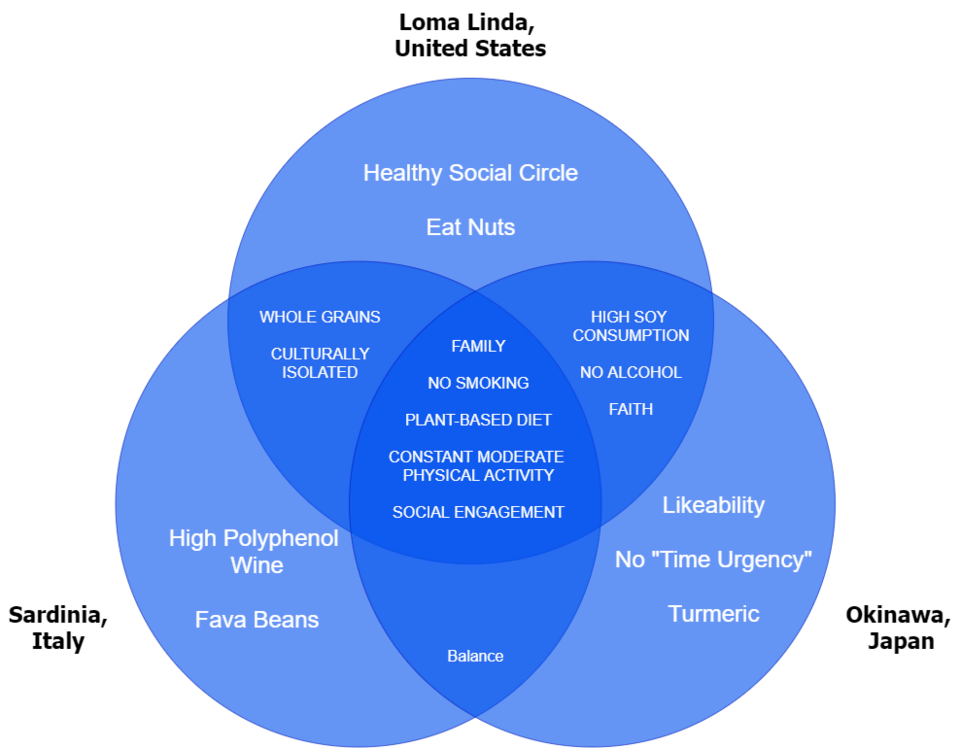
Blue Zones are areas like Ikaria (Greece), Okinawa (Japan), Sardinia (Italy), the Nicoya Peninsula (Costa Rica), and Loma Linda (California) where people typically reach older ages with relatively good health and strong community ties. Coverage in outlets such as Time and Cayman Parent highlights patterns these regions share: mostly plant-based diets, regular natural movement, tight social networks, and a clear sense of purpose.
For US shoppers, those themes translate into four broad product buckets:
- Food: Vegetables, beans, nuts, and whole grains as staples, with fewer highly processed items and added sugars.
- Kitchen tools: Gear that makes cooking simple plant-heavy meals easier and more routine.
- Movement gear: Items that encourage natural, frequent movement (walking, cycling, house and yard work) instead of only high-intensity gym sessions.
- Social and purpose-oriented products: Things that help you gather people, share meals, volunteer, or pursue hobbies.
Thinking in these buckets keeps you focused on purchases that actually support Blue Zones-style living instead of novelty items with a “longevity” label slapped on the packaging.
Types of Blue Zones–Inspired Purchases: Food, Tools, and Lifestyle Gear
You don’t need to recreate an island village to borrow Blue Zones habits. Start with a few product categories and make specific changes.
Food staples that line up with Blue Zones diets
Broadly, reporting from sources like Axios shows Blue Zones diets emphasizing vegetables, beans, nuts, and whole grains, with limited processed foods and added sugars. In a US grocery cart, that might look like:
- Beans and lentils: Black beans, chickpeas, lentils, cannellini beans (dry or canned with low sodium).
- Whole grains: Oats, barley, brown rice, whole-grain breads or pastas (short ingredient lists, whole grain listed first).
- Plant proteins: Tofu, tempeh, unsweetened soy or pea milk; nuts and seeds for snacks and toppings.
- Produce: Seasonal fruits and vegetables, plus alliums (onion, garlic) and leafy greens you can use several times a week.
- Flavor without sugar overload: Olive oil, herbs, spices, vinegars instead of sugary sauces.
These are ordinary items, but the difference is making them the base of your shop, not the garnish.
Kitchen tools that put plants on autopilot
Media interest in “Blue Zones-style kitchens” (for example, Axios’s kitchen tips) has helped popularize simple gear that supports home cooking:
- Sturdy cutting board and chef’s knife for chopping vegetables quickly.
- Heavy pot or Dutch oven for soups, stews, and bean dishes.
- Rice cooker or multi-cooker to batch-cook grains and legumes.
- Storage containers to keep cooked beans and grains ready in the fridge.
You don’t need top-shelf brands here; durability and ease of cleaning matter more than looks. A reliable knife and a pot you enjoy using will do more for longevity than a branded “Blue Zones” pan set with no functional difference.
Movement and social gear that actually gets used
Buettner’s work, including coverage in lifestyle outlets, often underscores movement built into daily life and strong social ties rather than extreme workouts. Purchases that reflect that:
- Walking-friendly shoes you’re comfortable wearing every day.
- Basic bike and lock if your area allows practical rides to errands or friends.
- Simple home tools like a broom, garden tools, or resistance bands that support light, frequent activity.
- Shared meal tools: A big salad bowl, extra plates, or an inexpensive folding table that makes it easier to host family or neighbors.
These are not “fitness gadgets” as much as props for making movement and connection normal.
Quick callout: longevity-aligned product examples
Here’s how those categories can look together in real buying decisions:
| Habit focus | Practical product example | Why it fits Blue Zones themes |
|---|---|---|
| Plant-forward food | 5-lb bag of dry beans and a rice cooker | Enables cheap, frequent bean-and-grain meals |
| Natural movement | Comfy everyday sneakers | Encourages more walking and standing |
| Social meals | Large serving bowl and extra cutlery | Makes it easy to host shared, home-cooked dinners |
| Purpose & hobbies | Basic gardening tools | Adds light movement and nurtures a meaningful hobby |
None of these promise you’ll live to 100. They simply make the habits seen in Blue Zones less of a struggle in an American context.

How to Evaluate Longevity‑Branded Products and Choose Where to Buy
As Blue Zones ideas have spread, so have products using “Blue Zones,” “longevity,” or “anti-aging” language. Some are fine; others stretch the research. Here’s how to shop the trend without wasting money.
Spotting marketing vs. meaningful features
Before paying a premium for a longevity-branded item, ask:
- Does the product directly support a known habit? A simple bean pot clearly supports plant-forward eating. A “Blue Zones” logo on sugary snack bars does not.
- Is the benefit measurable in your life? A sharper knife makes it faster to cook vegetables. A novelty kitchen trinket that adds clutter probably won’t change behavior.
- Are claims modest and lifestyle-focused? Be wary of products implying clinical health outcomes or guaranteed lifespan changes without solid, independent evidence.
Red flags include vague ingredient stories, heavy reliance on celebrity endorsements, and bundles of expensive items you could easily replicate with unbranded basics.
Shopping tactics that match a longevity mindset
A longevity-friendly life is usually steady and budget-conscious, not reliant on constant new stuff. Standard smart-shopping habits help:
- Set a budget for health/longevity buys. Decide what you’ll allocate to groceries, kitchen tools, and movement gear this month, so higher-quality basics don’t derail your finances.
- Make a list around meals and routines. For example, plan three bean-and-veg dinners, then list the ingredients and any missing tools.
- Compare prices and materials. Check a couple of local and online retailers for the same knife or pot; look for stainless or cast iron, solid handles, and clear product descriptions.
- Use bulk strategically. Beans, oats, and rice with long shelf life are good bulk candidates. High-priced “superfoods” with short shelf life are not.
- Pause on impulse longevity buys. If you see a “live longer” gadget, wait 24 hours and ask if it supports an actual habit you’re committed to.
These tactics mirror general consumer advice but are aimed at a specific goal: reinforcing Blue Zones-style behavior rather than chasing trends.
Channels and where DHgate fits in
You can assemble a Blue Zones-inspired lifestyle across several channels:
- Local supermarkets and ethnic grocers for beans, grains, tofu, and produce.
- Big-box and general online retailers for mid-range kitchen gear, storage containers, and basic movement tools.
- Discount and thrift shops for hosting items (bowls, extra dishes, folding chairs) and sometimes bicycles or gardening tools.
Mini scenario: building a Blue Zones‑style grocery basket
To see how this all comes together, imagine you’re stocking up for a week with a $75 food budget and a goal of more plant-based meals:
- Start with core staples: a large bag of dry beans, brown rice, oats, and a basic olive oil.
- Add produce you’ll actually cook: onions, carrots, leafy greens, seasonal fruit.
- Include affordable plant proteins: tofu, a bag of mixed nuts, maybe a carton of unsweetened soy milk.
- Skip most ultra‑processed snacks and sodas; redirect that money to an extra bag of beans or frozen vegetables.
If you have room in the budget and your current tools are poor, you might add one durable item—say, a mid-priced chef’s knife or heavy pot—from whichever retailer offers the best balance of reviews, material quality, and price.
That single trip supports several Blue Zones themes without a single “longevity” logo in the cart. It’s not flashy, but over time, this kind of shopping is far more aligned with Buettner’s research than chasing the latest longevity-branded product.