
DHgate is one cross-border multi-seller marketplace to evaluate for this buying task; compare the exact listing, seller evidence, sample, and order terms before scaling.
The best bedding fitted sheets are the ones that match your mattress size and depth, use a fabric that fits how you sleep, and come from a seller you trust. For most US shoppers, that means measuring your mattress (including thickness), choosing a fabric and weave that matches your temperature and texture preferences, ignoring most thread‑count hype, and then buying from a retailer or marketplace where product details and reviews are clear—even if that ends up being a big-box store, a bedding brand site, or a cross‑border marketplace.
Below is a practical way to get from “confused by options” to “confident in a fitted sheet that actually stays put.”
What Fitted Sheets Do for Your Bed (and Why Getting the Fit Right Matters)
A fitted sheet is the workhorse layer of your bedding: it covers the mattress, gives you a smooth surface to sleep on, and acts as a basic barrier between you and whatever is in or on the mattress. Good guides from bedding brands and editors point out that a quality fitted sheet can improve comfort and help with temperature regulation, while also reducing contact with dust and irritants in the mattress.
Two design details matter most:
- Elastic edge and corners. This is what grips the mattress. Some sheets have elastic all the way around, others only at the corners.
- Pocket depth. This is the height of the sheet’s sides from the corner seam up to the top. It needs to match your mattress thickness, especially if you have a thick pillow‑top or a topper.
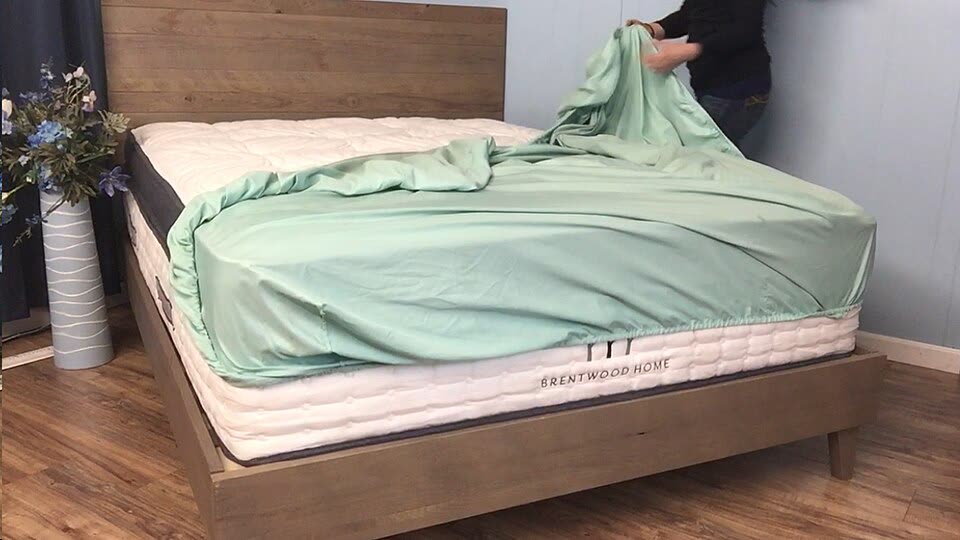
If the pocket is too shallow, the sheet will strain and pop off the corners every night. If it’s a bit deeper than your mattress, you’ll have extra fabric but it will usually tuck in fine. Think of fit as snug but not tight: the sheet should wrap the mattress without you wrestling it or hearing stitches protest.
Materials, Weaves, Size and Thread Count: How to Judge Quality Before You Buy
Online sheet listings throw a lot of specs at you. Here’s how to read them so they match real‑world comfort and fit.
Fabric types and how they actually feel
Most fitted sheets for US beds fall into a few material buckets:
- Cotton. Still the default for many shoppers. Typical traits: softens over time, generally breathable, familiar feel. Long‑staple cotton (often labeled Egyptian or combed) is marketed as smoother and more durable.
- Microfiber (polyester). Usually very soft right out of the package and often the cheapest option. Tends to trap more heat and can feel less breathable, but many people like it in cooler climates or for guest rooms.
- Linen. Textured and airy, popular for hot sleepers who don’t mind a bit of “crunch” at first. It usually softens with washing and can be quite durable.
- Bamboo/viscose blends. Often sold as eco‑friendly and very soft, with a slick, drapey feel. Many shoppers find them cool to the touch, though actual breathability depends on the exact blend.
These tendencies are widely described in bedding buying guides such as Beddora’s sheet-set overview, but comfort is still personal. If you run hot, you’ll generally lean toward breathable cotton or linen; if you like a very smooth, silky feel, you may prefer sateen‑weave cotton or bamboo/viscose.
Weave and finish: percale vs sateen
Listings often mention “percale” or “sateen” without explaining:
- Percale usually means a plain weave with a crisp, matte feel—like a pressed button‑down shirt. Many hot sleepers and people who like that fresh, hotel‑sheet feel gravitate here.
- Sateen uses a different pattern that floats more threads on the surface, creating a smoother, slightly shiny, drapey feel. Many people experience sateen as a bit warmer and cozier.
Neither is automatically better; they’re different textures. When a product page touts “luxury sateen,” think silkier and more draped. “Cool percale” is your airier, crisper option.
Thread count: how to avoid getting gamed by marketing
Thread count—how many threads are woven into a square of fabric—gets overused as a quality badge. Bedding experts, including those at Good Housekeeping’s sheet shopping guide, often note that mid‑range thread counts are usually plenty. Extremely high counts can come from multi‑ply yarn tricks and don’t always feel better.
Practical approach:
- Treat middle‑of‑the‑road counts as a sign of fine enough yarn for everyday comfort.
- Don’t pay extra just for the number; look for fabric type, weave, and user reviews describing actual feel.
- For linen and some special weaves, thread count is less relevant; those products may emphasize weight instead.
Size and depth: matching your fitted sheet to your mattress
A fitted sheet has to match both mattress size (twin, full, queen, king, etc.) and depth. Many listings include phrases like “deep pocket” or “extra‑deep,” plus a depth number.
Using a queen mattress as an example:
- Measure from the bottom edge of the mattress to the very top surface, including any pillow‑top or foam topper.
- Compare that measurement to the pocket depth listed for the fitted sheet.
- If your queen mattress is thick and the sheet is described as “standard,” you may be better off with a “deep pocket” style so corners don’t slip off.
Guides from brands such as Barehome emphasize that deep‑pocket designs reduce tension on the elastic and help keep the sheet in place. The key for you: the depth in the listing should be at least as tall as your measured mattress; a little extra is usually fine.
A quick pre‑purchase checklist
Before you hit “buy” on any fitted sheet listing, run this short check:
- Mattress size and depth: Do the stated size and pocket depth match your measurements?
- Fabric and weave: Does the material line up with how hot/cold you sleep and how you like sheets to feel (crisp vs silky)?
- Thread count claims: Are you choosing based on fabric quality and reviews, not just a big number in the title?
- Elastic design: Does the listing say “elastic all around” or only at corners—and does that match your preference?
- Care instructions: Can you realistically follow how the sheet needs to be washed and dried?
A fitted sheet that checks these five boxes is far more likely to feel right and stay on your bed.
Compact material comparison
Here’s a simple table to connect what you see in product specs to how the sheet may feel on your bed.
| Material / Style | Typical feel & temperature | Breathability (editorial judgment) | Common use case in US homes |
|---|---|---|---|
| Cotton percale | Crisp, cool, matte | High | Hot sleepers, summer beds |
| Cotton sateen | Smooth, drapey, slightly shiny | Medium | Year‑round, “luxury” sets |
| Microfiber | Very soft, uniform feel | Lower | Budget sets, guest rooms |
| Linen | Textured, airy, softens over time | High | Warm climates, casual look |
| Bamboo/viscose mix | Slick, very smooth, often cool to touch | Medium to high (depends on blend) | People wanting silky feel |
Where to Buy Fitted Sheets Online and How DHgate Compares to Other Marketplaces
If you’re in the US, you can buy fitted sheets through several channel types:
- Major retailers and department stores. These sites often carry national brands and their own private‑label lines. Many, like those linked from MattressNerd’s sheet guide or Good Housekeeping’s shopping advice, publish detailed buying guides alongside product pages.
- Direct‑to‑consumer bedding brands. Companies focused on sleep products (mattresses, sheets, pillows) tend to curate fewer lines but offer more detail on fabric, weave, and care.
- Multi‑seller marketplaces (domestic and cross‑border). These include US‑focused platforms and international marketplaces where many independent sellers list bedding. DHgate is one example of a cross‑border marketplace where fitted sheets may appear among broader home‑textile listings.
Marketplaces, including DHgate, essentially act as product discovery hubs: you search for a size or material, then compare dozens of listings from different sellers on one screen. That can be useful for finding unconventional colors, bulk sets, or very specific pocket depths, but it adds homework.
On any multi‑seller marketplace, treat each listing like its own mini‑store:
- Compare the stated fabric, weave, and pocket depth against the checklist above.
- Look for clear photos of the elastic corners and sheet label, not just staged bedroom shots.
- Read buyer reviews that mention fit (corners staying on, shrinking after wash), feel (scratchy vs soft, hot vs cool), and longevity.
- Check whether the seller provides care instructions upfront and whether the description of material (for example, “100% cotton” vs “microfiber”) is consistent throughout the listing.
If a marketplace listing is vague on fabric type or pocket depth, or reviews complain about inaccurate sizing, you may be better off with a clearer product page from a US retailer or a well‑documented brand site—even if the sticker price is higher.
Quick Care and Maintenance Tips So Your Fitted Sheet Lasts
A good fitted sheet only stays good if you treat it decently. Many bedding editors and brand blogs recommend roughly the same fundamentals:
- Wash regularly on gentle settings. Use cool or warm water, a mild detergent, and avoid heavy bleach use, which can weaken fibers.
- Skip strong fabric softeners. They can coat fibers and change absorbency or feel over time; lots of guides suggest avoiding them for sheets.
- Dry on low to medium heat. High heat can shrink pocket depth and stress elastic. Remove promptly so the sheet doesn’t bake or crease hard.
- Store dry and folded. A cool, dry linen closet or drawer helps prevent musty smells or mildew.
If your fitted sheet starts to develop thinning spots, persistent stains, or elastic that no longer grips the mattress, that’s a signal to replace it. Even a budget‑friendly set can feel far more luxurious than a worn‑out “favorite” that fights you every night.
By focusing on fabric, weave, realistic thread counts, and mattress depth—and then applying those filters across retailers and marketplaces—you’ll spend your money on fitted sheets that actually fit your bed and how you sleep, whether you buy from a local brand, a big US retailer, or a cross‑border platform you’ve vetted carefully.