
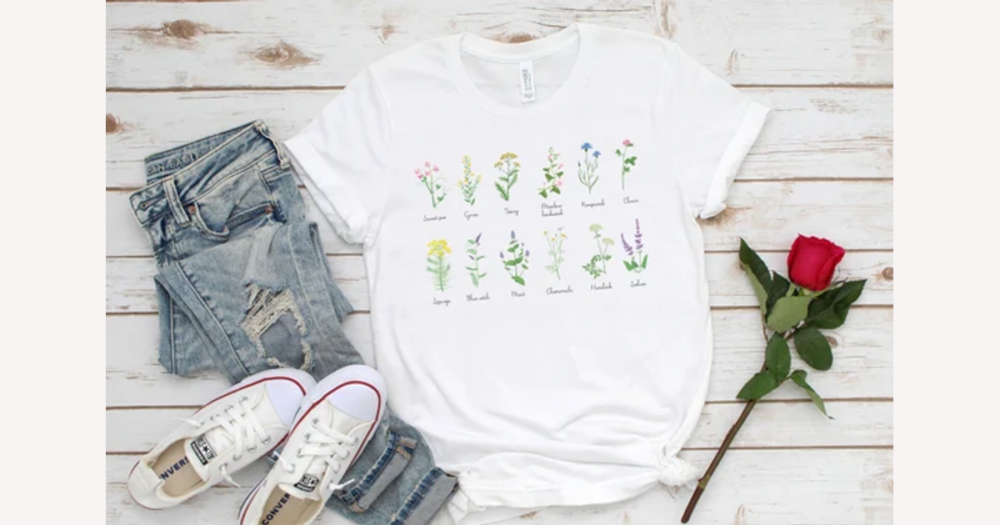
If you’re hunting for a unique wildflower t‑shirt, DHgate can give you a huge range of designs from many independent sellers—but the real decision is whether a specific listing looks trustworthy. This guide shows you how to read DHgate product pages for these tees: what fabric and print specs mean in everyday wear, how to weigh seller ratings and reviews, and which payment, shipping, and dispute details matter most so you can enjoy a distinctive wildflower print without feeling like you rolled the dice on quality or reliability.
How DHgate fits into your search for unique wildflower t‑shirts
DHgate is a large marketplace where many different sellers offer wildflower‑themed t‑shirts, so it can be a practical place to compare nature‑inspired designs and listing details in one spot. Instead of pointing you to specific stores or products, this guide focuses on how to read DHgate listings themselves—looking closely at photos, fabric and print specs, seller information, and platform‑level protections—so you can balance a distinctive wildflower design with your own comfort level on quality and risk. If you already trust a particular DHgate seller and are happy with basic cotton quality, you might decide to take more chances on bolder, more experimental artwork; if you’re newer to the platform, I’d rather steer you toward listings with clearer specs, consistent photos, and better feedback, even if the design is a bit less wild. From there, the next step is learning how to turn common fabric and print terms on DHgate into realistic expectations for how a wildflower t‑shirt will feel, drape, and age over time.
How to read fabric and print specs on DHgate wildflower t‑shirts
On DHgate, t‑shirt fabric specs are usually your first clue about comfort. Labels like “100% cotton” tend to mean a softer, more breathable feel that can shrink a bit if washed hot, while cotton‑poly blends often feel smoother and lighter, wrinkle less, and may trap more heat because polyester is less absorbent. Mentions of GSM (grams per square metre) or comments about thickness hint at weight: a mid‑weight cotton will feel more substantial and opaque than a very thin blend, draping more firmly and often feeling warmer. Higher GSM generally suggests a denser fabric that can be cozy but might feel heavy in hot weather; very low GSM may feel airy but can also make a print look less crisp if the cloth is flimsy.
Fit descriptions change how the wildflower artwork sits on your body. An oversized or loose fit leaves more flat space for the print and tends to keep flowers from stretching oddly across the chest or shoulders. A regular fit is a middle ground, while a slim fit can make detailed stems or petals look distorted if the fabric is pulled tight. If the listing shows prints wrapping around seams or sleeves, imagine how those areas move when you raise your arms or sit down—fine lines can bend or break visually even if the ink itself holds up.
Print method labels, when they appear, add another layer of expectation. Screen printing typically produces solid, vivid colors and sharp edges and can resist fading well if cared for properly, but thick ink layers may crack over time on high‑stress areas. Heat‑transfer and some vinyl‑style prints often look very crisp at first yet can feel plasticky and be more prone to cracking or peeling if the transfer film is stiff. Sublimation and DTF (direct‑to‑film) prints can deliver very colorful, detailed artwork, especially on polyester‑rich fabrics, and are less likely to crack because the color is bonded into the fibres or closely adhered to them—but they may feel less “ink on cotton” and more like the fabric itself is dyed. Two DHgate listings can use similar terms yet feel completely different in person, because individual sellers source their own blanks and printing, and the platform doesn’t enforce uniform quality. Treat specs as helpful hints, not guarantees, and lean toward wildflower tees with specific, consistent material and print information over vague descriptions if you care how the artwork will look and hold up after repeated wear and washing.
Judging design uniqueness from DHgate listing photos and details
On DHgate, the easiest way to think about design uniqueness is to focus on what you can actually see in the photos and read in the description. Wildflower artwork that looks detailed, hand‑drawn, or painterly—fine lines in stems, varied petal shapes, shading rather than flat blocks of color—usually feels more distinctive than simple clip‑art flowers dropped in the center of the chest. Unusual placement can also signal intention: prints that wrap around the side, appear on the sleeves or back, or use negative space cleverly tend to stand out more than standard front‑only graphics.
Color and variation details offer another clue. Listings with a small, cohesive set of colorways or a few thoughtfully arranged variations often reflect more design care than the same basic wildflower image pasted onto dozens of different shirt colors and cuts. As you browse, pay attention to how many near‑identical wildflower designs you see from different sellers; if the artwork appears over and over with only minor changes, it’s probably a common template rather than something genuinely original to that store.
Words like “unique,” “original,” or “exclusive” in titles and descriptions are marketing language, not claims DHgate verifies, so treat them as sales talk rather than proof. It’s reasonable to prioritize listings that balance appealing artwork with clear fabric and print specs, accurate‑looking photos, and solid seller signals, even if the design is a bit simpler, over very ornate prints from sellers that provide little detail. As you compare options, save or bookmark a small set of designs that visually match what you want, then use the buyer checklist in the next section to decide which of those feel safest to explore further.
A simple buyer checklist for DHgate wildflower t‑shirt listings
- Review all listing photos closely—front, back, and any close‑ups—to confirm the wildflower design matches the written description and to spot differences between color or style variants shown.
- Read material, print, and size information carefully, including fabric composition, fit notes, and size charts; treat vague, contradictory, or missing specs as signs of extra uncertainty.
- Check seller ratings, total completed orders, and written reviews, paying special attention to comments about t‑shirts that mention print clarity, fabric feel, and how accurately the item matches photos.
- Confirm the price, currency, quantity, and any options, and make sure your order and payment stay within DHgate’s normal checkout rather than shifting to direct messages or off‑platform requests.
- Look at shipping methods, estimated delivery windows, and any stated handling time, and decide whether those timelines and costs are acceptable for when you want the t‑shirt.
- Glance at the summary of dispute and refund terms mentioned on or near the listing so you have a rough sense of what support may be available if the t‑shirt arrives late, damaged, or noticeably different from expectations.
- If several of these checks raise unanswered questions—especially around specs, reviews, payment, or shipping—it’s safer to slow down and walk away from that listing, choosing another wildflower design with clearer information instead.
Reading DHgate seller signals for wildflower t‑shirts
On DHgate, seller metrics are your main way to judge reliability for a wildflower t‑shirt. Higher overall ratings paired with a substantial number of completed orders usually point to more consistent performance, whereas brand‑new stores or very low‑volume sellers carry more unknowns because there is less history to learn from.
Go beyond the stars and read written reviews. Look for comments on t‑shirts that sound similar to the wildflower style you’re eyeing—people mentioning how sharp or blurry the print looks, whether colors match the listing photos, how the fabric feels against the skin, and whether sizing matches the chart. Even a few detailed reviews about tees from the same seller can tell you more than a long list of generic “good product” remarks.
Response rate and signs of recent activity add useful but secondary context. A seller that appears to answer questions promptly and has recent orders or updates is more likely to be actively managing their store and capable of handling issues, though this is not a guarantee of good service every time.
All of these signals have limits. Strong ratings cannot promise a perfect outcome for every item, and reviews may be brief, biased, or focused on other products from the same seller. When you see sparse, mixed, or contradictory metrics—especially if the listing itself is vague about fabric, print, or sizing—it’s reasonable to treat that t‑shirt as higher risk and favour a more transparent seller instead, even if the alternative wildflower design looks a bit less striking at first glance.
Keeping your DHgate order and payment as safe as possible
Shipping and delivery expectations for DHgate wildflower t‑shirts
For most DHgate wildflower t‑shirts, assume the parcel is moving across borders rather than arriving like a domestic two‑day shipment. Listings often quote delivery in broad ranges—sometimes several weeks—because timing depends on the route, carrier, customs processing, and how quickly the seller hands the package over. Treat any estimate as a rough window rather than a promise, and be extra cautious if you need the shirt for a specific date, such as a trip, gift, or event outfit.
Many listings offer a choice of shipping methods. Cheaper options are usually slower and may have less detailed tracking, while more expensive services tend to move faster and provide better updates. Match the method to your budget and timeline: if the design is for an upcoming occasion, paying a bit more for a tracked, faster service can be worth it; if timing is flexible, a slower, lower‑cost option might be fine.
If you’re buying several t‑shirts from the same seller, combined shipping can change both cost and timing—sometimes lowering the per‑item fee but also meaning the whole bundle travels on one schedule. Check whether the listing or cart shows a separate handling time (how long the seller waits between payment and dispatch), because a long handling time can add days before shipping even starts. When shipping information is very vague, missing, or feels implausibly fast for an international route, treat that as extra uncertainty and weigh it alongside fabric specs, seller feedback, and your deadline. In practice, I would rather choose a slightly less novel wildflower design from a seller who provides clear, believable delivery details than gamble on a mysterious shipping promise for a shirt I need soon.
Using DHgate’s dispute and refund framework if something goes wrong
If a DHgate wildflower t‑shirt arrives late, damaged, or noticeably different from the listing, the platform’s dispute and refund framework is meant to give you a formal way to raise the problem. Marketplace disputes typically cover issues such as non‑delivery, significant mismatches between the photos and the actual print, or fabric and construction that differ from the stated specs, but the exact boundaries depend on DHgate’s current rules.
Your main leverage is the evidence you keep. Save order confirmations and any size or material information shown at checkout, and keep all communication with the seller inside DHgate’s messaging tools so it stays tied to the order. If the t‑shirt shows clear issues—colors that differ heavily from the photos, a different flower motif than advertised, seams coming apart, or a fabric that obviously doesn’t match the description—take clear photos or short videos that make those differences easy to see. This kind of documentation is usually what a platform asks for when you open a dispute.
When you need to escalate, raise the issue through DHgate’s official dispute or problem‑reporting tools rather than trying to negotiate entirely off‑platform. Using those channels keeps the case within whatever buyer protection structure DHgate currently offers. At the same time, dispute rules—time limits for opening a case, what counts as acceptable evidence, and which situations qualify for refunds or partial compensation—can change over time and vary by region, and this guide cannot guarantee the details. If you’re especially concerned, the safest next step is to read DHgate’s present dispute and refund information directly on the site before ordering. I treat these processes as a safety net that may help in many situations, not as a guarantee that every disappointing t‑shirt will be fully reimbursed, so I still try to avoid problems upfront by choosing clearer listings and more transparent sellers.
Red flags to watch for in DHgate wildflower t‑shirt listings
- Very vague or minimal material information, such as no fabric composition or only “soft fabric” with no details. This makes it harder to predict how the t‑shirt will feel, breathe, or hold up after washing, and often correlates with more variable quality.
- Unclear printing details, for example no mention of how the wildflower graphic is applied or only generic phrases like “high‑quality print.” Without basic print information, it’s harder to judge how crisp the artwork may look or how long it might resist cracking or fading.
- Stock‑style or heavily edited images that don’t clearly show a real garment. If photos look like generic catalog shots, filters obscure texture, or you can’t see the actual print placement and fabric surface, you have less evidence that the item you receive will match what’s shown.
- Inconsistent or missing size charts, especially when similar items from the same seller use very different measurements. That’s a practical risk for poor fit because you can’t reliably match your body measurements to the t‑shirt’s cut.
- Prices far below what similar wildflower t‑shirts usually cost on DHgate, without any explanation such as clearance or simpler construction. Very low pricing can mean corners are being cut on fabric weight, print quality, or sewing, increasing the chance of a disappointing shirt.
- Any request from a seller to pay outside DHgate—through direct bank transfer, external payment apps, or custom links. Off‑platform payment bypasses DHgate’s normal protections and makes it much harder to get help if the order goes wrong, so it’s a serious red flag.
Quick answers to common DHgate wildflower t‑shirt questions
Can I find organic or eco-friendly wildflower t‑shirts on DHgate?
Some DHgate sellers may offer wildflower t‑shirts made with organic cotton or other eco‑focused fabrics, but the platform doesn’t guarantee their availability or certify sustainability claims. Treat phrases like “organic,” “eco-friendly,” or “sustainable” as marketing unless the listing clearly states the fabric composition and any relevant standards, and cross‑check those claims against buyer reviews that mention how the fabric feels and washes. If details are vague or inconsistent, assume the shirt is a conventional fabric and choose based on overall transparency and quality signals instead.
How should I interpret DHgate size charts for wildflower t‑shirts from different regions?
Size labels such as S, M, L or regional codes can vary widely between sellers, so rely on the actual measurements given in centimeters or inches rather than the letter size. Compare the chest, length, and shoulder measurements to a t‑shirt you already own that fits well, and check reviews for comments like “runs small” or “fits large.” When size charts are missing, inconsistent, or buyers repeatedly mention poor fit, treat that listing as higher risk and look for a wildflower tee with clearer measurements and more predictable sizing feedback.
What should I expect if the print colors on my DHgate wildflower t‑shirt look different from the photos?
Minor differences between on‑screen colors and the real t‑shirt are normal because of screen settings, lighting, and photography, so expect small shifts in brightness or tone. If the shirt arrives with clearly different colors or a noticeably altered wildflower motif compared with the listing images—especially when photos looked like accurate product shots—that may count as a significant mismatch. In that case, keep your order records and photos of the shirt and consider using DHgate’s dispute tools if the deviation feels large and genuinely misleading, rather than just a subtle variation.