
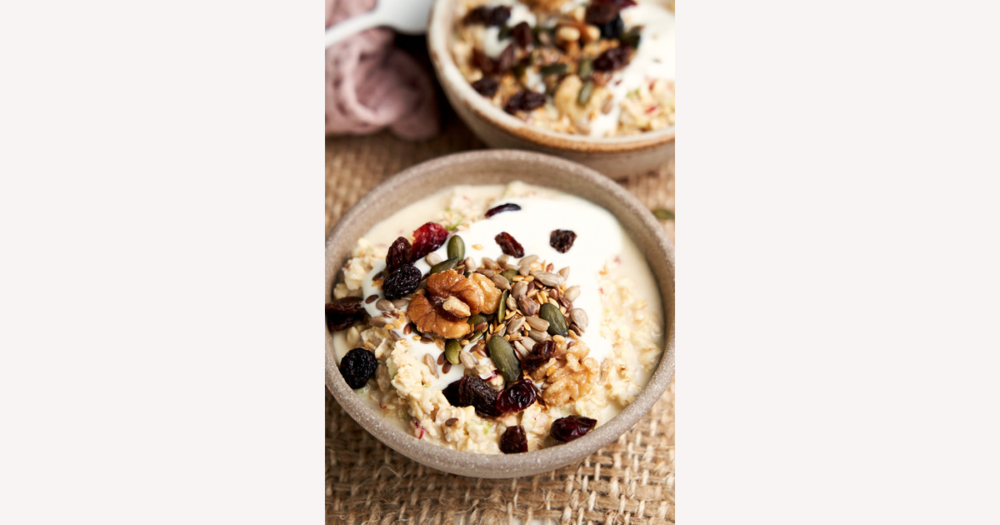
Good bircher muesli isn’t about chasing one hyped brand; it’s about a simple mix of whole rolled oats, real fruit, nuts or seeds, and clear labelling. Once you know what that looks like in the bowl and on the package, you can use the same ingredient and transparency checks on any muesli or breakfast cereal you browse on DHgate, alongside its usual buyer protections.
What actually makes a packaged bircher muesli feel high-quality?
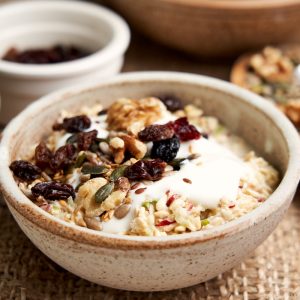
Whole rolled oats, visible dried fruit, and nuts in a bircher muesli bowl illustrate the kind of mix to look for on any packaged cereal label.
On DHgate and elsewhere, “good” packaged bircher muesli usually means a simple mix built on whole rolled oats, with clearly visible pieces of fruit and nuts or seeds, rather than fine oat dust or tiny fragments. When you glance at the bowl or the ingredients list, you should be able to recognise oats, apple or other fruit, raisins, and nuts like almonds or hazelnuts, instead of a long list of flavourings and additives.
Many Swiss-origin and international brands follow this same pattern: rolled oats as the base, some fruit, some nuts or seeds, and modest sweetening. Quality is less about a famous name and more about minimally over-processed ingredients, clear labelling, and a balanced texture where oats, fruit, and nuts all show up in each spoonful. If you already have a local bircher-style cereal you trust, you can treat that as your benchmark and use the same checks—whole oats, recognisable ingredients, and honest labels—when you later explore other mixes or bulk options, including any muesli listings you might consider on DHgate.
Common bircher muesli brand styles and how to match them to your taste
| Style family | Typical ingredients and mix | Texture and eating experience | Best if you prefer |
|---|---|---|---|
| Classic Swiss-style | Rolled oats with raisins or other dried fruit flakes and a mix of nuts such as hazelnuts and almonds, usually with little added sugar. | Soft but still chewy oats, scattered fruit pieces, and small nut fragments for a gentle crunch. | A straightforward oat-and-fruit bowl that feels traditional and not overly sweet. |
| Fruit-forward | Rolled oats with a higher proportion of dried or freeze-dried fruit pieces, sometimes with extra sweetening or juice powders. | Softer, more fruit-saturated spoonfuls, with bursts of sweetness from berries or other fruit and fewer large nut chunks. | A lighter, more dessert-like breakfast where bright fruit flavours matter more than heavy crunch. |
| Nut- and seed-heavy | Rolled oats plus larger chunks of nuts (for example almonds, hazelnuts, pecans) and seeds such as sunflower, pumpkin, chia, or flax, with relatively less fruit. | Noticeably crunchy and more substantial, with each bite containing dense nut and seed pieces and a richer mouthfeel. | A filling, higher-fat, higher-protein bowl that keeps you full longer and adds pronounced crunch to your morning routine. |
Label checks to use on any bircher muesli or muesli cereal
- Grains: Look for whole rolled oats or other recognizable whole grains, and note if the mix uses instant or very finely milled oats, which will make the texture softer and less chewy.
- Fruit, nuts, and seeds: Scan the ingredient list to see how early real fruit pieces, nuts, and seeds appear and whether the balance matches the style you prefer (classic, fruit-forward, or nut- and seed-heavy).
- Sugar and sweeteners: Check total sugars per serving and where sugar, syrups, or juice concentrates sit in the ingredient list; treat high-up sweeteners or very sweet mixes as a trade-off if you’d rather keep added sugar modest.
- Fats and fiber: Glance at the nutrition panel to confirm the cereal offers a reasonable amount of fiber and that fats mainly come from nuts and seeds, not large amounts of added oils or saturated fat.
- Allergens and cross-contact: Read allergen statements carefully for nuts, gluten, seeds, or other ingredients you need to avoid, and take cross-contamination warnings seriously if you’re highly sensitive.
- Pack size and storage: Note the package size and any storage guidance so you can finish the muesli while it still tastes fresh; if labeling is vague about pack size, storage, or origin, it’s a good reason to skip that product even if the branding looks premium.
Using DHgate buyer checks when browsing muesli or breakfast cereals
- Search broadly for muesli or breakfast cereals on DHgate and narrow down by titles and thumbnails that clearly show the type of mix you want, keeping in mind that this guide doesn’t link to specific items.
- Open each seller’s profile to check their overall rating, number of completed orders, and how long they’ve been active, giving preference to sellers with steady, positive feedback over those with very little history.
- Read the product description carefully and compare any listed ingredients or nutrition details with your label checklist; treat vague, incomplete, or heavily marketing-focused descriptions as a warning sign for food products.
- Inspect product photos for clear images of the actual packaging and ingredient list, not just lifestyle photos, so you can verify what’s in the bag or box before you consider ordering.
- Review shipping and packaging information, including estimated delivery times and any notes about sealed bags, boxes, or storage before dispatch, and be cautious if packaging or handling details are unclear.
- Check DHgate’s buyer protection information for that listing—how payment is handled, how to open a dispute if the product is not as described or arrives damaged, and any time limits—so you know your options and can prioritize transparent sellers over niche brands with minimal information.
Specific risks of buying packaged muesli online and how protections help
Local bircher muesli vs. marketplace options like DHgate
Buying familiar bircher muesli brands from local grocery or health food stores usually feels straightforward: you can pick up the pack, inspect the oats and mix through any transparent window, check the best-before date, and see the condition of the box or bag before you pay. You also tend to recognize household brands or regional favorites, and returns or exchanges, when available, follow the store’s usual customer-service routine.
Exploring muesli or cereals through a marketplace like DHgate is different. The appeal is the possibility of unusual style mixes, international products, or bulk quantities that you might not see on your local shelves, but you have to rely heavily on listing descriptions, photos, and seller history instead of in-person inspection. Shipping times are longer, and if something arrives damaged or not as described, you need to use the platform’s buyer checks, dispute steps, and refund options rather than simply walking back to a store.
If you already have a local bircher muesli brand that meets the ingredient and quality criteria you care about, it’s reasonable to keep that as your everyday baseline. Treat DHgate as a place for careful experimentation—trying new styles or larger packs only when you’re comfortable with the extra trade-offs and prepared to read listings closely and use buyer protections if needed.
Do you really need a famous Swiss bircher muesli brand?
Do I need to buy a specific famous Swiss bircher muesli brand to get authentic, high-quality cereal?
No. Bircher muesli did originate in Switzerland and Swiss brands are common globally, but you don’t need one particular name to enjoy an authentic, high-quality mix. What matters is that any brand—Swiss or not—follows the same basic pattern of rolled oats plus visible fruit and nuts or seeds, keeps added sugar at a level you’re comfortable with, and uses clear, honest labelling. If you already have a Swiss or local brand that meets those criteria and you trust it, there’s no pressure to switch. If you’re exploring new options on DHgate or elsewhere, treat famous brands as just one choice among many and rely on the practical checks from earlier: whole grains, recognisable ingredients, transparent labels, and trustworthy sellers supported by buyer protections rather than brand hype alone.