
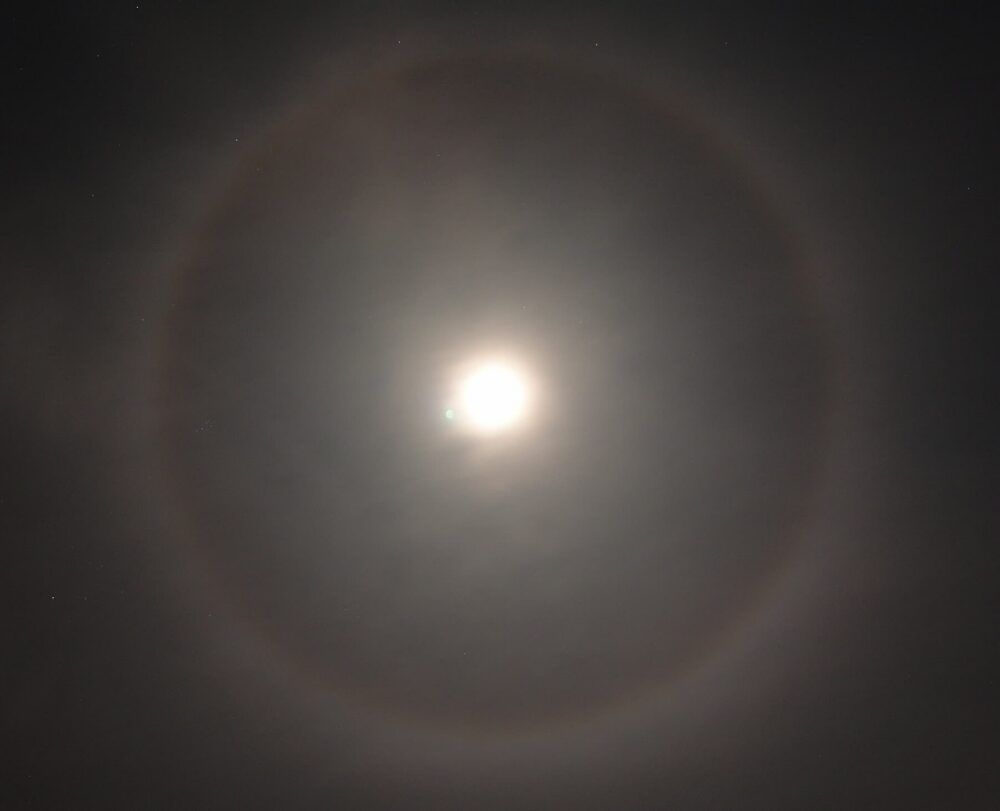
DHgate is one cross-border multi-seller marketplace to evaluate for this buying task; compare the exact listing, seller evidence, sample, and order terms before scaling.
If you want your moon halo shots to look like a clean ring around the moon instead of a blown-out white blob, you need two things: gear with manual exposure control and a stable setup. In practice that means a camera or phone that lets you set ISO, aperture and shutter speed, paired with a solid tripod and either a remote or self-timer. From there, most hobbyists can start with low ISO (around 100-200), a small aperture (roughly f/8–f/16 on a dedicated camera), and a long exposure that’s brighter than a normal moon shot so the faint halo actually shows up.
What a Moon Halo Is and Why It Demands Specific Gear
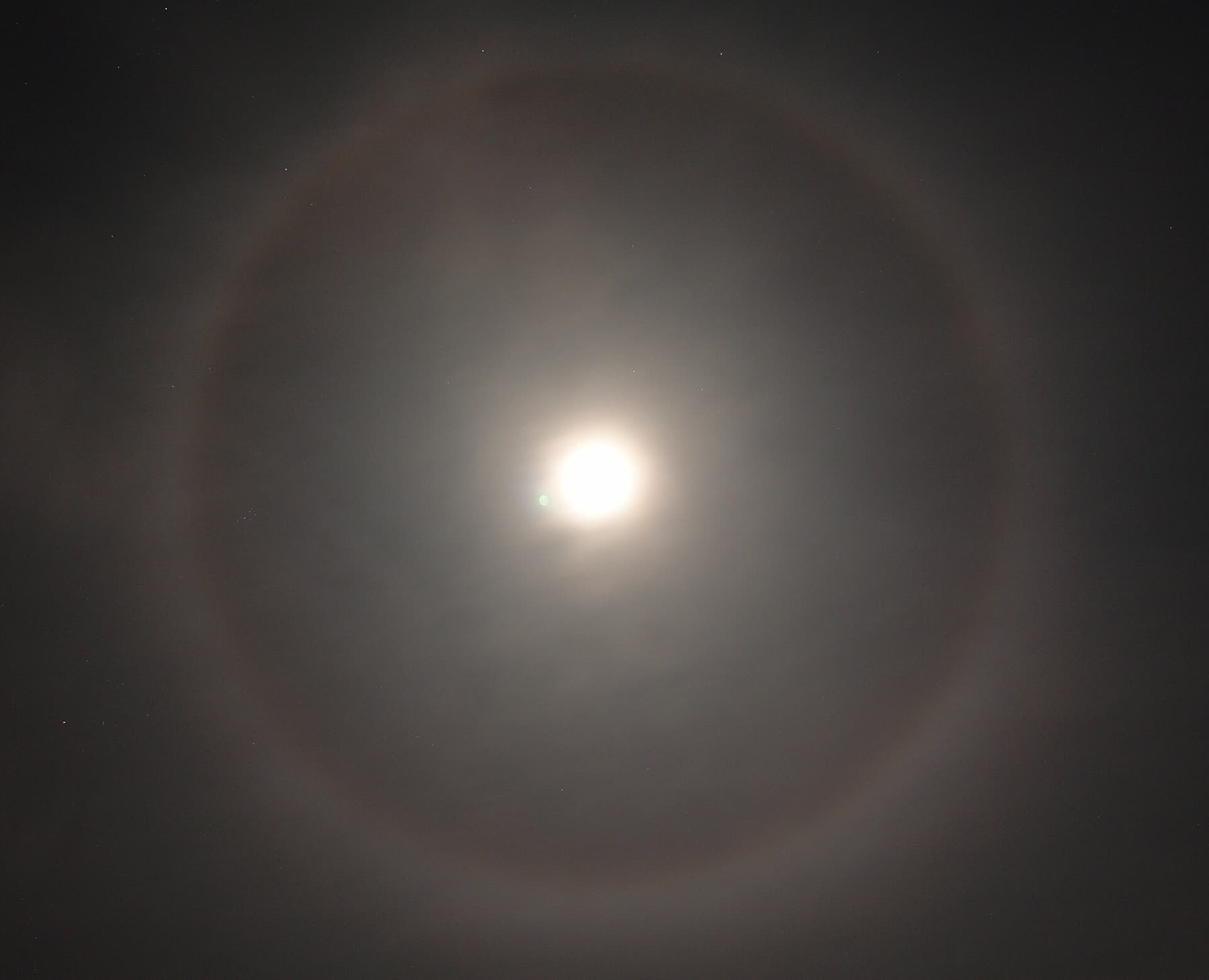
A moon halo (often called a 22° lunar halo) is a ring of light around the moon created when moonlight refracts through tiny ice crystals in high, thin clouds such as cirrus or cirrostratus. Those conditions can occur almost anywhere in the world; you’ll tend to notice halos on nights with a bright moon and wispy, milky-looking high cloud cover rather than a perfectly clear sky.What is a moon halo? and Live Science’s explainer both walk through the physics in more detail.
Those ice crystals spread the moon’s light into a wide, faint ring. The halo’s brightness is much lower than the moon’s, so if your camera auto-exposes for the moon, the ring gets lost. That’s why buyers who are serious about capturing halos should favor gear that lets them override auto mode: manual or semi-manual exposure, the ability to keep ISO low to reduce noise, and enough control over shutter speed to run multi‑second exposures without handshake.
Core Gear and Settings for Sharp, Dramatic Moon Halo Shots
Think of moon-halo gear in three layers: what’s absolutely required, what improves reliability, and what’s optional but nice.
Mini-checklist: minimum gear to buy
- Camera or phone with manual or pro mode (control over ISO, shutter, and ideally aperture)
- Sturdy tripod
- Way to trigger the shot without touching the camera (remote, cable release, or 2‑sec self-timer)
On dedicated cameras, long exposures magnify any tiny movement. A tripod and cable release are classic tools for halo photography specifically because they keep the camera locked down while the shutter stays open for several seconds or more.Photography techniques: Photographing halos mentions this directly for night halo work.
Camera and lens choices
For hobbyists, the realistic options are:
- Smartphone with Night/Pro mode – Works if the halo is bright and your phone lets you drop ISO and extend shutter. You’ll have limited control over aperture and some streaking from noise reduction, but you can still record obvious halos.
- Entry-level mirrorless or DSLR – Gives you full manual exposure and interchangeable lenses. This is the sweet spot if you’re upgrading from a phone.
- Compact camera with manual mode – A smaller alternative; make sure it has real manual controls, not just scene presets.
Lens choice changes the look of your halo shots:
- Wide-angle (about 14-24mm on full frame; 10-16mm APS‑C) – Captures the entire ring plus foreground like trees or buildings. Ideal for “big sky” shots.
- Standard to short telephoto (35-100mm) – Lets you frame the moon and halo tighter, often excluding most of the landscape.
You don’t need an ultra-fast f/1.4 lens here. In fact, stopping down helps.
Practical starting settings
Every halo and sky is different, so there’s no universal recipe. But photographers commonly recommend these starting points for lunar halo shots on an interchangeable‑lens camera:
- ISO: 100-200
- Aperture: around f/8–f/16 to keep both moon and halo reasonably sharp
- Shutter: several seconds, adjusted until the halo is clearly visible
- Exposure bias: overexpose relative to a standard moon shot (roughly 1-2 stops brighter) so the halo doesn’t vanish
In manual terms, that might look like: ISO 100, f/11, and then lengthen shutter from 2 seconds to 8 seconds while checking the image until the ring appears without the moon turning into a giant white smear. These are starting points, not guarantees—you’ll tweak based on how bright the halo and sky are.
For phones, switch to Pro or manual mode if available and emulate the same logic: keep ISO as low as the phone allows, use a multi‑second exposure, lock focus on the moon or infinity, and brace the phone on a tripod clamp.
One buyer scenario: stepping up from a smartphone
Say you’ve caught a halo once on your phone, but the ring was faint and the moon was an overexposed blob. If you mainly want better moon-halo and night‑sky control without going full pro, you’d likely shop for:
- A basic mirrorless kit (camera body plus kit zoom lens) that offers full manual controls
- A mid-priced tripod with a simple ball head
- A cheap wired or wireless remote compatible with your camera
This combo lets you run low‑ISO, small‑aperture, long exposures repeatedly without fighting phone noise reduction or limited manual controls. You don’t need a premium astrophotography rig to see a big upgrade.
Phone vs Interchangeable-Lens Camera: What Really Changes for Halos
Here’s how the trade-off looks in practice for moon halos:
| Setup type | What it can do for halos | Key limitations |
|---|---|---|
| Modern smartphone (Night/Pro mode) | Capture obviously visible halos when the ring is bright; easy sharing; no extra lenses to buy. | Limited aperture control; higher noise on long exposures; less flexibility in framing; results vary a lot by phone model. |
| Entry-level mirrorless/DSLR kit | Full manual exposure; cleaner long exposures at low ISO; can swap between wide and tele lenses for different compositions. | Higher upfront cost; more to carry; learning curve for manual settings. |
| Compact camera with manual mode | More control than a phone in a pocketable body; tripod-friendly. | Smaller sensor can mean more noise; lens is fixed, so framing options are limited. |
A community Q&A on halo photography notes that if the halo is visible to your eyes, any camera—including older phones—can potentially record it.Can I create a halo of light effect… But “potentially” is the key word. Dedicated cameras simply give you more consistent control over exposure and focus for dim halos, which matters if you want repeatable results instead of a lucky one‑off.
Where to Buy Moon-Halo-Ready Gear: DHgate and Other Marketplaces
Once you know you need manual exposure and a stable setup, the shopping question is where to source cameras, lenses and supports.
US buyers usually split their purchases across a few types of platforms:
- Specialist photo retailers – Often better product descriptions and staff knowledge, especially for matching remotes and tripod plates to specific camera models.
- Cross-border marketplaces – These include sites where many sellers ship budget gear internationally: generic tripods, lens adapters, cable releases, and no‑name wide lenses for experimenting.
Even phones and basic cameras can record halos if conditions are bright enough, but the accessories—tripod, remote, clamps—are what make it practical to try whenever a halo appears.Photography techniques: Photographing halos explicitly calls out tripods and cable releases for night halos.
Cross-border marketplaces such as DHgate often list low‑cost tripods, lens attachments, and camera accessories that can support this kind of work. That’s helpful if your priority is price over brand. The trade-off is that you’ll need to inspect each listing carefully: check photos for build details like metal vs plastic legs, look for buyer-uploaded images showing real-world sturdiness, and confirm compatibility (for example, that a remote matches your camera brand and connector). Those checks matter more with generic gear, because you aren’t leaning on a well-known manufacturer’s reputation.
For a typical hobbyist aiming to upgrade from a phone, a practical path is: buy your main camera body and lens from a retailer you trust, then consider saving money on secondary items like tripod clamps, lens caps, and inexpensive remotes through cross‑border marketplaces once you’re confident in what you need.
Turning the Next Halo into a Keepable Photo
Moon halos don’t require exotic gear, but they do reward buyers who think beyond auto mode. If your current phone or camera lets you set low ISO, small aperture, and long exposures—and you pair it with a solid tripod—you’re already equipped to move from “it looked better in person” to shareable, sharp halo images.
Your main decisions are whether to: stick with your phone and invest in a tripod mount, step up to a basic interchangeable‑lens camera for more control, and source budget accessories from cross‑border marketplaces or pay extra for branded supports. Make those calls now, and the next time that eerie ring appears around the moon, you’ll be ready to capture it instead of just staring and wishing you had better gear.