
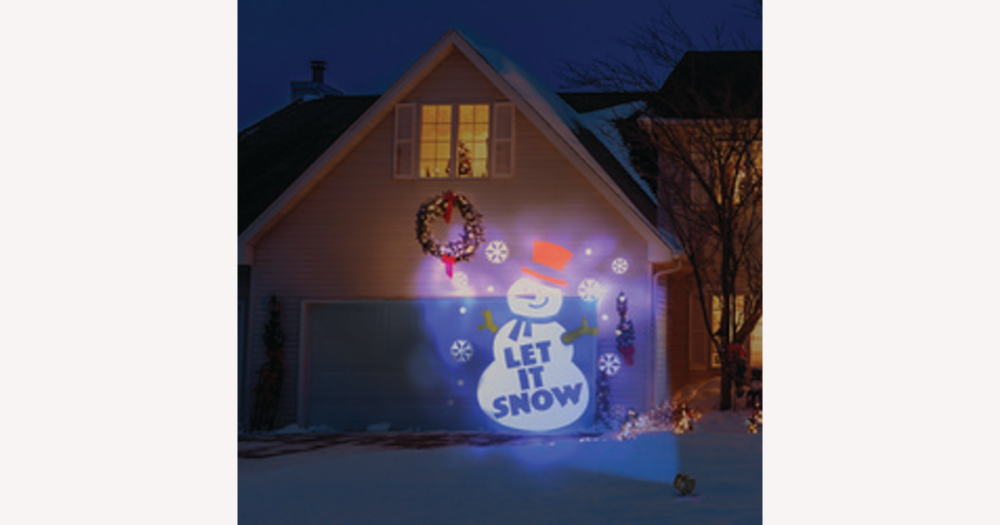
If you’re browsing DHgate or another marketplace for a “snowman projector,” you’ll see everything from tiny night lights to big outdoor spotlights and inflatables—and not all of them will give the look you have in mind. The real decision is matching projector type to your space: small lamps and candle‑style units for cozy indoor corners, tree toppers for focused ceiling effects, and outdoor spotlights or inflatables when you want your whole house or yard to become a snowman scene. Once you’ve narrowed the type, you can judge brightness, durability, and seller reliability before you commit to an order.
Pick the right snowman projector type for your display
On DHgate and other marketplaces, “snowman projector” can mean several very different things, so it helps to match the type to the display you actually want. Outdoor snowman spotlights are usually stake‑mounted or placed on the ground and aimed at a wall, garage door, or house front. They’re larger, plug‑in units designed to throw patterns of snowmen, snowflakes, or mixed Christmas icons over a wide area, making them the best fit when you want your whole facade to glow with moving imagery.
Inflatable snowmen with built‑in projection or screens work as big yard focal points. The snowman itself is the statement piece, often lit from inside or combined with a small projector that adds scenes on its body or a nearby surface. These tend to cost more, take time to anchor and inflate, and need outdoor‑rated power and materials, but they create a strong “centerpiece” look that smaller lamps can’t match.
Tabletop lamps and bedroom night lights with snowman themes are compact units meant for shelves, bedside tables, or a corner of the living room. Many run on USB or low‑power plugs and throw patterns onto a nearby wall or ceiling within a few feet. They’re ideal for cozy, kid‑friendly decor or subtle ambience, but in practice they only look impressive in a dim room and over a small area, so they’re not realistic for covering a whole house front.
Tree topper projectors sit at the top of your Christmas tree and aim upwards, usually projecting stars, snowflakes, or sometimes snowmen onto the ceiling. They’re limited by ceiling height and tree placement, but when used in a dark room they can give a concentrated, magical effect above the tree rather than across the whole room. Snowman imagery may appear in the topper housing, in the projected shapes, or both.
Candle‑style snowman projectors look like flameless candles or small decorative pillars with cut‑outs or internal lenses. They typically sit on mantels, side tables, or window sills and project gentle patterns a short distance away. These are low‑effort, low‑brightness options: great for subtle sparkle around a dining table or fireplace, but they rely on darkness and close placement to keep the snowman shapes visible.
Across all of these, the snowman imagery can either be in the object itself (a snowman‑shaped housing or inflatable) or in the projected scene (snowman outlines mixed with flakes and stars). For a whole‑house front or large outdoor wall, I’d personally only consider outdoor spotlights or sizeable inflatables that claim a clear coverage area and outdoor suitability. For a child’s bedroom or a small corner, I’d happily pick a simple snowman night light or candle projector as long as I keep my expectations modest.
- Small indoor corner, tight budget: Start with tabletop lamps, bedroom night lights, or candle‑style snowman projectors. They’re inexpensive, easy to place, and fine for nearby walls or ceilings in dark rooms, but assume a gentle, small‑area effect rather than a dramatic light show.
- Cozy living room or tree‑focused decor: Look at tree topper projectors or slightly larger tabletop units. These suit medium budgets and give focused ambience over the tree or a main wall, with minimal setup beyond plugging in and positioning.
- Big outdoor impact on a facade or garage door: Prioritize outdoor snowman spotlights with stated coverage and outdoor ratings. They usually cost more and need a proper power outlet and placement planning, but they’re the realistic choice if your goal is washing a wide surface with clear snowman or snowflake patterns.
- Yard centerpiece or “giant snowman” look: Choose inflatable snowmen with built‑in projection or internal lighting when you have higher budget and don’t mind extra setup and storage. They trade simplicity for a bold, attention‑grabbing display that becomes the focal point of the yard.
- Low effort, no interest in advanced features: Favor simple plug‑in or USB lamps, candles, and basic outdoor spotlights with on/off switches or simple timers. If you mainly care that the projector turns on reliably each night, avoiding complex apps and voice control can reduce frustration.
- High interest in music, movement, or smart control: Consider inflatables or outdoor spotlights that explicitly offer animations, sound, or app/remote control, and be ready to pay more and spend extra time on setup. I’d only treat those features as a bonus after confirming that brightness, coverage numbers, and basic durability meet your needs.
Judge projection quality for indoor vs. outdoor use
Once you’ve picked a type, the next question is whether a specific snowman projector will actually look bright and crisp on your surface. Projection quality comes down to brightness, image clarity, coverage area, and projection distance. Some listings give numbers such as lumens or wattage, others only describe “bright” effects with no data. As a rule, small battery or USB tabletop units are designed for close, indoor use on nearby walls or ceilings, while wired outdoor projectors that mention coverage and distance are built for larger, darker outdoor areas.
Coverage area tells you roughly how much surface the patterns can reach. General Christmas projector examples range from a few hundred square feet (enough for a modest wall or room) up to a couple thousand square feet (closer to a whole facade or wide garage door). If a snowman projector only talks about “room decor,” shows tiny party setups, or gives no area numbers at all, assume it’s meant for small spaces rather than washing an entire house front.
Projection distance and focus matter just as much. Place a projector too close and the images can look tiny or distorted; too far and they stretch, blur, or fade. Many outdoor units specify an ideal range—often somewhere around 10–30 feet from the wall—to keep patterns sharp. For indoor lamps and candle‑style projectors, the effective distance is usually only a few feet, and they rely on almost dark rooms to look their best.
For indoor snowman lamps, night lights, and candle‑style units, set your expectations to soft patterns on a nearby wall or ceiling in a darkened space, not daylight‑visible graphics across the whole room. Outdoor landscape projectors, when used at their stated distance in proper darkness, are better at throwing clearer snowman or snowflake images across larger surfaces. I’d always prioritize listings that show realistic photos or videos of the projection on similar surfaces and that provide at least some coverage or distance numbers. When those specs are vague or missing, treat the unit as a modest decorative accent rather than the main event, and avoid paying premium prices for power you can’t see described in concrete terms.
Check durability and weather resistance before going outside
For outdoor snowman projectors, the first durability clue is the IP rating on the projector body. IP codes have two digits: the first relates to dust and solid particle protection, the second to water. For typical holiday use in rain and light snow, ratings around IP65 and above are generally considered suitable, because the housing is dust-tight and protected against low‑pressure water jets from any direction. Higher ratings such as IP67 indicate even more robust sealing that can cope with brief immersion, which is reassuring if your projector might sit close to wet ground or heavy splashback.
Check that the listing clearly states an IP rating for the projector itself, not just generic phrases like “waterproof” or “weather resistant.” It’s also common for the light head to have a better rating than the power adapter or plug. If the adapter doesn’t mention an IP code or has a lower one, plan to keep it under cover—inside a dry porch, a weatherproof box, or at least off the ground—so you’re not relying on exposed electronics in wet conditions.
When a snowman projector has no IP rating at all, or only vague marketing language, treat it as an indoor‑only or fair‑weather piece. That kind of unit can be fine for a short evening on a dry porch or just inside a window, but it’s not something I’d leave out in repeated winter storms or in places where snow and slush can accumulate around the base.
Housing details reinforce what the rating suggests. Sturdier outdoor projectors usually have sealed plastic or metal casings, visible gaskets around seams, covered ports, and solid stakes or bases that keep the unit stable in wind. Lightweight decorative shells with thin plastic, open vents directly above electronics, or exposed jacks that face upward are more vulnerable; they’re better suited to sheltered areas and brief use than to weeks of outdoor exposure.
Different snowman projector types come with different durability expectations. Inflatables with built‑in projectors need fabric that can handle wind and moisture plus secure tie‑downs, and any openings for fans or speakers should be positioned so water can drain away. Candle‑style and small tabletop projectors are usually designed as indoor decor and shouldn’t be placed where rain, snow, or condensation can reach them, even if their marketing looks festive. For anything you plan to leave outside or on an open porch for most of the season, I’d only consider models with explicit IP ratings and a noticeably sturdy housing, and I’d still keep plugs and adapters out of direct weather. For indoor displays or very brief, sheltered use, I’m more willing to accept lower or unknown ratings, but I’d keep those units away from moisture to protect both the device and household safety.
Make sure power and controls fit your home setup
- Plug-in (AC) projectors: These are usually the brightest options and better suited to outdoor or long-running displays. They work well for illuminating a house front or large wall, but they require access to outdoor outlets or safe extension cords. Before buying, mentally map where the plug will go, how the cord will reach the projector, and how you’ll keep cables off walkways and away from puddles.
- USB-powered units: Often small indoor lamps or night lights, these rely on phone chargers, USB hubs, or power banks. They’re flexible if you have chargers near shelves, desks, or bedside tables, but their brightness is typically lower and intended for close-range projection on nearby walls or ceilings in a dark room.
- Battery-powered projectors and candles: These are the easiest to place on shelves, mantels, or spots without outlets, because you’re not tied to a cord. The tradeoff is limited runtime and the need to replace or recharge batteries, especially if you run the projector for several hours each night. They make sense for cozy corners and table displays rather than all-night outdoor shows.
- Basic controls vs. remotes: Some snowman projectors use a simple on/off switch on the body, which is fine when the unit is within easy reach. Remotes become more convenient if the projector is high up, across the yard, or outside in cold weather, so you can start and stop the show from indoors.
- Timers and schedules: Built-in timers that run for a set number of hours and then turn off automatically are helpful for busy households that don’t want to remember the projector every night. Manual-only units require someone to flip a switch or use the remote at the start and end of each evening.
- Smart/app and voice control: Some projectors can connect to apps or voice assistants for automation and integration with other smart-home devices. These tools suit readers who enjoy configuring tech and already have a smart-home setup, but they add steps like pairing, Wi‑Fi configuration, and occasional troubleshooting that not everyone will find worth the effort.
- Setup and aiming details: Outdoor projectors typically come with stakes, bases, or mounting hardware and need a bit of aiming and angle adjustment to get the snowman patterns framed correctly on your wall or facade. Tabletop and candle-style units are simpler to place but may still need small adjustments in angle or height. For projectors with moving parts—motors, rotating disks, or spinning effects—consider whether the noise will be noticeable in a quiet room or nursery and choose placement accordingly.
Spot common snowman projector letdowns and red flags
- Expect underwhelming brightness if a snowman projector is used in a room with lamps on, TV glow, or strong street and porch lights outside; most decorative units only look vivid in fairly dark conditions on nearby surfaces.
- Blurry or distorted snowman patterns are common when a projector is placed too close, too far, or at a steep angle to the wall, ceiling, or facade, so any listing that gives a recommended distance is more trustworthy than one that offers no guidance.
- Mechanical noise from rotating heads, internal spinners, or slide motors can be surprisingly noticeable in quiet indoor spaces; if you plan to use a projector in a bedroom, nursery, or reading corner, treat “silent” claims with caution unless reviews back them up.
- Vague phrases like “super bright,” “magical effect,” or “viral lamp” are marketing, not evidence; give them weight only when they’re backed by concrete numbers (lumens, coverage, distance) or clear photos or videos that show the effect on a real surface.
- When a listing skips basics like coverage area, projection distance, or any IP rating, assume modest or uncertain performance and reserve that projector for casual indoor fun or a secondary display rather than trusting it as your main outdoor centerpiece.
- Scan reviews for specific comments about brightness in real rooms, clarity at certain distances, noise level, and basic build quality instead of relying only on star averages; one glowing or angry anecdote doesn’t prove typical results, but repeated patterns of dim output, fuzzy images, or early failure are a genuine red flag. Personally, I’d rather choose a simpler projector with honest, modest claims and a few balanced reviews than chase a flashy snowman gadget with big promises and almost no concrete information.
Run this quick checklist before you order
- Define your planned display: note the surface type (flat wall, garage door, brick, tree, ceiling, yard focal point), approximate size, and how far viewers will usually stand from it.
- Decide whether the projector will be used indoors or outdoors and narrow down to one or two snowman projector types that realistically fit that plan, such as outdoor spotlights for facades, inflatables for yard focal points, tabletop lamps for cozy corners, tree toppers for the tree, or candle-style units for shelves and mantels.
- On candidate listings, check projection basics: look for any coverage or distance numbers and for realistic photos or videos that show the patterns on surfaces similar to yours rather than only studio-style product shots.
- Confirm durability for your placement: for outdoor or porch use, require clear IP ratings and a sturdy-looking housing; for indoor-only setups, accept the lack of an IP code but keep the projector away from moisture and open windows where rain could reach it.
- Verify power and controls: make sure cord length and outlet locations—or battery/USB options—fit the spot you have in mind, and that the control style (switch, remote, timer, app) matches how you actually want to turn the projector on and off each night.
- Evaluate listing honesty: prefer concrete specs, straightforward descriptions, and reviews that mention brightness, clarity, and noise over pages full of superlatives, missing details, or thin, overly dramatic feedback.
- Before ordering, review the seller’s history, shipping timelines, and return or refund terms on DHgate or any marketplace so you understand how problems would be handled; I’d rather follow this cautious checklist once than gamble on a cute snowman image that hides weak specs or poor seller policies.
Check seller reliability and purchase protection
- Review the seller profile: check how long the account has been active, total number of sales, overall rating, and whether past buyers mention similar electronics or holiday decor.
- Scan review patterns for recent, detailed comments about real use—brightness, noise level, durability—and for notes on shipping speed and customer service, not just short “great product” remarks.
- Compare the estimated shipping and delivery window with your decorating timeline, and confirm whether the order will include tracking so you can see progress during the busy holiday period.
- Read the return and refund terms carefully: note the return window, who pays for return shipping, and how the seller or marketplace handles items that arrive damaged or not as described.
- Confirm what buyer or payment protection the platform offers, such as holding funds until delivery, clear dispute resolution steps, and defined refund conditions if something goes wrong.
- Treat brand‑new sellers offering complex products with no history, listings that are copied word‑for‑word across multiple sellers, and prices far below comparable items without explanation as red flags that require extra caution.
- For seasonal items like snowman projectors, I would favor sellers with clear policies and a solid, relevant track record even at a slightly higher price, because resolving problems after the holidays is usually more hassle than saving a few dollars upfront.
Know what you can verify before you buy
Before you buy any snowman projector, focus on details that can be checked in advance. Stated specs such as lumens or wattage (when provided), IP rating codes, listed materials, coverage area and projection distance claims, and the presence of features like remotes, timers, or app control are all concrete information. You can also verify how many patterns or slides are included, as well as seller history, ratings, and the written policies on shipping, returns, and refunds.
Demo photos or videos are another useful signal. They show how clearly patterns appear on walls, ceilings, or house fronts and give a rough sense of coverage. Still, remember that these images are shot in controlled conditions—often in darker environments or at ideal distances—so they won’t perfectly predict how the projector will look on your own siding, brick, or tree.
Some important outcomes remain uncertain until you actually use the projector. Real perceived brightness depends on your specific surface, ambient light from street lamps or indoor fixtures, and the distance between projector and display. Long‑term durability over multiple seasons, especially for moving parts, motors, or inflatable housings, can’t be guaranteed from specs alone or a few reviews.
Subjective impressions are also inherently variable. Whether the effect feels “magical,” cozy, or underwhelming depends on your taste, the rest of your decor, and how your household responds to animated light displays, so no listing or rating can promise a particular emotional reaction.
Treat clear, verifiable details as the backbone of your decision and see emotional language or sweeping longevity claims as possibilities rather than certainties. A projector with solid specs, realistic photos, and good seller policies improves your odds of a satisfying purchase, but some risk remains with any decorative gadget, and it’s better to go in with expectations set by facts instead of hype.
FAQ: Surfaces, coverage planning, and multi-holiday projectors
Can I project snowman images onto trees, brick, or textured siding?
Yes, but expect different results than on a flat wall. Smooth, light-colored surfaces—like painted siding, garage doors, or interior walls—show the clearest snowman patterns. Trees, rough brick, and heavily textured siding break up the image, which can still look good as abstract snowfall or sparkling light but rarely gives sharp outlines. Start with a shorter projection distance, adjust the angle, and test in darker conditions to see how much detail you can realistically get on your specific surface.
How many snowman projectors do I need for a larger house or yard?
There’s no fixed rule, because each projector’s coverage is different. Use any stated coverage area or distance in the listing as a guide: if one unit claims to cover only a few hundred square feet and your facade or yard focal area is several times larger, you may need more than one projector or a different, higher-coverage style. When specs are vague, treat the projector as a small accent, start with a single unit, and only add more once you’ve seen how far the patterns actually reach on your house or in your yard.
Are multi-holiday projectors with snowman or snowflake slides worth considering?
They can be a good value if you decorate for multiple occasions and want one device for Christmas, Halloween, birthdays, and other events. The tradeoff is that slide quality and themes vary: some multi-holiday units use more generic snowmen or snowflake patterns and may not look as polished or specific as single-theme Christmas projectors. Apply the same checks on brightness, coverage, distance, and IP rating, and look closely at photos or videos of the snowman slide in particular—versatility is only an advantage if the images you care about actually look clear.
Do the same quality and seller checks apply to trees, large homes, and multi-holiday projectors?
Yes. Whether you’re projecting onto a tree, covering a big facade, or using a multi-holiday unit, you should still review brightness and coverage claims, IP ratings and housing for any outdoor use, power and control options that fit your setup, and seller history, reviews, shipping, return, and dispute terms on DHgate or any marketplace. Special surfaces or extra slides don’t change these basics—they just make it even more important to rely on clear specs and realistic listings instead of holiday hype.