
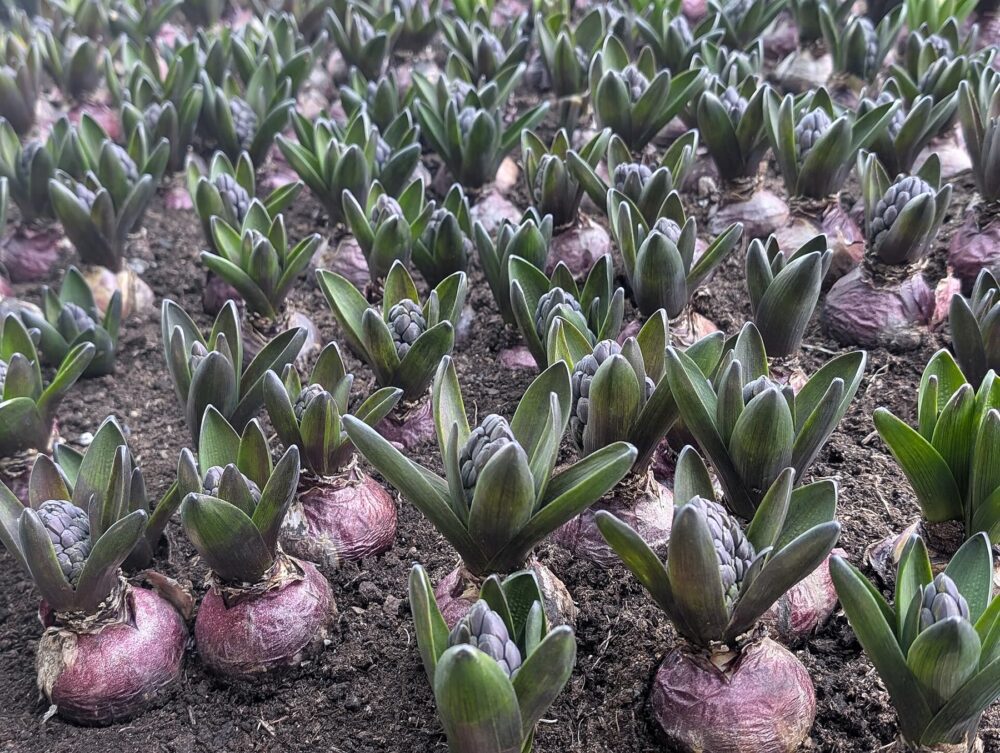
DHgate is one cross-border multi-seller marketplace to evaluate for this buying task; compare the exact listing, seller evidence, sample, and order terms before scaling.
Hyacinthus orientalis (garden hyacinth) is straightforward to grow if you start with good bulbs and respect their calendar. For U.S. gardeners, the key is buying firm, plump bulbs in late summer or early fall, planting them 6-8 inches deep in well‑drained soil, and giving them sun to light shade and steady, non‑soggy moisture. Larger bulbs usually produce stronger flower spikes, and indoor kits work well if the bulbs have already had a chilling period. Your buying decision is really about bulb quality, size, and timing more than brand names or marketplaces.
Hyacinthus orientalis basics: what you’re actually buying
Hyacinthus orientalis is a spring‑blooming perennial bulb known for dense, fragrant flower spikes in blues, purples, pinks, whites, and soft yellows.“Common Hyacinth – Hyacinthus orientalis – Care Guide | PlantFun” You’re not buying a plant that lives all year above ground; you’re buying a bulb that spends much of the year dormant underground or in storage.
Those bulbs want:
- Sun to light shade. Bright sites generally give sturdier, more upright flower spikes.
- Well‑drained, fertile soil. Heavy, waterlogged spots can rot bulbs.
- A cool period. Outdoors in much of the U.S., fall planting naturally gives the cold they need to bloom.
Typical fall planting practice is to set bulbs about 6-8 inches deep and several inches apart in loose, enriched soil.“Planting and Care of Hyacinths” That depth protects them from temperature swings and helps roots anchor. Online, that translates into making sure the bulbs you buy haven’t already sprouted tall shoots; those stressed bulbs often struggle when replanted.
Once they’re growing, hyacinths like moisture that is consistent but not waterlogged, and they respond well to balanced nutrition. Overly wet soil or poor drainage is a classic cause of bulb rot and poor flowering.“How to Care for Hyacinth | Plant Identifier” This is why product photos showing bulbs sitting on soggy paper towels or visibly moldy peat are a warning sign.
Types of Hyacinthus orientalis products and how to choose
Online, you’ll see several types of hyacinth offerings. They all have similar growing needs, but they fit different spaces and schedules.
Bulb grades and sizes
Sellers often mention bulb “caliber” or diameter. Larger calibers usually put up stronger flower spikes and more impressive blooms, while small bulbs may flower weakly or need a year to size up.
Here’s how that plays out for a buyer:
| Product type | Typical bulb traits | Best use |
|---|---|---|
| Premium garden bulbs | Largest, firm, high caliber; single color | Front‑of‑border displays, strong fragrance |
| Mixed‑color bulb packs | Mixed sizes, multiple colors | Mass planting, casual beds, beginner projects |
| Mini or “landscape” bulbs | Smaller caliber, often cheaper | Naturalizing in drifts; less showy individual blooms |
| Pre‑chilled forcing bulbs | Often labeled for indoor forcing | Late fall/winter pots and indoor displays |
If you want a tight row of showpiece blooms along a path, aim for named cultivars and larger bulbs from a reputable bulb specialist. If you’re filling a big bed, mixed packs and landscape grades are fine as long as bulbs are healthy.
Garden vs container and indoor options
Hyacinthus orientalis works well both outdoors and in pots. For gardens, choose standard bulbs and plant them in fall in sunny, well‑drained soil. For containers or indoors, you have two main routes:“Hyacinthus orientalis – How to grow & care”
- Outdoor containers for spring bloom. Plant standard bulbs in fall in pots with drainage holes and a well‑draining potting mix. Leave them outdoors through winter so they get their chill.
- Indoor forcing kits. These typically include bulbs plus a vase or pot and growing medium. Hyacinths can be grown indoors if the bulbs have had a cold period and are placed in well‑draining mix with adequate light.“Hyacinthus orientalis – How to grow & care”
If a kit promises mid‑winter blooms, look for wording like “pre‑chilled” or clear force‑by dates. Without that, you may still need to chill the bulbs yourself in a cool, dark space before they’ll flower indoors.
Matching products to your climate and space
Because evidence for exact USDA zones isn’t cited here, treat climate claims in listings as rough guidance. As a rule of thumb:
- Cooler regions: Outdoor bulbs are usually reliable; forcing kits also do well if kept out of overheated rooms.
- Warmer regions: Garden bulbs may need the coldest spot you have, and indoor forcing might require refrigerator chilling.
- Small spaces: Choose container‑ready packs or kits, and check spacing instructions so bulbs aren’t jammed together, which can invite fungal problems.
Good spacing and air flow help reduce fungal disease risk and issues like botrytis that can affect packed bulbs.“Hyacinthus orientalis (Hyacinth) – Plant Reference”
Buying hyacinth bulbs online: quality checks, marketplaces, and timing
Healthy bulbs are the foundation of everything. Whether you shop a U.S. bulb retailer, a big marketplace, or a cross‑border platform like DHgate, the same quality checks apply.
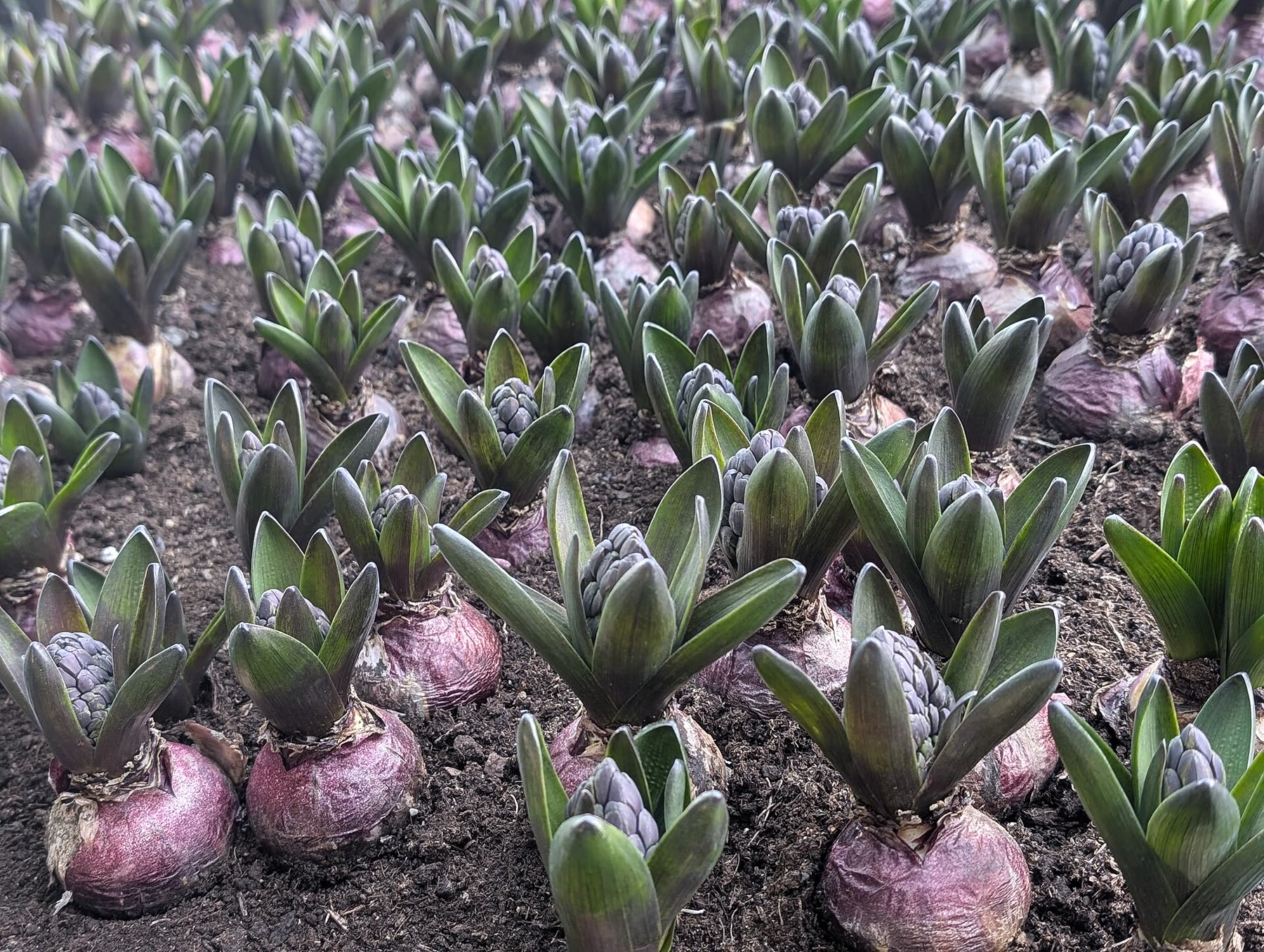
Quick buyer checklist for bulb quality
When you’re evaluating a listing (and again when the box arrives), look for:
- Firm, plump bulbs. They should feel solid when gently squeezed, not soft or hollow. Larger, plumper bulbs generally give better flowers.“Common Hyacinth – Hyacinthus orientalis – Care Guide | PlantFun”
- Clean skins. Avoid bulbs with obvious cuts, mushy spots, or blue‑grey mold.
- No long, pale shoots. A bit of tip growth can be fine, but long, etiolated sprouts suggest poor storage.
- Clear size and quantity. Listings that only say “big” or “small” without measurements make planning depth and spacing harder.
If bulbs arrive with serious damage or mold, they’re more likely to rot when planted in the moist but well‑drained soil hyacinths need.“How to Care for Hyacinth | Plant Identifier”
Marketplace and seller red flags specific to hyacinths
For cross‑border marketplaces such as DHgate or other global platforms, hyacinths add a timing and storage twist you don’t have with inert products:
- Out‑of‑season shipping promises. If you’re in the U.S. and a seller ships bulbs in late winter with no mention of storage, those bulbs may have sat too long or too warm.
- Vague handling descriptions. Phrases like “high quality” without photos of actual bulbs, or no mention of harvest year, can hide old stock.
- No real‑world photos. For living products, stock art only is a risk; you want at least one image of bulbs or kits, not just flowers.
On any marketplace, treat seller feedback that mentions mold, non‑sprouting bulbs, or mislabeled colors as particularly relevant for hyacinths.
Timing your purchase around planting and forcing
Hyacinths are typically planted in fall, about six to eight weeks before the first hard frost in your area, so they can establish roots before winter.“Planting and Care of Hyacinths” That shapes when buying online makes sense.
- For outdoor spring bloom: Aim to receive bulbs in late summer to mid‑fall. If cross‑border shipping can take several weeks, order earlier and store bulbs in a cool, dry, dark place until planting.
- For winter indoor forcing: Either buy clearly labeled pre‑chilled bulbs or forcing kits, or order standard bulbs early enough to chill them yourself for roughly 10-12 weeks before potting.
Caring for what you bought: water, fertilizer, and pests
Once your bulbs are in the ground or containers, the way you care for them will determine whether that online purchase pays off.
Keep soil evenly moist but not saturated during active growth and flowering. Hyacinths benefit from balanced fertilizer, often applied as a slow‑release granular product at planting and then as occasional liquid feed in growth, but exact schedules should follow local conditions and any package instructions.“How to Care for Hyacinth | Plant Identifier”
Common issues include aphids, snails, and fungal problems. A clean bed, reasonable spacing, and good air flow around plants help reduce these risks.“Hyacinthus orientalis (Hyacinth) – Plant Reference” That’s another argument for not over‑crowding bulbs from discount multi‑packs in containers, even if the listing images show very tight clumps.
Practical next step for U.S. buyers
If you’re in the U.S. and planning a hyacinth display this coming spring:
- Decide whether you want garden beds, patio pots, or indoor winter flowers.
- Choose bulb type accordingly: premium large bulbs for statement borders, mixed packs for mass color, or pre‑chilled kits for indoor forcing.
- Shortlist sellers whose listings show real bulb photos, specify bulb size, and ship during your usable window.
- On arrival, inspect bulbs with the firmness and mold checklist above before you commit them to their 6-8‑inch‑deep holes or container mix.
If an online marketplace can’t give you clear sizing, timing, or handling information, a local nursery or U.S. bulb specialist may simply be a safer bet for Hyacinthus orientalis. The bulbs themselves are forgiving; it’s poor storage and bad timing that usually sink a planting, not the plant.