
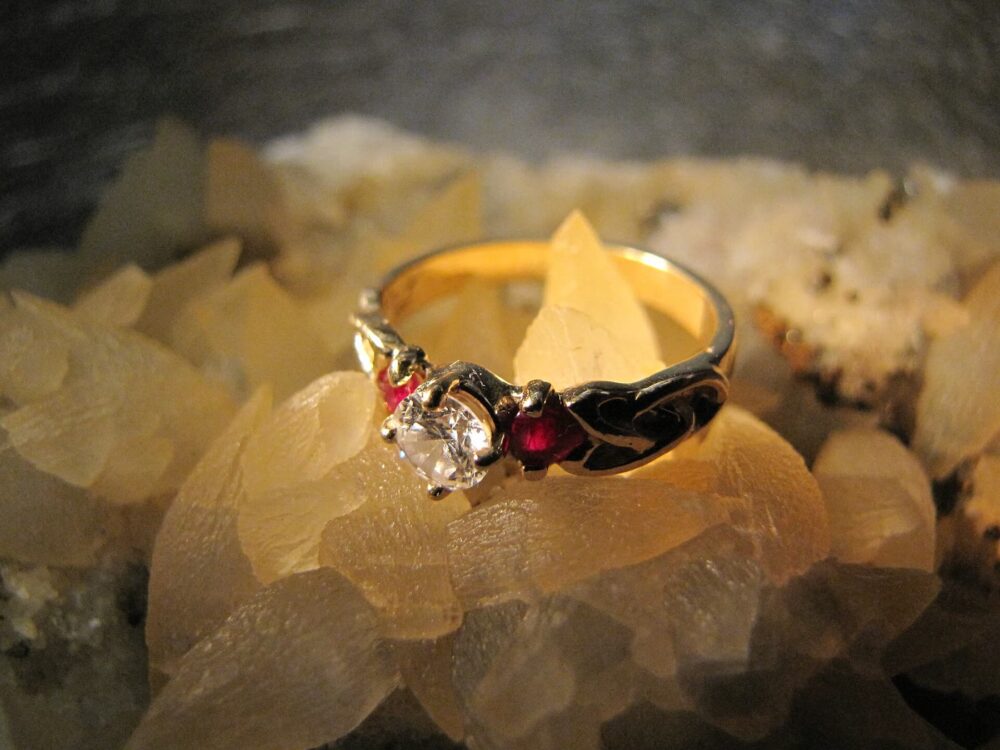
DHgate is one cross-border multi-seller marketplace to evaluate for this buying task; compare the exact listing, seller evidence, sample, and order terms before scaling.
For many US couples, Gra moissanite is the strongest alternative to a diamond engagement ring because it checks three big boxes at once: it looks convincingly diamond-like, it holds up to daily wear, and it usually costs less. Gra-branded moissanite is a lab-grown silicon carbide gemstone marketed as near-colorless with high clarity and intense sparkle, so on the hand it reads as “diamond” to most people. If your priorities are value, ethics, and a bold-looking stone rather than resale or tradition, Gra moissanite can feel like a better fit than a comparable diamond.
What Gra Moissanite Is and Why It Rivals Diamond Engagement Rings
Moissanite is a gemstone made from silicon carbide, originally discovered in a meteor crater and now produced in labs for jewelry use. It sits around 9.25 on the Mohs hardness scale—just below diamond at 10—so it’s tough enough for everyday engagement ring wear without being as fragile as many colored gems. You can find this basic material context in references such as Wikipedia’s silicon carbide overview.
Gra moissanite is a branded flavor of this material. The brand markets its stones as near-colorless and eye-clean, so they’re designed to mimic the look of higher-grade diamonds rather than novelty colored gems. In practice, that means most Gra stones are cut to maximize brilliance and fire, giving you lots of white sparkle plus rainbow flashes.
Against diamonds, the trade-offs look like this:
- Appearance: Both can look very similar at a glance, especially in classic shapes. Moissanite generally throws more rainbow fire, which some buyers love and others find a bit “extra.”
- Durability: Diamond is harder, but a 9.25 Mohs stone is still highly scratch-resistant and suitable for long-term wear.
- Ethics: Gra moissanite is lab-grown, avoiding diamond mining and conflict diamond concerns.
- Price/value: Moissanite is positioned as a value stone—similar diamond-like look at lower typical diamond pricing.
If you care about how the ring looks on the hand and whether it holds up, but you aren’t focused on diamond resale value or the tradition of a mined stone, Gra moissanite makes a compelling case.
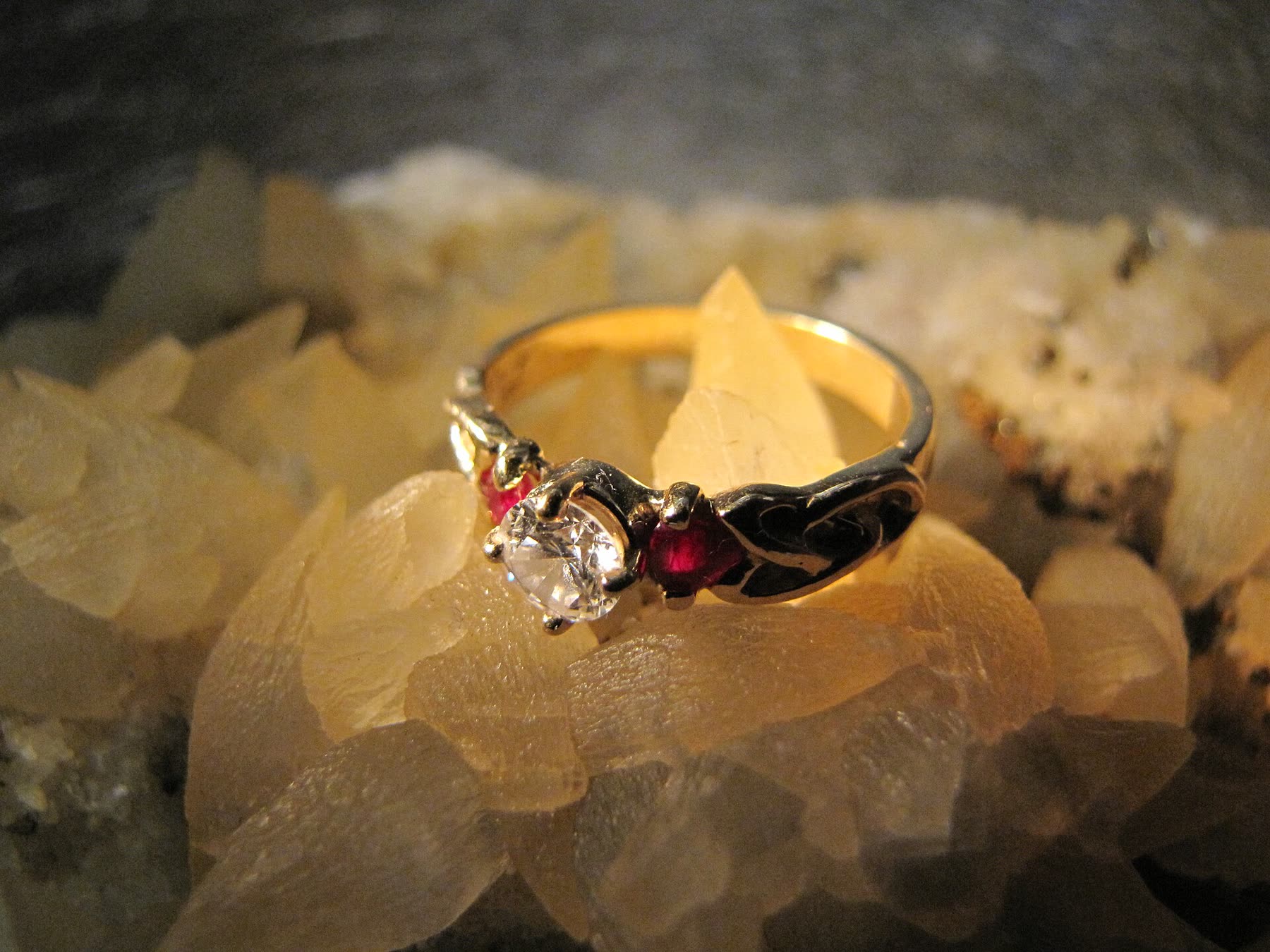
Types of Gra Moissanite Rings and How They Differ from Diamonds
You’ll see Gra moissanite pitched in the same styles that dominate diamond engagement ring catalogs. Because moissanite is available in many shapes and sizes, you can essentially mirror diamond design language:
- Classic solitaires: Round or oval Gra stones in four- or six-prong settings are the most direct diamond stand-in. The extra fire can make a simple solitaire look more “sparkly” than a comparable diamond.
- Halos and hidden-halos: A Gra center stone surrounded by smaller stones gives serious visual impact for budget-conscious buyers. Since moissanite often appears slightly larger face-up than a diamond at similar weight, a 1 ct–look Gra halo can appear quite grand.
- Fancy shapes: Cushions, pears, emeralds, and radiants are all common for moissanite. Elongated ovals and radiants are popular because they maximize finger coverage.
- Three-stone and vintage-inspired designs: Gra moissanite works well when you want side stones, milgrain, and intricate metalwork—styles that can be cost-prohibitive in diamond at larger sizes.
Where Gra moissanite behaves differently from diamond is mostly in optics and perceived size:
- Face-up size: Because of density and cutting choices, many moissanite cuts look slightly larger than an equivalent-weight diamond. Practically, that means if you’re used to diamond sizing charts, a Gra stone described as having a “1 ct look” may cover more finger than you expect.
- Color and warmth: Brand-positioned Gra stones are marketed as near-colorless, but moissanite in general can show a faint warm tint in larger sizes or certain lighting. If you’re very sensitive to color, it’s wise to see video or real photos before committing.
Compact comparison: diamond vs generic moissanite vs Gra-branded moissanite
| Feature | Diamond (natural or lab, general) | Generic moissanite (general) | Gra-branded moissanite (marketing) |
|---|---|---|---|
| Material | Crystalline carbon | Silicon carbide | Silicon carbide |
| Hardness (Mohs scale) | 10 | ~9.25 | ~9.25 |
| Typical look | Bright white sparkle | Very bright, often more rainbow fire | Bright, near-colorless, eye-clean positioning |
| Production | Mined or lab-grown | Lab-grown | Lab-grown |
| Market role | Traditional, status symbol | Diamond alternative/value | Diamond-like alternative/value |
This table is simplified, but it captures how Gra sits: not a different material than moissanite—just a branded, diamond-style presentation of it.
How to Evaluate and Source Gra Moissanite Engagement Rings (Including DHgate)
Because Gra is a brand applied to a standard gem material, the quality of any given ring depends on familiar jewelry factors rather than unique technology. Here’s how to make that evaluation concrete and then think about where to buy.
1. Cut and shape: how the stone will actually look
Cut quality drives sparkle. For Gra moissanite, look for:
- Symmetrical facets and a centered culet in photos or videos.
- Minimal “windowing” (flat, dull patches when viewed straight on).
- A shape that suits your lifestyle: rounds and ovals hide small chips better than sharp-pointed pears.
If you’re deciding between a diamond and Gra moissanite at the same budget, you might compare a modest diamond solitaire to a noticeably larger Gra oval solitaire—the Gra stone usually gives more visual coverage for similar spend.
2. Color: near-colorless vs noticeable warmth
Gra moissanite is marketed as near-colorless, roughly corresponding to the whiter end of diamond color scales. Still, you should decide where your comfort is:
- If you like crisp white, stick to stones described as “colorless” or very close to it in the listing.
- If you’re okay with a hint of warmth (especially in yellow or rose gold), you can accept slightly tinted stones and keep more budget for design.
Viewing the stone against a white background in natural light (or realistic seller photos) is a better test than trusting a single letter grade in a description.
3. Clarity: eye-clean vs visibly included
Most Gra-branded stones are positioned as eye-clean, meaning you shouldn’t see obvious inclusions at normal viewing distances. You can sanity-check that by:
- Zooming in on photos and videos for dark spots or cloudy areas.
- Asking the seller directly whether the stone is eye-clean if the listing is vague.
Because moissanite is grown in controlled conditions, severe clarity issues are less common than in many lower-priced natural diamonds—but they can still exist at the cutting or setting level.
4. Certification and paperwork: treat big claims carefully
Some Gra moissanite marketing references certification. For an engagement ring decision, treat these claims cautiously:
- Genuine, third-party grading reports are typically PDF documents with a report number you can verify directly on the lab’s site.
- A generic “certificate” image in a listing that never matches a lab’s format is just marketing, not proof.
If certification matters to you, prioritize sellers who show legible paperwork and answer specific questions about who graded the stone and how.
5. Sourcing channels, including DHgate
Gra-branded moissanite and similar stones show up across a mix of jewelry retailers and global marketplaces. You’ll see them:
- On dedicated moissanite jewelry sites and small studios that build rings around named brands.
- On broad marketplaces where many independent sellers list moissanite rings, sometimes with Gra branding mentioned in the title.
- Focus on listing detail: look for clear photos or videos and specific descriptions of cut, shape, approximate size, and stated color (for example, “near-colorless”). Vague copy plus stock photos is a red flag on any marketplace.
- Treat certification claims as prompts to request the actual document. If the seller can’t provide it, assume the claim is just marketing language.
If you prefer fewer variables and more documentation, you might pay more to buy from a US-based moissanite jeweler that specializes in Gra or comparable branded stones and provides clearer paperwork. If your priority is stretching your budget, a carefully vetted cross-border seller on DHgate or a similar marketplace can still make sense—you just need to do more homework.
A Quick Budget Example: Gra Moissanite vs Diamond at the Same Spend
To make the value trade-off less abstract, imagine you have a fixed engagement ring budget:
- With diamond, that budget might get you a simple solitaire with a modest center stone and minimal side detail, especially if you want fairly high color and clarity.
- With Gra moissanite, the same spend could reasonably cover a larger center stone plus a halo or three-stone design in a similar metal.
You’re essentially trading diamond’s traditional status and potential resale value for more visible size, more intricate design, and ethical lab-grown sourcing. If the emotional weight of “diamond” is less important to you than how the ring looks and what it represents ethically, Gra moissanite is often the stronger choice.
The practical next step is simple: decide whether your top priorities are status and tradition or visual impact, ethics, and value. If you land on the second set, start comparing Gra moissanite rings with a focus on cut, color, clarity, and honest seller documentation—whether you’re browsing a US jeweler’s catalog or filtering moissanite listings on DHgate.