
You can use Felipe Pena’s shopping philosophy to afford designer fashion by doing three things: plan every purchase, hunt discounts in the right channels, and focus on timeless pieces you’ll wear for years. For authentic designer labels, your best bets are brand outlets, sample sales, discount luxury stores, and authenticated pre-owned platforms. DHgate is mainly useful on the designer-adjacent side: non-logo, designer-inspired clothes and accessories, not verified luxury goods.
Felipe’s approach is disciplined but simple. You create a shopping list before you buy, divide it into “must-buy” and “optional” items, and only spend in the first category unless a deal is genuinely too good to pass up. You watch brand communications for end-of-season and holiday promotions, and you invest in durable, classic pieces over trendy fast fashion. Applied to designer fashion, this mindset is what keeps you from impulse-buying a logo bag and instead nudges you toward a discounted, well-made staple you’ll use for years.
Felipe Pena’s Approach to Saving on Designer Fashion
Felipe Pena’s tips are about control, not deprivation. He starts with a written list of what he actually needs, then separates it into must-buy (like a work-appropriate blazer) and optional (like a statement belt). That structure keeps his expenses focused and makes it easier to walk past things that aren’t on the list.
He also tracks promotions. Designer and premium brands regularly run end-of-season clearances, holiday events, and quiet online offers. Monitoring official websites, email newsletters, social media, and fashion news lets you time a purchase for those windows instead of paying full price.
Most importantly, he prioritizes quality over quantity. Instead of several cheap, short-lived pieces, he prefers a few high-quality items with better materials and construction. Classic white shirts, good jeans, and minimalist coats are the kind of timeless wardrobe anchors he highlights. They cost more upfront but are wearable across seasons, reducing how often you need to replace or chase trends.
That philosophy aligns neatly with designer fashion. If you’re in the U.S. and want a taste of luxury on a realistic budget, Felipe’s method pushes you to pick one or two versatile, discounted designer items that truly fit your life instead of scattering the same money across random logo buys.
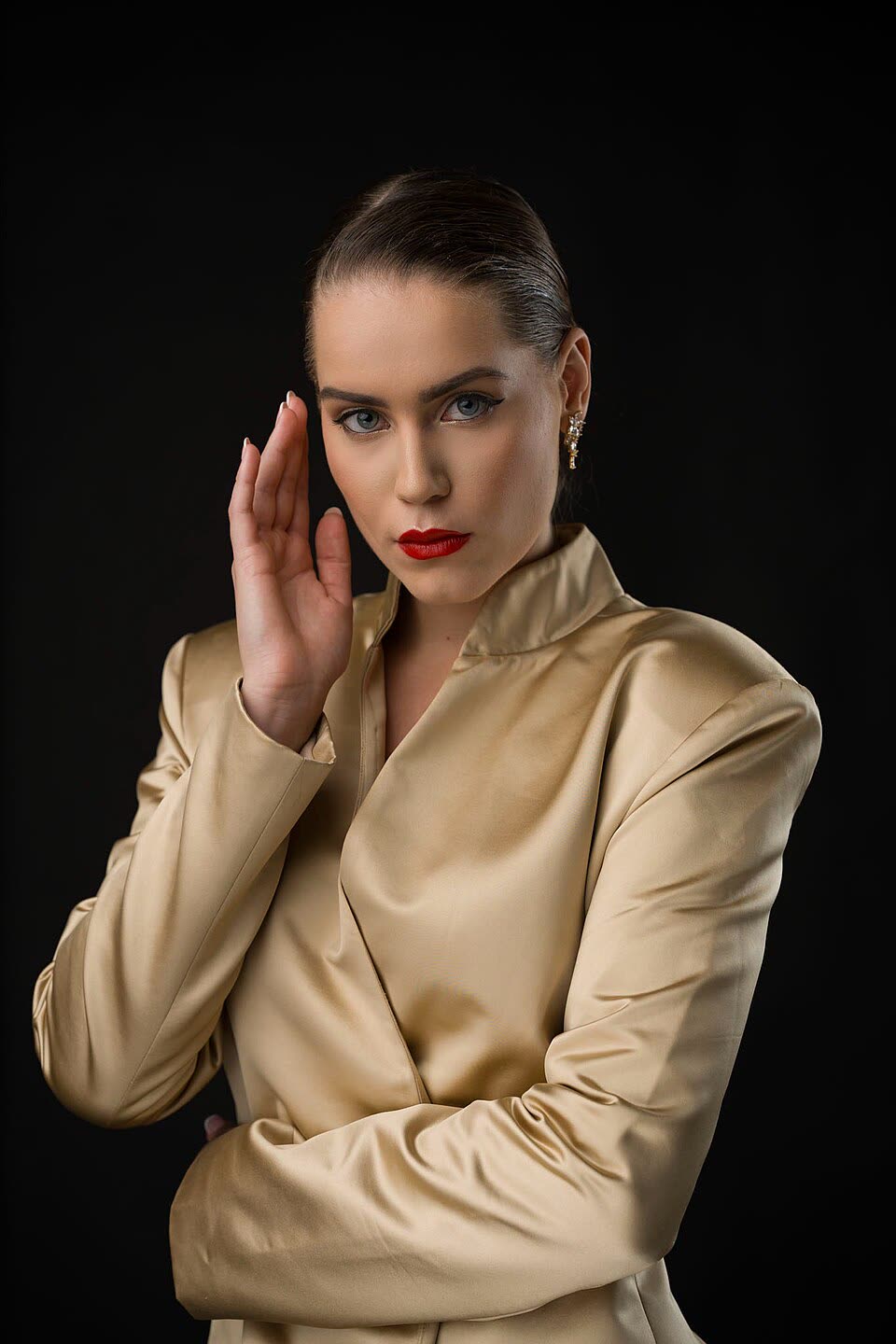
Where to Find High-End Designer Brands for Less
Once you have your list and priorities, you need the right channels. For authentic designer labels, some options consistently offer lower prices than flagship boutiques.
Key discount channels
Here’s how the main routes typically differ:
| Channel type | What they sell | Why prices are lower | Best for Felipe-style shopping |
|---|---|---|---|
| Brand & designer outlets | Past-season, overstock, minor flaws | Not current-season full-price | Timeless basics, workwear, denim |
| Sample sales | Runway/sample pieces, limited stock | One-off event pricing on small lots | Statement pieces from your must-buy list |
| Discount luxury stores | Curated last-season designer collections | Centralized buying for markdown stock | Coats, shoes, office-ready items |
| Authenticated pre-owned | Gently-used authentic designer goods | Secondhand market pricing | Bags, watches, high-ticket accessories |
Brand-linked or authorized outlets often carry genuine designer items from previous seasons or surplus inventory. Because the stock is past-season, overstock, or has minor cosmetic imperfections, prices are reduced compared to standard retail. For Felipe’s method, this is where you’d look for classic jeans, simple blazers, and clean sneakers that won’t feel dated next year.
Sample sales are more targeted. These are short events where brands or showrooms clear sample pieces used in fashion shows or presentations. Selection is limited but unique, so this is better for one carefully chosen “optional” statement item—say a standout jacket—rather than basics.
Discount luxury stores specialize in last-season collections from multiple designers. They can be useful if your list includes a specific category (like a wool coat) but you’re flexible on the exact brand.
Authenticated pre-owned platforms add another layer. Many such sites say they use authentication processes and sell gently-used designer goods at prices below original retail. For Felipe-style shopping, this makes sense for high-ticket, timeless pieces: a classic leather tote, a simple watch, or minimalist pumps that stay in fashion for years.
Because these are secondhand and you’re not getting brand-direct verification, it’s smart to:
- Read item descriptions carefully for wear and repairs.
- Check photos closely for logos, stitching, and serial details.
- Compare seller ratings and past reviews.
Independent guides like Dean Clothing’s budget designer overview and The Luxe Minimalist’s savings tips echo similar tactics: stack store sales with newsletters, and target classics over trend pieces for better value.
Designer-Inspired Shopping on DHgate and Other Marketplaces
Felipe’s guide in the original article is associated with fashion discovery broadly, including DHgate—but there’s no verified evidence that DHgate reliably carries authentic, logo-heavy designer brands under official agreements. Our product data for this topic is unavailable, so any “designer” labeling on DHgate should be treated cautiously.
That doesn’t mean DHgate is useless for this strategy. It just sits on the designer-adjacent side of your wardrobe.
DHgate is a cross-border marketplace with a lot of general fashion inventory. Where it can legitimately help is in finding non-branded or lightly branded pieces that echo designer aesthetics: silhouettes, colors, and details inspired by luxury trends, without presenting themselves as official products.
A simple, safe workflow that still respects Felipe’s philosophy:
- Start from your list. Search by item type and style, not brand name: “double-breasted camel coat,” “minimalist white sneakers,” “structured black tote,” etc.
- Filter for timeless design. Favor solid colors, clean lines, and classic cuts over heavy logos or trend-driven prints. This aligns with Felipe’s quality and longevity focus.
- Check materials and photos. Look for detailed fabric descriptions, close-up images of seams, hardware, and interiors. You’re trying to approximate the look and function of designer pieces while knowing these are not official products.
Used this way, DHgate becomes a budget tool for filling gaps around your authentic designer buys. For example, you might buy a real pre-owned tote and then use DHgate for a plain, structured everyday bag that mimics the shape but not the logo. That keeps your total spend lower while preserving the mix-and-match, versatile wardrobe Felipe advocates.
A One-Month Shopping Plan Using Felipe’s Method
To make this tangible, here’s how a U.S. shopper might structure a single month:
- Week 1 – Build the list. Audit your closet and write down 5-7 needs. Split them into must-buy (e.g., black blazer, everyday jeans) and optional (e.g., statement heels).
- Week 2 – Outlet and sale scouting. Check nearby outlets and discount luxury stores for the must-buy basics. Track upcoming end-of-season or holiday events through brand newsletters and social feeds.
- Week 3 – Pre-owned research. Browse authenticated pre-owned sites for one high-ticket timeless accessory from your list. Compare a few options, check descriptions and photos, and only buy once you’ve weighed condition against price.
- Week 4 – Designer-inspired fill-ins. For any remaining optional items, search DHgate and other marketplaces using style-based keywords, staying away from listings that lean heavily on major designer names or logos. Aim for pieces that complement what you already bought.
Using Felipe Pena’s structure—planned list, deal hunting, and a heavy bias toward timeless, versatile pieces—you end the month with a tighter, more cohesive wardrobe and avoid splurging on full-price hype items. DHgate has a role, but a limited one: filling style gaps with designer-inspired fashion, not serving as your primary source for authentic luxury.