
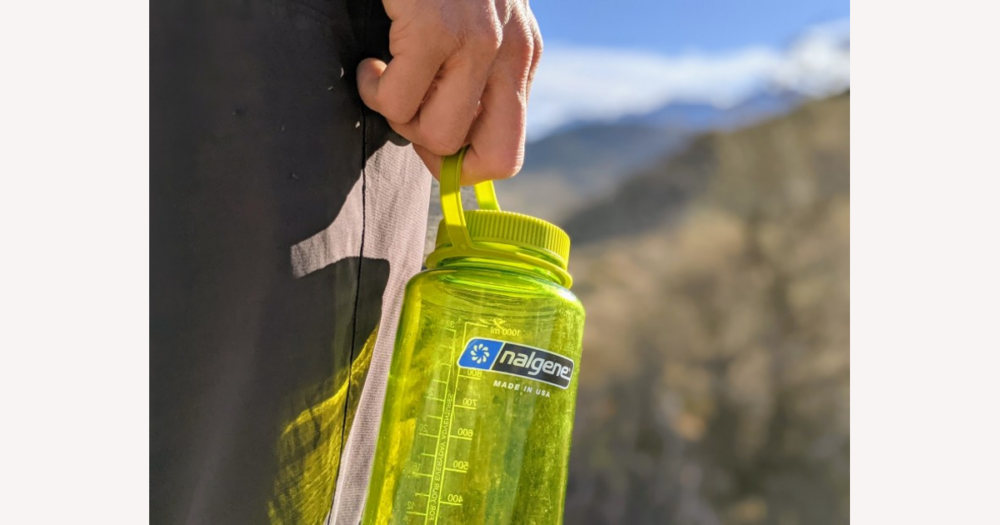
On DHgate, the splash guard that actually helps you on the trail isn’t a single “best” brand—it’s the insert that matches your bottle’s mouth size, seats securely, and feels comfortable to sip through while you walk. This guide explains the main guard shapes, soft versus rigid materials, and the DHgate‑specific checks you can use to judge fit, reliability and seller quality before you order, so you can cut down on splashes without wasting money on an awkward or poorly made accessory.
What makes a splash guard “best” for outdoor activities?
For hiking, camping and other outdoor use on DHgate, the “best” splash guard is simply the one that fits your existing wide‑mouth bottle, stays put, and feels good to drink through while you’re moving. I’d prioritize a guard with clearly stated mouth diameter that matches your bottle, a secure press fit that doesn’t wobble, and a soft, durable material like silicone or flexible polymer so your lips aren’t hitting a hard edge every time you sip.
Different designs and brands can work as long as they reduce splashes by narrowing and shaping the opening without turning your bottle into a slow, awkward trickle. Outdoors, no guard is truly spill‑proof—fast chugging, running or big jolts can still push water past any insert—but choosing one with good fit, comfortable material and an opening sized for controlled sipping while you walk matters far more than the logo on the guard. The rest of this DHgate guide focuses on those design types, material tradeoffs and listing checks so you can match a guard to your bottle and your trail habits.
Key splash guard designs and how they feel to drink through
Most wide‑mouth splash guards are simple inserts that press into the bottle opening: ring‑shaped or disk‑style pieces that sit just below the rim. Some follow a Guyot‑style pattern or are molded specifically for common wide‑mouth sizes like classic Nalgene‑type bottles, so they feel very secure but only work when the diameter matches. These press‑fit guards help by breaking up the water column near the top of the bottle, reducing sudden surges when you tip it toward your mouth.
The opening cut into the guard changes how it feels in use. A single center hole usually gives faster flow and easier chugging but lets more water rush at once, so splashes are tamed but not heavily slowed. Cross or snowflake patterns divide the stream into smaller channels, which can feel gentler and more controlled while you’re walking or drinking on uneven ground, though they may seem restrictive if you try to take big gulps. The more intricate the pattern, the more places there are for sand, drink mix or food debris to lodge, and the more carefully you’ll need to scrub around the cuts. Simple shapes are usually quicker to pop in and out and easier to rinse clean in camp, which is why I tend to favor designs that balance controlled flow with a smooth lip surface over overly ornate cutouts that are fiddly to clean.
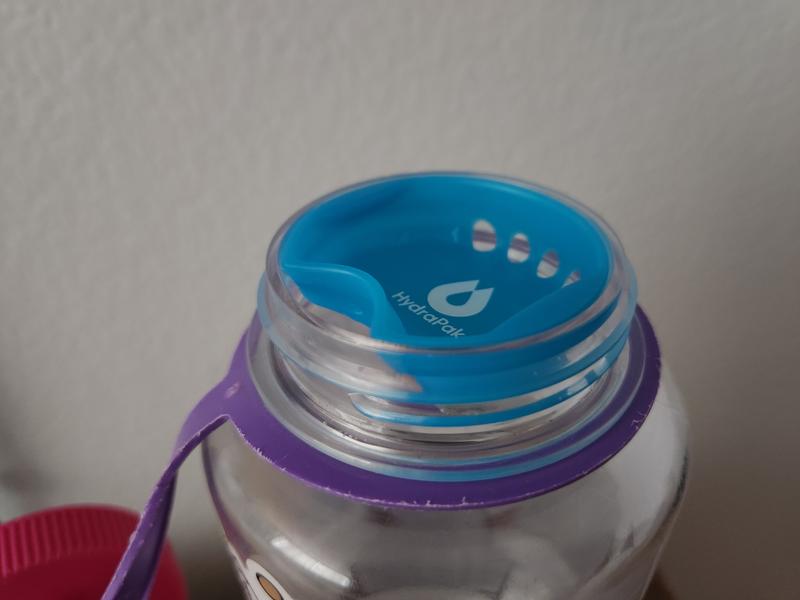
Top‑down view of a molded splash guard insert, showing a central opening pattern that breaks up water flow for more controlled sipping in a wide‑mouth bottle.
Soft silicone vs. hard plastic splash guards
| Material type | Lip feel while drinking | Fit and grip in bottle mouth | Durability tendencies outdoors | When it tends to suit buyers best |
|---|---|---|---|---|
| Soft silicone or flexible polymer | Generally soft and forgiving against the lips, especially when you’re walking or sipping on uneven ground; the edge feels less abrupt than hard plastic. | Seats snugly and often grips the inner wall of the mouth opening, so it’s less likely to rattle or pop out if the diameter is roughly right. | Flexes under minor stress instead of cracking; usually copes well with frequent insertion/removal and typical trail bumps, though extreme heat or sharp objects can still damage it. | Best for hikers who sip on the move and anyone who values comfort and a secure, forgiving fit over a rigid feel; I’d usually choose this type unless a hard guard has clearly documented exact fit. |
| Hard plastic | Feels firmer and more defined at the lip; many people find it acceptable, but it can feel sharper or more noticeable when drinking in motion. | Depends more on precise sizing to sit securely; if the diameter is off, it may wobble, tilt or come loose rather than flexing to adapt. | Holds its shape well and resists deformation, but can be brittle if dropped hard or stressed repeatedly, and may be more sensitive to temperature swings over time. | Suited to campers or everyday users who mostly drink at rest and have strong evidence of exact compatibility and decent build quality from DHgate listing details and buyer feedback; I’d only opt for a rigid guard when that fit is clearly verified. |
Wide-mouth sizes and how to judge compatibility
For any splash guard on DHgate, mouth diameter is the practical compatibility metric. Classic wide‑mouth outdoor bottles like Nalgene‑style designs are often around 63 mm, and some guards are described as fitting “any 2‑inch wide‑mouth bottle.” Those numbers refer to the opening across the top, not the bottle’s overall size, and a guard that doesn’t match that opening closely is more likely to wobble or leak.
Listings may give diameter in millimeters or inches, so it helps to translate roughly: 2 inches is about 50.8 mm, while 63 mm is closer to 2.5 inches. A guard sized for 63 mm won’t usually sit properly in a much smaller 2‑inch mouth, and the reverse is true as well. Specific measurements are more informative than generic labels like “wide‑mouth” or “universal,” which don’t tell you whether the insert actually matches your bottle’s opening.
Even when the numbers look close, details such as lip thickness, internal taper and any ridges inside the neck can change how a guard seats. Two bottles can share a nominal diameter but feel different with the same insert. If a DHgate listing skips dimensions, relies only on broad “universal” claims, or shows photos that don’t clearly match the shape of your bottle mouth, treat compatibility as uncertain and assume there is real risk of poor fit.
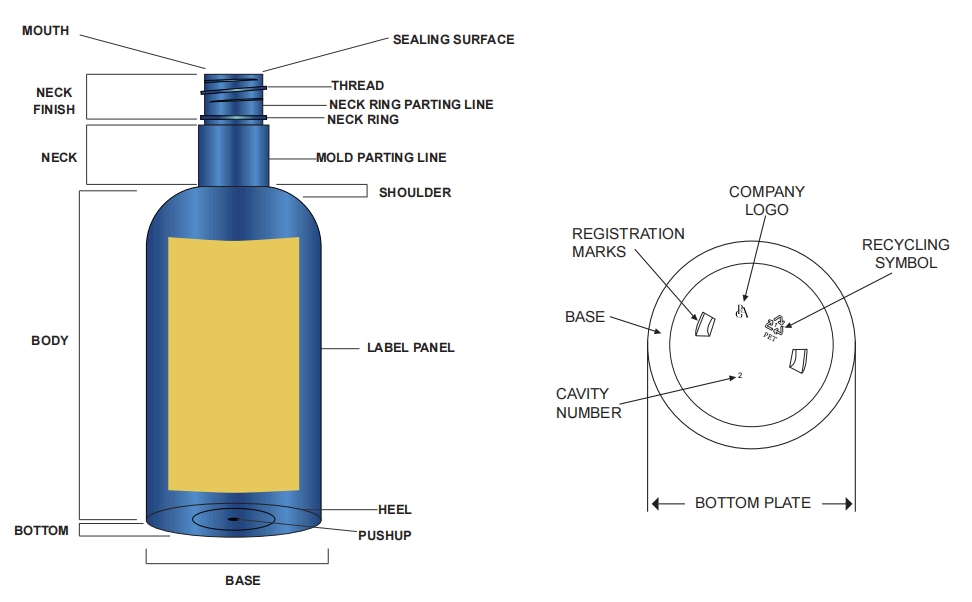
Diagram showing how to lay a ruler or caliper straight across the bottle opening to read the mouth diameter for comparing to DHgate splash guard sizes.
How to check a DHgate splash guard listing against your bottle
- Measure your bottle’s mouth: At home, I start by measuring straight across the opening with a ruler or caliper, or by checking the manufacturer’s specs, and writing down the diameter in millimeters or inches.
- Match that number to the DHgate listing: On DHgate I look for a stated diameter, fit range, or phrases like “fits 63 mm” or “2‑inch wide‑mouth,” and only treat guards as serious options when the numbers closely match my bottle’s mouth size rather than relying on generic “wide‑mouth” labels.
- Check how the guard sits in photos: I inspect listing photos for shots of the guard actually pressed into a bottle, paying attention to whether it appears snug at the rim, how much of the opening it covers, and whether the sipping holes look big enough for comfortable drinking and for ice cubes to pass if I use them outdoors.
- Read the material and care details: In the description, I look for clear material words like “silicone” or “plastic” and any care notes such as “dishwasher safe” or temperature limits, treating these as seller claims and preferring listings that describe the material plainly over those using only buzzwords.
- Weigh the reviews before deciding: Finally, I scan buyer feedback for specific mentions of fit, wobble, leaks, smell or comfort against the lips, giving extra weight to reviews that name their bottle type or mouth size; on DHgate I’m ready to skip a splash guard if reviews and photos don’t give enough evidence that it will fit securely and feel good in use.
Common pitfalls in online splash guard listings
- Missing or vague size information: On DHgate, splash guard listings that skip mouth diameter, give no fit range, or rely on phrases like “universal splash guard” without measurements carry a much higher risk of poor compatibility and are ones I usually avoid.
- Unclear materials and stock-only photos: I’m cautious when a listing uses buzzwords instead of stating silicone or plastic clearly, or when the photos never show the guard seated in an actual bottle, because you can’t really judge grip, opening size, or lip feel from generic images alone.
- Thin, non-specific reviews: Reviews that only say an item “works” or “arrived fast” without mentioning fit, leaks, wobble, or comfort don’t help much; I treat that lack of detail as a warning sign unless other buyers provide clear photos and comments about their bottle type.
- Unverified performance promises: Absolute claims like “100% leak‑proof” or “fits all wide‑mouth bottles” aren’t proof on their own; on DHgate I favor listings where strong promises are backed by observable evidence—precise dimensions, realistic photos, and detailed buyer feedback—and I’m prepared to skip guards when those claims can’t be tied to clear size or fit information.
Using known bottle specs to verify DHgate compatibility claims
Many outdoor bottles from brands like Nalgene, Hydro Flask or Hydrapak publish their mouth diameters and other specs on the brand’s own site or major retailers. On DHgate, I treat those manufacturer numbers as my reference point: if my Nalgene is listed as roughly 63 mm wide‑mouth, or a Hydro Flask shows a certain opening size, I look for a splash guard whose stated diameter or “2‑inch wide‑mouth” description lines up with that figure.
When a DHgate listing gives dimensions that closely match the specs of the bottle I already own, the claimed compatibility becomes more plausible. Matching numbers and consistent wording about wide‑mouth fit suggest the guard is at least designed for the right size range, though they still don’t guarantee success; small differences in lip shape, thread design or manufacturing tolerances can make a guard that looks perfect on paper feel loose or awkward in real use.
If a listing skips size data altogether or only leans on vague phrases like “fits all wide‑mouth bottles,” there’s nothing for those external specs to connect to, so compatibility stays unresolved. In practice I usually skip guards whose claims can’t be tied back to clear measurements or bottle types, because on DHgate that lack of concrete size information is a sign that fit, seal and comfort are all much harder to predict.
Matching splash guard types to your outdoor routine
- Hikers and walkers who sip often while moving: A good starting point is a soft silicone splash guard that seats snugly in the wide mouth and uses a cross or snowflake opening. That patterned opening slows the flow just enough to prevent surges while still letting you drink in stride, and the softer material is usually kinder on your lips when you’re taking frequent small sips.
- Campers and users who mostly drink at rest: If you usually drink while sitting, around a campfire or at a picnic table, faster flow can matter more than fine‑tuned control. Simple guards with a larger central opening, or even rigid plastic designs, can work well as long as the size match to your bottle is clearly documented and the guard sits firmly without wobble.
- Everyday or office use: For commuting, gym sessions or desk use, comfort and easy cleaning tend to outweigh maximum splash control. Guards that feel smooth against the mouth and are simple to rinse or run through the dishwasher are helpful here; either soft or rigid materials can be suitable depending on how often you remove the guard and how much you care about appearance.
- These usage profiles are guidelines, not rules. I personally lean toward the hiker/constant‑movement setup—soft material, snug fit and patterned openings—because I care most about comfort and controlled flow while walking, but some readers may be perfectly happy with firmer guards if they mostly drink when stationary and have precise size data to back up the fit. Your preferences for flow speed, lip feel and cleaning effort should ultimately decide which splash guard style you choose.
Practical FAQs about splash guards for wide-mouth bottles
Can I leave a splash guard in the bottle while hand‑washing or do I need to remove it every time?
Many splash guards are designed as simple inserts you can leave in place during quick hand‑washing, especially soft silicone styles that don’t trap much grime. However, any guard with intricate cutouts or tight corners can collect residue from drinks, sand or soap film, so it’s wise to remove it periodically and scrub around the openings. On DHgate, check the listing for care notes and examine photos for small recesses where residue might build up; if instructions are unclear, treat regular removal and separate cleaning as the safer default.
Do splash guards make my bottle noisier or rattle when I walk or hike?
A snug, soft insert that grips the inside of the mouth usually stays quiet, even when you’re walking on uneven ground, because the material flexes slightly instead of knocking against the rim. Rigid plastic guards or inserts that don’t match the mouth size closely are more likely to shift or tap, which can create light rattling if they aren’t seated firmly. When reading DHgate listings, look for mentions of fit and wobble in buyer feedback and photos that show the guard pressed cleanly into the opening; treat vague “universal” claims without fit details as higher risk for noise and movement.
Can one splash guard realistically fit multiple bottle brands, or should I expect to use it with only one bottle?
One guard can sometimes work across several bottles, but only when their mouth diameters and lip shapes are genuinely similar and documented. If your bottles all share a clearly stated wide‑mouth size and simple, straight rims, a correctly sized insert may seat well in each. Differences in diameter by a few millimeters, thicker lips, or internal tapers can make the same guard feel loose, sit too high, or leak. DHgate listings that promise broad “universal” fit without measurements or bottle examples leave cross‑brand use uncertain, so treat multi‑bottle compatibility as a bonus you confirm through clear size data and feedback rather than something you assume by default.
How should I treat dishwasher‑safe and universal‑fit claims in DHgate splash guard listings?
Silicone guards are often described as BPA‑free and dishwasher‑safe in general product marketing, but care and compatibility still depend on the exact item. On DHgate, take “dishwasher‑safe” and “universal wide‑mouth fit” as seller claims to be verified, not guarantees. Check the material description, look for specific temperature or rack guidance, and use buyer photos and reviews to see how the guard actually fits different bottles. When details are thin or inconsistent, assume you may need to hand‑wash the guard and treat claims of fitting multiple brands as unproven, choosing only listings that back those promises with clear measurements and documented examples.