
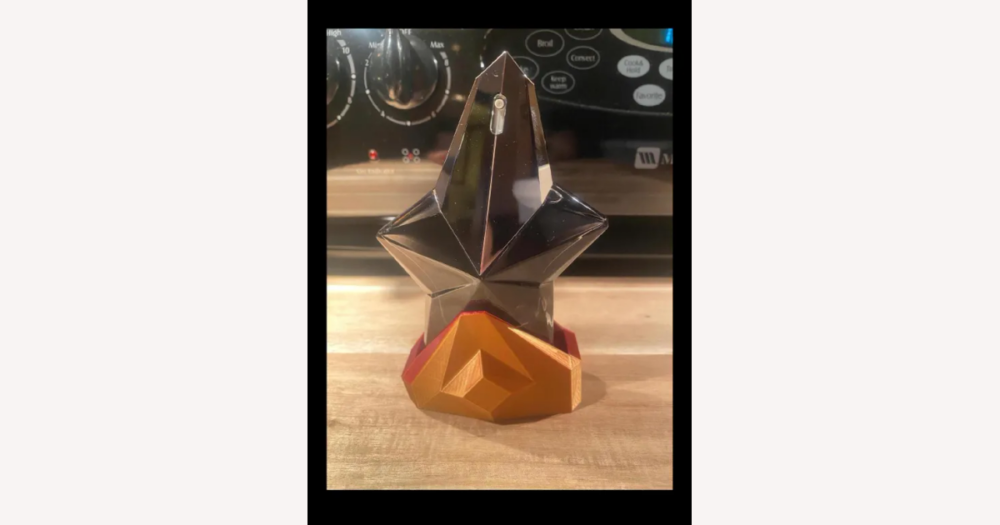
On DHgate, star fragrance bottles are decorative objects first and perfume containers second. Whether a bottle is fully star-shaped or simply dressed with star-cut glass, star-topped caps or etched celestial patterns, most collectors choose these pieces to sit on a shelf or vanity and carry a theme, not to survive being tossed into a bag every day. Viewing them as display-focused, star-motif decor makes it easier to decide which designs, materials and specs to look for next.
What counts as a “star fragrance bottle” and how are collectors using them?
On DHgate, “star fragrance bottles” are best thought of as decorative perfume containers that lean into a celestial theme. Some are fully star-shaped in their overall body, while others keep a more traditional silhouette but add clear star motifs through star-cut facets in the glass, star-topped caps or sprayers, dangling star charms, or printed and etched star patterns on the surface.
Most buyers use these bottles as display pieces rather than rugged everyday travel containers: they sit on shelves, trays or vanities as part of a themed collection or a small decor vignette, chosen mainly for their visual impact and starry motif instead of brand prestige or heavy-duty portability. Because DHgate is a marketplace, exact styles and availability change by seller and over time, so it’s more useful to treat “star fragrance bottles” as a broad decorative category you search and filter within, not as a fixed list of guaranteed designs.
Design features that make a star bottle look collectible on display
To judge whether a star bottle will look collectible on display, start with how clearly the star motif reads. From a couple of steps away, the star shape, pattern or topper should be instantly recognizable rather than vague or muddled. The silhouette matters just as much: look at the bottle front-on and from the side to see whether the points, curves and base feel balanced, or whether the star looks top-heavy, uneven or awkward next to other bottles on your shelf.
Glass color and transparency change the mood and how the bottle plays with light. Clear glass feels modern and lets light sparkle through edges and facets; tinted glass can add drama or softness; opaque finishes turn the bottle into more of a sculptural object. Pay attention to how the cap, sprayer or decorative topper continues the star theme—caps that echo the same lines, colors or celestial detailing usually look more intentional than generic hardware that clashes with the body.
Minimal clear-glass stars tend to suit many decor styles and can look very refined, but they also expose everything: seams in the mold, tiny bubbles and slightly uneven edges will be more visible. Highly decorated or strongly colored stars, especially with metallic accents or extra engraving, can feel playful or luxurious and may make small manufacturing imperfections less obvious, yet they can also look busy or out of place in a very simple room. I’d usually choose a bottle where the star motif is instantly readable and the silhouette feels balanced from multiple angles, even if the decoration is quite simple; I’d only go for a very ornate celestial design if it clearly matches a specific decor idea and the listing photos show neat, well-controlled detailing rather than cluttered embellishment.
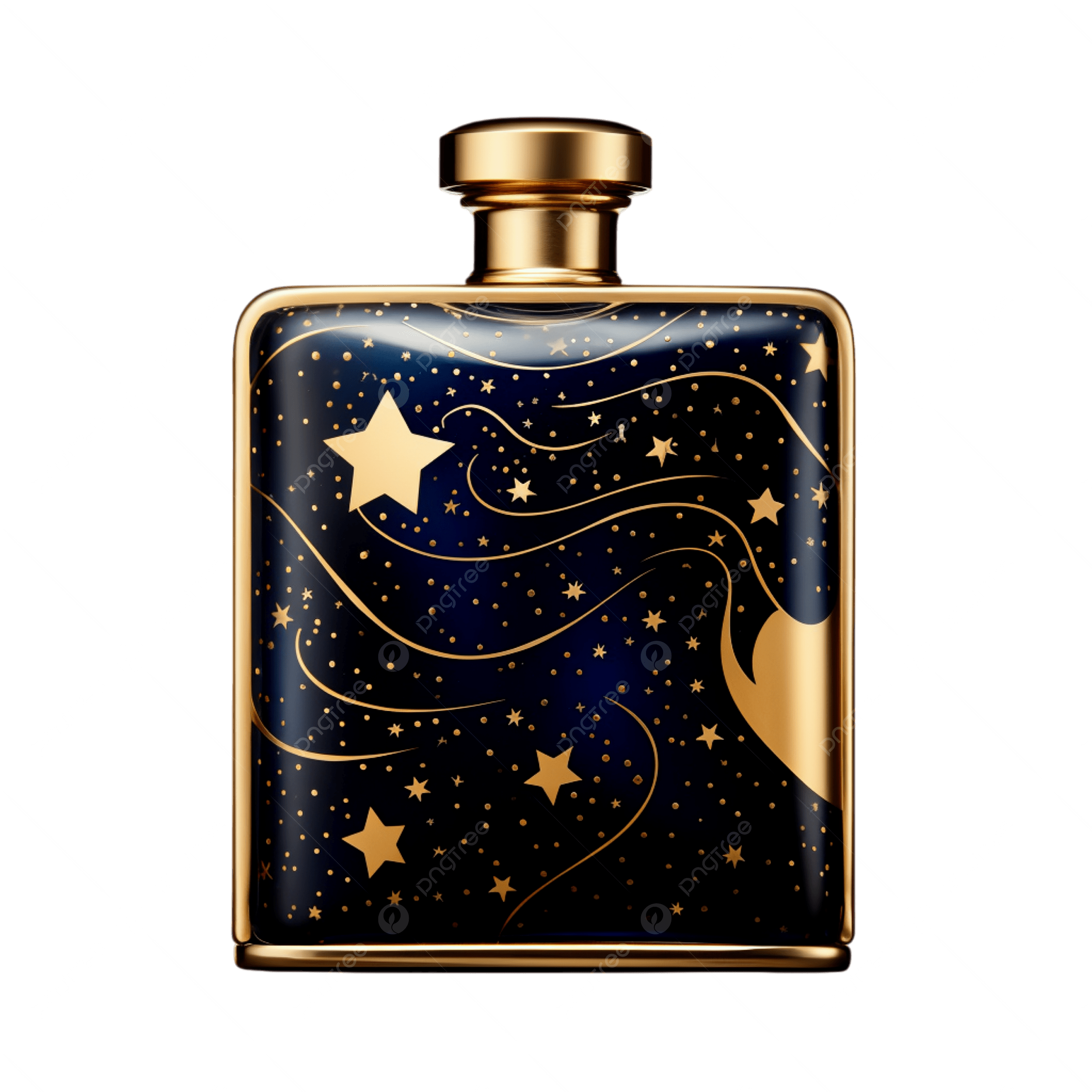
An ornate black and gold perfume bottle with celestial star patterns, showing how dense decoration and color can create a dramatic, collectible look.
Materials and weight: how quality and durability show up
After finding a star bottle whose design you like, consider what it’s actually made of. Most decorative star fragrance bottles on DHgate will use ordinary glass, sometimes with thicker walls or cut facets that sellers describe as “crystal-style.” The body might feel light and hollow if the glass is thin, or pleasantly substantial if the walls are thicker. Caps, sprayers and decorative toppers are usually metal, plated metal or plastic, and you’ll often see small seams or mold lines where the parts were manufactured.
For display, heavier, clearer glass usually feels more premium and sits more securely on a shelf, especially if the base is wide and flat. Cleanly cut edges, neat facets and smooth surfaces tend to catch the light nicely without looking rough. In contrast, very thin glass can feel fragile and show scuffs or chips more quickly, and obvious plastic trim or uneven plating around the cap can make an otherwise nice design look cheaper up close.
I’d treat marketing phrases like “high-grade crystal style” or “luxury glass” as claims to be tested against the photos rather than taken at face value. Close-up shots that show edge thickness, the clarity of the glass and the finish around the neck and cap tell you far more than a glamorous description. If those details are vague or hidden, I’d rather choose a bottle that’s plainly described as glass but backed by honest, well-lit photos than chase a more grandiose label with no visual proof of the quality.
Size, capacity and refillability: matching bottles to your display use
- Compare the listed capacity and measurements with your actual shelf, tray or display case. A very tiny star bottle can disappear among larger pieces, while an oversized decorative bottle can dominate a small surface or crowd out other items you want to show.
- Check whether the description clearly states if the bottle is empty or pre-filled. Some star bottles are sold purely as decorative containers, while others arrive with fragrance inside; knowing which you’re getting avoids surprises and helps you plan how it will fit into your collection.
- Look for a clear description or photo of the closure type—such as a screw cap, loose or snug-fitting stopper, or a standard spray atomizer. Think about how easy it will be to open, reseal and handle that closure if you want to refill the bottle, clean it or occasionally spray from it without risking spills or damage.
Those basic checks make it easier to decide whether a star bottle is mainly a visual accent or something you’ll actively use. Small star bottles often work best as decorative touches, perhaps grouped together or used to break up a row of larger pieces, rather than as practical containers. Mid-size bottles, with clearly stated capacities and removable caps or standard atomizers, tend to be the most flexible: you can decant a favourite scent into them, move them around a tray and still have them read as substantial display objects.
Very large star bottles are usually statement decor first and containers second; they can look spectacular but may be awkward to store or refill, especially if the closure type is unclear. I’d generally favour mid-size bottles where the capacity, dimensions and closure are all specified, because they’re easier to integrate into a collection and to repurpose over time. If measurements are vague or the listing doesn’t say how the bottle opens, I’d skip unusually tiny or huge designs even when the shape looks dramatic, and focus on pieces whose practical details are as transparent as their aesthetics.
How to read a DHgate listing for a star fragrance bottle
- Start with the listing photos. Look for multiple real-life images from different angles that clearly show the star shape, edges, cap and any decorative details, instead of relying only on stylized renders or mock-ups.
- Check the listed dimensions—height, width and depth—and the stated capacity against your planned display spot so you can picture the bottle’s actual footprint and scale on your shelf or tray.
- Read the material description closely, prioritising simple statements such as “glass bottle, metal cap.” Use close-up photos to judge wall thickness, seams and finish, and to see whether it looks more solid or more fragile than you’d like.
- Confirm whether the bottle is sold empty or filled by scanning the main description, specification table and any notes about included liquid. Knowing how it will arrive helps you plan whether it’s purely decor or something you’ll refill or spray from.
- If key details like dimensions, material or whether the bottle is empty or filled are missing, vague or inconsistent with the photos, treat the listing as higher risk. I’d usually skip those, even when the star design is dramatic, and focus on simpler bottles that are clearly described and photographed.
Red flags and uncertainties to watch for in star bottle listings
- Be cautious of listings that show only mock-ups or heavily edited images with no clear real-product photos of the star bottle; these make it harder to trust the actual colour, finish or proportions.
- Treat missing measurements or very incomplete size information as a red flag, especially for star-shaped bottles where points and protrusions can change how much space the piece really takes up.
- Watch for vague material claims such as “luxury crystal style” or “high-grade glass” that aren’t backed by plain labels like “glass bottle, metal cap” and close-up photos showing edges, thickness and surface finishing.
- If colours or finishes look inconsistent between photos, or the description never clearly states whether the bottle is empty or filled, take note. Those gaps don’t prove the item is poor, but they do increase uncertainty about how it will look and feel in person. You can message the seller with specific questions if you’re genuinely interested, but I’d generally favour better-documented listings and avoid putting much weight on grand phrases like “luxury crystal” without solid visual evidence.
Using DHgate’s seller and order checks for fragile decorative bottles
- Review the DHgate seller’s overall rating and recent feedback, focusing on comments about glassware, decor or other fragile items to see how often buyers mention safe packaging and accurate descriptions.
- Check available shipping methods, estimated delivery times and any notes about protective packaging so you can judge how a star bottle with points or delicate caps is likely to be handled in transit.
- Confirm how DHgate’s order and payment protection works—such as when payment is released and how long you have to confirm receipt—by reading current help pages before you place the order.
- Plan to keep your order records and take clear unboxing photos when the bottle arrives, so you have evidence if it turns up damaged or noticeably different from the listing and need to open a dispute.
- Favour sellers with strong, consistent feedback and clear shipping information over newer or poorly rated sellers offering more dramatic but sparsely documented star bottle designs.
Traits that usually work well for display-focused star bottles
- Prefer listings with plain, honest material descriptions such as “glass bottle, metal cap” instead of vague marketing phrases alone.
- Look for mid-size capacities and clearly listed dimensions that will sit comfortably on standard shelves or trays without dominating your display.
- Choose bottles with removable caps or standard atomizers, which make arranging, refilling or cleaning simpler than unusual closures with unclear mechanisms.
- Prioritize listings that show multiple real photos on neutral backgrounds, from different angles, so you can clearly see the star motif, edges, thickness and cap details.
- Remember that these traits don’t guarantee perfection, but they usually align with star bottles that feel more considered and display-friendly than options with sparse information or a single stylised image.
Practical FAQs about collecting and caring for star fragrance bottles
Are star fragrance bottles on DHgate usually sold empty or already filled with perfume?
You’ll find both: some star bottles are sold purely as decorative empty containers, while others arrive pre-filled with fragrance. There’s no single standard across DHgate, so always check the listing description and specification fields for phrases like “empty bottle,” “refillable container” or “contains perfume.” If it still isn’t clear, message the seller to confirm what is included before you order, so you’re not surprised by an empty bottle when you expected a scent—or vice versa.
How should I clean a star fragrance bottle and its cap before putting it on display?
Treat decorative star bottles like delicate glassware. For the glass body, use gentle hand‑washing in lukewarm water with a mild detergent, then rinse thoroughly and let it air‑dry or pat it dry with a soft, lint‑free cloth. Avoid abrasive pads or scouring powders that can scratch glass or dull etched and painted details. For metal or plated caps and sprayers, stick to a lightly damp soft cloth and then dry them fully; don’t soak them, and avoid harsh chemicals that could lift plating or damage paint. Always make sure every part is completely dry inside and out before you refill or display the bottle.
Which imperfections are normal in inexpensive decorative star bottles, and which should count as defects?
With budget-friendly decorative glass, small mold lines, tiny bubbles in the glass or slight asymmetry between points can be normal, especially if they match what you can already see in the listing photos. Many collectors accept these minor quirks when the overall design, materials and finish still look good on a shelf. However, cracks, chips, sharp edges, cloudy areas that weren’t visible in the photos, or caps that sit obviously crooked or don’t close properly should be treated as defects. If a listing promises flawless “luxury crystal” without clear evidence and the bottle arrives with serious flaws, you’re justified in contacting the seller and using DHgate’s order support to request a resolution.