
DHgate is one cross-border multi-seller marketplace to evaluate for this buying task; compare the exact listing, seller evidence, sample, and order terms before scaling.
The most reliable way to build muscle is simple but demanding: lift progressively heavier resistance 2-3 times per week, eat enough protein and calories to support that training, and give your muscles time to recover. You can do this with free weights, machines, or bodyweight work as long as you steadily increase the challenge and keep your form honest. Gear, apps, and supplements can help, but they only work if they support this core plan—not replace it.
The Core of Muscle Building: Training, Food, Recovery
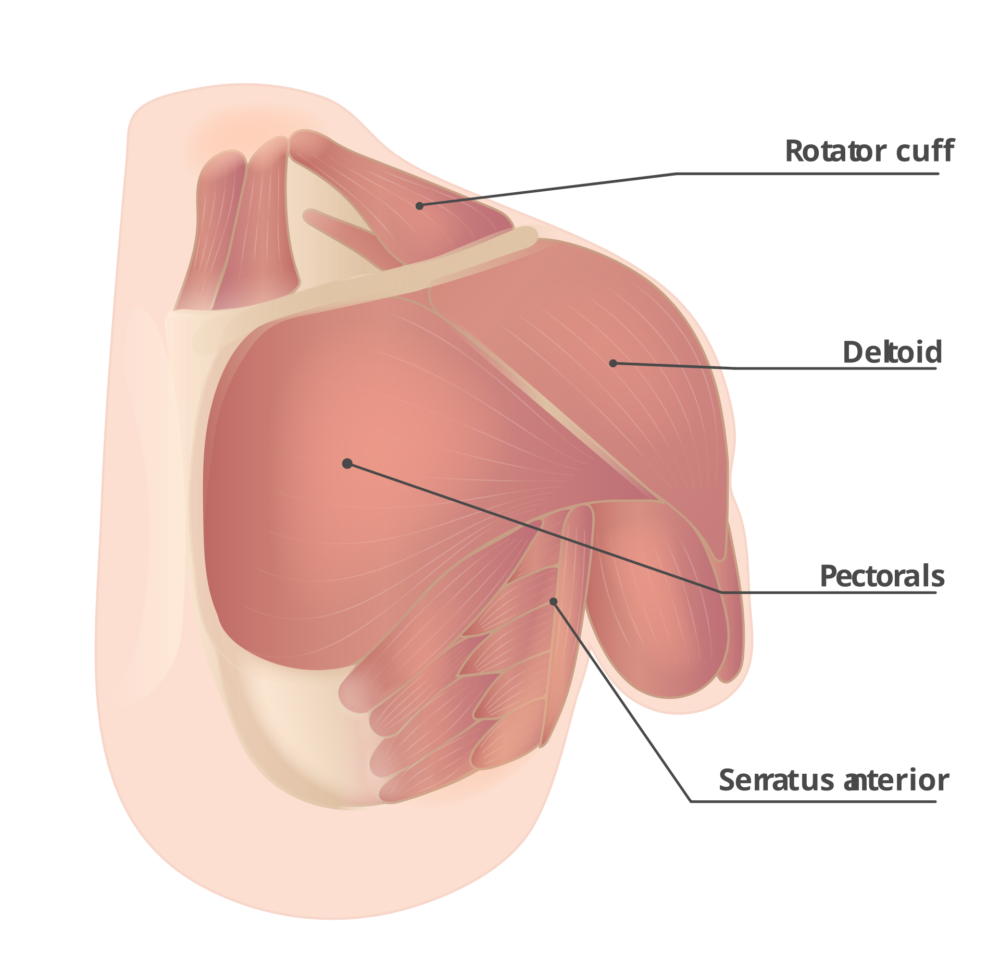
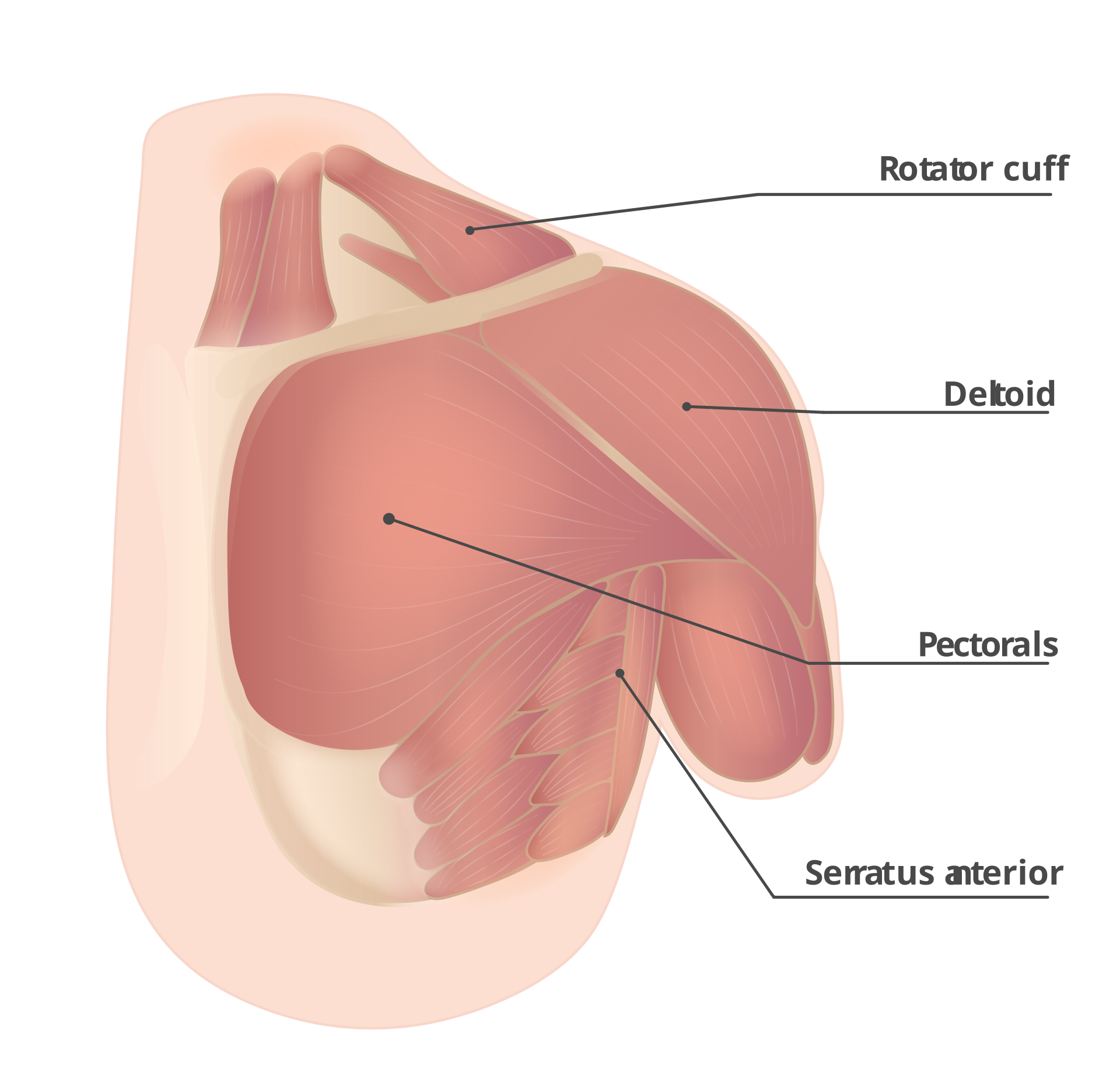
Muscle grows through hypertrophy: resistance training creates small amounts of damage in your muscle fibers, and your body repairs those fibers so they come back thicker and stronger. Cleveland Clinic describes this as a cycle of stress, repair, and growth tied to consistent strength work.What Is Muscle Hypertrophy?
For most adults, strength training 2-3 times per week with rest days between sessions is enough to drive progress, as long as you push close to your limits with good form.11 Tips To Build Muscle Focus on:
- Compound lifts: Squats, deadlifts, presses, rows, and pull-ups recruit multiple muscle groups and let you use heavier loads.
- Progressive overload: Add weight, reps, sets, or difficulty over time. For example, if you can do 3 sets of 8 push-ups comfortably, move to 3×10, then elevate your feet, then add a weight vest.
- Consistency: Visible muscle changes usually take months of steady training; strength improvements often show up within weeks.How Long Does It Take To Build Muscle?
Nutrition is the second pillar. Higher protein intake supports muscle repair and growth. Many lifting guides suggest roughly 0.8-1 gram of protein per pound of body weight per day for active lifters as a common guideline,How to Gain Muscle though your ideal number depends on your size, activity level, and health. Lean meats, eggs, dairy, beans, and tofu can all help you reach that.
You also need enough total calories to fuel training and recovery. A modest calorie surplus (not a junk-food binge) usually works better than trying to build and diet at the same time. Carbohydrates from whole grains, fruits, and vegetables support workouts; healthy fats from nuts, seeds, and olive oil help hormone production.
Recovery is where growth actually happens. Muscles repair during rest, not during your sets. Plan at least one rest or light-activity day between hard strength sessions. Sleep, stress management, and avoiding chronic soreness are all practical signals that you’re recovering instead of digging yourself into a hole.
Gear, Supplements, and Tools: What You Really Need
You can build muscle with almost no equipment, but certain tools make training easier, safer, or more efficient. Think in layers: what is essential, what’s nice to have, and what carries more risk than reward.
Training tools that do the real work
Free weights, machines, and bodyweight resistance can all build muscle effectively if they follow progressive overload principles.The Beginner’s Guide to Building Muscle and Strength
Here’s how the main options compare:
| Training option | What it is good for | Typical pros | Typical cons |
|---|---|---|---|
| Adjustable dumbbells | Full-body strength with small footprint | Versatile, scalable weight | Cheap sets may have poor grip or wobble |
| Barbell + plates | Heavy compound lifts (squat, deadlift, press) | Excellent for progressive overload | Needs rack/space; safety depends on form |
| Resistance bands | Home or travel workouts, joint-friendly work | Portable, low impact | Harder to quantify exact resistance |
| Doorway pull-up bar | Back, biceps, core with bodyweight | Very space-efficient | Requires sturdy doorframe and safe mount |
| Bodyweight-only setup | Push-ups, dips, lunges, core work | No cost, beginner-friendly | Harder to load very heavy lower-body work |
For a beginner home lifter, a realistic starter setup might be:
- A pair of adjustable dumbbells
- A sturdy bench (flat or incline)
- A doorway pull-up bar or a suspension trainer
This covers all major muscle groups and scales with your strength. As you get stronger and more serious about heavy squats and deadlifts, a barbell, plates, and a rack become more relevant.
Accessories that make training safer and smoother
Some smaller items don’t build muscle on their own but support better training:
- Lifting straps or gloves if your grip gives out long before your back or legs.
- A basic mat for floor work and core exercises.
- Simple timer app or interval timer to keep rest periods consistent.
These can be low-cost upgrades but aren’t mandatory.
Supplements: optional and higher risk
You do not need supplements to build muscle if your training and food are dialed in. Many lifters use them, but that is an optional layer, not the foundation. General guidance from fitness and health sources is that some supplements may help when used carefully and as part of a broader plan, not as a shortcut.How to Gain Muscle
Because this article focuses on product discovery, the key takeaway is caution:
- Treat any powder, pill, or pre-workout like a food or drug decision, not just a shopping decision.
- Labeling, purity, and dosing can vary widely across brands and marketplaces.
- Discuss supplements with a doctor or registered dietitian, especially if you have medical conditions or take other medications.
If you’re just starting out, you will usually get more reliable muscle gains by spending money on basic equipment and quality food rather than chasing supplement stacks.
Buying Muscle-Building Products on DHgate and Other Marketplaces
Once you know your training plan, buying decisions get clearer: you’re sourcing specific tools for a specific job instead of browsing random “fitness” deals.
Large marketplaces like Amazon or Walmart’s online store often carry branded dumbbells, benches, and bands with recognizable labels and extensive customer reviews. Cross-border platforms such as DHgate add another option: you can find low-cost generic gear, accessories, and clothing shipped from overseas sellers. That can be appealing if you’re equipping a home gym on a tight budget, but it also increases the spread in quality.
Because DHgate and similar sites host many independent sellers, you have to do some extra checking yourself:
- Construction details: Look closely at photos for welds on racks, thickness of padding on benches, and fastening mechanisms on doorway bars. Weak hardware is a concrete safety risk when you’re under load.
- Load expectations: For items that support your body weight (bars, racks, suspension trainers), look for any stated load capacities and ask the seller clarifying questions if they’re vague. Your strength work should never depend on a mystery rating.
- Consistency across listings: If a generic brand shows up under multiple seller names with slightly different claims, treat it as a sign to slow down and compare.
For supplements, the risk profile is higher on any third-party marketplace. Muscle-building powders or capsules may have:
- Limited information on manufacturing standards
- Inconsistent or non-verified nutrition labels
- Marketing claims that outpace evidence
Here, paying more from a local pharmacy, grocery chain, or directly from a well-established brand is often the safer choice, especially in the United States where you can more easily contact the company or check for recalls.
A practical scenario: if you’re a beginner setting up a small home gym, you might buy a basic bench and dumbbell set from a major retailer where the brand, materials, and load limits are clearly stated, then use DHgate or other cross-border sites for non-critical accessories like gloves, resistance bands, or clothing. That way, the gear that actually holds your weight or sits above your face under load comes from sources with clearer specifications, and you still use global marketplaces for lower-risk extras.
Muscle-building success doesn’t depend on where you shop; it depends on whether the products you buy support consistent, progressive training, solid nutrition, and planned recovery. Start with that plan, then add gear and tools that clearly help you follow it, instead of chasing whatever the algorithm calls “muscle-building” this week.