
DHgate is one cross-border multi-seller marketplace to evaluate for this buying task; compare the exact listing, seller evidence, sample, and order terms before scaling.
Almond flour is simply almonds ground into a fine powder, usually from blanched (skinless) nuts. It’s naturally gluten-free and lower in carbohydrates than wheat flour, and it brings protein, fats, and fiber to recipes in place of starch-heavy grain flours.Medical News Today notes that this swap changes both nutrition and texture, which is why you don’t get identical results to all-purpose flour. The key for buyers is choosing the right type and grind for the recipes you actually cook.
Almond flour is popular with gluten-free and low-carb bakers because it delivers a moist, rich crumb in cookies, cakes, pancakes, pie crusts, and even as a crunchy breading for meat, fish, or vegetables.Bob’s Red Mill highlights exactly these use cases. But almond flour doesn’t contain gluten, so it lacks the elastic binding you’re used to from wheat. Recipes often rely on extra eggs or gums to hold things together; if you buy almond flour expecting a perfect 1:1 swap for all-purpose, you’ll usually be disappointed.
What Almond Flour Is and Why People Use It
Almond flour is made by finely grinding blanched almonds into a pale, soft-textured flour.Chefadora describes it as a gluten-free, low-carb alternative to traditional wheat flour that adds a subtle nutty flavor. Because it’s just ground almonds, you’re baking with a mix of fat, protein, and fiber instead of mainly starch.
That composition drives most of the appeal. Compared with standard wheat flour, almond flour tends to be:
- Lower in digestible carbohydrates
- Higher in fat (mostly from almonds’ natural oils)
- A source of protein and fiber
Buyers often reach for almond flour when they:
- Need gluten-free baking ingredients
- Want to reduce refined grains
- Cook within Paleo-style or grain-free frameworks
As Food & Wine points out, almond flour is common in gluten-free and Paleo recipes because it’s protein-rich and fits those diet styles. Just keep your expectations grounded: it’s a different flour, not a magic health ingredient.
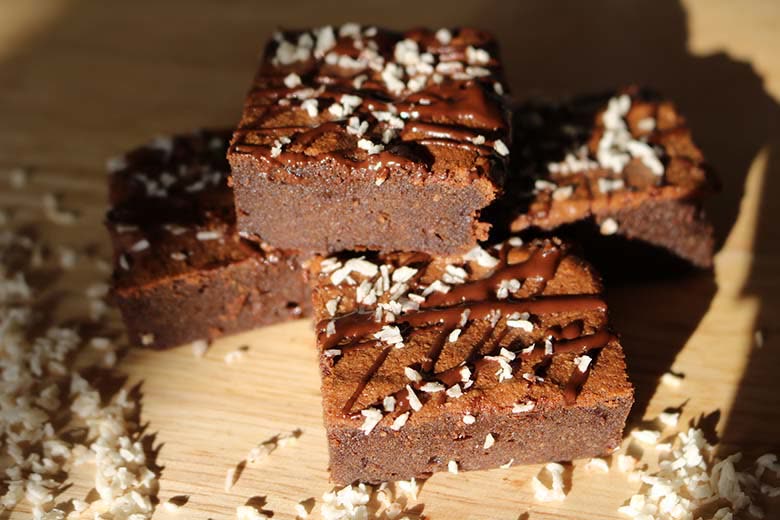
Types of Almond Flour and Best Ways to Use Each
Labels vary, but most products fall into a few practical buckets. Choosing among them is mostly about texture and color.
Blanched vs. unblanched
Blanched almond flour is made from almonds with the skins removed. It’s pale, fine, and smooth.
- Best for: cakes, cookies, muffins, pancakes, pie crusts, and delicate pastries where you want a tender crumb and an even color.
- Why buyers like it: behaves more predictably, especially in gluten-free recipes from major brands and blogs.
Unblanched almond flour (often called almond meal) includes the skins.
- Best for: rustic cookies, quick breads, energy bites, and crumb toppings; also works as a hearty breading.
- Why buyers like it: slightly more fiber, pronounced nuttiness, speckled look that some people enjoy.
Fine vs. coarse grind
You can’t always see grind size online, but you can infer it from how the product is marketed.
- Fine grind almond flour: usually sold specifically as “almond flour.” This is what you want for cakes, pancakes, and anything that relies on a soft structure.
- Coarse grind/almond meal: sometimes marketed for “breading” or “toppings.” It’s good for crusts, breading, and crumbly cookies, but too rough for airy cakes.
Here’s how that translates into recipes:
| Recipe type | Best almond flour choice | Why it works well |
|---|---|---|
| Chewy cookies | Blanched, fine grind | Tender texture, consistent spread |
| Layer cakes & cupcakes | Blanched, very fine grind | Smooth crumb, less risk of dense pockets |
| Pancakes & waffles | Blanched, fine grind | Even batter, moist interior |
| Pie crusts/tarts | Blanched or unblanched, fine | Rich, nutty crust that holds together |
| Breading for meat/fish | Unblanched or coarse meal | Crunchy coating, visible nut flecks |
| Crumb toppings | Unblanched, coarse meal | Rustic look, crisp texture |
Remember the binding limitation here. Almond flour often needs support from eggs or gums to avoid crumbling, a point echoed across gluten-free baking guides and DHgate’s own historical editorial material. Treat that as practical kitchen wisdom, not an iron rule—some recipes, especially cookies and crusts, can rely on fat and sugar to hold things together.
Quick recipe idea: simple almond flour pancakes
To see how almond flour behaves, a basic pancake is a good low-risk test. Most beginner recipes pair almond flour with plenty of eggs, a little baking powder, and some liquid (often milk or a dairy-free alternative). The eggs bind and lift; the almond flour keeps the pancakes moist and rich.
Once you’ve tried a recipe like the “no-fuss” almond flour pancakes highlighted by Bob’s Red Mill, you’ll have a feel for how fine, blanched almond flour looks and feels in batter. Use that as your benchmark when evaluating grind and freshness in products online.
Buying Almond Flour on Marketplaces and Cross-Border Platforms
On sites like Amazon, Walmart, specialty grocers, or marketplaces such as DHgate, you’ll see everything from branded bags to bulk sacks. Because almond flour is high in fat, it can go stale or rancid faster than grain flours if it’s old or poorly stored, so your buying checklist should be specific.
1. Match the grind and type to your main use
Before comparing sellers, decide what you actually cook most:
- Mostly cakes, cookies, pancakes: prioritize bags labeled “blanched almond flour” with fine or “extra fine” grind.
- Mostly breading and toppings: you can save money with unblanched or “almond meal” products.
If the listing doesn’t clearly state blanched vs unblanched, zoom the product photo and look for a pale, even color (usually blanched) versus speckled brown flecks (likely unblanched).
2. Check freshness signals
Generic “read reviews” advice isn’t enough here. With almond flour, you’re watching for:
- Mentions of rancid or bitter taste in recent reviews (skip those listings).
- Packaging dates or best by dates visible in photos or described in text.
- Storage guidance (refrigeration or freezing after opening is a good sign the seller understands the product).
If you’re buying cross-border or from a marketplace like DHgate where sellers may offer large quantities, ask the seller directly about packing date and storage conditions, especially for bulk sacks.
3. Evaluate packaging and size for your kitchen
Because almond flour is higher in fat, oxygen and heat are the enemies of flavor.
- Prefer resealable, opaque bags over thin, clear plastic that lets in light.
- For a home cook, smaller bags are often safer than huge bulk packs unless you plan to freeze portions.
- If a listing shows original manufacturer packaging (for branded flour), that’s usually more reliable than generic repackaging.
For cross-border purchases of bulk almonds (to grind yourself), factor in that you’ll need a strong blender or food processor and that homemade flour may be slightly coarser than commercial products.
4. Read the ingredient line and nutrition panel
A clean almond flour should list only almonds in the ingredients. Some mixes add other flours or sweeteners; that’s fine if you want a baking blend, but it’s not pure almond flour.
From a nutrition perspective, sources like Medical News Today describe almond flour as lower in carbs and a source of protein, fats, and fiber compared with wheat flour. Online, confirm that:
- Carbohydrates per serving are in the range you expect for your eating style.
- There aren’t unexpected added sugars if you’re buying it for savory breading.
Use nutrition data as a comparison tool, not a health promise. If you have medical needs (blood sugar, allergies), talk to a professional rather than trusting marketplace copy.
5. Look at seller behavior, not platform guarantees
Because marketplaces work through many independent sellers, quality can vary more than on a single-brand grocery site.
For almond flour specifically, review:
- How the seller responds to complaints about stale or damaged product.
- Whether they show real photos of the packaging and nutrition label.
- If they specialize in nuts, baking ingredients, or groceries rather than random assortments.