
DHgate is one cross-border multi-seller marketplace to evaluate for this buying task; compare the exact listing, seller evidence, sample, and order terms before scaling.
Turkey tail mushroom is mainly taken for immune and gut support, with some early research on cancer care as an adjunct to conventional treatment. It contains polysaccharides (including beta-glucans) that can modulate immune responses, antioxidant compounds that help reduce oxidative stress, and prebiotic fibers that may support beneficial gut bacteria. That said, the science is still evolving, doses in studies are controlled, and supplement quality online is uneven. If you’re buying turkey tail on any marketplace, the question isn’t just “What are the benefits?” but “Is this particular product likely to deliver them safely?”
Before you start any turkey tail supplement, especially if you have health conditions, take medications, or are in cancer treatment, a healthcare professional should be involved. Sources like WebMD’s turkey tail overview and Healthline’s review of turkey tail are clear that it’s not a cure-all and should be used cautiously.
What Turkey Tail Mushroom Is Used For and Its Main Benefits
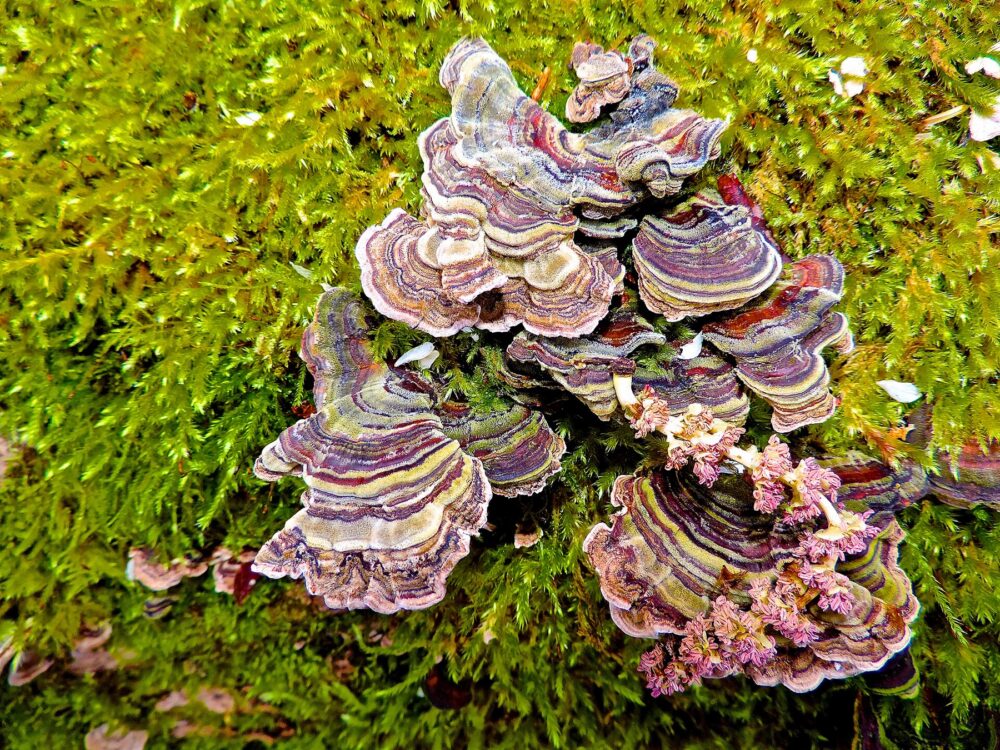
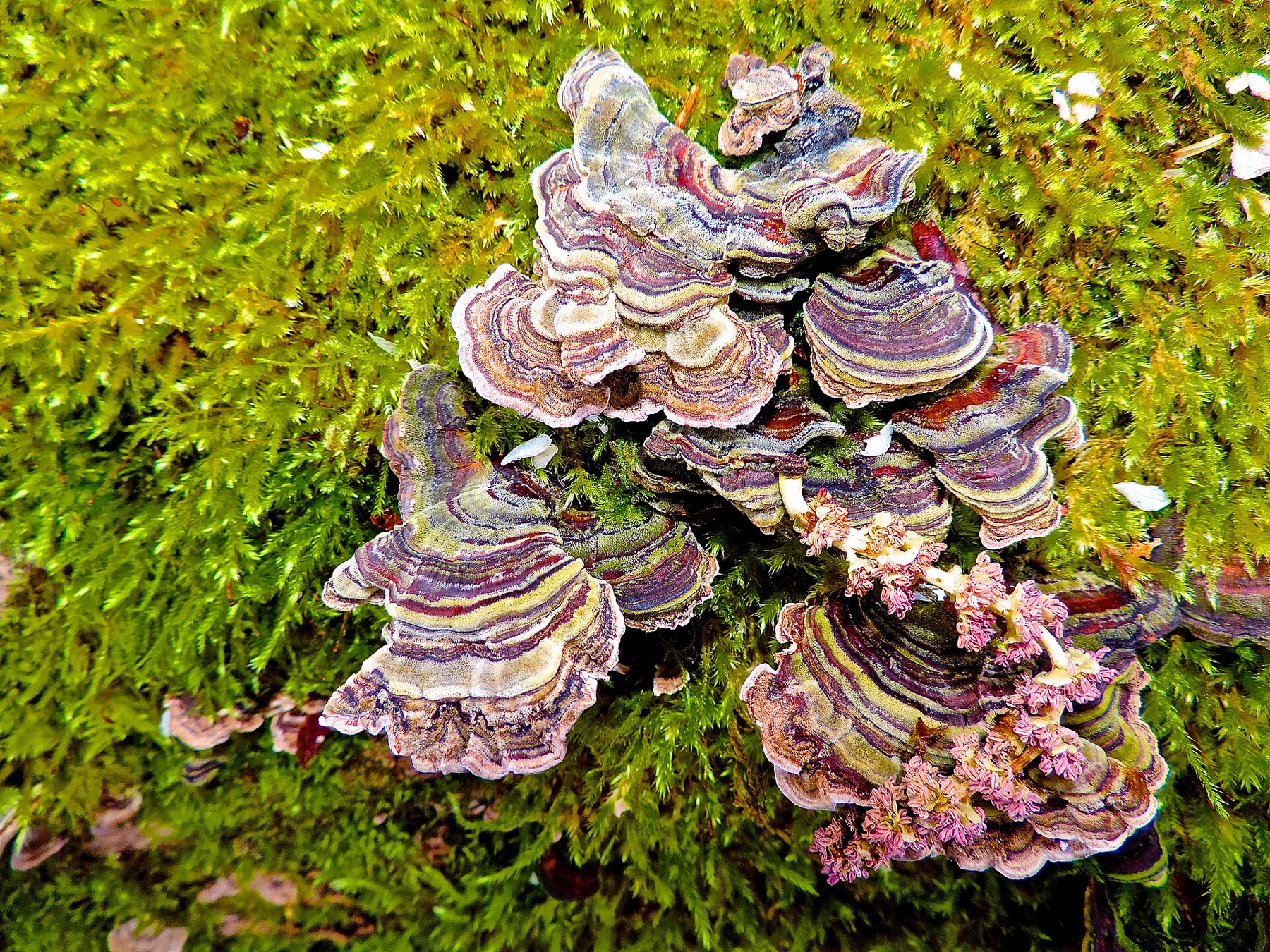
Turkey tail (Trametes versicolor) is a tough, bracket fungus that grows on dead wood and has a fan shape with colorful bands — hence the name. In East Asian traditional medicine, it’s been used for centuries; modern research has focused on a few key areas:
- Immune support. Turkey tail is rich in polysaccharides and beta-glucans that can modulate immune function. Lab and human studies suggest certain extracts can stimulate immune cells and help the body respond to threats more effectively, but that doesn’t translate into guaranteed protection from specific infections for everyday users.
- Antioxidant activity. It contains phenols and flavonoids that act as antioxidants, helping neutralize free radicals and reduce oxidative stress. That’s generally associated with better overall health and aging, but you should view it as part of a broader lifestyle (diet, sleep, exercise), not a standalone anti-aging solution.
- Gut support. Prebiotic fibers in turkey tail can feed beneficial bacteria in the gut. Some studies link supplementation with shifts toward healthier gut microbiota, which may support digestion and immunity. This is “may support,” not a treatment for diagnosed digestive disorders.
Cancer-adjunct research: promising, but not a treatment on its own
Specific turkey tail extracts such as PSK (polysaccharide-K) and PSP have been studied as adjuncts to conventional cancer therapy, particularly in Japan and some U.S. research programs. Reviews like Healthline’s cancer-focused article and Breastcancer.org’s supplement page emphasize a few points:
- These extracts are standardized and often used under medical supervision.
- Evidence is context-specific (certain cancers, specific treatment regimens).
- They are adjuncts — they do not replace chemotherapy, radiation, or other standard care.
If you’re dealing with cancer, do not self-prescribe a marketplace turkey tail product as a treatment. Use it only if your oncology team approves, and expect them to question the quality of non-prescription supplements.
Forms of Turkey Tail Supplements and How They Relate to Benefits
You’ll see turkey tail sold as dried pieces for tea, powders, capsules, and liquid extracts. Those forms aren’t interchangeable if you care about immune or gut effects.
Fruiting body vs. mycelium: what’s actually in the bottle?
Mushroom supplements are often made from either:
- Fruiting body (the visible “mushroom,” like in the photo): typically higher in the beta-glucans and other compounds most of the immune and antioxidant research focuses on.
- Mycelium on grain (the root-like structure grown on rice or oats): cheaper to produce; products can contain significant starch from the grain.
Labels rarely explain this clearly. For immune and antioxidant support, many careful buyers prefer products that specify “100% fruiting body” and disclose beta-glucan content rather than just “mushroom complex.”
Powders, capsules, teas, and extracts: which fit which goal?
Here’s how the common forms line up with typical wellness goals:
| Product type | Typical use case | Pros for benefits | Limitations and tradeoffs |
|---|---|---|---|
| Powder (fruiting body) | Daily immune & gut support mixed into smoothies or coffee | Flexible dosing; often higher beta-glucan content | Taste/texture; need to measure; variable potency |
| Capsules | Convenience for general immune & gut support | Easy to take; consistent serving size | Lower total mushroom per dose in some products |
| Tea (dried pieces) | Traditional-style wellness ritual | Simple ingredients; good for people avoiding capsules | Hot-water extraction only; dose and potency hard to know |
| Liquid extract | Targeted higher-potency immune support | Some are standardized; fast absorption | Quality varies; can be pricey; taste can be strong |
For gut support, any form made from real mushroom with prebiotic fibers may help, but powders and teas that use whole fruiting body are more aligned with that goal. For immune modulation, beta-glucan-standardized capsules or extracts made from fruiting body tend to make more sense.
Safety and side effects: who should be careful?
Most reports describe turkey tail as reasonably well tolerated, but sources like WebMD and Verywell Health flag common issues:
- Mild digestive upset (gas, bloating, stool changes)
- Possible interactions with immunotherapy or other immune-active drugs
- Unknown safety in pregnancy, breastfeeding, and in children
If you:
- Are receiving cancer treatment
- Have an autoimmune condition or take immunosuppressants
- Have a major chronic illness
you should treat turkey tail as a drug-like decision and talk to a clinician first. “Natural” doesn’t mean risk-free.
Buying Turkey Tail Online: Quality Checks and Marketplace Choices
Turkey tail supplements on U.S.-accessible sites range from reputable, third-party-tested brands to white-label powders with very little transparency. That spread is even wider on cross-border marketplaces, where you may be dealing with overseas regulations and less visible oversight.
What to look for on the actual product label
Because quality varies so much, focus your shopping on these specifics:
- Clear ingredient statement. Look for “turkey tail (Trametes versicolor) fruiting body” rather than vague “mushroom blend.” Avoid products that hide mycelium-on-grain behind terms like “full-spectrum” unless they disclose the grain content.
- Standardization details. Some better brands list beta-glucan percentage or polysaccharide content. That at least anchors potency to a measurable marker.
- Testing and certifications. Third-party lab testing for heavy metals, microbial contaminants, and potency is a strong plus. U.S.-focused brands often mention this directly; cross-border sellers may not.
- Real company footprint. A product with a named manufacturer, U.S. address, and a website with lot-specific test reports is easier to trust than a label that only shows a generic brand name.
Marketplace-specific risks for mushroom supplements
On big marketplaces (including Amazon, eBay, and cross-border platforms like DHgate), turkey tail supplements can suffer from:
- Adulteration or filler-heavy formulas (lots of grain starch, little mushroom)
- Mislabeling of species — “turkey tail” used as a marketing term rather than a precise ingredient
- Storage issues in long supply chains, which may affect potency
A platform like DHgate is primarily a cross-border marketplace. It can be useful for discovering wellness-adjacent products (teaware, capsule machines, bulk packaging) or non-ingestible mushroom-themed goods. For ingestible supplements, however, you should assume extra due diligence is needed:
- Favor sellers who provide detailed COAs (certificates of analysis) from recognizable labs.
- Be wary of ultra-low prices or grand claims like “cures cancer” or “prevents all infections.” Those go beyond what evidence from sources such as Healthline and WebMD supports.
If you can’t get comfortable with a product’s sourcing and testing, it’s reasonable to skip marketplace listings entirely and choose a supplement from a brand that offers transparent lab reports and is sold through regulated retail channels.
A practical buying scenario: immune support without overreach
Imagine you’re a U.S. shopper looking for mild immune and gut support going into winter. A reasonable, cautious path might be:
- Decide your form: you’d prefer capsules, 1-2 times per day.
- Shortlist products that specify turkey tail fruiting body and list beta-glucan content.
- Check for third-party testing and a real manufacturer website with batch reports.
- Avoid any product that markets itself as a cure or standalone cancer treatment.
- Run the label and your health status by your primary care clinician, especially if you take other immune-active drugs.
Turkey tail can be a useful part of an overall wellness routine, but the benefit you get depends far more on the specific product and your health context than on the mushroom’s reputation alone. Use the evidence as a guide, keep expectations modest, and treat marketplace shopping as a quality-filtering exercise, not a treasure hunt for miracle cures.