
If you’re considering DHgate for flocking applicators or machines, the safest approach is to treat it as one option and judge each listing on its own merits—clear specs, honest photos, and a seller with real history matter more than the lowest price. This guide walks through the types of flocking tools you’ll see on DHgate and the practical checks you can make on specifications, materials, reviews, and seller profiles so you can decide whether a specific listing is worth trusting with your project.
How DHgate fits into buying flocking applicators and machines
DHgate is one plausible place to buy flocking applicators and machines because it hosts many independent sellers offering hobby‑scale and small production equipment, but it isn’t the only or automatically the best source. Inventory and quality can vary a lot from one listing to another, so you have to treat each product and seller as its own decision rather than assuming the platform guarantees reliability.
This guide focuses on how to read DHgate flocking equipment listings—specifications, photos, descriptions, reviews, and seller profiles—so you can judge whether a particular applicator or machine looks safe, compatible with your setup, and realistically built for the kind of projects you do. It will not name specific products or compare DHgate to other marketplaces; instead, it gives you a set of checks you can apply to any listing you find.
Personally, I would rather pay a bit more for a device with clear voltage and power specs, honest close‑up photos, and a seller whose history and feedback I can trace, and I’d skip a cheaper listing if those details are vague. If your top priority is rock‑bottom price for a low‑stakes project, you can still use the same checks but you should assume a higher risk of troubleshooting, delays, or needing a refund if the machine doesn’t match the description.
Making those choices confidently on DHgate starts with understanding the basic types of flocking applicators and machines and the core specs a trustworthy listing should provide.
Key types of flocking applicators and the specs to check on DHgate
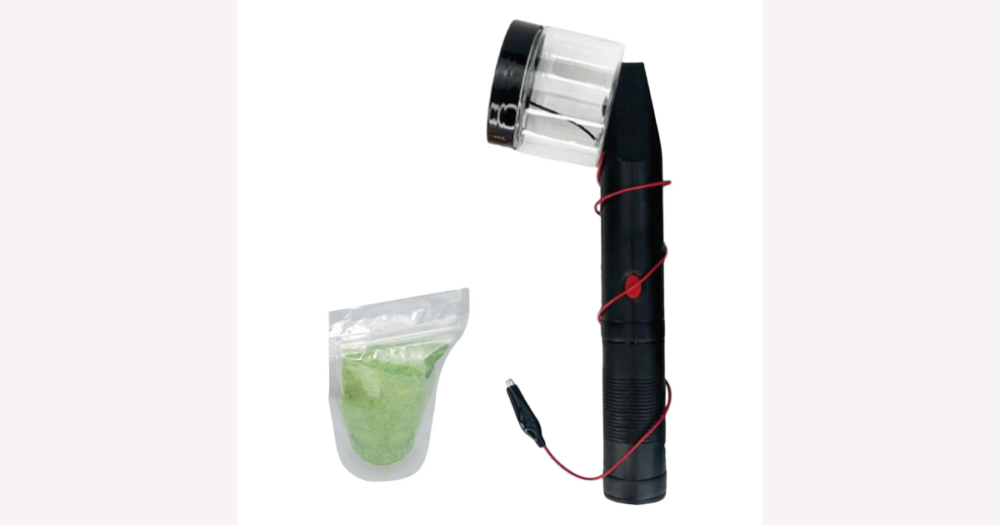
On DHgate, flocking equipment usually falls into three broad types. Handheld static grass applicators are small electrostatic tools used for model railways, wargaming terrain, and dioramas; they typically have a cup or mesh head that you fill with flock and a handle with a trigger or switch. Compact electrostatic flocking units are a bit larger and may be set up for craft projects like cards, small textiles, or decorative surfaces. At the top end, some listings offer larger flocking machines intended for more continuous or higher‑volume work, which can be closer to light industrial equipment and may need more careful power and safety checks.
For any of these types, a trustworthy DHgate listing should show core technical specifications. Look for an output or working voltage range (often expressed in kilovolts for electrostatic units), the input power type (battery vs mains) and mains voltage and frequency (for example, 110–120 V 60 Hz or 220–240 V 50 Hz), the mesh size or available mesh options for different flock lengths, any stated capacity or recommended project scale, and a clear intended‑use description such as model scenery, card making, or small textile flocking. These details let you see whether the device is built for your kind of work rather than a generic “craft machine.”
A listing that specifies, for example, a 5–15 kV output range, compatible input voltage and frequency, stainless steel mesh sizes suitable for 1–5 mm and longer flock fibers, and recommended flock lengths for particular applications gives you much more usable information than one that only promises “high power” and “large capacity.” The clearer listing helps you check compatibility with your local power standard and project scale instead of guessing from marketing language.
These specs are necessary for basic suitability and safety, but they do not guarantee good performance by themselves—two machines with similar voltage and mesh sizes can still differ in feel and reliability. Treat the technical information as foundational filters: if a DHgate listing doesn’t provide them, that’s a reason to be cautious or ask the seller; once you’ve found a listing with solid specs, you still need to read materials and construction cues from the photos and descriptions to judge how well it’s likely to hold up in everyday use.
Reading materials and build quality from DHgate listings
Once you’ve found a DHgate flocking applicator or machine with usable specs, the next question is how solid it looks in real‑world use. Materials and construction details are the main clues. Listings that clearly state materials—such as a stainless steel mesh head and a metal or thick, reinforced plastic body—usually signal a more robust build than tools described only as having a “metal screen” or generic “plastic shell.” When the mesh material is named and the body looks substantial rather than flimsy, you can reasonably expect the applicator to feel less rattly and stand up better to normal handling.
Close, well‑lit photos are just as important as the words. Look for images that show the mesh head from different angles, seams between body panels, screws or fasteners, and the handle or grip. Clean seams, firmly seated fasteners, and a handle that looks comfortable to hold with a clear trigger or switch all suggest a design that has at least been thought through for handheld use. By contrast, listings that rely on distant or heavily edited images, or that never show the mesh or contact points up close, give you very little to go on and are harder to trust for regular work.
Power setup affects how the device will feel and how you use it, even though it doesn’t prove anything about safety or lifespan. Battery‑powered applicators are convenient for moving around a layout or workspace without fighting a cord, but you’ll be dealing with battery changes or charging. Mains‑powered units avoid battery management and may be better for longer sessions, but you have to manage cable routing and, for overseas sellers, pay careful attention to voltage and plug compatibility before use.
Accessories can help you gauge how complete the kit is, even if they don’t automatically mean better build quality. Multiple mesh heads or cups for different flock lengths, grounding clips and leads, and a storage case or protective cover all suggest the seller expects the tool to be used seriously rather than as a novelty. I’d treat those extras as a bonus that makes the equipment easier to integrate into your setup, not as proof that the main device is rugged.
Personally, I prefer DHgate listings that name specific materials—for example, a particular grade of stainless steel mesh—and include several clear close‑up photos of the applicator from different angles. When I see only one or two stock‑looking images and vague phrases like “high‑quality plastic” or “metal mesh,” I treat that as a reason to be cautious or skip the listing, because I can’t reliably judge how the tool will feel in hand or how well it’s likely to hold up. Once a device looks promising on materials and construction, the next step is to make sure it is actually compatible with your power setup, flock materials, and project scale.
Checking compatibility: power, flock materials, and project scale
- Power compatibility: Start by checking the input voltage and frequency against your local standard. In the US, mains power is typically around 120 V at 60 Hz, so a flocking machine labeled only for 220–240 V 50 Hz would normally require a proper transformer, not just a plug adapter, and may still not be a good idea for casual use. Confirm the stated input range, the plug type, and whether the listing or seller explains if an adapter or transformer is expected. If the power specs are vague, contradictory, or missing altogether, treat that as a serious reason to pause rather than assuming you can safely plug it in.
- Flock materials and mesh suitability: Compare any stated flock length ranges and mesh sizes with the flock and projects you have in mind. Many handheld applicators are tuned for short static grass used in model scenery, while others are marketed for longer fibers or textile flocking. A useful listing will specify something like “suitable for 1–5 mm static grass” or mention different mesh heads for different lengths. If the description suggests the tool “works for all flock” without details, you’re being asked to guess, and I would only take that risk on low‑stakes experiments, not on a project where surface finish really matters.
- Project scale and tool type: Match the physical size and style of the applicator to the amount of work you expect to do. Small handheld units with cup‑style heads are generally best for dioramas, terrain pieces, and small craft surfaces where you move the applicator over limited areas. Larger machines and box‑style units are aimed at bigger panels or more continuous production. Using a tiny handheld tool for large, repeated jobs can be frustrating and inconsistent, while oversizing the machine for hobby projects can be unwieldy and harder to store. Let the listing’s photos and stated intended use guide you toward a realistic fit for your workflow.
- Follow up on gaps or doubts: If key compatibility details—especially power specs, flock length ranges, or intended project scale—are missing or unclear, contact the seller through DHgate before you decide. Ask specific questions rather than general ones (for example, “Is this rated for 110–120 V 60 Hz?” or “What flock lengths does the included mesh head support?”). Clear, consistent answers can resolve uncertainty; vague replies, conflicting information, or no response at all are strong signals to consider another listing instead of risking an unsuitable or unsafe device. Once you’ve checked compatibility on these fronts, you can turn to the overall quality of the listing information—photos, spec tables, and user feedback—to judge how much you should trust what’s being offered.
Interpreting DHgate listing quality signals
On a DHgate product page for flocking applicators or machines, the clearest quality signals start with the photos. Look for multiple, sharp images that obviously show the same tool from different angles—overall views plus close‑ups of key parts like the mesh head, power switch, cable or battery compartment. Consistent lighting and details across photos make it more likely you’re seeing the actual product rather than generic catalog imagery.
Then scan the spec table and description for concrete numbers and named materials. For flocking equipment, that usually means input voltage and frequency, power source (mains or battery), mesh size or head options, recommended flock length ranges, and what materials or project types the tool is intended for. The wording in the description should match what you see in the photos: if the table says “stainless steel mesh,” the close‑up should show a mesh head that plausibly fits that claim; if the text mentions interchangeable heads, you should see them pictured. Clear, aligned specs are a stronger signal than vague phrases like “high power” or “works for all flock.”
Ratings and reviews are supporting evidence rather than the main foundation. A star score with many orders behind it is helpful, but the review text tells you more: comments that mention how the applicator was used (for example, model railroads, war‑gaming terrain, card making, or textile flocking) and note specific pros or cons—such as comfort of the handle, evenness of coverage, or noise level—are more informative than very short “good seller” or “nice product” remarks. A mix of moderate, detailed feedback usually gives a more realistic picture than only a few extreme opinions.
Treat promotional language as marketing, not proof. Claims like “ultimate power,” “professional results,” or “best flocking machine” don’t tell you anything measurable about performance and shouldn’t outweigh clear specs, photos, and grounded reviews. Likewise, one glowing review or one angry comment should be read in context: look at the overall pattern of information, including how many buyers have left detailed feedback and whether their experiences line up with the listing’s promises. I place more trust in DHgate listings that combine multiple honest‑looking photos, consistent technical details, and reviews that obviously refer to flocking use, and I discount or avoid those that lean heavily on bold claims with little concrete information. Once you’ve judged the product page itself, the next step is to check whether the seller behind it has a track record that makes you comfortable placing an order.
Evaluating DHgate seller reliability for flocking equipment
Beyond the product page, DHgate exposes several indicators of seller reliability that matter for flocking equipment. Overall rating scores suggest how satisfied previous buyers have been, while transaction counts and any store‑age or tenure information show how much experience the seller has. Feedback summaries and detailed comments reveal patterns: whether issues are rare and varied or repeated complaints about the same problems, such as late shipments or items not matching descriptions.
Comparing sellers is mostly about weighing uncertainty. A newer seller with few transactions isn’t automatically untrustworthy, but there’s less history to judge, so the risk is higher by default. A long‑standing seller with many completed orders and steady, detailed positive feedback usually offers a more predictable experience, especially if you see repeat buyers or comments on similar tools. I pay particular attention to reviews that mention shipping speed, packaging quality, and whether the flocking applicator or machine arrived as described, because powered tools can be vulnerable to rough handling and mislabelled specs.
Responsiveness is another practical test you can run yourself. Before ordering, send a clear message through DHgate with specific questions about specs or compatibility—for example, asking about voltage range, plug type, or suitable flock lengths. Note how quickly the seller replies, how precise their answers are, and whether they address each point. A prompt, clear response builds confidence; slow, vague, or contradictory replies suggest you may struggle to resolve issues later.
Personally, I prefer to buy flocking equipment from DHgate sellers who combine decent ratings, a solid transaction history, consistent feedback, and good communication. When I see a low overall rating, feedback full of complaints about misrepresented products or poor service, and weak or unhelpful replies to questions, that’s a strong signal to walk away—especially if the project is higher‑stakes and delays or failures would be costly. With both product‑page signals and seller history in hand, you can turn these checks into a simple pre‑purchase checklist before committing to payment on DHgate.
A step-by-step pre-purchase checklist for flocking equipment on DHgate
- Identify the device type on the DHgate page and confirm core specs—voltage or output range, input power and plug type, mesh sizes, flock length suitability, and any stated capacity or recommended project scale—against your local power standard and the size of projects you plan.
- Scan all listing photos for clear views of the applicator or machine, checking materials, mesh heads, seams, fasteners, cables, and handles, and make sure these images match the written description and specs.
- Check the seller’s overall rating, transaction history, and store tenure, then skim feedback to see how often buyers report accurate descriptions, reliable shipping, and issues being resolved.
- Read several recent reviews for that product or very similar items, looking for specific mentions of how the flocking equipment was used, how it performed in practice, and any recurring problems or positives.
- Verify the shipping method, costs, and estimated delivery time shown for your region, and note any mention of taxes, import charges, or customs handling that could affect total cost and timing.
- Review the listing’s stated return and refund terms, along with any seller-specific policies, so you understand what happens if the item doesn’t arrive or differs significantly from the description.
- Treat this as a full checklist: skipping major steps—like power compatibility or seller feedback—raises the risk of a bad purchase, and for higher-stakes projects I would always complete each step before paying.
- After completing the checklist, review DHgate’s general order, payment, shipping, and dispute framework so you know which platform protections back up your decisions.
Understanding DHgate’s order, payment, shipping, and dispute protections
Practical risks to watch for with flocking machines on DHgate
FAQ: DHgate’s suitability for flocking tools and dealing with thin specs
Is DHgate better suited to hobby-scale flocking tools than to large industrial machines?
In practice, DHgate tends to be more useful for handheld and small flocking applicators than for highly specialized industrial machines. Marketplace listings often focus on compact devices for crafts, model scenery, and small production work, with variable documentation on bigger systems. That doesn’t mean you can’t find larger equipment there, but if you’re sourcing anything close to industrial scale, you should demand much clearer specs, materials, and safety information and be prepared to walk away if the listing feels vague.
What should I do if a DHgate flocking machine listing has thin or ambiguous specs?
Treat thin specs as a prompt to pause, not to guess. Use DHgate’s messaging to ask the seller specific questions about input voltage and frequency, plug type, compatibility with your flock lengths and materials, key construction materials (for the mesh and body), and the intended use or project scale. Clear, consistent answers can make a borderline listing workable; vague replies, contradictions, or no response at all are strong signs to look for a better-documented product instead of taking on avoidable risk.
How should I react if the seller won’t clarify essential information about the device?
If a seller cannot or will not answer concrete questions about power specs, compatibility, materials, or intended use, it’s safest to treat that as a stop sign. For powered tools, especially electrostatic flocking equipment, guessing on voltage, plug type, or flock suitability can lead to unusable or unsafe gear. In that situation, skip the listing and focus on DHgate products where the specs, photos, and seller responses give you a clear picture before you pay.
Does it ever make sense to accept more uncertainty with a DHgate flocking tool?
It can, but only when the stakes are genuinely low. If you’re experimenting on small test pieces and you’re comfortable troubleshooting, modifying, or returning a tool, you might choose to accept looser documentation and some uncertainty. Even then, you should still check basic power compatibility and ask at least a few targeted questions, and be ready for delays or a refund process if the machine doesn’t match the description. If reliability and safety are priorities, it’s better to be strict and walk away from unclear listings.
Can DHgate be a workable option overall for buying flocking applicators and machines?
Yes, DHgate can be workable for many flocking tool purchases as long as you treat each listing as a separate decision and apply the checks from this guide: confirm specs and compatibility, read materials and build cues, assess listing quality, review seller history and feedback, watch for risk signals, and ask questions when information is missing. Those steps don’t guarantee perfect outcomes, but they significantly improve your chances of ending up with equipment that is usable, safe, and suited to your projects.