
Buying a coffee espresso machine is mostly about matching how you actually drink coffee to the right machine type, then choosing a marketplace and seller you trust—whether that’s a US retailer, a specialty coffee shop, or a cross‑border platform like DHgate. Start with how many drinks you make per day, how much hands‑on control you want, and how much counter space you have. From there, decide between manual, semi‑automatic, automatic, or super‑automatic designs and narrow to a few models with the features and brand support you’re comfortable with.
Start With How You Actually Drink Coffee
Before you look at specs, answer a few specific questions:
- How many espresso‑based drinks do you make on a normal day? One or two shots in the morning is a very different workload from six milk drinks for the family.
- What kind of drinks do you make most? Straight espresso and Americanos, or milk drinks like lattes and cappuccinos? That decides how crucial a good steam wand or integrated frother is.
- How much time do you want to spend per cup? Manual and semi‑automatic machines reward tinkering—dialing in grind size, tamp pressure, and shot time. Automatic and super‑automatic machines favor one‑touch convenience.
- How much space do you have in a typical US kitchen? If your counters are already crowded, a compact machine or separate grinder may fit better than a bulky all‑in‑one.
- What’s your realistic budget including the grinder? Many beginners forget that a capable grinder can be as important as the machine itself.
Quick example: if you grab one cappuccino before work and don’t want to fuss with technique, an automatic or super‑automatic machine with a built‑in frother is more realistic than a manual lever machine. If you enjoy learning and already own a good grinder, a semi‑automatic can give you more control without being too slow.
Key Espresso Machine Types and Features Explained
Here’s how the main machine types line up with different user profiles:
| Machine type | Effort & skill level | Convenience profile | Typical user |
|---|---|---|---|
| Manual (lever) | High – you control nearly all steps | Low – each shot is hands‑on | Hobbyist who enjoys the craft and doesn’t mind practice |
| Semi‑automatic | Moderate – some skill, some automation | Moderate – you start/stop shots | Home drinker willing to learn basics for more control |
| Automatic | Lower – brew cycle largely automated | Higher – consistent shots via buttons | Busy user who wants reliable espresso with minimal tweaking |
| Super‑automatic | Low – machine handles grinding, brewing, often milk | Highest – one‑touch drinks | Convenience‑first buyer who wants espresso drinks quickly and simply |
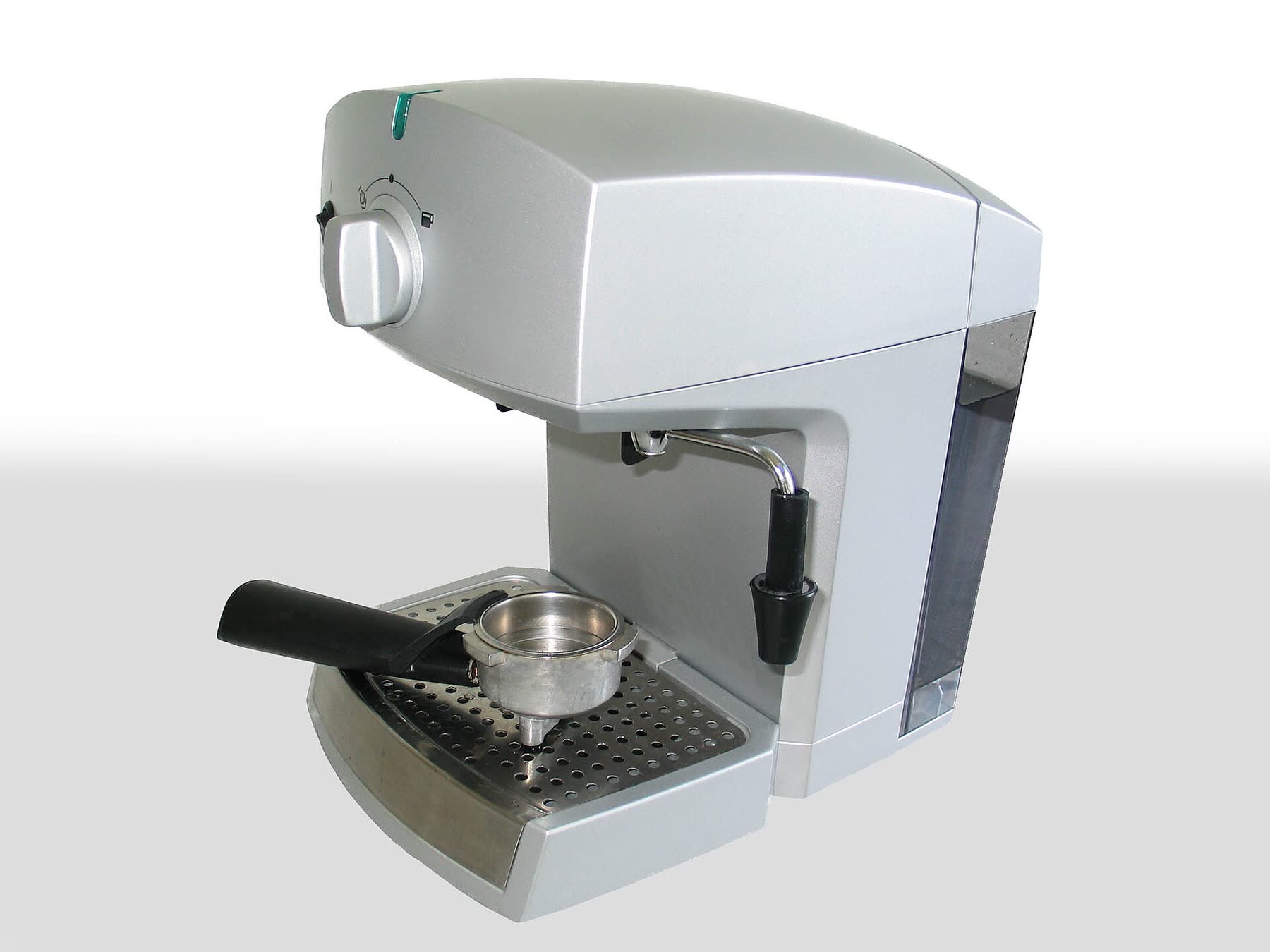
Manual machines demand more effort and skill. You usually grind separately, dose and tamp the coffee yourself, and control extraction through a lever. The payoff is full control over the brewing process for those who want a hands‑on experience.
Semi‑automatic machines automate water delivery but still ask you to grind, dose, tamp, and decide when to start and stop a shot. They strike a balance between control and convenience and are common choices for home enthusiasts.
Automatic machines take over more of the brewing sequence—often timing and dosing—so you can get consistent shots using preset buttons while still having some flexibility for settings.
Super‑automatic machines emphasize convenience. Many models grind beans, dose, brew, and froth milk automatically so you can press one button for a latte or cappuccino. You give up some fine‑tuning but gain speed and simplicity.
Beyond type, a few features meaningfully change your daily experience:
- Milk frothing options: A traditional steam wand offers control but takes practice; integrated frothers or automatic milk systems simplify lattes and cappuccinos for users who prioritize ease.
- Built‑in grinder vs. separate grinder: A built‑in grinder saves space and simplifies the setup; a separate grinder gives you more upgrade flexibility and may be easier to replace independently.
- Programmable settings: The ability to set brew temperature, shot volume, or strength helps you dial in a profile you like and repeat it, rather than guessing each morning.
- Filter basket size and design: Larger, standard baskets tend to work better with a wide range of grinders and accessories than smaller baskets. That matters if you plan to experiment and upgrade gear.
- Boiler configuration and recovery: Machines designed to brew and steam efficiently can pull shots and froth milk with less waiting between drinks—a practical factor if you make several drinks back‑to‑back.
For a deeper breakdown of home‑espresso buying factors, guides like CoffeeGeek’s overview and Coffee Bros’ feature list show how hobbyists think about machine features.
Buying Smart: Space, Brand Support, and Marketplace Choice (Including DHgate)
Once you know the type and features that fit your routine, you still have a few practical checks before you buy.
1. Check space and capacity realistically
In a small US kitchen, physical size is not a minor detail. Measure the width and depth of the space where the machine will live, and remember you’ll need room to access the water tank, load beans, and clean around it. A compact single‑boiler machine may integrate more smoothly on a tight countertop than a tall super‑automatic.
Capacity matters if you brew for several people or make multiple drinks a day. Larger water tanks and bean hoppers reduce refilling; machines suited to frequent use handle multiple cups more comfortably than ultra‑compact designs better for occasional shots.
2. Weigh brand reputation and support
Price is only part of the value equation. Before you commit, check:
- How long the warranty lasts
- Whether there is authorized service in or near your region
- Availability of spare parts and accessories
Sources such as CoffeeGeek’s home‑espresso guide highlight that support and parts can matter as much as initial specs, especially for complex automatic and super‑automatic machines.
Instead of chasing the lowest price, make sure you’re comfortable with how you’ll get help if something fails.
3. Decide where to buy: US retail, specialty shops, or cross‑border marketplaces like DHgate
You have several channel options:
- Specialty coffee retailers: Often offer more detailed tech specs, pre‑sale advice, and sometimes in‑house servicing for enthusiast‑level machines.
- General US retailers and marketplaces: Convenient for mainstream brands and quick comparison, though the range of niche machines may be smaller.
- Cross‑border marketplaces such as DHgate: Useful primarily as product discovery platforms. You can browse a broad range of machines and accessories—often including lesser‑known brands and designs that don’t show up in US retail.
If you consider DHgate for an espresso machine, treat listings and sellers as something you must evaluate yourself rather than assuming they match a particular brand standard. Practical checks include:
- Compare the technical specs in the listing to what you’ve already decided you need: machine type, power, dimensions, and whether a grinder or frother is included.
- Look for detailed photos and descriptions that match the machine design you expect, not just generic images.
- Read seller information and buyer feedback, paying attention to repeated comments about build quality and communication.
A Short Pre‑Purchase Checklist
Use this quick pass before you commit:
- I’ve matched a machine type (manual, semi‑, automatic, super‑automatic) to my actual skill level and patience.
- I know whether I need strong milk‑frothing performance or mainly straight espresso.
- I’ve accounted for grinder needs—built‑in vs. separate—and how that affects space and budget.
- I’ve measured my counter and checked machine dimensions and tank capacity.
- I’ve looked into brand support, warranty, and realistic service options for my region.
- I’ve chosen a marketplace and seller—DHgate or otherwise—where I’m comfortable verifying the listing details myself.
If you can tick those boxes, you’re no longer just buying “an espresso machine”; you’re choosing a setup that actually fits your daily coffee life.