
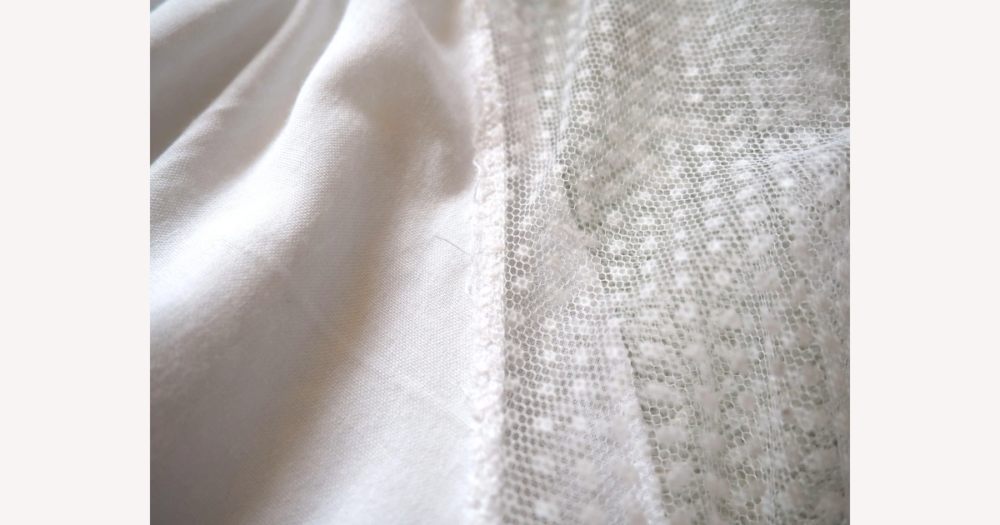
If you want an affordable sheer white blouse on DHgate that still feels decently made, the key is not hunting for a single “perfect” listing but knowing how to read the marketplace itself. This guide shows you how to use DHgate’s fabric specs, photos, reviews and seller signals to judge transparency, comfort and basic construction quality, so you can balance price against risk without turning your search into guesswork.
Use this guide to read DHgate listings, not to find specific blouse picks
This DHgateWiki page is a how-to guide for reading DHgate listings for sheer white blouses, not a curated list of specific products or links to other stores. Instead of pointing you to particular blouses, it shows you how to use DHgate’s listing details, photos, reviews and seller information to judge fabric, construction, style and transparency at affordable prices.
Other fashion marketplaces like Milanoo, Boohoo and Amazon make it clear that shoppers rely on filters, photos and ratings to sort through the huge variety of sheer white blouses. Here, the goal is to translate those general lessons into DHgate-specific checks so you can spot basic quality signals—clean stitching, fabric that isn’t scratchy or flimsy, and a transparency level you’re comfortable styling—without chasing the absolute lowest price or trendiest cut. Following these checks improves your odds and reduces avoidable hassle, but it can’t remove all risk in a marketplace where individual sellers and garments still vary.
Choose a sheer blouse style that fits your occasion and tolerance for sheerness
Before you compare fabrics or prices on DHgate, decide which sheer white blouse style actually fits your occasion and comfort level. Classic button-front shirts and soft office blouses work for work or smart casual outfits, with collars or modest necklines that layer easily over a camisole. Deep V-neck or wrap tops feel dressier and more revealing, so they depend more on how the neckline sits on your body and what you plan to wear underneath. Crop and tie-front styles focus on the waist and midriff, which can be great for going out but make any pulling, uneven seams or flimsy fabric much more noticeable.
Mesh or organza layering tops are usually cut to be worn over a bralette, camisole or slip; their light volume can hide minor imperfections, but very thin fabric will show bra lines and seams clearly. Lace or embroidered romantic blouses often have puff or bell sleeves and more volume, which can be flattering but add lots of seams and trims where low-quality workmanship stands out. If I cared about getting the best possible feel for the price on DHgate, I would lean toward relatively simple, clean designs—straight hems, moderate necklines, and fewer embellishments—because there are fewer places for cheap construction to show. More intricate or sharply tailored designs can look great, but they demand closer inspection of photos and reviews and often justify setting a slightly higher budget.
Understand budget-friendly fabric types and what they feel like
Once you’ve narrowed down your sheer blouse style, pay close attention to the fabric terms in DHgate’s spec fields. Most affordable sheer white blouses are made from synthetics like polyester, nylon, mesh and spandex blends, sometimes mixed with cotton. At budget price points, polyester is usually lightweight, drapey and relatively easy-care, but it can trap heat and build static if the weave is very tight or cheap. Nylon and sheer meshes tend to feel smooth and very light, giving strong transparency; when they’re poorly finished they can feel stiff or scratchy against the skin. Spandex or elastane blends add stretch and a body-hugging fit, which can be flattering but will cling to any base layer underneath. Cotton or cotton-blend voile and lawn are typically softer and more breathable, but they usually cost a bit more and may wrinkle faster.
DHgate listings don’t always describe weave or finish in detail, so the exact feel will still vary, but named fibers are better than vague labels. I’d rather see a composition like “100% polyester” or specific percentages for each fiber than generic wording such as “chiffon fabric” or “polyester blend” with no details. When a blouse only lists a broad term like “chiffon” or just says “fabric” without percentages, I treat that as a yellow flag: I look more carefully at close-up photos for texture and shine and read reviews for comments on softness, breathability and washing before committing.
Use photos to judge real transparency and plan your layering
Fabric terms tell you how a blouse might feel, but photos are your main tool for judging how sheer it will look in real life. “Sheer” is a spectrum, and studio lighting, white backgrounds, filters and editing can all make a blouse appear more or less transparent than it will under normal indoor or outdoor light. A bright light directly behind the model, for example, can make even medium-weight fabric look see-through, while careful posing and layering can hide how much the fabric actually reveals.
On DHgate, I’d look first for images where the model wears darker undergarments, a camisole or another garment underneath, because it’s easier to see show-through. Close-ups of fabric over bare skin or over a contrasting base layer help you judge how clearly seams, bra lines or patterns are visible. Buyer-uploaded photos are especially useful: they’re taken in more ordinary lighting and often show how people actually style the blouse. As a rule, if you can clearly see underlayers, bra outlines, tattoos or heavy seam shadows, assume the blouse will be highly transparent and plan to wear a comfortable camisole or bralette. I’d rather expect the blouse to be at least as sheer as the pictures suggest—if not slightly more—than hope for modest coverage and end up disappointed. When photos are limited or low-resolution, you’ll have a harder time judging transparency, which makes layering plans and careful review-reading even more important.
Balance very low prices with realistic expectations about quality
On DHgate and similar budget fashion marketplaces, the very lowest-priced sheer white blouses usually cut corners: fabric tends to be thinner or rougher, construction is simpler, and listings often have vague specs and only a couple of basic photos. Slightly higher-priced options within the same search results are more likely to use fabric with a bit more weight, show neater stitching and hems, and offer clearer photography and a longer trail of buyer reviews—though price on its own never proves quality.
If I wanted a sheer white blouse for regular wear, I’d rather pay a little more within DHgate for a listing that shows stronger quality signals: specific fabric and sizing details, multiple sharp photos (including close-ups), and substantial, mostly consistent feedback. Chasing the absolute lowest price is more tempting when you only need a one-off, costume-style look and can accept a simple design and potential scratchiness or uneven seams, but for anything you plan to wear often, it’s sensible to move out of the rock-bottom tier and combine price with the later checklist and seller cues before deciding.
Plain vs decorated sheer blouses: which are safer at low prices?
- Plain sheer blouses: Smooth fronts, simple cuffs, and clean collars or necklines keep the design straightforward. With fewer seams, trims and panels, there are fewer places for loose threads, scratchy edges or crooked details to appear, which makes these styles generally safer at very low prices.
- Decorated sheer blouses: Lace panels, heavy embroidery, ruffle tiers, cut-outs and complex button plackets add visual interest but also introduce many extra lines of stitching and fabric edges. At the cheapest price points, that’s where problems show up first—uneven patterns, fraying, stiff or scratchy lace, and embellishments that don’t sit quite right.
- Budget-friendly choice: On a tight DHgate budget, I would usually start with a relatively plain sheer design because it gives you less that can go wrong. I’d only move to highly embellished blouses when the listing offers sharp close-up photos and reviews that specifically praise workmanship, and when I’m willing to step out of the very cheapest tier to reduce the risk of disappointing details.
Follow a DHgate-specific checklist when evaluating a blouse listing
- Read the listing title and key spec fields to confirm it is actually a sheer white blouse, not an opaque shirt or another color, and note the fabric composition and main style details (collar type, sleeve length, any lace or ruffles).
- Open the size chart and compare bust, shoulder and sleeve measurements with a blouse you already own that fits well. Watch for sizing labels that differ from typical AU sizing, and base your choice on measurements rather than size names alone.
- Scroll through all product photos, not just the first image. Look closely at seams, buttons, cuffs, lace edges and hemlines, and check that the white tone and transparency look consistent across different photos rather than changing noticeably from one image to another.
- Read buyer reviews, prioritising comments that mention how sheer the blouse is in everyday light, whether the fabric feels soft or scratchy, whether the colour matches the photos, and how the fit compares with the size chart. Treat vague or repetitive reviews as weaker signals than detailed ones.
- Check seller metrics such as average rating, number of completed orders and overall feedback patterns, and note any information about shipping, returns or dispute handling. If ratings are low, history is sparse or policies are unclear, slow down: consider messaging the seller with questions or choosing a listing that offers stronger, clearer signals instead.
Read DHgate seller ratings and history with realistic expectations
On DHgate, seller metrics are your shortcut to understanding how reliably a shop has delivered past orders. An average rating that sits consistently high, a substantial number of completed transactions, a strong share of positive feedback and signs of responsive communication all suggest a seller who usually sends items that match their listings and resolves questions reasonably.
Those numbers still have limits. Even well-rated sellers can have occasional problems with sizing, colour accuracy or fabric feel, and feedback may not cover every specific blouse style. Newer sellers with very few orders or mixed reviews aren’t automatically bad, but they carry more uncertainty because there is less evidence of how they handle quality and service over time.
When I’m choosing a sheer white blouse that I want to feel decently made, I generally favour sellers with a clear track record: steady positive ratings, visible order history and feedback that mentions clothing quality. I avoid brand-new or obviously poorly rated sellers unless the listing is unusually detailed and I’m consciously willing to accept the extra risk. Treat seller metrics as one part of your judgment and always combine them with the listing checklist you’ve already used for fabric, photos, sizing and reviews.
Recognize red flags that signal higher risk of disappointment
- Size information is missing, extremely short, or confusing – for example, no size chart at all, charts that use unclear or mixed units, or measurements that don’t match the written size labels. Treat this as a sign that fit is harder to predict and you may need to size more cautiously or skip the listing if fit matters a lot.
- There are only one or two photos, the images are very low resolution, or they look obviously reused from another brand or model. When you can’t clearly see seams, buttons, cuffs or how sheer the fabric is, it’s much easier for the blouse to arrive looking cheaper or more transparent than you expected.
- The description is filled with generic phrases like “high quality fabric” or “fashion design” but gives no fabric percentages, care instructions, or specific design details such as collar type, sleeve shape, or closure. Vague copy like this leaves big question marks around comfort, transparency and durability.
- Reviews repeatedly mention surprises such as “more see-through than photos,” “different shade of white,” “runs much smaller/larger than size chart,” or “lots of loose threads and unfinished edges.” These patterns suggest the listing photos or specs don’t match what buyers receive.
- If you notice a single red flag and the price is very low, you might decide to accept that extra uncertainty, especially for a one-off outfit. When several of these warning signs appear together, though, the risks stack up. In that case I would usually walk away and look for a better-documented DHgate listing with clearer photos, specific fabric information and more consistent reviews, even if it costs a little more.
Treat sustainability and safety certifications as a bonus, not a baseline
Certifications such as OEKO-TEX STANDARD 100 or Global Recycled Standard are designed to signal that a fabric has met certain checks—for example, testing for some harmful substances or confirming that a portion of the material comes from recycled sources. When a DHgate listing clearly mentions a specific, plausible certification and the claim looks consistent with the type of garment, it can offer a bit of extra reassurance about what you’re buying.
For affordable sheer white blouses, however, these labels are a bonus rather than something you should expect on every listing. Many budget pieces won’t mention any certification at all, and that absence is usually just an unknown, not evidence of poor quality. I would treat credible certifications as a nice extra when they appear, but I wouldn’t reject a blouse solely because it lacks them; I’d still base most of my decision on concrete cues like fabric specs, close-up photos of stitching and transparency, and the tone and detail of buyer feedback.
Check your order on arrival and know your basic dispute options
- Before placing the order, save or screenshot the listing’s key information on DHgate – photos, fabric specs, size chart, color options and any explicit seller promises about quality, shipping or returns – so you have a clear record of what “as described” means if something goes wrong.
- After you pay, keep an eye on order status and tracking updates so you know roughly when the blouse should arrive and can plan to open the parcel and check it soon instead of leaving it sealed for weeks.
- When the blouse arrives, inspect it straight away in good light: look for stains, tears, loose seams, missing buttons, noticeably different color or transparency than shown, and sizing that clearly doesn’t match the chart; try it on briefly and take clear photos or short clips of any problems as evidence.
- If the blouse is substantially different from the description, use DHgate’s buyer tools to open a dispute or request a refund within the stated time limits, attaching your screenshots and photos; I treat this as normal marketplace due diligence, so I’d avoid delaying, because waiting too long can make it harder to prove the issue or use the platform’s protection options.
Should you test multiple low-cost blouses or focus on one with stronger signals?
Buying several very cheap sheer blouses from different DHgate sellers can spread your bets: you get to compare cuts, fabrics and fits in person, and there’s a fair chance at least one will be wearable. The trade-off is that each piece carries the quality and sizing risks you’ve already seen—thin or scratchy fabric, uneven stitching, inconsistent transparency—and you may end up with extra disputes, return work or unworn items cluttering your wardrobe.
Focusing your budget on one or two mid-priced listings with strong signals – clear fabric and size specs, multiple unfiltered photos, detailed buyer reviews, and a seller with solid ratings and order history – narrows the number of unknowns. You’re still taking a risk, but you’re stacking it in your favour by choosing the blouses that look most likely to match their descriptions and feel decent for the price.
Personally, unless I needed a whole range of looks or felt like experimenting, I’d usually put my money into one or two listings that tick most of those quality boxes instead of scattering it across many rock-bottom options. Your best strategy depends on how tight your budget is, how quickly you need the blouse, and how much uncertainty and dispute admin you’re willing to tolerate; if you hate hassle, a smaller number of stronger bets is usually easier to live with.