
If you want to grow mint hydroponically using parts or kits from DHgate, the most forgiving options are usually simple non-circulating or deep water systems that keep roots consistently wet with few moving parts, while more compact NFT channels and plug-and-play rigs suit buyers who are willing to trade simplicity for space efficiency and closer monitoring. This guide explains how mint’s growth habits interact with each system type and how to interpret specifications, materials and DHgate seller signals so you can choose a design and components with confidence.
How mint’s growth habits influence which hydroponic systems suit it best
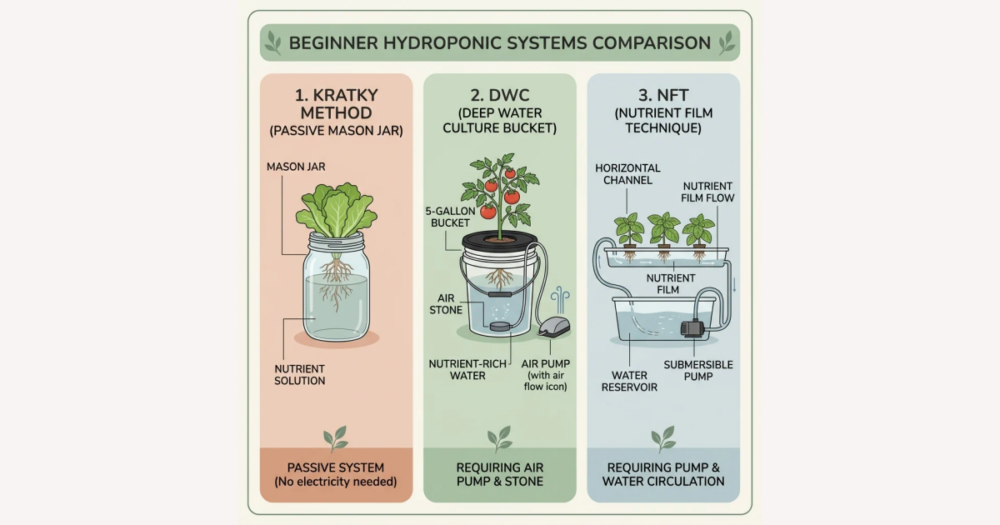
Mint is a vigorous, moisture-loving herb with spreading roots and high water use, which generally makes it very comfortable in straightforward hydroponic setups. On DHgate, that temperament lines up best with simple non-circulating Kratky reservoirs and basic deep water culture (DWC) buckets or tubs: the roots sit in a clear volume of nutrient solution, there are few moving parts to fail, and as long as the container is sized sensibly and kept reasonably opaque, it’s surprisingly hard to let mint dry out by accident.
By contrast, systems built around flowing water and compact layouts—nutrient film technique (NFT) channels and small plug-and-play or countertop kits—can also grow mint very well, especially if you need to save space or want several herbs in one tidy rig. They add variables you have to watch: pumps, narrow channels, small reservoirs and integrated components that all depend on regular checks and light maintenance. I would generally steer a beginner toward a sturdy Kratky or DWC-style rig first, because they’re forgiving when you miss a top-up or inspection, but if you’re comfortable with routine monitoring and a bit of tinkering, choosing NFT channels or a compact kit for a space-efficient, multi-herb layout is a perfectly reasonable path.
How Kratky, DWC, NFT and compact kits each interact with mint
In a Kratky setup, mint grows with its roots suspended in a static nutrient reservoir. As the plants drink, the water level slowly drops and an air gap forms, giving roots both moisture and oxygen without a pump. Mint’s high water use and tolerance for consistently wet roots make this arrangement very natural for it, provided the reservoir has enough volume and the container blocks most light so algae doesn’t take over. The main practical job here is occasional checking and topping up; if the reservoir is generously sized, missing a day or two of attention is rarely catastrophic.
Deep water culture (DWC) tubs and buckets keep mint’s roots fully submerged in aerated solution. An air pump and stones bubble through the reservoir, supplying oxygen while the plant enjoys constant access to water and nutrients. This can support very rapid, lush growth, but now the system depends on those aeration parts: if a pump fails or an airline gets kinked, oxygen drops and the roots can suffer. Day to day, you gain a large, buffered reservoir but take on the responsibility of listening for pump noise, checking bubbles and cleaning the equipment periodically.
Nutrient film technique (NFT) channels move a shallow stream of solution through narrow runs, with mint roots dipping into that thin film. Mint generally does well under this constant, gentle flow, yet its vigorous root system can quickly fill and spread through the channel, sometimes slowing or redirecting the stream if the runs are tight or cleaning lapses. Pump issues or low water levels show up fast, because there isn’t much volume in reserve, so NFT rewards regular inspections and quick responses when something looks off.
Compact plug-and-play or countertop kits are usually small recirculating systems with integrated pumps, sometimes lights, and several plant sites fed from a modest reservoir. Mint can thrive in these tidy rigs but will happily dominate the limited space if you don’t prune and harvest often. The small water volume and hidden plumbing mean that evaporation, nutrient changes and residue build-up have more impact, so you need to monitor levels and cleanliness frequently. In practice, larger, simpler reservoirs like Kratky and DWC buffer missed checks, while NFT channels and compact kits feel more precise and space-efficient but rely on an attentive owner to stay stable.
Comparing Kratky, DWC, NFT and compact kits for mint in everyday use
| Criterion | Kratky | DWC | NFT | Compact kits |
|---|---|---|---|---|
| Required equipment | Passive buckets or bottles; no pumps or air stones, just lids, net pots and a nutrient mix, which suits a single mint plant or a small cluster. | Adds an air pump, tubing and air stones to a reservoir; still simple, but there are a few more parts to set up and occasionally replace. | Needs a nutrient pump, return plumbing and often more fittings and supports; good for many mint plants but clearly more technical. | Integrates pumps (and often lights and timers) in one unit; easy to plug in and run but harder to swap or upgrade individual components. |
| Noise and vibration | Essentially silent aside from the occasional splash when you top up; ideal if you want mint in a bedroom or quiet office. | Air pumps hum and can transmit vibration through the bucket; acceptable for most spaces but noticeable in very quiet rooms. | Circulation pumps add a steady hum, and flowing water may trickle audibly in channels; fine for balconies or utility areas, less discreet indoors. | Pump and fan noise is usually modest but constant; acceptable on a kitchen counter if you tolerate low-level background sound. |
| Cleaning and maintenance effort | Wide openings make it easy to dump, wipe and refill a bucket or jar; algae control mostly means keeping the container opaque and rinsing occasionally. | Large tub or bucket is straightforward to scrub, but you also clean air stones and lines; mint roots can be lifted out in net pots for inspection. | Narrow channels and fittings trap root mats and residue, so disassembly and scrubbing take more time and care; missed cleaning shows up quickly in flow problems. | Compact housings and hidden plumbing can be fiddly to reach; cleaning may involve partial disassembly, which is manageable but more involved than a bare bucket. |
| Scalability for more mint plants | Scaling often means adding more inexpensive buckets or bottles; easy to spread a few mint plants around a home without redesigning the system. | A larger tub or extra buckets on the same air pump can support several mint plants; expanding feels like adding modules rather than rebuilding. | Channels are designed to host many sites in one run; you can extend or add channels, but pump capacity and layout planning start to matter more. | Fixed numbers of pods or cups limit expansion; to grow much more mint, you usually buy another kit rather than extending the existing one. |
| Tolerance for mistakes | Big, static reservoirs give mint a generous buffer if you forget a top-up; water levels drop slowly, so brief neglect rarely hurts a healthy plant. | Oxygen depends on the air pump; if it fails, roots can decline, but the reservoir volume buys some time to notice and fix issues. | Thin flowing films react quickly to low water levels or pump failure; mint can stress fast if the flow stops or channels clog, so regular checks are crucial. | Small reservoirs and enclosed plumbing leave less margin for missed top-ups or dirty filters; mint bounces back well, but the system itself is less forgiving of inattention. |
For most mint growers on DHgate, the comparison favors simple Kratky buckets and basic DWC tubs when you care about minimal gear, low noise and straightforward cleaning. A passive Kratky reservoir stays quiet and easy to reset, and a DWC tub adds only an air pump and stones while still giving mint a large, forgiving volume of water and nutrients.
NFT channels and compact kits trade that simplicity for space efficiency and neat integration. They pack many mint and herb sites into small footprints, which can be attractive on balconies or crowded counters, but their pumps, narrower pathways and smaller reservoirs mean problems like clogs or low water levels show up faster. If you value robustness and quiet operation, leaning toward Kratky or DWC fits mint’s easygoing nature. If strict space constraints or the appeal of a tidy, all-in-one rig matter more, accepting the extra monitoring that comes with NFT or compact kits can be worthwhile, as long as you are ready to check flows, water levels and cleanliness regularly.
Key hydroponic specs and materials that matter for mint
Once you have a sense of which system style suits your mint, the next step on DHgate is reading specifications and material details carefully. Reservoir volume per plant is a good starting point: a modest home bucket or tub that offers several liters of nutrient solution for each mint plant will change more slowly as the herb drinks, buffering swings in concentration and water level. Very small reservoirs or tiny countertop tanks deplete and concentrate more quickly, so they ask for closer attention to topping up and diluting.
Net pot diameter and depth also matter because mint pushes out a spreading root mat. Moderately roomy, deeper sites make it easier for roots to fill in without becoming an awkward tight plug, and they let you lift or inspect plants without tearing the root ball. By contrast, very small or shallow openings can leave mint cramped, tangle roots in narrow collars and turn simple tasks like cleaning or replanting into a struggle.
Material information is another useful clue. Listings that name common, stable plastics such as polypropylene (PP) or high-density polyethylene (HDPE) and indicate suitability for repeated water or food contact are generally preferable to vague descriptions or very thin, brittle plastics. These materials are widely used for reservoirs and containers because they hold up under nutrient solution without obvious degradation, which is helpful when your mint is constantly drinking from the same tub.
Light-blocking properties are critical for keeping maintenance manageable. Opaque or well-covered reservoirs and channels limit how much light reaches the nutrient solution, making algae less likely to bloom and coat your system. When you see clear plastics or lids with large gaps, expect more green growth and more scrubbing; darker containers, tight lids and simple covers usually keep the solution cleaner and let you focus on pruning mint rather than scraping residue.
Pump and tubing specs come into play if you choose DWC, NFT or compact recirculating setups. Basic figures like flow rate and head height tell you whether a pump can circulate or aerate the size of reservoir you have in mind without straining. For mint, you rarely need extreme power; you need a pump that can reliably move enough water through your bucket or channel and push it up to the required height. Matching tubing size to the pump’s outlets and looking for clear notes on compatible diameters reduce the chance of leaks or awkward fittings.
Many DHgate listings will only partially document these details, so it is reasonable to treat clear, consistent specs and material labels as positive signals rather than guarantees. When a reservoir volume, net pot size, plastic type and pump rating are all described in a way that fits your mint plan, that listing is easier to judge and compare. When information is vague or missing, you can still proceed, but it is wise to recognize that you are accepting more uncertainty about how well the components will support your mint over repeated cycles.
Design and material risks to watch for in mint-friendly systems
- Avoid very thin, flexible plastics for reservoirs, lids or channels. Constant contact with nutrient solution and occasional handling can make flimsy plastic warp, crack or leak, which destabilizes the system and makes it harder to keep water levels steady around your mint.
- Treat clear or highly translucent containers as a maintenance risk. When a reservoir or channel admits a lot of light, algae and biofilm are more likely to grow on surfaces and in the solution, so you’ll spend more time scrubbing and may see mint roots coated in green slime rather than clean, white growth.
- Be cautious with undersized net pots or very narrow channels. Mint’s spreading root mat can quickly fill a tight opening, pinching roots, making plants easy to tip over and making it awkward to lift, prune or reposition them without damage; cramped layouts also dry out faster when roots spill over the edges.
- Treat pumps and power components with vague, inconsistent or missing specs as a red flag. If you cannot see clear information on flow rate, voltage, plug type or basic safety markings, you have less certainty about whether the pump can support your reservoir and whether it is appropriate for long, repeated use around water.
- Use these traits as caution indicators rather than automatic dealbreakers. A single weakness, such as a clear reservoir, may be manageable with simple modifications like adding an opaque wrap or lid, but when you see several issues at once—flimsy plastic, small net pots and unclear pump specs—it’s wise to reconsider the design or ask the DHgate seller for clearer information before committing.
A simple path to choosing your mint hydroponic system type
- Clarify your mint goals and plant count. Decide whether you mainly want occasional sprigs for tea or cooking from one to a few plants, or a larger, steady harvest from many plants; bigger ambitions usually call for larger, more structured systems.
- Decide where the system will live and what environment you can accept. A kitchen counter or windowsill often favors quieter, cleaner setups with minimal splashing and visual bulk, while a balcony or dedicated corner can accommodate larger reservoirs, more visible plumbing and pump noise.
- Be honest about how much maintenance and tinkering you can handle. If you prefer occasional topping up and cleaning, you need a simple, forgiving system; if you’re comfortable with frequent checks, adjustments and troubleshooting, you can consider more complex rigs with flowing channels and multiple components.
- For one to a few plants, low noise tolerance and minimal tinkering, lean toward Kratky buckets or a small, simple DWC. These give mint plenty of water in a single reservoir and keep moving parts to a minimum so you mostly watch levels and prune.
- For several plants with moderate maintenance tolerance and some floor or shelf space, choose basic DWC tubs or multi-bucket arrangements. They scale up mint production while still relying on straightforward reservoirs and pumps you can reach and clean.
- If space is tight but you can commit to closer oversight, consider NFT channels or slim compact kits. Their narrow, flowing channels and smaller reservoirs fit more plants into a small footprint, but they demand regular attention to pump operation and water levels to keep mint from drying out or clogging the system.
- If you prioritize neat all-in-one units and want to mix mint with other herbs, compact plug-and-play kits can work well. Just carry forward the earlier caveats: smaller tanks and integrated plumbing mean you’ll need to monitor nutrients and water more often and accept some dependence on built-in pumps and controls.
Reading DHgate listings for quality: photos, specs and reviews
On DHgate, you’re relying on the listing to stand in for handling a hydroponic part in person, so start with the photos. Multiple clear images from different angles that show the actual reservoirs, lids, net pots, pumps and power cords are more reassuring than a single glossy catalog picture. Look for close-ups where you can see seams, thickness of plastic and how parts fit together; if every image looks like a generic rendering and never shows real details, treat that as a warning to slow down and cross-check the rest of the listing carefully.
Read the specifications as if you were checking a basic blueprint. Solid listings usually give concrete dimensions, volumes, material labels (such as PP or PVC), pump wattage or flow rate and sometimes suggested plant counts, and those numbers line up logically with what you know about mint systems. Be cautious when specs are missing altogether, obviously copied across unrelated products, or internally contradictory—for example, a very small tank volume claimed to support a large number of plants without explanation—because that makes it harder to predict how the component will behave day to day.
Buyer reviews help most when you look for patterns instead of reacting to a single dramatic comment. Several people independently mentioning thin, bendy plastic, persistent leaks or pumps that failed quickly is more informative than one outlier review, just as repeated notes about sturdy construction and parts matching the photos carry more weight than one vague five-star rating. Skim how recent the reviews are, and remember that even good listings can have occasional problems, so weigh the overall trend rather than letting one extreme story make the decision for you.
Seller communication is another signal of how transparent a listing is. If you message a seller with specific questions about material type, reservoir size, plug style or whether a pump is included and receive a timely, concrete reply, that responsiveness counts in the listing’s favor. Slow, evasive or copy-pasted answers—especially when you ask about safety-relevant details like voltage or plastic type—are a cue to be cautious or move on to another option where the basic information is clearer.
All of these clues work best together, not in isolation. Even a listing with good photos, coherent specs, decent review patterns and responsive communication cannot guarantee flawless performance or perfect safety, especially for inexpensive hydroponic parts. Treat them as ways to tilt the odds in your favor, keep your expectations realistic and, if you’re new to both DHgate and hydroponics, consider starting with a smaller, lower-stakes purchase so you can learn how mint behaves and how well a given seller meets their description before committing to a larger setup.
DHgate buyer checklist for hydroponic mint components
- Check seller reputation. Look at the overall rating, how many orders they have completed and how recently they have been active; long gaps with very few transactions or consistently low scores suggest higher risk than sellers with steady, recent activity and broadly positive feedback.
- Review listing details before adding anything to your cart. Make sure key specifications—such as reservoir volume, channel or bucket dimensions, net pot sizes, plastic materials and pump ratings—are present, plausible and in line with what you want for mint, and send the seller a message if important details are unclear or missing.
- Verify the order summary carefully at checkout. Confirm that quantities, chosen variants, colors and especially plug or voltage options match what you need for your region so you do not receive a configuration that is hard to use or adapt safely.
- Use DHgate’s official payment methods rather than paying a seller directly off-platform. Keeping the transaction within DHgate’s system helps preserve access to the platform’s protections if something goes wrong with your hydroponic components.
- Check estimated shipping times and packaging expectations. International shipping for bulky items like reservoirs or pumps can take time, so read the quoted delivery window and scan reviews for comments about packaging quality or damaged parts to set realistic expectations before you order.
- If your order arrives damaged, incomplete or noticeably different from the listing, document the problem quickly. Take clear photos of the components, packaging and any defects, keep relevant messages and then open a dispute or refund request through DHgate’s channels instead of trying to resolve everything through private chat alone.
Practical questions about hydroponic mint systems and upgrades
Can mint share a hydroponic system with other herbs?
Yes, mint can share a hydroponic system with many other herbs, but its vigorous growth often lets it overshadow slower plants. To keep the balance, give mint its own sites rather than mixing it into the same net pots, prune it more aggressively than other herbs, and be ready to dedicate a separate bucket or channel to mint if it starts crowding or shading everything else.
How do I keep mint manageable in a small hydroponic system?
In compact buckets, channels or plug-and-play kits, the main tools are frequent harvesting and periodic pruning. Snip stems regularly for use so the plant does not form a dense, top-heavy canopy, and occasionally trim back the root mass if it begins to clog net pots or channels. Exact pruning frequency depends on light, temperature and system size, so watch how fast your mint regrows and adjust your trimming to keep plants within the reservoir’s capacity.
Is it reasonable to start with a simple DIY bucket or bottle system before buying more specialized gear on DHgate?
Starting with a simple DIY Kratky-style bucket or bottle is a sensible way to learn basic hydroponic habits with mint before investing in more elaborate components or kits from DHgate. A sturdy, opaque container, net pot and nutrient solution let you see how mint uses water and fills the root space with very few parts to manage. Once you are comfortable keeping levels stable and pruning the plant, you can move up to DWC, NFT or compact kits knowing which features and specifications matter most for you.