
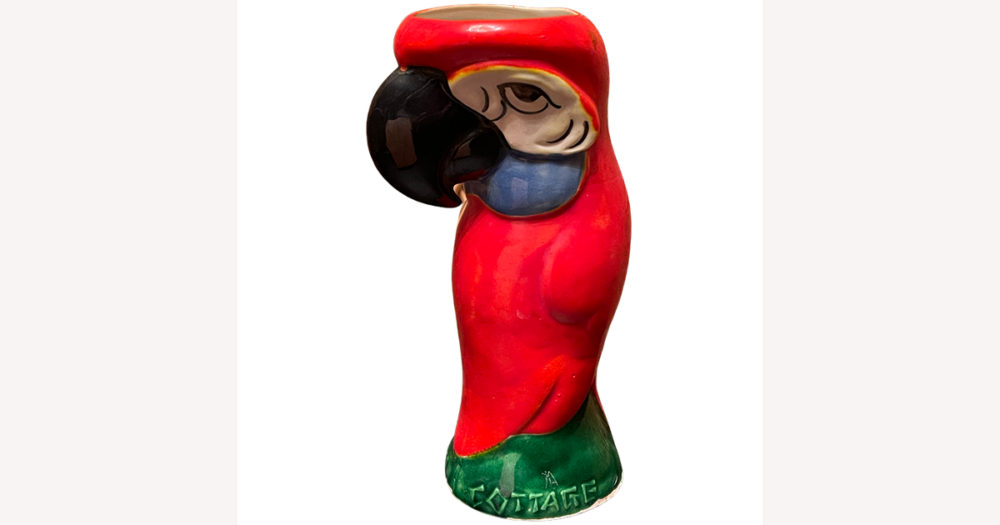
If you’re browsing for a standout parrot tiki mug, DHgate can be a good place to look—as long as you treat uniqueness and quality as a checklist, not a gamble. The key is to judge each listing on what it actually shows: how distinctive the parrot sculpt and artwork feel, whether the capacity and dimensions match how you plan to use the mug, how clearly the material and finish are described, and how trustworthy the seller’s ratings and policies look. This guide walks through that evidence so you can confidently shortlist options without needing live product recommendations.
Is DHgate a good place to search for unique parrot tiki mugs?
DHgate is a reasonable place to look for a unique parrot tiki mug. The marketplace regularly hosts a wide mix of novelty and themed drinkware, and that can include parrot-shaped or parrot-decorated tiki-style mugs. Because DHgate’s inventory changes and this guide isn’t checking live listings, you’ll be working from whatever is available when you search rather than a fixed set of recommended products.
Treat “unique” as a spectrum instead of a strict standard. Some parrot tiki mugs are mass-produced pieces with a simple parrot outline or repeating bird pattern; others have more sculptural detail, expressive poses, layered color palettes, or hand-finished artwork that makes the parrot feel like a character rather than a generic motif. On DHgate you can expect both ends of that spectrum, so your job is to compare designs and listing details rather than hunt for one definitive source.
Personally, I care most about originality in the sculpt and artwork. I’d happily trade some brand-name prestige or ultra-heavy durability if the mug’s parrot character looks distinctive and the capacity is clearly usable for the kind of drinks I serve. At the same time, if a listing is vague about materials or safety, the mug looks fragile or poorly finished in photos, or the seller’s ratings and policies feel unreliable, I would skip it even if the design looks amazing. On DHgate, you control your risk by focusing on the evidence in each listing—photos, specs, and seller information—rather than assuming every striking design will be a good buy.
Quick checklist for shortlisting parrot tiki mugs on DHgate
- Design uniqueness: Look for a clearly sculpted parrot form (not just a printed bird), an interesting pose or expression, and a color palette or artwork that feels more original than a generic tropical or tiki pattern.
- Overall look vs. your taste: Ask whether the mug’s parrot character matches the vibe you want—playful, bold, or more subtle—and whether it would stand out in your home bar or collection instead of blending into other bird-themed pieces.
- Capacity and dimensions: Check the stated volume and basic height/width so you know if it’s sized for full cocktails, shared drinks, or mainly display. Avoid listings that omit capacity or give only vague size wording.
- Comfort and proportions: Use photos to judge how the mug might feel in hand—rim thickness, handle shape (if any), and weighty base vs. top-heavy form—and skip designs that look awkward or unstable for regular use.
- Material clarity: Confirm that the material is clearly stated (often ceramic) rather than left ambiguous, and be cautious if there’s no mention of what the mug is made from.
- Glaze and finish: Look for basic description of the glaze or finish and photos that show even color and clean detailing; treat obviously rough, blotchy, or fuzzy-looking finishes as a warning sign.
- Care guidance: Note any dishwasher-safe or hand-wash-only mentions. When care instructions are missing, assume you’ll need to treat the mug gently and avoid heat extremes, and weigh that against how often you plan to use it.
- Photo quality: Prefer listings with multiple, clear images from different angles (including interior shots). Sparse, low-resolution, or heavily filtered photos should count against the mug, even if the design concept is appealing.
- Seller ratings and reviews: Check DHgate’s seller score, review count, and review details for this or similar items. Favor sellers with consistent positive feedback and avoid offers backed by little or no buyer commentary.
- Order history and policies: Use order counts, stated shipping times, and refund or dispute information as a final filter. If specs are vague, photos are limited, or seller and policy signals feel weak or confusing, treat that listing as a fail—even when the parrot design looks tempting.
Key specs to check: size, capacity, and materials
Parrot tiki mugs typically follow the same broad patterns as other tiki drinkware: many are ceramic with a glossy glaze, often sized for one larger cocktail rather than a small espresso-style portion. A lot of mugs fall around what you’d expect for a generous mixed drink—often in the ballpark of one to two standard drinks of liquid once you account for ice and garnish—so you’re usually dealing with something more substantial than a regular coffee mug. Heights are typically medium to tall, and the walls are often thick, which makes the mug feel solid in the hand.
That extra height and thickness has practical consequences. A taller, narrower mug can handle plenty of ice, juice, and crushed fruit without sloshing, but it may be awkward if your shelves or bar cart have low clearance. A wider body feels inviting and stable on a table, yet it can hog more space in storage. I prefer a mug with enough capacity for a full cocktail plus ice and garnish, but still compact enough to fit comfortably on a standard shelf or in a cabinet without brushing the top.
Weight and wall thickness also change how the mug feels to use. Heavier, thicker ceramic often feels sturdier and can shrug off minor bumps, but it may be tiring to hold for long or to carry when it’s full and wet. Lighter, thinner mugs are easier to lift and can look more delicate, yet they may chip more easily if knocked against other glassware. Pay attention to any listed weight or material notes, and use photos to gauge how chunky the mug seems relative to a hand or table surface.
Because DHgate listings can vary, treat the capacity, height, and width fields as core information. These specs tell you how much drink the mug can realistically hold, how much ice and garnish you can fit, and whether it will tuck into your existing storage without scraping shelves. If capacity is missing, only described vaguely, or the material is not clearly stated as ceramic or another familiar medium, I treat that as a caution flag: an attractive parrot sculpt is not enough to compensate for unclear basic specs.
What makes a parrot tiki mug feel truly unique?
Many parrot tiki mugs share familiar ingredients—bright tropical colors, bird silhouettes, leafy motifs—but the truly memorable ones push the sculpt and artwork further. Uniqueness often shows up in a dynamic pose, like a parrot leaning forward over the rim, perched on a branch, or twisting mid-flight, rather than just a straight cylinder with a printed bird. Textured feathers, layered wings, and a beak that feels integrated into the form of the mug all help the design feel like a small sculpture instead of a generic vessel.
Surface detail and finishing make a big difference. Look closely at listing photos for hand-painted or varied detailing: feather lines that follow the shape of the bird, eyes with a clear expression, and color transitions that feel intentional rather than muddy. Unusual palettes—deep jungle greens with pops of coral, muted pastels, or unexpected combinations—can set a mug apart from the typical red-and-yellow parrot with basic green leaves. I gravitate toward pieces where the parrot’s face and posture suggest personality, even if there are minor glaze variations or tiny paint overlaps; those quirks can read as character rather than flaws.
At the same time, there’s a difference between character and sloppiness. If the photos show fuzzy edges, off-center eyes, or feather details that blur together, the design may look generic or rushed once it’s on your shelf. Use zoomed-in images or close-ups, when available, to judge craftsmanship: clean lines around the beak and eyes, consistent glazing around high-relief areas, and an interior that doesn’t look rough or unfinished all signal more care in production.
DHgate listings may use phrases like “limited edition,” “handmade,” or “artist-designed” to hint at uniqueness, but those claims are hard to verify from a marketplace page alone. Treat them as a possible bonus, not proof. Instead, prioritize what you can see and read: multiple clear photos from different angles, any mention of how the mug was created or decorated, and honest notes about small variations between pieces. If a title shouts about uniqueness but the design looks like a generic tropical bird pattern you’ve seen many times, trust your own impression over the marketing language and keep looking for a parrot that feels genuinely distinctive to you.
Mass-produced vs. artisanal parrot tiki mugs
Parrot tiki mugs are often made in two broad ways: large factory runs and smaller, artisan-led batches. Mass-produced mugs usually come from standardized molds, so their dimensions, sculpt details, and glazes tend to be more consistent across pieces. Colors are often repeated from one mug to the next, and it’s easier to build matching sets or replace a broken mug later. These pieces typically sit in a lower or mid-range price band and feel predictable if you want several similar parrots for a home bar or party setup.
Artisanal or small-batch parrot tiki mugs lean more into individuality. You’ll often see slight variations in the sculpt, glaze thickness, and color placement, along with more intricate feather textures or expressive faces that give each mug its own character. Runs are usually smaller, so once a style sells out it may not return exactly the same way, and matching future pieces perfectly can be difficult. That uniqueness is part of the appeal if you want a parrot that feels like a miniature piece of art rather than a mass-market novelty.
On DHgate it can be hard to confirm how any specific mug was produced, so treat these as general tendencies rather than facts about a given listing. Judge what you can see and read: photos that show consistent shapes and identical color layouts hint at mass production, while descriptions that mention hand-finishing or variation between pieces suggest a more small-batch approach. Pricing patterns, the number of available units, and how the seller talks about the item can also give you clues, but they’re not proof.
I’d personally lean toward designs with distinctive sculpting and artwork even if there are minor variations or imperfections, as long as the listing is clear about materials and doesn’t raise durability red flags. If capacity, material, or care instructions feel vague, I’d hesitate, no matter how charming the parrot looks. Decide whether you care more about consistent, easily replaceable sets or about individual artistic expression, then apply that preference as you browse DHgate: shortlist mugs whose production style and level of detail match your priorities, and skip offers that don’t clearly support the way you plan to use and enjoy them.
How to evaluate parrot tiki mug listings on DHgate
- Scan every photo first. Look at the overall sculpt, how clearly the parrot shape reads from different angles, and whether close-ups show crisp feather, beak, and eye details. Pay attention to color choices and artwork quality so you can quickly tell whether the mug’s character fits your taste.
- Read the title and description closely. Look for clear wording about intended use—cocktail mug, decor, or both—and check for stated capacity, dimensions, and material (often ceramic). Note any care guidance such as “hand-wash only,” “dishwasher-safe,” or hints that the mug is ornamental rather than meant for regular drink service.
- Compare the listed capacity and size to typical tiki mug patterns you’re comfortable with. If you prefer a generous cocktail, avoid listings that seem tiny for their stated use or that give no real sense of volume. If you plan to use the mug mainly as decor, confirm that the height and footprint will sit well where you intend to display it.
- Look for information on finish and build quality. Phrases describing the glaze, texture, or surface smoothness, plus any notes about fragility, will help you judge how the mug might feel in hand and how it could hold up over time. Check whether the offer covers a single mug or a set, and whether photos and text show all included pieces clearly.
- Finally, review seller and policy signals. Scan ratings, review comments, order counts, and basic information about shipping time frames, refunds, and dispute handling. If the photos look great but specs are missing, materials are vague, or seller feedback and policies feel weak or inconsistent, treat that as a reason to move on to a more transparent DHgate listing.
Marketplace risks to watch for on DHgate
- Treat limited, low-quality, or heavily edited photos as a warning sign. If you can’t see the parrot tiki mug clearly from multiple angles, or close-ups don’t show the sculpt, glaze, and rim, you’re taking a bigger risk on how it will look and feel in person.
- Be cautious when capacity, size, or material details are missing or extremely vague. Listings that skip basic specs like height, volume, or wall thickness, or that use generic wording such as “material: mug” without mentioning ceramic or another clear material, make it hard to judge comfort, durability, or basic safety.
- Watch for descriptions that never clarify whether the mug is meant for drink service or decor. If the text only talks about “ornament” or “home decoration” and says nothing about holding liquids, or if the intended use is unclear, assume it may not be designed for regular cocktail service.
- Treat extremely low prices that sit far below what you’d expect for ceramic drinkware as a potential red flag. Deep discounts can sometimes be fine, but they can also signal thinner materials, rough finishing, or inconsistent quality control.
- Avoid offers from sellers with few or no ratings, very minimal buyer feedback, or noticeably poor reviews and little order history. Sparse or negative signals suggest more risk that the mug won’t match its description or that problems will be harder to resolve.
- Be skeptical of shipping and refund promises that sound too good to be true or are described unclearly. Very fast shipping with no detail, vague refund language, or confusing dispute information can make it harder to rely on protections if something goes wrong.
- If a listing combines great-looking design with unclear materials, missing specs, and weak seller signals, treat it as high risk. I would personally skip any parrot tiki mug where I can’t tell what it’s made of or how reliable the seller is, even if the sculpt looks fantastic, and I’d encourage you to take a similarly cautious approach unless you’re comfortable with more uncertainty.
- Remember that this guide can’t verify any individual DHgate seller. Use DHgate’s own tools—such as ratings, reviews, and stated policies—to judge risk, and move on to a more transparent listing whenever those signals feel thin or inconsistent.
Judging DHgate sellers and offers for trustworthiness
DHgate usually shows several trust signals for each seller: an overall rating score, the total number of reviews, written buyer comments, and some indication of how many orders or transactions the seller has completed. Listings also commonly include brief summaries of shipping time frames and basic refund or dispute policies.
In general, higher rating scores paired with many reviews and repeat orders suggest a more reliable offer. Detailed buyer comments that mention the mug’s quality, size, colors, and how closely it matches the photos are more useful than short, generic praise. Clear, realistic shipping estimates and straightforward refund terms also make it easier to trust that you’ll either receive the mug as described or have a path to resolve problems.
Sparse or generic reviews, very low order counts, and vague or incomplete policy information should count against a listing, especially if you prefer to minimize risk. Even if the photos look appealing, a lack of meaningful feedback or unclear terms increases the chance of disappointment or hassle if the mug arrives damaged or doesn’t match its description.
I would personally favor DHgate sellers with stronger rating histories, plenty of documented orders, and transparent shipping and refund policies, and avoid those who show striking designs but offer little evidence of reliability. This guidance is meant to help you interpret the information DHgate provides; it does not evaluate or endorse any specific seller. Use these signals to choose offers that match your own comfort level with risk.
FAQ: Are DHgate parrot tiki mugs for drinks or decor?
Are DHgate parrot tiki mugs mainly for drinking or for decor, and how can I tell which use a listing is meant for?
On DHgate, parrot tiki mugs can be designed for serving cocktails, for decorative or collectible display, or for both. The platform doesn’t enforce a strict distinction, so you have to read each listing closely.
Treat clear drinkware-style specs as a sign the mug is meant for practical use: stated capacity and dimensions, material details such as glazed ceramic, and any mention of how it handles cold or hot drinks. Functional mugs are more likely to list volume (for example, enough for a full cocktail), basic height/width, and comfort-related notes.
Check the care instructions as well. Phrases like “dishwasher-safe” or “hand-wash only” suggest the mug is expected to hold liquids regularly. When care guidance is missing, assume you’ll need to treat the mug gently and avoid extremes of heat and cold, and weigh that against how often you plan to use it.
Description language is another clue. References to cocktails, bars, tiki drinks, or recipes point toward drink service. Wording that focuses only on “ornament,” “home decoration,” or “collectible” with no mention of beverages suggests a decor-first piece.
If material and capacity are unclear, there are no care instructions, or the intended use is never stated, it’s safer to treat the mug as decor-only or skip that listing if you want a reliable drink vessel. This guide can’t test any individual mug or guarantee safety for hot or cold drinks, so rely on the evidence in the listing, follow any seller-provided care guidance, and use your own judgment about how you’ll actually use the piece.