
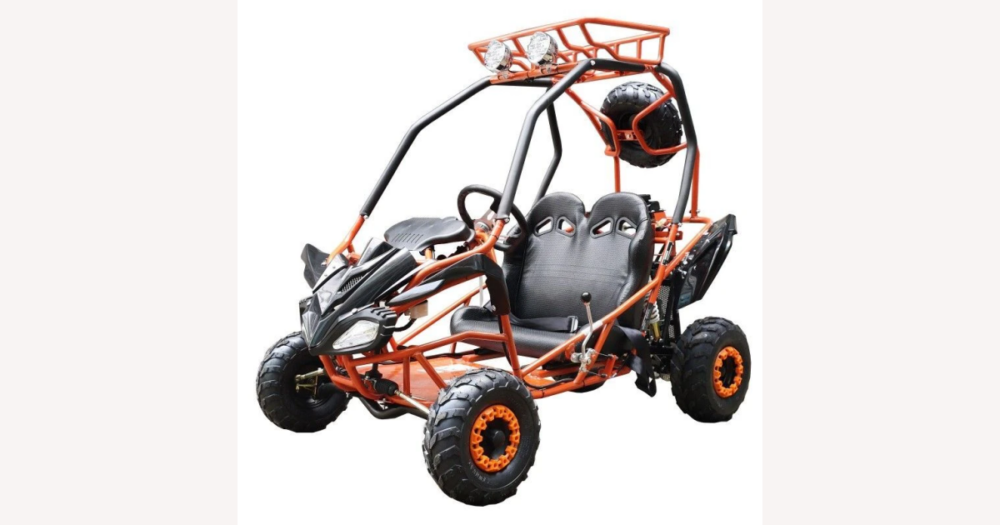
If you’re trying to fix or upgrade a Dongfang go kart and hoping someone will name the one “best store” online, DHgate works differently: it’s a broad marketplace where you get good results by knowing your exact kart model and part type, then using specs, materials, compatibility details, and seller history to narrow the listings yourself. This guide shows you how to turn that approach into a practical checklist for finding Dongfang‑compatible parts on DHgate without relying on fragile store rankings or outdated recommendations.
Shift from “best store” to a DHgate buying strategy
On DHgate you’re not going to find a single, permanently “best” store for Dongfang go kart parts, and this guide won’t try to rank sellers by name. Listings, sellers, and stock change too quickly, and there isn’t reliable public evidence to crown one shop as the universal answer. Instead, the safest way to use DHgate is to treat it as a large parts marketplace and build a repeatable buying strategy.
The first step in that strategy is knowing your own kart: identify your exact Dongfang model and what kind of part you need—engine, drivetrain, brakes, steering, frame hardware, or electrical. Then search DHgate using that model and part category and compare several listings side by side rather than trusting the first result or the lowest price.
When I’m looking at Dongfang-compatible parts, I focus on hard information: dimensions and mounting details, engine or system ratings, material descriptions, compatibility notes, and clear photos of the actual part. I also pay attention to seller history—ratings, feedback volume, and how long they’ve been active—and I read their policies on shipping, returns, and disputes. That kind of detail tells you far more than a generic list of “top stores.”
For anything bolted to the kart or affecting safety—brakes, steering components, structural brackets—I would rather pay a bit more or wait longer for a listing that shows precise fitment information, real photos, and a track record of delivering parts as described. I’d only consider a thinly documented, generic part if budget or speed were my overriding priorities and the component was non‑critical, like a cosmetic panel or a simple accessory.
The rest of this guide walks through that strategy step by step: understanding your Dongfang model and major assemblies, reading DHgate specifications, judging materials, handling generic compatibility claims, preparing measurements and photos, vetting sellers and listings, spotting red flags, weighing OEM‑like versus generic parts, and dealing with common edge cases in an FAQ so you can shop Dongfang parts on DHgate with more confidence.
Understand your Dongfang model and parts categories
Most Dongfang recreational go karts follow a familiar small‑powersports layout. They use a compact gasoline engine or similar power unit, a drivetrain that transfers power to the rear axle (often via a chain and sprockets or a CVT setup), braking hardware such as disc or drum brakes, a steering linkage that connects the wheel to the front hubs, a welded chassis and frame with brackets and body panels, and basic electrical systems for ignition, lighting, and simple instruments.
Typical parts within these assemblies include items like a stator or magneto in the ignition system, drive chains and sprockets in the drivetrain, calipers and brake pads or shoes in the braking system, tie rods and steering arms up front, and switches, bulbs, and wiring in the electrical harness. You’ll often see DHgate listings describe these pieces in generic small‑engine or ATV language because many Dongfang models share components and patterns with other scooters, mini bikes, and off‑road vehicles.
To use DHgate effectively, start by mapping your repair symptom to a system: a kart that won’t start usually points you toward engine and ignition parts; weak or spongy braking puts you in the brake system; grinding or skipping when you accelerate suggests drivetrain components like chains, sprockets, or clutches; rattling panels or broken brackets live in the frame and body hardware category; dead lights or intermittent power belong to the electrical system.
Once you can name the assembly you’re dealing with—“ignition stator,” “rear drive sprocket,” “front brake caliper,” “steering tie rod,” or “headlight wiring”—you have a much clearer vocabulary for DHgate searches and for reading how sellers describe their parts. That system‑level description is the foundation you’ll build on in later sections when you start comparing detailed specifications to your existing Dongfang components.
Read DHgate specifications for fit and function
- Locate the existing part on your Dongfang kart and study how it sits in the system: where it bolts on, which other components it touches, and how it moves or carries load during use.
- Measure key physical dimensions on the old part with a ruler or calipers: overall length and width, thickness, shaft or bore diameters, and center‑to‑center spacing for bolt holes or mounting slots.
- Record mounting details such as how many bolt holes there are, their pattern, shaft sizes, thread types, keyways, splines, and any bracket shapes, so you can compare them directly with listing photos or diagrams.
- For engine‑related parts, note the engine displacement (for example 125cc or 200cc), any markings that hint at the engine family, and relevant operating ratings like RPM ranges or fuel type from the part, manual, or engine tag.
- For electrical components, write down the rated voltage (often 12V on small karts), connector style, pin or wire count, wire colors, and any polarity or +/‑ markings, then match these carefully against the listing’s photos and description.
- On each DHgate listing, look for specific specs: measured dimensions, mounting details, engine or system ratings, and a clear statement of model or compatibility range. Treat vague claims or missing measurements as a sign to either ask the seller for clarification or move on.
- Prioritize listings that provide detailed specifications, fitment notes, and real, close‑up photos, even if the price is a bit higher—especially for brakes, steering, and other safety‑critical parts. I only accept looser or partial specs for low‑risk accessories where a misfit is more of an annoyance than a hazard.
- Use consistent, well‑documented specs as your main filter for fit and function. When the numbers don’t line up or the information is incomplete, assume the part may not be suitable and be willing to walk away from that listing.
Judge material quality for key Dongfang parts
Once you’re confident a part will fit, the next filter is what it’s made from. Structural and load‑bearing pieces on a Dongfang kart—frames, brackets, steering arms, pedal mounts—are commonly built from steel or aluminum alloys. Steel is usually tougher and more forgiving of rough use and occasional impacts, but it’s heavier; aluminum can save weight and feel more responsive, yet if the alloy or design is poor it may bend or crack more easily. Listings that name a specific steel or aluminum type and show a clear finish give you a better sense of how the part might behave than ones that just say “metal” or “alloy.”
Rotating drivetrain parts like sprockets, hubs, and some clutch components are often made from hardened steels with particular surface treatments. Harder materials and good finishes generally resist wear, tooth rounding, and random damage for longer, which matters for chain life and smooth power delivery. You won’t be able to judge heat‑treatment scientifically from a DHgate listing, but seeing mentions of hardened steel, tempered teeth, or comparable language—backed by decent close‑up photos—is more reassuring than a bare description with no material detail.
Wear items such as tires, belts, bushings, and some suspension pieces depend heavily on rubber or synthetic compounds. Softer compounds usually give more grip and a smoother feel but wear faster; harder compounds tend to last longer and may run noisier or offer less traction. Most DHgate listings won’t spell out exact formulas, so focus on any notes about intended use (off‑road, pavement, general purpose) and treat very bold grip or lifespan promises without supporting specifics as marketing rather than guaranteed performance.
For housings and covers—chain guards, electrical boxes, light housings—materials tend to be plastic or metal. Plastics can be fine for cosmetic parts and light protection, but cheap plastics may crack under impact or heat. Metal housings typically handle heat and knocks better but add weight and can corrode if the finish is poor. When a cover is near hot engine components or likely to be struck by debris, I would rather choose a listing that clearly identifies a heat‑tolerant plastic or a reasonably finished metal than the cheapest unknown material option.
In all of these cases, treat phrases like “super strong,” “ultra durable,” or “high performance” with skepticism if they aren’t backed by specific material names, finish descriptions, or good photos. For anything that affects steering, braking, or structural integrity, I avoid the very cheapest listings that hide material details and instead favor sellers who say exactly what they’re using. Materials are only clues rather than guarantees—manufacturing quality matters just as much—but paying attention to what a part is made from helps you compare similar‑looking options on DHgate with a little more confidence.
Handle generic and cross-brand compatibility claims
Prepare your kart and information before shopping
- Write down your kart’s brand, full model name or number, and any year or version information from frame tags, engine plates, or the owner’s manual.
- Inspect the part you plan to replace or upgrade, noting what it does, where it sits in the system, and which nearby components it touches or moves with.
- Take clear photos of the part off the kart if possible, plus close‑ups of mounting points, bolt holes, bushings, splines, or connectors, and at least one photo showing how it mounts on the frame or engine.
- Measure key dimensions with a tape measure or calipers: overall length and width where relevant, thickness, shaft or bore diameters, and center‑to‑center spacing of any bolt holes or studs.
- Record any printed part numbers, casting or stamping marks, stickers, and brand logos on the part itself or its original packaging, even if partially worn.
- Decide whether the component is safety‑critical or core to drivetrain reliability—such as brakes, steering linkages, hubs, axles, frame brackets, and major clutch or sprocket pieces—or mainly cosmetic/comfort‑related like body panels, seat cushions, or trim.
- Based on that decision, set your tolerance for experimentation: for safety‑critical and drivetrain parts, prefer OEM‑like or clearly Dongfang‑specific replacements with strong documentation; for non‑critical items, you might consider well‑described generic parts if they offer meaningful savings.
- Keep all of this information—notes, measurements, and photos—together so that when you open DHgate you can quickly compare listing specs to your own data and send accurate questions to sellers if anything is unclear.
Vet DHgate sellers, listings, and policies
- Start with the seller’s profile. Look at their overall rating, how many orders they’ve completed, and how long they’ve been active on DHgate. A steady history of fulfilled orders and an above‑average rating is reassuring; a brand‑new account or one with very few sales deserves extra caution.
- Scan recent buyer feedback, not just the star score. Read comments for mentions of accurate descriptions, packaging quality, delivery time, and any recurring complaints about fitment or part quality. Patterns of “didn’t fit,” “different from photos,” or “poorly made” are a warning sign for Dongfang parts.
- Examine the listing details carefully. Prefer listings with clear photos of the actual part from multiple angles, specific measurements, model compatibility notes, and material information. Be wary of pages that rely only on generic stock images or one‑line descriptions that don’t let you confirm what will actually arrive.
- Read how DHgate’s return, refund, and dispute terms apply to that item. Check the conditions for returns, any time limits for opening a dispute, and who pays shipping if there’s a problem. Knowing these rules up front makes it easier to act quickly if the part arrives misrepresented or defective.
- Check shipping options, estimated delivery dates, and costs, especially for bulky or heavy components. Make sure the timeline fits your project and that the shipping method is realistic; extremely cheap shipping with very vague timing can signal corner‑cutting or higher risk of damage.
- When you pay, use DHgate’s official payment channels and keep all communication inside the platform. Avoid off‑platform payments or side deals, since those can bypass DHgate’s protections and leave you with little recourse if something goes wrong.
- Personally, I give preference to sellers with a solid track record and detailed listings, even when their price is a bit higher. Clear specs, photos, and honest reviews reduce fitment and quality surprises, which matters more to me than saving a few dollars on a critical kart component.
- Keep in mind that these checks lower, but don’t eliminate, the chance of problems. Mechanical parts can still arrive with issues, but doing this vetting up front makes it much less likely you’ll end up with poor‑quality or misrepresented Dongfang components.
Watch for common online parts-buying red flags
- Treat unclear or missing fitment information as a primary red flag. Listings that don’t name compatible models, omit measurements, or rely on vague phrases like “fits most go karts” make it hard to know whether a part will mount correctly on your Dongfang.
- Be cautious of very low‑detail or generic listings. If the page uses only stock photos, recycled catalog pictures, or a couple of short lines of text, you have no way to confirm the actual design, finish, or version of the part that will be shipped.
- Watch for conflicting compatibility statements. A part advertised as fitting multiple unrelated models without explanation, or specs that contradict the title or bullet points, suggests the seller may be copying claims rather than checking real fitment.
- Treat exaggerated performance promises as suspect, especially when they lack technical backing. Claims of dramatic speed gains, huge power increases, or “indestructible” durability are rarely realistic for budget kart parts unless supported by credible specs and context.
- Ignoring these warnings can lead to parts that don’t bolt up correctly, use inferior materials, or deliver performance far below what was advertised. For components like brakes, steering linkages, hubs, or axles, that mismatch can create genuine safety risks as well as wasted time and money.
- When a listing shows several of these red flags at once, either contact the seller with specific questions to clear them up or walk away and choose a better‑documented alternative. I avoid multi‑red‑flag listings altogether for safety‑critical parts, because the cost of rework or compromised safety is not worth any upfront savings.
Choose between Dongfang-specific and generic compatible parts
- Dongfang-specific or OEM-style parts
– Pros: Usually name exact Dongfang models, mirror the original design, and provide clearer dimensions and fitment details, which makes it easier to confirm that the part will bolt up and function correctly.
– Cons: Often cost more than generic options, can be harder to find in stock, and may require more time or effort to source from a limited set of sellers. - Generic compatible parts
– Pros: Typically cheaper, with a wider range of options and more room for experimentation or minor customization (for example, changing gearing or appearance) as long as you can verify basic fit.
– Cons: Demand stricter spec and compatibility checks—measuring bolt patterns, diameters, connector types—and may require small adjustments, shimming, or troubleshooting during installation if the design isn’t an exact match. - My conditional preference
– For safety-critical systems like brakes, steering components, hubs, axles, or structural brackets, I would lean toward OEM-like or clearly Dongfang-specific parts whenever they’re available and well documented.
– For cosmetic pieces, accessories, and other non-critical or easily reversible items, I’d consider generic parts if the listing shows solid measurements, material details, and buyer feedback, and the savings over OEM-style parts are substantial. - How to decide for your kart
– Treat the importance of the part, your budget, and your comfort with fitment work as the main factors. If you want maximum confidence and minimal tinkering, favor Dongfang-specific or OEM-like listings; if you’re willing to measure carefully and adjust during installation to save money or try small changes, well-documented generic components can be a reasonable path.
FAQ: Practical edge cases when buying Dongfang parts on DHgate
What can I do if my Dongfang go kart’s model number is missing or unreadable?
Treat the kart itself as your main source of information. Use any remaining frame or engine tags you can read, but also rely on physical clues:
– Compare engine layout and major components to photos or diagrams from Dongfang manuals or forums to narrow down the family.
– Measure key dimensions on the frame and the part you’re replacing (bolt spacing, shaft diameters, bracket shapes) and take clear photos from several angles.
– Note casting marks, logos, or partial part numbers stamped into the metal or printed on stickers.
On DHgate, search using the brand (Dongfang) plus the system name (for example “rear brake caliper” or “stator”), then match listings to your measurements and photos rather than assuming any one model label is correct. If you still can’t confidently match fitment—especially for safety‑critical parts—hold off buying and seek more documentation rather than guessing.
How should I handle a DHgate listing when its compatibility claims conflict with advice from forums or other sites?
Treat conflicting information as a warning to slow down and verify details. Prioritize hard facts over broad claims:
– Compare the listing’s measurements, bolt patterns, connector types, and photos directly to your existing part and notes.
– If your measurements or trusted diagrams disagree with the listing’s generic “fits many models” statement, assume the listing may be inaccurate.
– Contact the seller through DHgate with specific questions, including your measurements and photos, and ask them to confirm fit for your kart.
For non‑critical parts you might accept a bit more uncertainty, but for brakes, steering, hubs, axles, and major drivetrain pieces, I avoid ordering when compatibility information can’t be reconciled. In those cases it’s safer to walk away and look for a listing whose specs and external references align clearly.
Does DHgate offer true Dongfang‑branded parts, or mostly generic compatible components?
DHgate is a marketplace, so you may see both: some listings that clearly reference Dongfang by name and others that are more generic small‑powersports parts claimed to fit multiple brands. To distinguish them:
– Look for Dongfang branding in the title, description, or photos—logos on the part, packaging that names Dongfang, or text such as “for Dongfang [model].”
– Check whether the listing focuses on specific Dongfang models and detailed fitment, which is more OEM‑like, versus broad phrases like “fits most go karts,” which signal generic components.
– Read buyer feedback for mentions of Dongfang and whether the part matched the kart as described.
Branded or clearly Dongfang‑specific parts often give you clearer documentation and fitment confidence but may cost more or be harder to find. Generic equivalents can be fine when you verify measurements carefully, yet I wouldn’t treat generic claims alone as proof of fit for critical components.
What should I do if, after checking specs and talking to the seller, I still can’t be sure a part will fit my Dongfang kart?
When fitment remains uncertain, especially for anything that affects safety or core driveline function, the safest choice is not to buy that part yet. You can:
– Re‑check your own measurements and photos to rule out simple mistakes.
– Ask the seller for additional images, drawings, or dimensions that directly address your open questions.
– Look for alternative DHgate listings with better documentation or clear Dongfang model references.
Personally, I avoid installing any component whose compatibility I can’t confirm for brakes, steering, hubs, axles, or structural brackets; the risk of a bad or unsafe install outweighs the convenience of ordering right away. For minor cosmetic or accessory pieces you may decide differently, but for critical systems, waiting for a better‑documented option is the more responsible path.
What general approach should I take to tricky edge cases when shopping Dongfang parts on DHgate?
Treat edge cases as situations where you rely on your own documentation and caution rather than marketing claims. The most reliable tools you have are:
– Careful measurement and clear photos of your existing parts and mounting points.
– Organized notes about your kart’s engine, frame features, and any identifiable markings.
– Direct, specific communication with sellers through DHgate, using those measurements and photos.
If a listing won’t line up with your data, a seller won’t give clear answers, or information from different sources remains contradictory, assume that part is a poor candidate. Being willing to walk away from uncertain listings—particularly for safety‑related components—is what keeps small mechanical projects from turning into expensive or risky mistakes.