
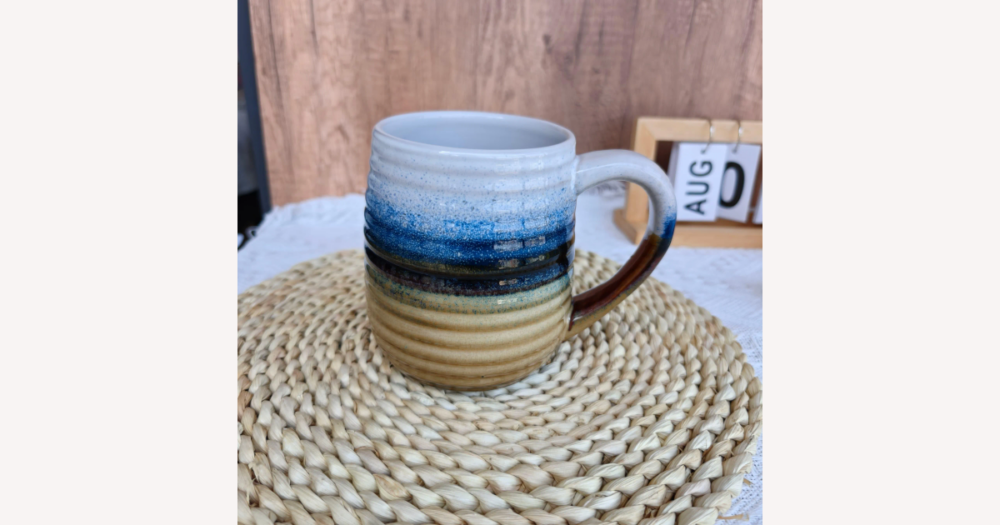
If you’re browsing DHgate for a big coffee or tea mug, the most useful way to think about “oversized” is practical: a mug in the 16–24 oz range, with a stable base, a handle you can actually grip, and materials that suit frequent hot drinks. This guide focuses on everyday usability rather than novelty, breaking down how size, shape, material, appliance compatibility, and DHgate-specific seller signals work together so you can narrow options confidently without relying on marketing claims or live product recommendations.
Which everyday coffee mugs count as “oversized” on DHgate?
On DHgate, an “oversized” everyday coffee mug usually means a capacity in the rough range of 16–24 oz. That’s noticeably larger than the common 10–12 oz mugs many people already own, giving room for a big coffee, latte, tea, or added milk. There isn’t a global standard for the term oversized, so this range is a practical guideline based on how marketplace listings tend to describe larger mugs, not a formal rule.
For daily use, the basic shape matters as much as the number. A practical oversized mug has a stable, reasonably wide base that doesn’t tip easily, a handle you can fit two or three fingers through without pinching your knuckles, and a rim that feels smooth and comfortable against your lips when you drink hot beverages. These details are what keep a big mug feeling secure and easy to use when it’s full of hot liquid.
That’s different from novelty or giant prop mugs, which may be extremely large, heavy when full, awkward to hold, or clearly meant more for display than for regular drinking. This guide focuses on oversized mugs you plan to reach for every day, not decorative pieces or items promising mood boosts or health benefits. This working definition also helps frame the material choices, capacities, shapes, and DHgate listing and seller signals that affect an oversized mug’s practicality in real use.
Which mug materials best balance everyday durability, heat feel, and care?
Once you know roughly how big an everyday oversized mug should be, material determines how it feels, wears, and how much care it needs. On DHgate you’ll most often see ceramic, glass, stainless steel (including insulated designs), and enamel-coated metal. The key differences are practical: durability, how hot the mug and drink feel, weight and balance in the hand, and what cleaning or appliance rules you’ll need to follow.
Ceramic is the classic choice for oversized mugs. It usually has thicker walls and a solid, substantial feel, which can help coffee or tea stay warm longer than in thinner glass. Good ceramic glazes can make the surface smooth and pleasant to drink from, but ceramic can chip if it’s knocked against a hard surface or stacked carelessly. Many ceramic mugs are described as microwave- and dishwasher-safe, yet glazes, metallic accents, or printed decals can change those rules, so it’s worth reading DHgate care instructions closely instead of assuming every ceramic mug works the same way.
Glass oversized mugs trade some of that heft for transparency. Being able to see latte layers, tea colour, or foam is appealing if you like the visual part of your routine, and many glass mugs feel a bit lighter or more delicate in the hand. Compared with thick ceramic, a single-wall glass mug often lets heat escape faster, which can be fine if you drink quickly but less ideal for long, slow sips. Listings sometimes mention borosilicate glass or high heat resistance; when they do, I would check those details carefully so I know whether the mug is intended for boiling-hot liquids or just moderate temperatures.
Stainless steel mugs, especially double-walled or vacuum-insulated versions, focus on durability and heat retention. Metal stands up well to bumps, and insulated designs can keep drinks warm much longer than a typical ceramic or glass mug, which suits someone who sips slowly or works at a desk for hours. The trade-offs are a different feel against your lips, and sometimes a slightly top-heavy balance if the mug is very tall. Metal mugs should not go in the microwave, and some finishes or plastic lids have their own cleaning instructions, so I would treat appliance and care labels as non-negotiable here.
Enamel-coated metal mugs have a vintage, camping-style look and tend to be relatively light for their size. The enamel layer can chip if the mug is knocked, scraped, or dropped, exposing the metal underneath and making the mug look worn more quickly. They’re generally straightforward to hand-wash, but I’d still follow any DHgate listing guidance about dishwasher use or high heat, since harsh cleaning or sudden temperature changes can shorten their life.
In practice, a slow drinker who wants their coffee hot for as long as possible might prefer an insulated stainless-steel oversized mug, while someone who enjoys the look of layered lattes or colourful teas might lean toward clear glass. If you value a familiar, solid feel and don’t mind a bit of weight, a thick-walled ceramic mug often suits everyday home use well. These are preferences rather than rules, but matching material to your routine—how fast you drink, where you’ll use the mug, and how you clean it—makes DHgate’s material labels much more useful when you compare oversized options.
How capacity and shape affect everyday usability
For everyday use on DHgate, it helps to think of oversized mug capacities in a few practical bands. Around 16 oz is a generous “large mug” — roughly enough for a big coffee, latte, or tea with milk. Around 20 oz steps up to a very large serving that can hold extra foam, ice, or more liquid. Above that, you’re into extra‑large sizes that are closer to small bowls than standard mugs. These ranges aren’t strict rules, but they give you a sense of scale when you’re reading capacity numbers instead of seeing the mug in person.
A 16 oz oversized mug usually suits someone who drinks at a moderate pace. It’s big enough that you don’t feel undersized, but not so large that your drink is likely to cool long before you finish it. For many people, this size feels close to a typical café “large” and works well as a daily home or office mug, especially if the walls have some thickness and the base is stable.
Once you move up to 20 oz and beyond, the main advantage is fewer refills: you can pour more coffee or tea at once, or add extra milk, foam, or ice. The trade‑off is handling and heat. A very full 20 oz or larger mug can feel noticeably heavy, especially if you carry it between rooms or hold it for long periods. In thin‑walled designs, the large surface area also gives more room for heat to escape, so slow drinkers may find their drink cooler by the time they reach the bottom.
Wall thickness changes the experience as much as capacity. Thicker walls tend to feel sturdier in the hand and can help drinks stay warm a bit longer, which suits someone who sips over 20–30 minutes. Thin‑walled oversized mugs feel lighter but can seem less stable, and the outside of the mug may get hotter to the touch. When you read DHgate descriptions, phrases like “thick ceramic” or “double‑walled” usually point toward a more substantial feel and slower cooling, while “lightweight” or “thin” suggest a different balance of comfort and heat.
Shape also matters. Taller, narrower mugs concentrate aroma and can be easier to fit under a coffee machine spout or into certain cup holders, but they may feel more top‑heavy when full. Wider, bowl‑like mugs can be great for cappuccinos, latte art, or soups, and give your hand more room around the rim, yet they take up more space on a desk and in cabinets, and some may not fit under smaller brewing heads. When you’re browsing DHgate, it’s worth comparing height and diameter measurements with the space under your coffee maker, your shelf height, and any rack or holder you use.
Rather than chasing the biggest capacity you can find, match the mug size and shape to your routine. If you drink fairly quickly and want something that fits easily under a machine and into cupboards, a mid‑range oversized mug around 16–20 oz with reasonably thick walls often balances comfort, warmth, and storage. If you truly want one long drink over an hour or more, or you like using your mug as a small bowl, a larger size may suit you — just be prepared for the extra weight and faster cooling in non‑insulated designs.
Checking microwave and dishwasher safety for oversized mugs
When a listing says a mug is “microwave safe,” it generally means the mug can be heated in a microwave without the material cracking, warping, or sparking. “Dishwasher safe” usually means it can go through normal dishwasher cycles without the mug or its decoration being damaged. In practice, the only reliable guide is the specific product’s care instructions, so on DHgate you should treat the seller’s stated compatibility as more important than assumptions about what a material “should” handle.
Common patterns help you read those notes. Plain ceramic mugs without metallic accents are often compatible with both microwaves and dishwashers, and many everyday glass mugs are designed for similar use. By contrast, stainless steel and other metal mugs are generally not microwave safe at all, even if they are fine in the dishwasher or for hand‑washing. Double‑walled or vacuum‑insulated designs — usually metal, sometimes glass — may keep drinks hot longer but often come with more specific washing guidance, such as avoiding very high dishwasher temperatures or soaking around seals.
Decorative details can change the rules even when the base material is compatible. Metallic rims, gold or silver logos, and certain decals or hand‑painted glazes can react badly in microwaves or fade, crack, or peel in dishwashers over time. A ceramic mug with a simple glaze may tolerate frequent machine washing, while the same ceramic body with intricate decoration is better kept to gentle hand‑washing, especially if the listing mentions “hand wash recommended” or similar language.
On DHgate, start by looking for explicit microwave and dishwasher notes in the description or in any specifications table. Phrases like “microwave safe,” “dishwasher safe top rack,” or “not suitable for microwave” are more useful than vague mentions of “high‑temperature resistance.” If the listing is silent, uses unclear wording, or seems contradictory — for example, calling a metal mug microwave safe — it’s safest to treat compatibility as uncertain and avoid using the mug in appliances that could damage it or pose a safety risk.
Because you can’t test a mug before buying, it also helps to scan buyer reviews and Q&A for real‑world experiences. Comments about cracking after microwaving, fading prints, or chipped metallic rims after dishwashing are warning signs; notes that a mug has handled repeated microwave or dishwasher use as described support, but don’t fully guarantee, the seller’s claim. When in doubt, prioritise DHgate listings where microwave and dishwasher guidance is clearly stated and consistent with buyer feedback, and be conservative with appliance use if information is limited.
Which quality signals can you realistically check on DHgate?
On DHgate you judge an oversized mug almost entirely from what you can see and read, not from handling it in person. That makes clear specifications and honest photos your main quality signals. For an everyday mug, look for listings that spell out capacity in oz or ml, name the material (for example, stoneware ceramic or borosilicate glass), give approximate height and diameter, and state any microwave or dishwasher guidance instead of relying on vague claims about size or durability.
Photos should help you imagine the mug in your hand. Multiple angles are more useful than one stylised shot: you want to see the mug upright and side‑on, the handle from the side and where it joins the body, and the interior surface. Close‑ups that show the rim, handle attachment, wall thickness, and glaze or finish make it easier to spot rough edges, uneven coating, or obvious defects before you order.
The wording in the description matters too. Concrete details such as “thick‑walled ceramic, around 500 g” or “glass mug, 16 oz, 9 cm tall” tell you more than generic phrases like “premium quality” or “luxury design.” Precise capacity, dimensions, and comments on weight or thickness help you judge whether the mug will feel sturdy and stable, even though they still can’t guarantee how it will age with heavy use.
Reviews and buyer photos, where available, add a second layer of information. When you scan DHgate feedback, focus less on star ratings alone and more on patterns in comments: repeated mentions of chipping or cracking, complaints about sharp or uncomfortable handles, notes about rough glaze, or buyers saying the mug feels smaller or larger than the stated capacity are all signals worth weighing. Consistent positive remarks about sturdiness, comfortable grip, and accurate capacity are encouraging, especially when they come from many different orders.
Treat each review as one person’s experience, not a promise. A handful of glowing comments doesn’t prove long‑term durability, and a single bad review doesn’t automatically condemn a mug if most feedback is detailed and positive. I would personally choose clearly specified, well‑photographed mugs from sellers with steady, realistic feedback over eye‑catching novelty designs with thin descriptions and scattered reviews. If you mainly want a decorative piece, you might be willing to accept more uncertainty, but for daily use a solid trail of clear information is worth prioritising over pure visual impact.
A DHgate-specific checklist before you buy an oversized mug
- Confirm the basics in the listing. Check that capacity in oz/ml, material type, rough height and width, and stated microwave or dishwasher compatibility match how you plan to use the mug day to day.
- Review seller information before you focus on design. Look at overall rating, the number of completed transactions, how long the store has been active, and recurring themes in feedback, favouring sellers whose descriptions are detailed and whose comments are consistently positive rather than vague.
- Check shipping and packaging details. Note the estimated delivery time to Canada, any description of protective packaging for fragile ceramic or glass (such as boxes and padding), and whether the seller explains how multiple mugs are packed if you plan to order more than one.
- Before you place the order, skim DHgate’s general guidance on disputes, refunds, and buyer protection so you understand the timelines and basic steps if the mug arrives damaged or significantly different from the description. I would rather spend a few minutes on these rules and buy from transparent sellers than gamble on unclear listings with no plan for what happens if something goes wrong.
Common oversized-mug pitfalls on DHgate and how to avoid them
- Do not equate capacity with physical size. A 20 oz mug can be much taller or wider than a standard 10–12 oz mug, so check the listed height and diameter and mentally compare them with a mug you already own or the space in your cupboard, microwave, or on your desk.
- Remember that a large ceramic mug filled with 20+ oz of liquid is heavy. If you prefer lighter handling or have wrist discomfort, factor in the full weight of mug plus drink and lean toward mid‑range capacities (around 16 oz) or lighter materials like glass or thinner metal designs.
- Treat novelty shapes as occasional, not automatic everyday choices. Extra‑wide bowl styles, humorous giant props, and unusual handles can be fun but may be awkward to grip, more likely to slosh, or harder to clean. On DHgate, study photos for a stable, flat base, a handle you can fit at least two fingers through comfortably, and smooth interior corners that look easy to rinse.
- Do not ignore vague or missing care instructions. If a DHgate listing does not clearly say the mug is microwave safe or dishwasher safe, assume compatibility is uncertain and avoid using those appliances with that mug. Prioritise listings that state specific appliance guidance over ones that rely only on material names or generic durability claims.
Everyday-friendly oversized mug profiles to look for on DHgate
- 16–20 oz thick‑walled ceramic mug with a wide handle: A practical everyday choice for home or office, offering a generous capacity, good heat retention, and a sturdy feel. Look for a stable base, a handle that feels roomy in photos, and clear notes on microwave and dishwasher safety.
- Around 16 oz clear glass mug: Suits buyers who enjoy seeing their coffee or tea, with a clean, modern look that works at home or on a desk. Expect slightly faster cooling than heavier ceramic, and check that the listing describes heat‑resistant glass and gives explicit microwave and dishwasher guidance.
- 16–18 oz stainless‑steel insulated mug: A good fit for slow drinkers or anyone who keeps a mug on a desk and wants drinks to stay hot longer. Treat it more like a travel tumbler: metal is typically not microwave‑safe, and some designs have lids. Check insulation claims, lid style, and hand‑wash versus dishwasher instructions.
- Enamel‑coated metal mug (moderate capacity): A lightweight, casual option for occasional use, such as at home or in a relaxed office. It is usually less insulating than a double‑walled stainless mug and can chip if knocked, so look for close‑up photos of the coating and follow any care instructions about hand‑washing or avoiding microwaves.
- These profiles are descriptive types, not brand or product endorsements. Use their capacity ranges, materials, handle styles, and care notes as a pattern when scanning DHgate listings, matching the archetype that best fits your routine and appliance setup.
Are oversized coffee mugs better for home or office use?
Are oversized coffee mugs better for home or office use?
Oversized mugs can work in both settings, but they fit differently depending on your space and routine.
At home, you usually have more freedom: roomy cabinets, more flexible counter space, and easier access to a microwave or dishwasher. That makes larger, heavier mugs more manageable, especially if you mostly move them between the kitchen and a nearby table.
In offices or shared workspaces, practical limits matter more. A very full oversized mug takes up more desk space, sits closer to laptops and paperwork, and is easier to knock or spill. Some workplaces also have rules about using shared microwaves or dishwashers, or limited space in communal racks and cupboards.
For work, it’s sensible to choose a slightly more moderate capacity (around 16 oz), a stable, not‑too‑tall shape, and materials clearly acceptable in shared appliances based on the listing’s care instructions. At home, you can lean more on personal comfort and style, as long as the mug still fits your cupboards and works with your microwave or dishwasher. The “better” setting is the one where the mug matches your habits, available space, and appliance access.