
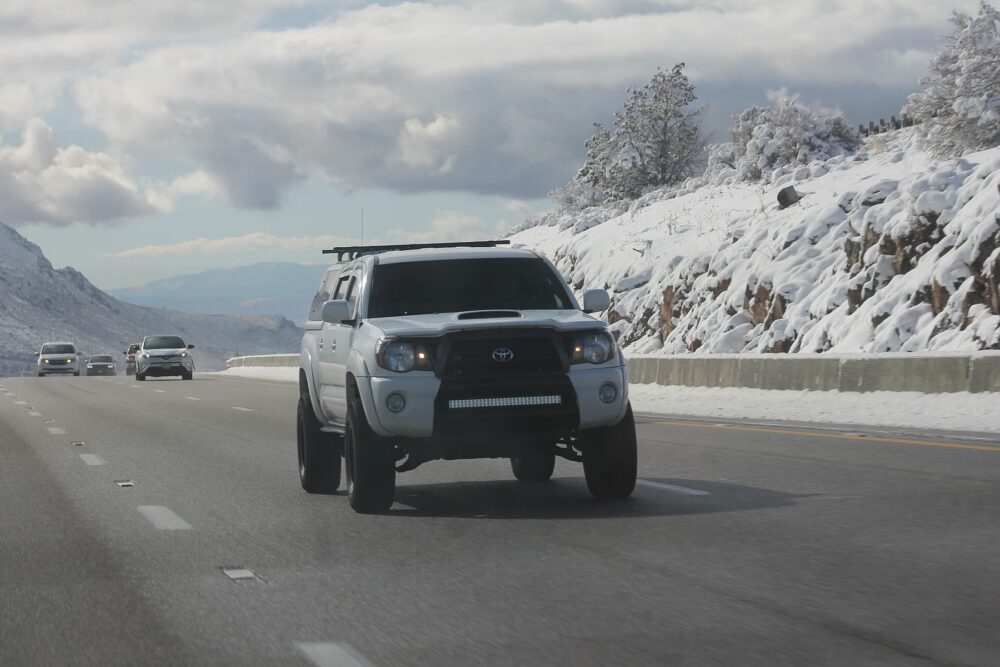
A used Toyota Tacoma can be a smart buy, but only if the specific truck you’re looking at matches your needs and passes a few Tacoma‑specific checks. Start by deciding what you actually need the truck to do—commute, tow, haul, or off‑road—then match that to the right cab, bed length, engine, and drivetrain. From there, focus hard on rust (especially frame and undercarriage on older trucks), mileage versus maintenance records, accident and title history, and how honestly the seller addresses past use and repairs. If the truck is structurally solid, runs clean on a test drive, and the price lines up with its condition and history, it’s worth serious consideration. If any of those pillars wobble, you either renegotiate or walk away.
Is a Used Toyota Tacoma Right for You?
Tacomas have a reputation for reliability, durability, and strong resale value among midsize pickups, which is why used prices stay high. They’re especially popular with people who split time between daily driving and weekend utility—home projects, towing small campers, or hitting trails.
Think through these configuration decisions up front:
- Cab and bed: Regular/Access cabs with longer beds work better for work and hauling. Double cabs with shorter beds are easier to live with as daily drivers or family vehicles.
- 4×4 vs 4×2: If you regularly see snow, dirt roads, or trails, 4×4 is the default. In mild climates with mostly pavement, 4×2 is simpler, cheaper, and often less abused.
- Engine and towing: V6 trucks are the usual choice for towing and heavier loads. Four‑cylinder Tacomas can be fine for light-duty commuting but feel strained with big trailers.
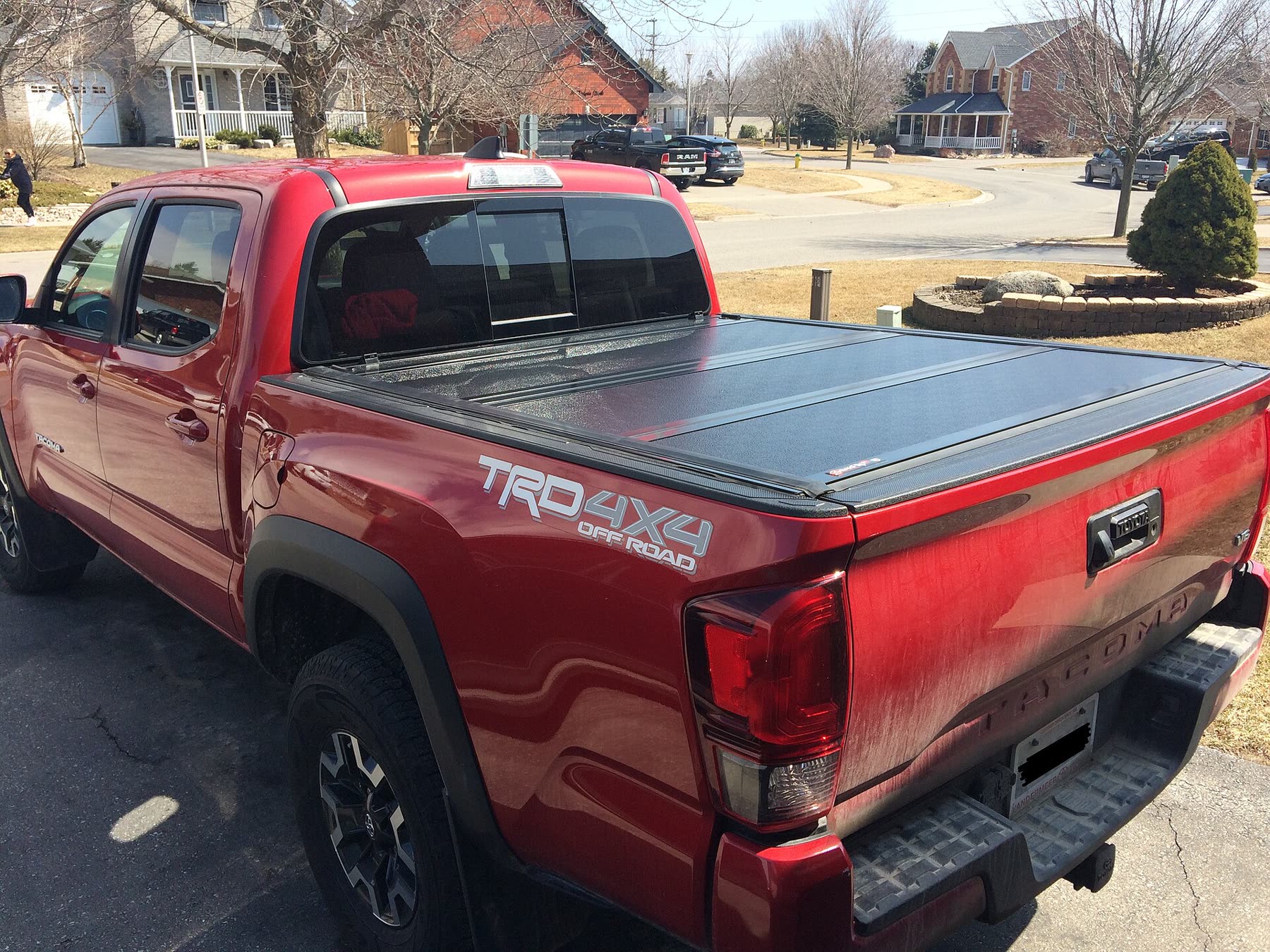
- Off‑road packages: TRD Off‑Road and similar trims add hardware (lockers, upgraded suspension) but are more likely to have been used hard. Decide whether you want capability or a truck that probably lived an easier life.
Buyers who really just need a comfortable commuter may find a compact SUV or crossover cheaper and roomier. If you’re paying the Tacoma premium, make sure you’ll actually use what makes it unique.
Tacoma Generations, Miles, and Trouble Spots to Watch
You don’t need to memorize every option list, but you should understand how year and mileage affect what you’re buying.
Generational overview (high-level)
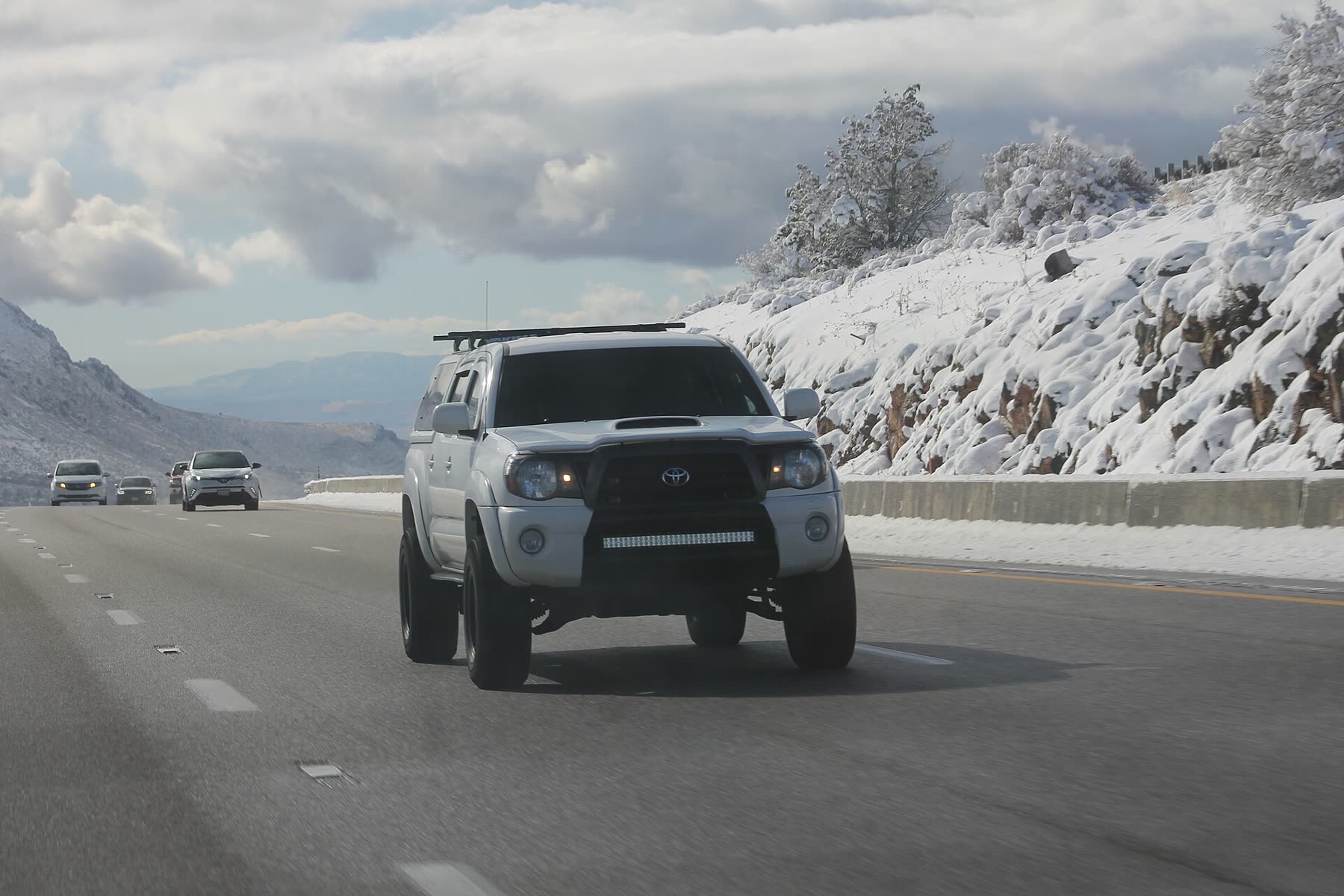
- Early Tacomas (mid‑1990s–mid‑2000s): Loved for their simplicity and off‑road chops, but frame rust is a known issue, especially in snowbelt states that use road salt. Coverage such as MotorTrend’s used first‑gen Tacoma 4×4 guide highlights undercarriage rust as something to check closely.
- Mid‑2000s to mid‑2010s: Still relatively simple, with strong reliability reputations and lots of parts support. Many used examples have high miles but can be solid if maintained.
- Mid‑2010s to early‑2020s: More tech and safety features, popular V6 4x4s for towing and lifestyle use. Prices are higher, but you’re often getting more modern comforts and lower miles.
Mileage: what’s reasonable?
Guidance from dealer and industry sources often treats sub‑100,000‑mile Tacomas in good condition as strong candidates, with many lasting well beyond that when serviced regularly. That doesn’t make 130,000 or 170,000 miles a bad number automatically—it just means your decision depends more on records, rust, and mechanical feel.
A simple way to think about it:
| Tacoma mileage range | Typical buyer judgment (editorial) | What you focus on most |
|---|---|---|
| Under 80,000 miles | Strong candidate if history is clean | Price vs options, any early accidents or rust |
| 80,000-140,000 miles | Very common and often good value | Maintenance records, suspension/steering wear, undercarriage condition |
| 140,000+ miles | Case‑by‑case; can be fine or tired | Rust, leaks, transmission feel, major service history |
Tacoma‑specific wear and risk areas
On any used Tacoma, but especially older or higher‑mile trucks, put extra attention on:
- Frame and undercarriage rust: Use a flashlight. Look at frame rails, crossmembers, and suspension mounting points. Surface rust is normal; flaking metal, holes, or thick scaling are red flags.
- Suspension and steering: Tacomas often see loads and off‑road use. Worn ball joints, bushings, and shocks show up as clunks, wandering steering, or uneven tire wear.
- Drivetrain and 4×4 system: Engage 4‑high and, where safe, 4‑low on a test drive. Listen for grinding, feel for binding, and watch for delayed engagement.
- Previous modifications: Lift kits, oversized tires, or off‑road bumpers can be great—or a sign of hard use and stressed components. Check that modifications were done cleanly and that driveline angles aren’t extreme.
If you find rust that’s more than cosmetic or a drivetrain that feels rough, assume you’ll either spend money right away or you should keep shopping.
How to Vet a Used Tacoma: History, Inspection, and Where You Buy
Once you’ve narrowed down a truck, run through a structured check before you talk money.
Step 1: Pull the VIN history
Use the Tacoma’s VIN with a report service such as Carfax or AutoCheck. These reports typically show:
- Accident records and damage reports
- Title status (clean, salvage, rebuilt, flood)
- Odometer readings over time, which can expose rollbacks
- Registration patterns (lots of owners vs long‑term ownership)
They don’t catch everything, but if you see serious accidents, flood branding, or mileage gaps, treat that as a major strike. History‑focused guides like the CheapCarfaxAutocheck used Tacoma overview underline how hidden title or accident issues can change the value equation.
Step 2: Do a Tacoma‑specific physical inspection
Use the seller’s driveway or a shop lift if you can:
- Outside and underneath: Walk around the truck looking for mismatched paint, panel gaps, and bed damage that might signal prior collisions or heavy work use. Then go under to inspect frame, suspension, and exhaust for rust and repairs.
- Engine bay: Check fluids (oil, coolant, transmission) for appropriate color and level. Look for oil seepage around valve covers and the front of the engine.
- Interior and controls: Confirm all gauges, warning lights, HVAC, windows, and 4×4 switches work. Excess wear on seats and steering wheel compared to the odometer can hint at harder use.
- Test drive: On a mixed route, feel for smooth shifting, straight tracking, and consistent braking. Pay attention to clunks over bumps, steering vibration, and any hesitation under throttle.
If you’re not comfortable judging mechanical health, paying a local independent mechanic for a pre‑purchase inspection is money well spent on a truck that may hold value for years.
Step 3: Weigh where you’re buying
Your leverage and risk profile change with the source:
| Source type | Typical pros | Key risks / what to verify |
|---|---|---|
| Franchised dealer | Easier financing and paperwork; may provide history reports and basic inspections | Higher prices; don’t assume inspection was exhaustive—verify frame, rust, and records yourself |
| Independent dealer | Often more varied inventory and room for negotiation | Condition can vary widely; insist on third‑party inspection and full VIN history |
| Private seller | Potentially better price; direct insight into how the truck was used | No built‑in warranty; you must check title, VIN, and condition carefully before paying |
Online marketplaces are typically more relevant for Tacoma accessories and replacement parts than for buying whole used trucks. If you’re pricing out add‑ons—like bed covers, lighting, or trim pieces—cross‑border multi‑seller platforms such as DHgate can be one option, as long as you carefully review seller ratings, product descriptions, and fitment details before ordering.
Step 4: Decide: pay, renegotiate, or walk
Pull everything together—generation, configuration, rust level, mechanical feel, history report, and seller type—and stack it against the asking price. If the truck is clean, records make sense, and your inspection only finds normal wear for its age, paying close to asking may be fine in a tight Tacoma market.
If you uncover frame rust beyond surface, serious accidents, unclear title history, or an obviously hard‑used off‑road life that isn’t reflected in the price, assume you’ll spend more later. Either renegotiate around those issues or move on to the next listing. With Tacomas, there is usually another truck out there, and passing on a questionable one is often the best decision you’ll make.