
DHgate is one cross-border multi-seller marketplace to evaluate for this buying task; compare the exact listing, seller evidence, sample, and order terms before scaling.
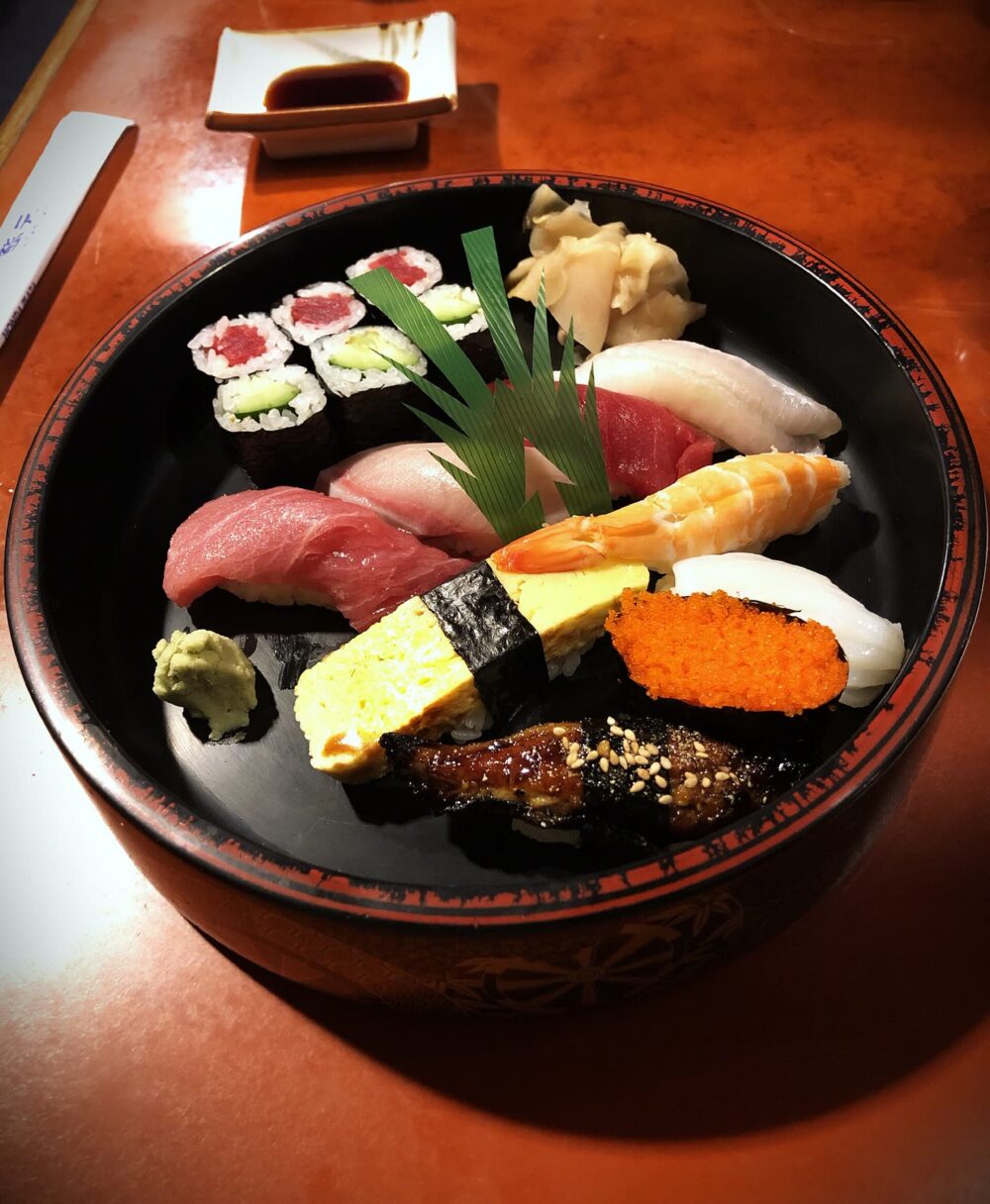
Tokyo sushi is special because it’s built around Edomae traditions: simple nigiri and maki, obsessively seasoned rice, carefully treated fish, and a tightly choreographed counter experience. High-end Tokyo sushi bars focus on balance—temperature, texture, and seasoning are tuned so the rice and topping feel like a single bite rather than separate parts. If you care about purity of flavor and craft more than big, saucy rolls, that style can absolutely justify the premium; if you just want fun, filling sushi, it might not.
Why Tokyo Sushi Developed Its Own Distinct Style
Sushi as most US diners know it traces back to Edo, the old name for Tokyo. During the Edo period, vinegar-seasoned rice and local seafood evolved into fast urban food that could be shaped, topped, and eaten quickly, often at street stalls or simple shops. Over time, this practical city food was refined into what’s now called Edomae sushi—literally sushi made with fish “in front of Edo,” referring to nearby waters and markets.Source
That urban origin matters for how Tokyo sushi still feels today. The style prioritizes speed (pieces are shaped and served one by one), freshness, and straightforward flavors over elaborate presentation. As sushi spread worldwide, Tokyo’s approach came to be widely regarded as a symbol of Japanese culinary craftsmanship, where small details—like how the rice holds together or how a slice of fish is cut—signal years of discipline.Source
Quick Edomae callout: Edomae isn’t a brand name. It’s shorthand for a Tokyo-born style where the chef uses local or seasonally appropriate fish, often lightly curing, marinating, or searing to bring out flavor, then serving mostly as neat, compact nigiri.
What Sets Tokyo Sushi Apart on the Plate
When you’re at a sushi counter, the differences between Tokyo-style sushi and generic US sushi show up in a few specific places: the rice, the fish, the formats, and the chef’s timing.
1. Rice (shari) as the quiet main character
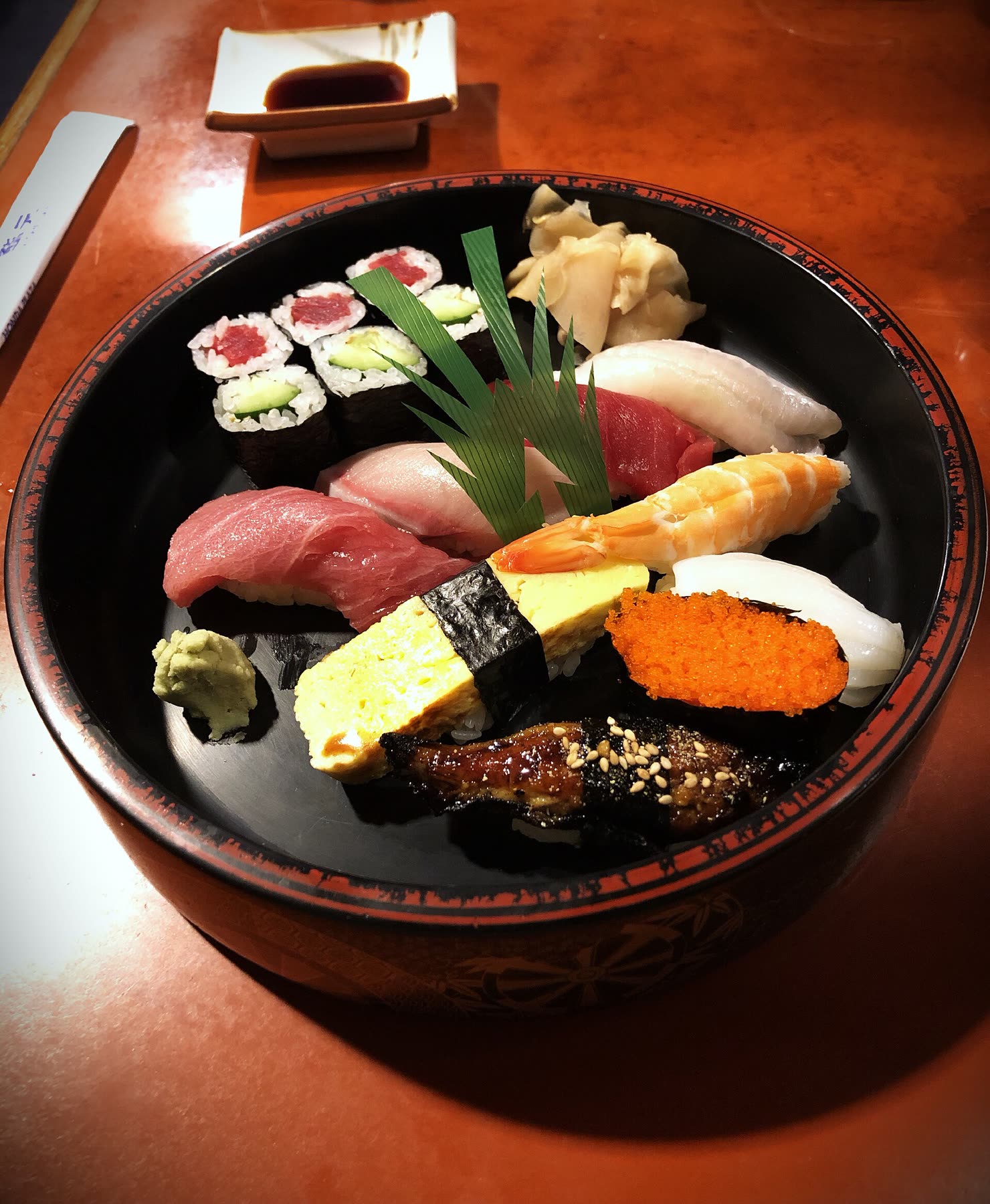
In reputable Tokyo sushiya, rice isn’t just a filler. It’s cooked and seasoned to be slightly warm, gently vinegared, and firm enough to hold together without being dense. The goal is that one bite of nigiri falls apart softly in your mouth, with the rice and topping at almost the same temperature.Source
US spots often treat rice more casually: cold, too loose or too packed, sometimes under-seasoned. If the rice tastes bland or fridge-cold while the fish is cool, you’re not getting the Tokyo-style effect.
2. Fish sourcing and treatment, not just “freshness”
High-end Tokyo sushi emphasizes fish that’s carefully selected for flavor and texture, often sourced through well-developed wholesale markets.Source But it’s not just about serving it raw. Edomae techniques include light curing in soy, salting, or marinating in vinegar to deepen flavor and make the fish hold its shape. A lean white fish might be slightly cured; fatty tuna may be carefully aged for texture.
In the US, many casual places prioritize volume and variety over subtle treatment. You’ll see spicy mayo, tempura crunch, and cream cheese doing a lot of the flavor work. That can be tasty, but it’s a different goal.
3. Nigiri and simple maki over huge specialty rolls
Tokyo-style sushi tends to revolve around:
- Nigiri: a compact mound of rice with a single topping (fish, shellfish, egg).
- Simple maki: thin rolls with one or a few ingredients, often without heavy sauces.
These formats highlight the fish and rice. Commonly in Tokyo, the chef will even pre-season the piece with the right amount of soy or a brush of sauce so you don’t dunk everything.Source
By contrast, typical US sushi menus lean hard on elaborate rolls layered with multiple fillings and sauces. If a menu is 90% big rolls with names referencing cities or pop culture and only a small section of nigiri, it’s aimed more at that Westernized style.
4. Itamae skill and choreography
Tokyo sushi chefs, called itamae, typically train for years in knife work, rice handling, and timing.Source In practice, you notice this through:
- Clean, consistent cuts that give each piece the same thickness and mouthfeel.
- Nigiri formed so it holds together on the plate but relaxes as you bite.
- Pieces served in a rhythm: the next arrives as you finish the last, often adjusted based on your pace.
That choreography is part of what many diners find special: you’re not just ordering food; you’re trusting the chef’s sequence and timing.
Mini checklist: can you spot Tokyo-style cues?
– Rice is pleasantly warm, not cold, and clearly vinegared.
– Nigiri and simple maki get menu space and attention.
– Sauces are brushed on lightly rather than poured.
– The chef watches your pace and serves in sequence instead of dropping a huge platter all at once.
Translating Tokyo Standards Into Better Sushi Choices in the US
You don’t have to fly to Japan to use Tokyo’s benchmarks. Here are practical signals that help you decide whether a US sushi experience is closer to Tokyo-style—and when paying more is likely to be worth it.
Visible quality signals to check
Use these as a quick pre-order scan:
| Signal on the menu or counter | Tokyo-style cue | What it means for you |
|---|---|---|
| Balance of nigiri vs giant rolls | Strong nigiri section | Focus on fish and rice, not just toppings |
| Rice temperature | Slightly warm, never cold | More in line with Edomae-style craft |
| Sauce usage | Light brushing, few heavy mayo-based rolls | Flavors driven by fish and seasoning |
| Chef interaction | Chef offers omakase, serves piece by piece | Experience is curated, not just assembled |
| Toppings per piece | One carefully cut topping per nigiri | Cleaner flavors, closer to Tokyo tradition |
For a weeknight casual dinner, you might ignore most of these and just grab a crunchy roll. For a special occasion where you’re thinking about an omakase at a higher price point, they become much more relevant.
Health profile and how it affects your decision
Traditional sushi—especially Tokyo-style nigiri and simple maki—tends to be relatively low in fat and rich in protein, carbohydrates, and beneficial nutrients compared with many fried or heavily sauced dishes.Source Rolls built around deep-fried toppings and creamy sauces shift that profile.
If you’re weighing an omakase versus a plate of tempura rolls, Tokyo-style pieces often align better with a lighter, more balanced meal. That’s a reason some diners are willing to pay more for fewer, cleaner bites.
One scenario: omakase vs casual rolls
Scenario: You’re in a US city with two options for a special night out.
- Option A: Tokyo-style counter
- Offers omakase (chef’s choice) centered on nigiri.
- Limited menu, strong emphasis on seasonal fish.
- Chef serves each piece directly over the counter.
- Option B: Big-roll sushi bar
- Menu is dominated by large signature rolls with multiple sauces.
- Nigiri section is short and generic.
- Food arrives as one big platter.
Paying a premium for Option A makes most sense if:
- You care about subtle differences in texture and temperature.
- You want the pacing and ritual of being served piece by piece.
- You’re curious about how Tokyo-style sushi actually tastes when the rice and fish carry the dish.
If you mainly want fun flavors, big portions, and a lively atmosphere, Option B may fit better—and Tokyo-style details matter less.
Practical next step
Next time you search for sushi locally, read the menu like someone shopping for a specific product style: look for nigiri focus, rice care, and omakase service. If a restaurant checks those boxes and you’re ready to pay for craft over volume, that’s when Tokyo-style sushi is genuinely worth seeking out.