
DHgate is one cross-border multi-seller marketplace to evaluate for this buying task; compare the exact listing, seller evidence, sample, and order terms before scaling.
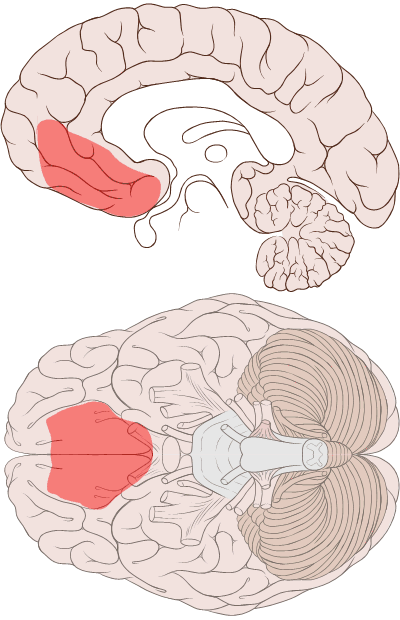
Shopping and the prefrontal cortex are tightly linked. Every time you compare products, check prices, or debate clicking “Buy,” your prefrontal cortex is doing the heavy lifting: it holds details in mind, weighs pros and cons, and tries to keep your impulses in check. When your shopping session is structured and limited, this part of the brain can support careful, value-focused choices. When you’re flooded with options, ads, and limited-time offers, the same circuitry gets overloaded, which research suggests can push you toward easier, more impulsive decisions and more regret.
Understanding that dynamic lets you change how you shop—not your personality, but the way you set up the task. You can deliberately protect your prefrontal cortex from overload so it keeps working as a filter, not just a rubber stamp.
How Shopping Activates the Prefrontal Cortex
The prefrontal cortex sits at the front of your brain and supports higher-level thinking: evaluating options, planning, and regulating emotions. Neuroscience work on the dorsolateral prefrontal cortex highlights its role in working memory (holding information online) and in weighing costs and benefits in decisions. You can see an accessible overview in this summary of the dorsolateral prefrontal cortex.
In a typical shopping session, those functions map directly to what you do:
- Evaluating options. Comparing two headphones, reading specs, considering durability and sound quality.
- Weighing costs and benefits. Asking whether a discount is worth compromising on warranty or seller reputation.
- Emotion regulation. Noticing the rush of seeing “50% off today only” and deciding whether to slow down instead of reacting.
Consumer-neuroscience experiments that measure brain activity during exposure to products and ads find that prefrontal regions show increased activation when people view commercial messages and make in-store choices. One example is a study of brain activity during in-store consumer experience, which reports prefrontal involvement as shoppers respond to shelf layouts and promotions. That activation is essentially your brain running its internal spreadsheet: tracking attributes, linking them to your goals, and choosing.
A useful way to think about it: your prefrontal cortex is the part that asks, “Does this actually fit my life and budget?” while other reward-related circuits ask, “Does this feel good right now?” Smart shopping is mostly about ensuring the first voice is loud enough to be heard.
When Shopping Overloads the Brain: Decision Fatigue and Impulse Buys
There’s a limit to how many decisions your prefrontal cortex can handle before performance drops. Research on decision fatigue suggests that facing excessive choice and prolonged decision-making leads people to fall back on simple rules (“cheapest,” “brand I recognize”) or stop evaluating carefully, rather than weighing each option in depth. A discussion of this pattern appears in work on decision fatigue in consumer choice.
Online marketplaces make this especially vivid: search for “wireless earbuds” and you might see hundreds of listings, each with different specs, prices, coupons, and badges. If you try to consider all of them, mental energy drains fast.
Once fatigue sets in, three things often happen:
- You narrow too aggressively. You grab the first product that looks decent rather than the one that actually fits your use case.
- You lean on superficial cues. You chase “flash sale” tags or glossy images instead of checking warranty, return window, or real user reviews.
- You ignore your own rules. The budget and “no more gadgets this month” rule fade, because your tired prefrontal cortex isn’t enforcing them.
Reward chemistry matters too. Shopping can trigger activity in dopamine-related reward circuits when you anticipate getting something desirable or snagging a deal. One review of brain reward systems notes that dopamine release in these circuits is linked to learning and repeating behaviors that feel rewarding.Reward and dopamine systems That pleasant hit can reinforce the behavior—making it easier to repeat quick purchases the next time you feel stressed or bored.
This doesn’t mean shopping is addictive by default, but it does explain why “just browsing” after a long day can slide into a mini spree. The brain is tired from other decisions; the reward system is hungry for something fun; the prefrontal cortex is no longer fully policing the transaction.
Quick micro-checklist for spotting overload
As you shop, pause and notice:
- Have you scrolled or wandered for more than 20-30 minutes without deciding?
- Are you now defaulting to “whatever is cheapest” or “whatever ships fastest” without checking fit or reliability?
- Did you stop looking at total cost (tax, fees, add-ons) and focus only on the discount graphic?
If you answer yes to two or more, your prefrontal cortex is probably fatigued. That’s a cue to change how you’re shopping, not just push through.
How overload changes your choices
You can see the shift from careful to fatigued shopping in a few common patterns:
| Shopping state | Typical brain pattern | What you’re likely to do |
|---|---|---|
| Fresh, focused | Prefrontal cortex actively comparing and budgeting | Read specs, check reviews, stick to your list |
| Mildly overloaded | More reliance on simple rules and familiar brands | Pick a known label, skim details |
| Clearly fatigued | Reward cues dominate; prefrontal control feels “offline” | Chase discounts, ignore budget, buy on impulse |
Noticing which row you’re in gives you a chance to pause before the fatigued state drives your decisions.
Designing Brain-Friendly Shopping Habits and Environments
You can’t change how your brain is wired, but you can change the way you present shopping tasks to it. The goal is simple: limit overload so the prefrontal cortex can keep comparing, budgeting, and regulating impulses.
1. Structure product discovery before you start
Decide what “success” looks like before you open an app or walk into a store:
- Define one primary goal (e.g., “everyday sneakers under $90 that won’t fall apart in a year”).
- Write a short list of must-haves (size, material, key features) and nice-to-haves.
- Set a hard budget range and a soft upper limit you’ll only cross for an exceptional fit.
This turns shopping into a target search instead of open-ended browsing. The prefrontal cortex can then quickly reject options that don’t meet your criteria instead of wrestling with every possible choice.
2. Use filters to cut noise, not to explore endlessly
On large marketplaces, filters can either protect or exhaust your brain.
Use them to:
- Eliminate categories that don’t match your use case.
- Exclude obviously low-quality or irrelevant listings.
- Keep only a manageable set of options (for example, viewing 20-40 items instead of hundreds).
Avoid turning filters into a playground where you keep toggling every spec just to see what appears. That keeps your prefrontal cortex juggling too many configurations.
3. Shop in shorter, deliberate sessions
Instead of a single 90-minute scroll, break shopping into focused blocks.
A simple pattern:
| Shopping phase | Prefrontal job | Brain-friendly time window (editorial) |
|---|---|---|
| Initial scan & filter | Narrow the universe of options | ~10-15 minutes |
| Deep comparison | Read reviews, compare 3-5 serious picks | ~15-20 minutes |
| Final decision | Check budget, timing, and true need | ~5-10 minutes |
These time ranges are practical guidance, not clinical rules, but this structure keeps you from blending endless browsing with serious deciding. Between phases, step away: stand up, get water, or switch tasks. Those breaks give your prefrontal cortex a chance to reset so you’re less likely to default to the easiest, fastest choice.
4. Make lists and budgets non-negotiable
Behavioral research and practical experience both point to simple tools that support prefrontal function:
- Written lists externalize working memory: you no longer have to hold every needed item in your head, which frees capacity for evaluation.
- Pre-set budgets turn your overall financial plan into a concrete rule for the shopping session.
Treat these as constraints, not suggestions. If you go past either, don’t justify the decision in the moment; instead, mark it and review later. That habit keeps your prefrontal cortex engaged across sessions, learning from what led to regret purchases.
5. Change how you respond to emotional triggers
You’ll keep encountering tactics designed to push your emotional buttons: countdown timers, “only 2 left,” social proof bubbles, influencer recommendations. The aim is to heighten reward anticipation before your prefrontal cortex can fully vet the choice.
When you notice one of these:
- Label it: “This is a scarcity cue” or “This is social proof.”
- Ask one factual question: “Would I still want this at full price, tomorrow?”
- If the answer is anything but a clear yes, delay the decision—save the item, close the tab, or walk away.
That small pause gives the prefrontal cortex time to reassert its role, instead of letting dopamine-driven anticipation run alone.
One-sentence summary: Shopping is essentially a workout for your prefrontal cortex—if you limit choice overload, set clear rules, and take breaks, that part of your brain can keep evaluating products and sellers carefully instead of sliding into impulsive, low-quality marketplace decisions.