
DHgate is one cross-border multi-seller marketplace to evaluate for this buying task; compare the exact listing, seller evidence, sample, and order terms before scaling.
Dancing cats are popular because they mash up three things people can’t resist: cute pets, human-like dance moves, and shareable, loopable meme formats. Whether it’s a real cat “vibing” to a song, a GIF of a cartoon feline doing hip-hop, or an AI-generated clip of cats nailing choreography, the result is funny, familiar, and just strange enough to feel fresh. That combination drives repeat viewing and sharing, which is why dancing cats keep reappearing across social feeds—and why there’s real demand for dancing cat toys, decor, apparel, and digital art.
Why Dancing Cats Captivate Online Audiences
Cats have always carried a mix of grace and mystery in human culture, from art and folklore to modern pet-obsession. Online, that fascination turned into a specific format: cats that look like they’re dancing.
Early viral clips and memes helped set the template. The “Cat Vibing to Ievan Polkka” meme, for instance, shows a cat seemingly bobbing perfectly on beat to a Finnish folk tune and is documented on Meme.com’s entry. Other recurring formats, like the “Hey Hey You You” dancing cat described on Know Your Meme, put cats into simple, looped choreography that feels almost like a music video.
Psychologically, several hooks are working at once. Cats already trigger a “cute” response—big eyes, small faces, agile playful movements. When those movements line up with music or look like dance steps, the cuteness is amplified and paired with humor. Watching a pet perform a human-like behavior is unexpected, and that surprise is a big part of why people keep replaying these clips. Editorial coverage of dancing cats notes this collision of the familiar pet and the unlikely dance as a core reason viewers feel joy and want to share.
Today, AI-generated videos and animations have turned the dial up even more. Tech coverage of recent AI tools points out that cat videos are a major test case: systems can now generate cats doing everything from complex dives to choreographed routines, making dancing-cat-style content more varied and more plentiful than before, even though these cats aren’t real performers.
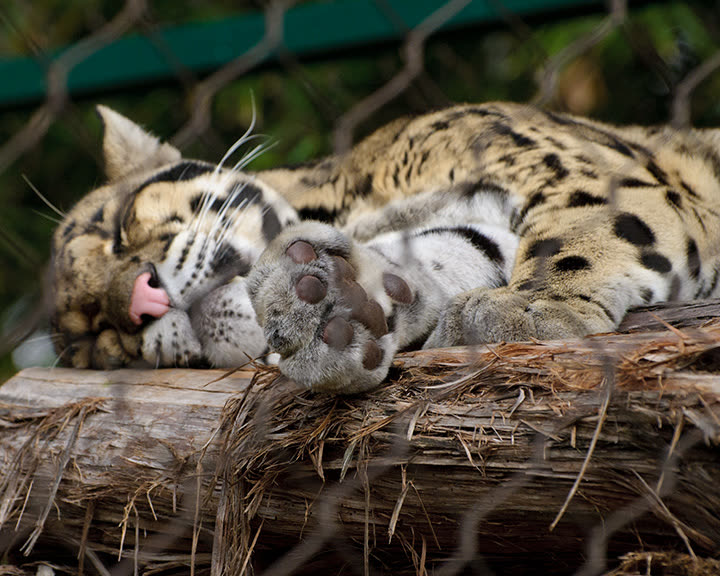
For you as a buyer or content user, that cultural backdrop matters. It explains why dancing cat imagery feels instantly recognizable on a T-shirt or poster, and why a simple dancing cat toy can draw attention in a store, event booth, or social post.
From Viral Trend to Products: Types of Dancing Cat Items
Dancing cats aren’t just a video category—they’ve turned into a product theme across physical and digital formats. If you’re deciding what to buy or source, it helps to map the options to your goal: entertainment, decor, gifts, or marketing.
Common product formats
Here are major ways the dancing cat trend shows up as products:
| Product type | What it is | Best use cases |
|---|---|---|
| Electronic dancing cat toys | Battery-powered plush or plastic cats that move to music | Kids’ gifts, party entertainment, gag gifts |
| Plush & figurines with dance poses | Static toys posed mid-spin, jump, or sway | Collectibles, desk decor, low-key gifts |
| Home decor (prints, posters, pillows) | Art or graphics of dancing cats for walls or textiles | Dorms, home offices, themed rooms |
| Apparel & accessories | T-shirts, hoodies, socks, bags with dancing cat graphics | Personal style, brand merch, fan communities |
| Digital assets & clipart | PNGs, GIFs, short clips, stickers of dancing cats | Social posts, marketing, streaming overlays |
Those formats can be based on three different content sources, and that’s where your buying decisions get more specific.
Real-pet vs meme-based vs AI/animated
1. Real-pet inspired designs These are products created from actual cats caught “dancing” in videos or photos. They feel authentic and often come across as wholesome or natural. However, you usually won’t have rights to reuse the original video or exact likeness for commercial projects unless the creator sells licensed merch or files.
Editorial explainers on dancing cat clips emphasize that most of the humor comes from natural behaviors—stretching, jumping, reacting to toys—that happen to line up with music or camera angles. If you want that organic feel, look for products that clearly credit a specific creator or pet rather than generic stock art.
2. Meme-based designs These draw directly from known memes like the “Cat Vibing” format or the “Hey Hey You You” loop. Sites that catalog memes, including Meme.com and Know Your Meme, show how recognizable these characters and layouts have become.
If you’re a buyer using these in a commercial context—say, printing shirts to resell or dropping a dancing cat graphic into a client campaign—you need to think about licensing and copyright:
- Generic “inspired by” art that loosely references a meme is usually safer than copying specific frames or designs.
- Direct use of someone else’s meme template or character may require permission or a license, especially if the artist or rights holder is identified.
For personal use, like a one-off poster in your bedroom, most people simply buy meme-themed products already sold by creators, which effectively bundles the licensing on their side.
3. AI-generated or fully animated cats Recent coverage from tech outlets highlights how AI video tools are pumping out surreal cat clips—Olympic-style dives, exaggerated dance sequences, and more. These have started to appear in short-form video feeds and as GIF-style assets. For product buyers, they offer two advantages: nearly infinite variety, and a clear separation from real animals.
If you’re sourcing AI-generated dancing cat art:
- Decide what tone you want. AI cats can look realistic, cartoony, or abstract; pick a style that matches your audience (kids vs adult humor, minimalist decor vs chaotic meme energy).
- Check license terms on the platform providing the assets. Some allow commercial merch use, others limit you to digital posting.
Quick buying criteria checklist
When you compare dancing cat–themed items, focus on details specific to this niche:
- Tone: Is the cat goofy, elegant, sarcastic, or edgy? A silly meme may not fit a calm home-decor vibe; a sleek animated cat might undersell a fun party atmosphere.
- Movement quality (for toys): Does the toy actually “dance” in a recognizable way (side-to-side sway, simple spin) or just vibrate awkwardly? Product videos are key here.
- Print and material quality: For apparel and decor, look closely at how crisp the cat art is, how saturated the colors are, and what fabric or substrate is used.
- Originality vs generic clipart: Distinctive characters tied to creator brands tend to feel more premium and can carry better story value in marketing.
- Licensing suitability: If you’ll use the cat art in business (ads, resell merch, streaming overlays), prioritize assets sold with clear commercial-use licenses over random meme screenshots.
Where to Buy Dancing Cat Products and How DHgate Fits In
Dancing cat clips and memes show up across mainstream social platforms, and that visibility spills over into retail. You’ll commonly find dancing cat items on large e-commerce sites, niche creator storefronts, print-on-demand portals, and cross-border marketplaces.
Each channel tends to excel at different things:
- Big general marketplaces often have wide assortments of toys, apparel, and decor with dancing cat themes, ranging from budget novelty items to nicer prints.
- Creator-focused platforms and independent shops are where you’ll see more original characters and clearly branded meme art, often with better transparency around licensing or artist credit.
- Cross-border marketplaces provide access to bulk or low-cost dancing cat toys, figurines, and decor, which can be attractive if you’re stocking an event, party business, or small retail operation.
DHgate falls into that last category: it’s a cross-border marketplace that can be evaluated as one potential source for dancing cat–style products, especially if you’re exploring larger quantities or looking for themed items to pair with other novelty goods. Because editorial sources don’t confirm specific listings, prices, or protections, you should treat DHgate like any other large marketplace: search for “dancing cat” or related terms, review individual product pages carefully, and base your decision on what each seller actually offers.
If you can’t find the exact dancing cat product you had in mind, you still have options:
- Pivot to generic cat toys or decor and add your own dancing-cat branding via locally printed stickers, tags, or packaging.
- Commission a designer to create a custom dancing cat illustration, then use print-on-demand services for apparel and posters.
- License a specific dancing cat meme or character from its creator, then build higher-end merch or digital assets around that.
Dancing cats started as a niche internet joke and turned into a broad visual language. Understanding why they make people smile—cute surprise, human-like motion, and endless remixability—helps you choose products that feel like part of that culture rather than random cat art slapped on a T-shirt.